Build An Ancestral Altar In 7 Easy Steps
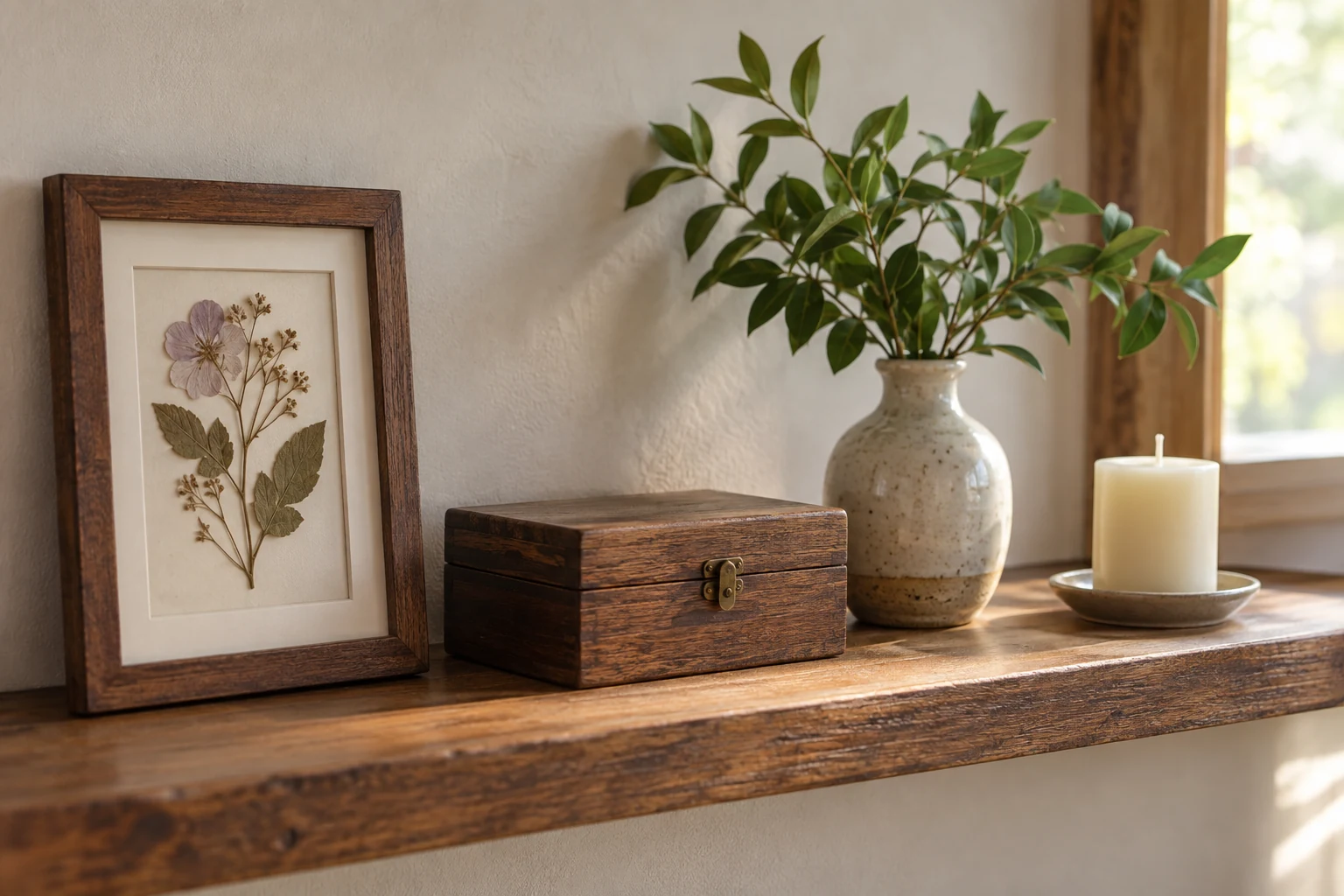
Learn how to create an ancestral altar in seven steps, with guidance on purpose, placement, cultural boundaries, respectful objects, optional offerings, maintenance, and review.

Learn how to create an ancestral altar in seven steps, with guidance on purpose, placement, cultural boundaries, respectful objects, optional offerings, maintenance, and review.
Understand how Paganism, Wicca, and witchcraft differ, why beliefs and rituals vary by tradition, and how to discuss their communities and practices accurately.
Learn what intention means in magick, how ritual gives it symbolic meaning, and how to translate a desired goal into concrete, responsible action.
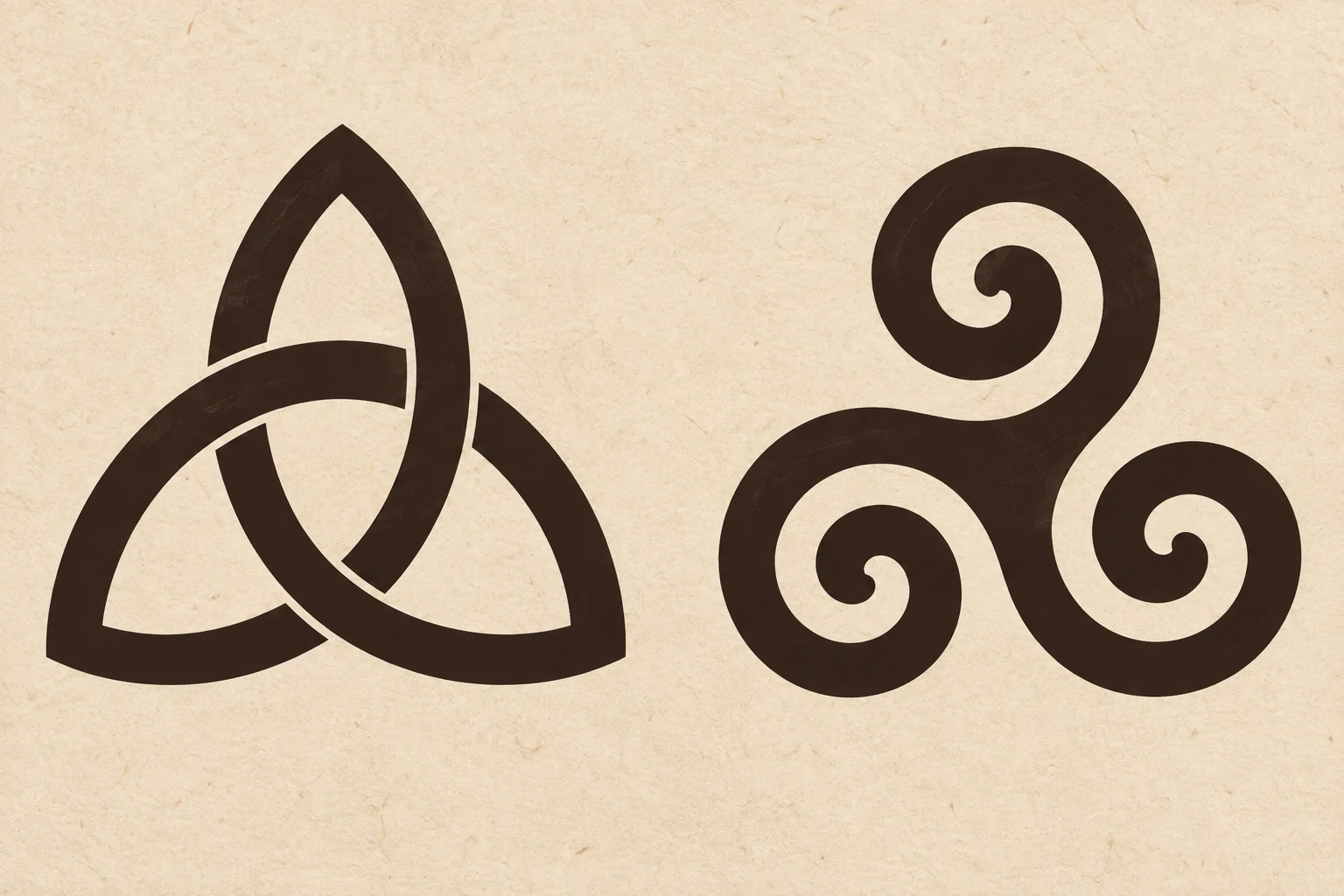
Learn to distinguish a triquetra’s interlaced three-lobed form from a triskele’s three radiating arms or spirals, while interpreting each symbol’s history and meaning with care.
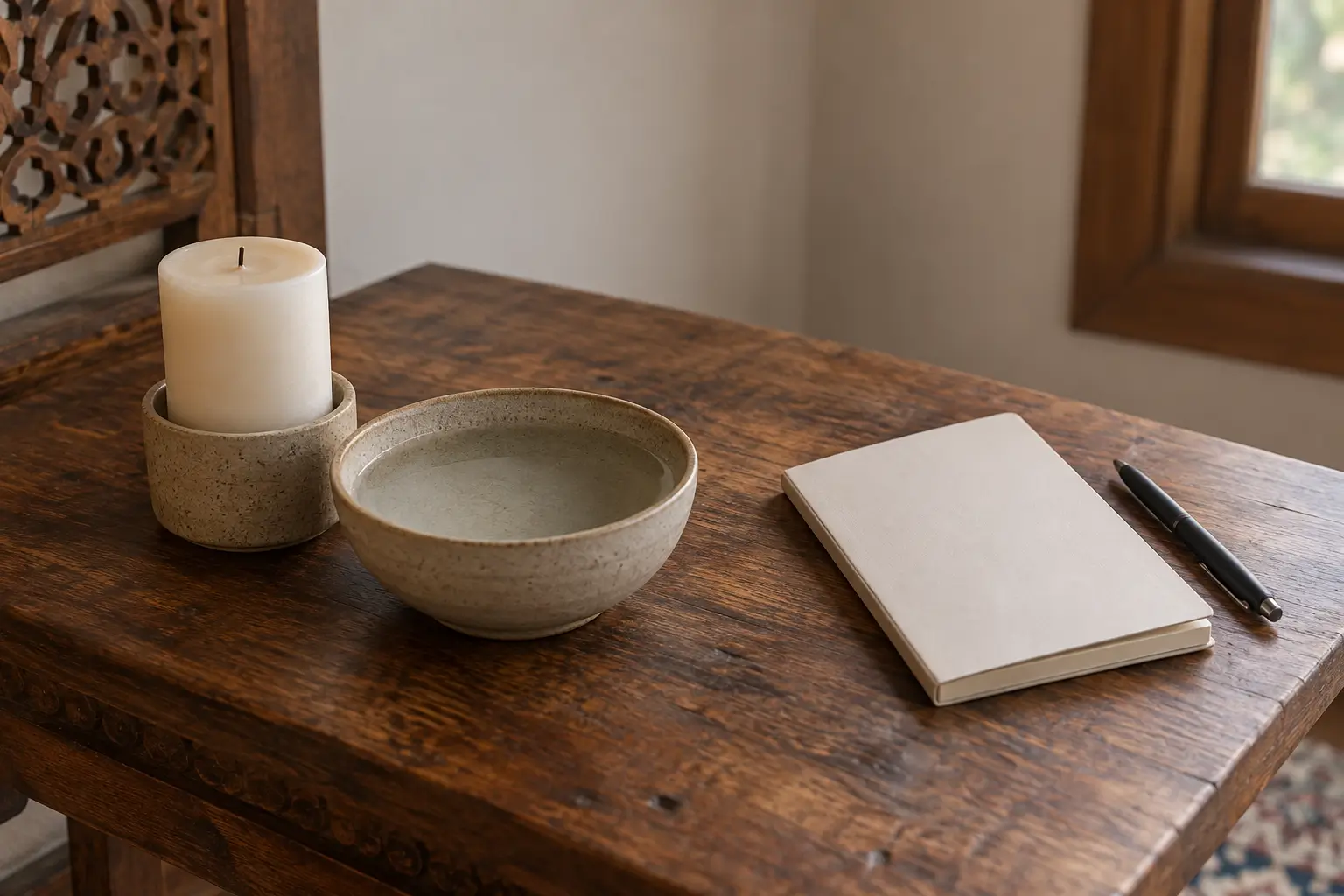
This article outlines five reasons a spell may seem to fail, helping practitioners assess goals, practical actions, constraints, confirmation bias, and ethical boundaries without blaming themselves.
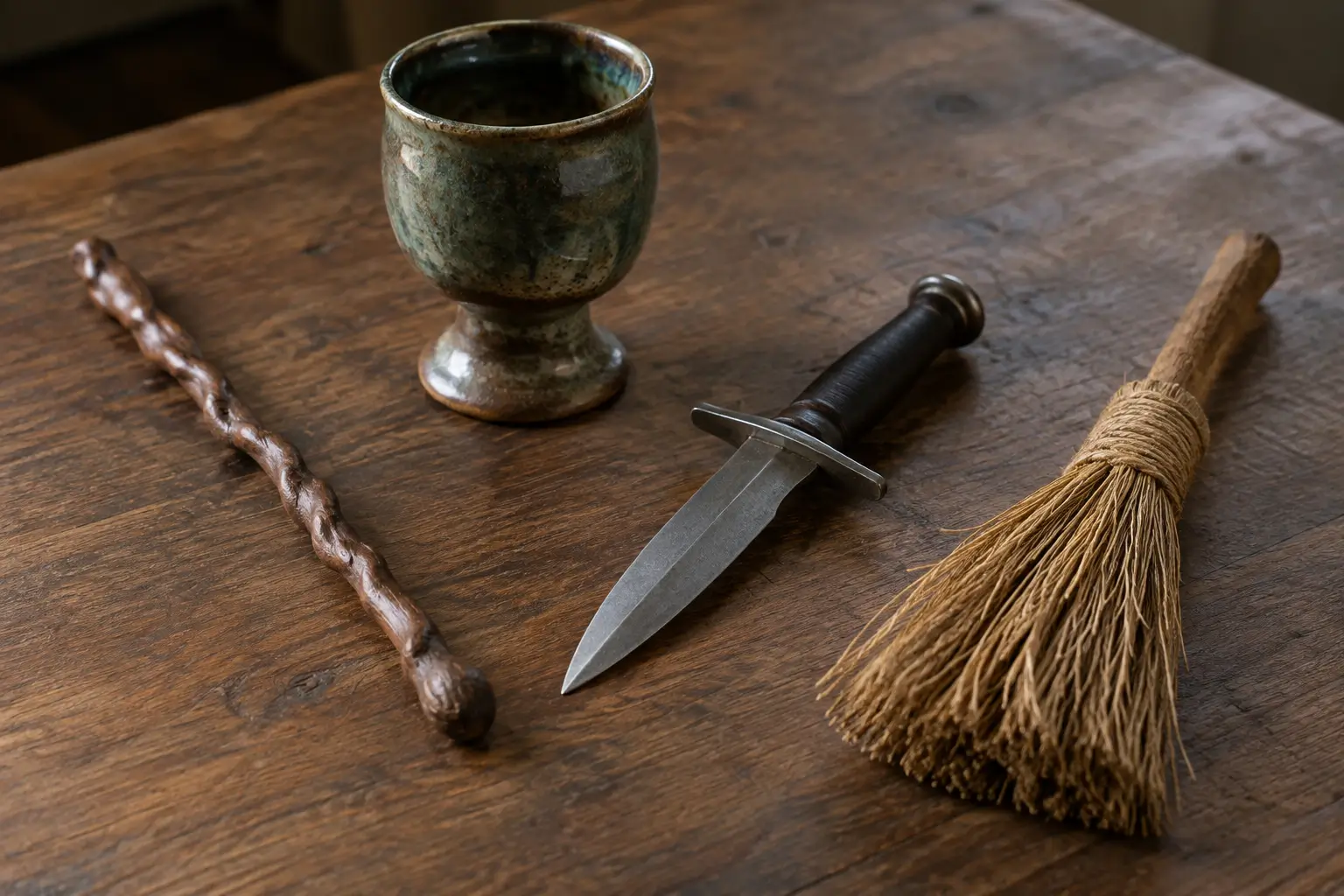
Understand why Wiccan tool lists may contain eight, nine, or 13 items, how wording changes the count, and which tools or substitutions the cited evidence supports.
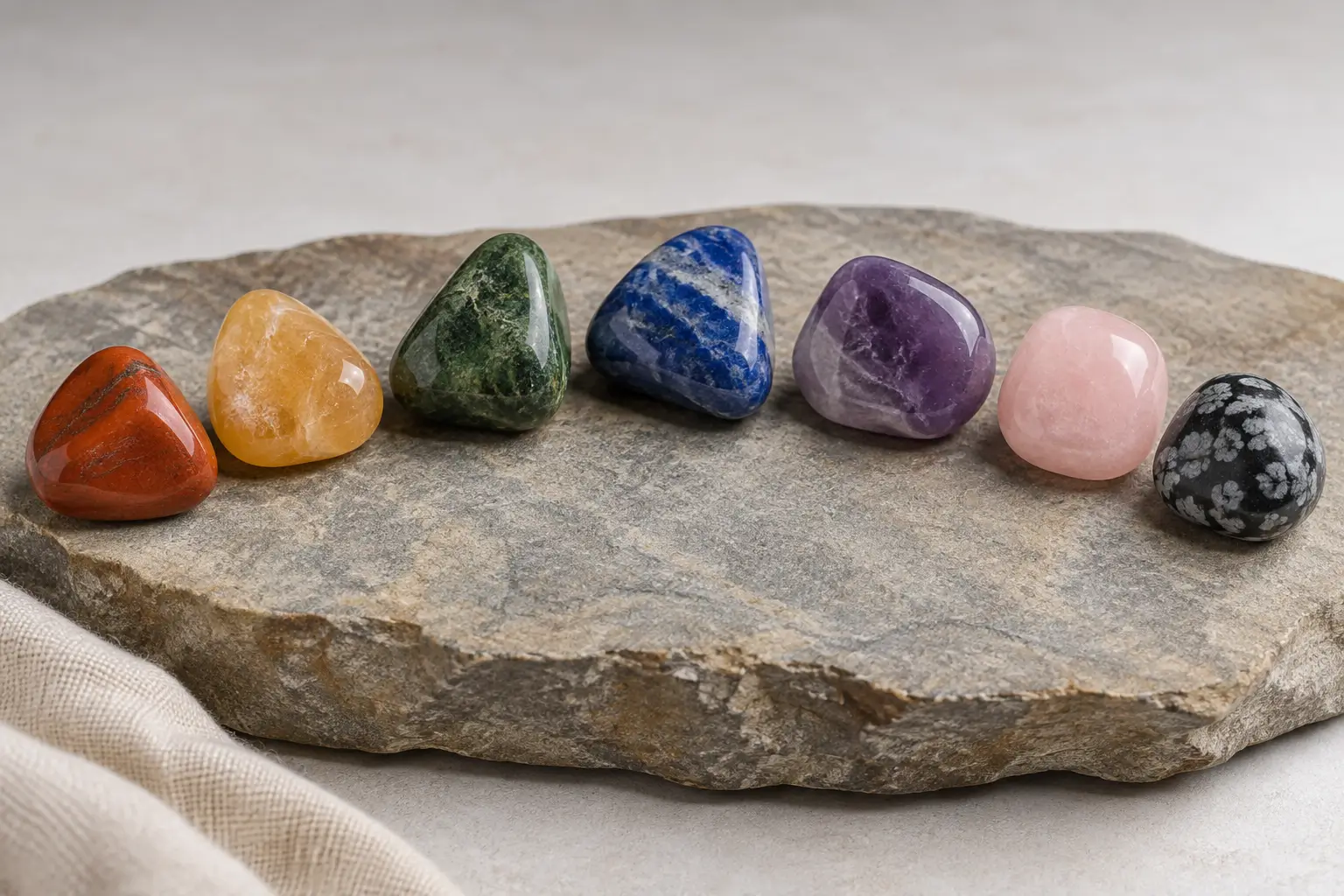
Learn how to plan, select, label, care for, and use a seven-stone chakra set while distinguishing historical traditions from personal symbolic associations.
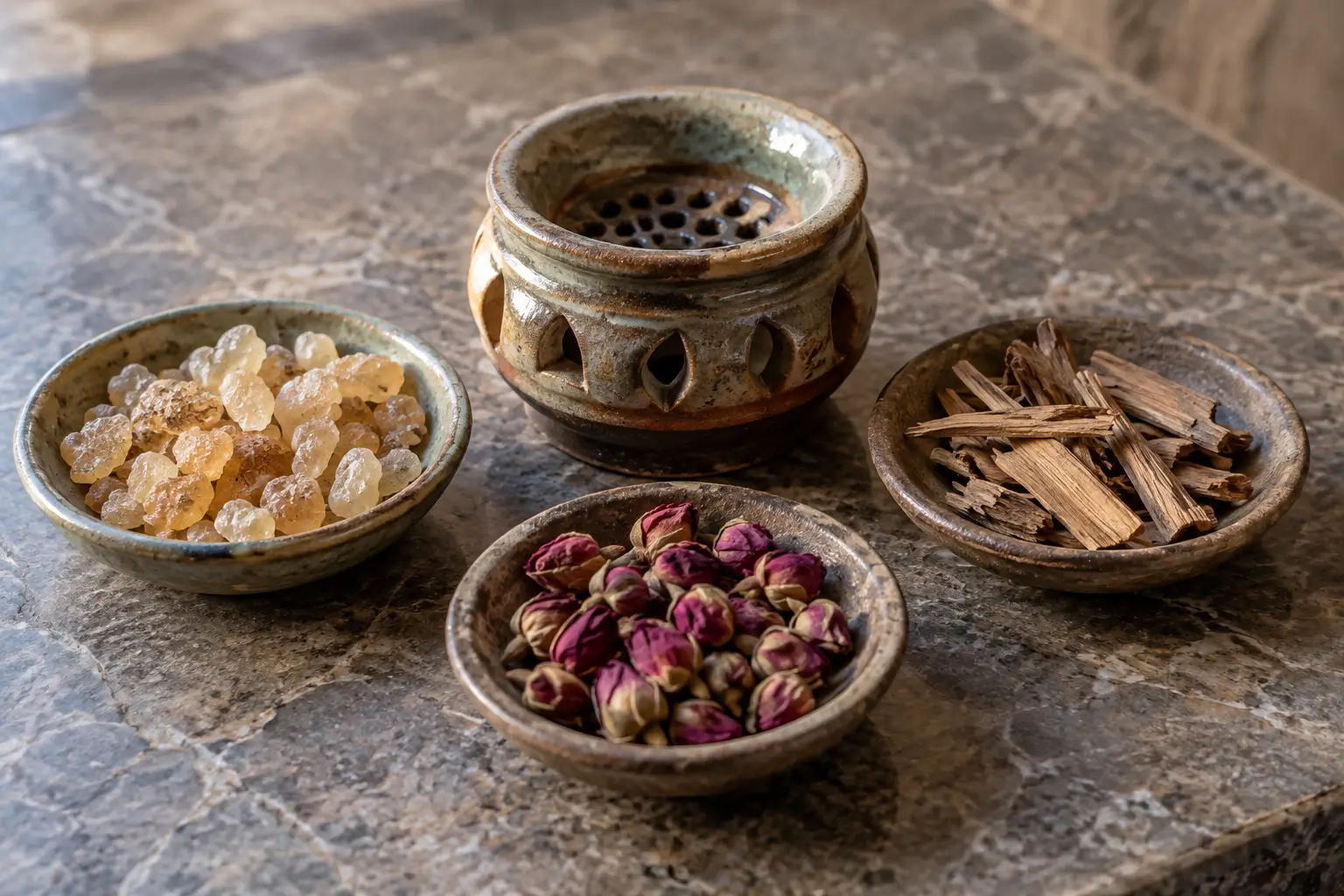
Compare 20 common resins, woods, herbs, florals, and spices by aroma, cultural context, ingredients, burn form, and safety needs to choose an incense suited to your space and purpose.
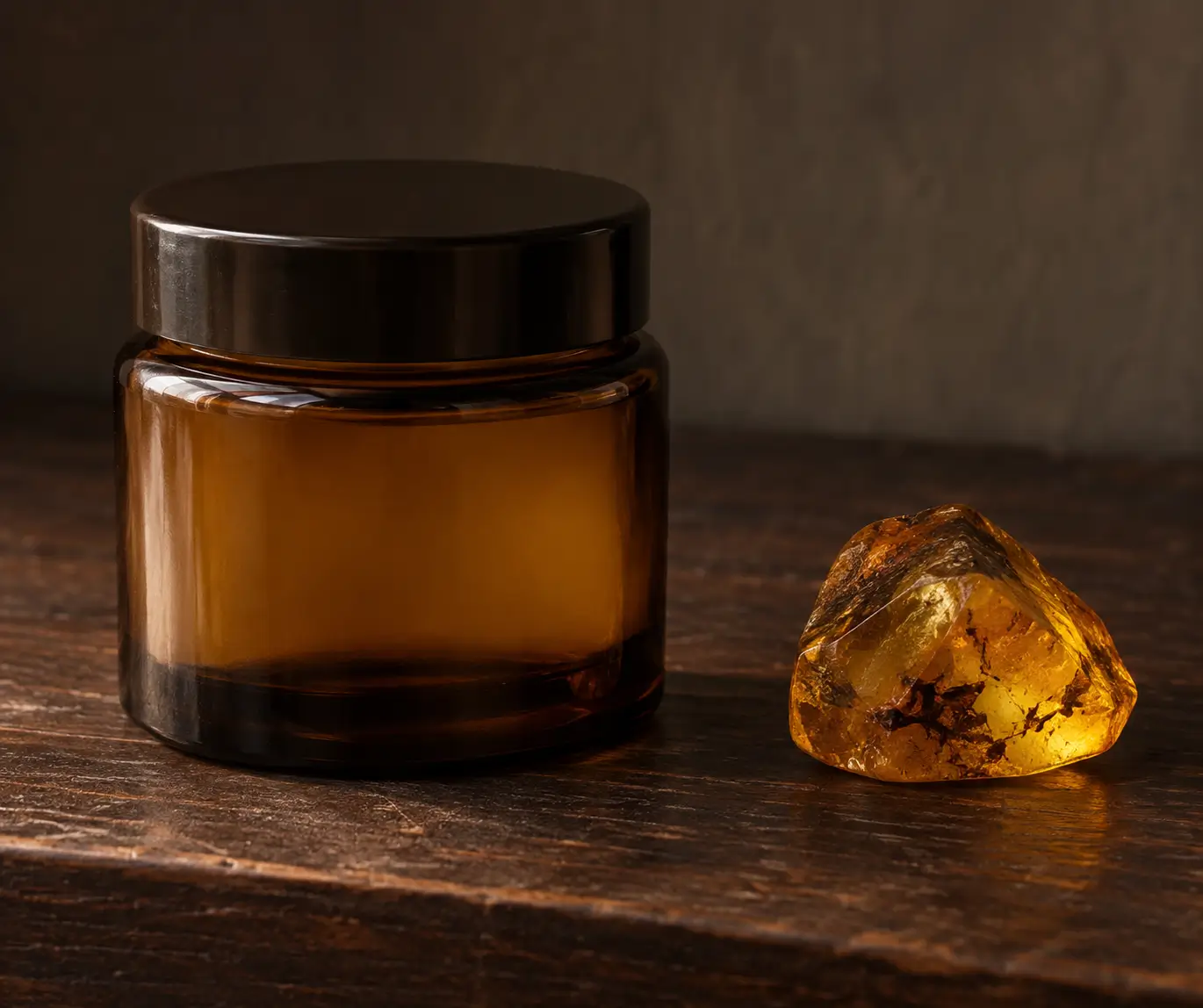
Understand the differences between fossil amber, animal-derived ambergris, and modern amber accords, and learn what to ask sellers before choosing a perfume, incense, or altar fragrance.
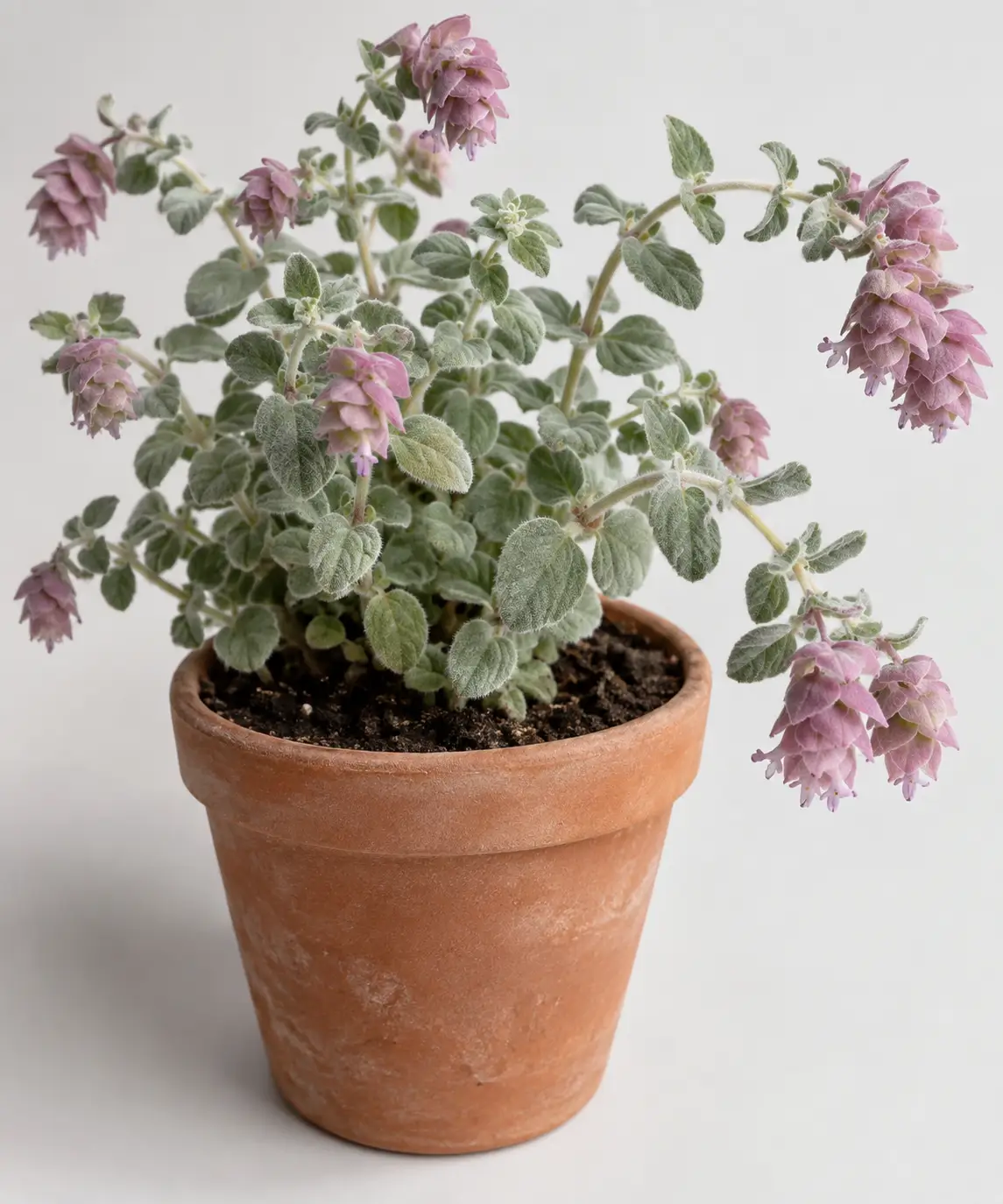
Learn how to identify dittany of Crete, understand its ancient legends and occult symbolism, and evaluate sourcing claims without confusing tradition with proven effects.