Leather Journals Using And Caring For Your Handmade Book
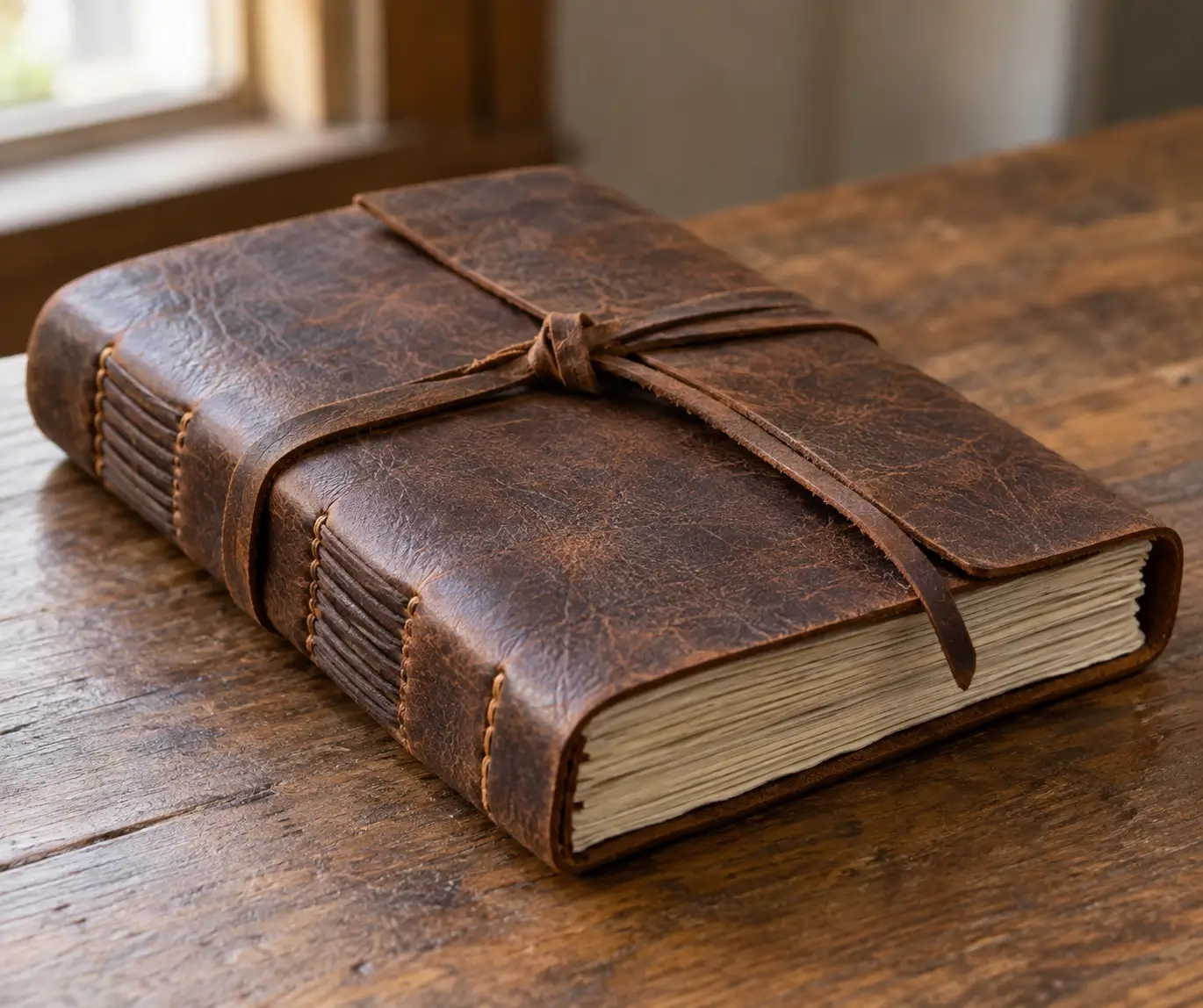
Learn how to handle, write in, store, and protect a handmade leather journal, including which repair methods and leather treatments to avoid when damage appears.

Learn how to handle, write in, store, and protect a handmade leather journal, including which repair methods and leather treatments to avoid when damage appears.
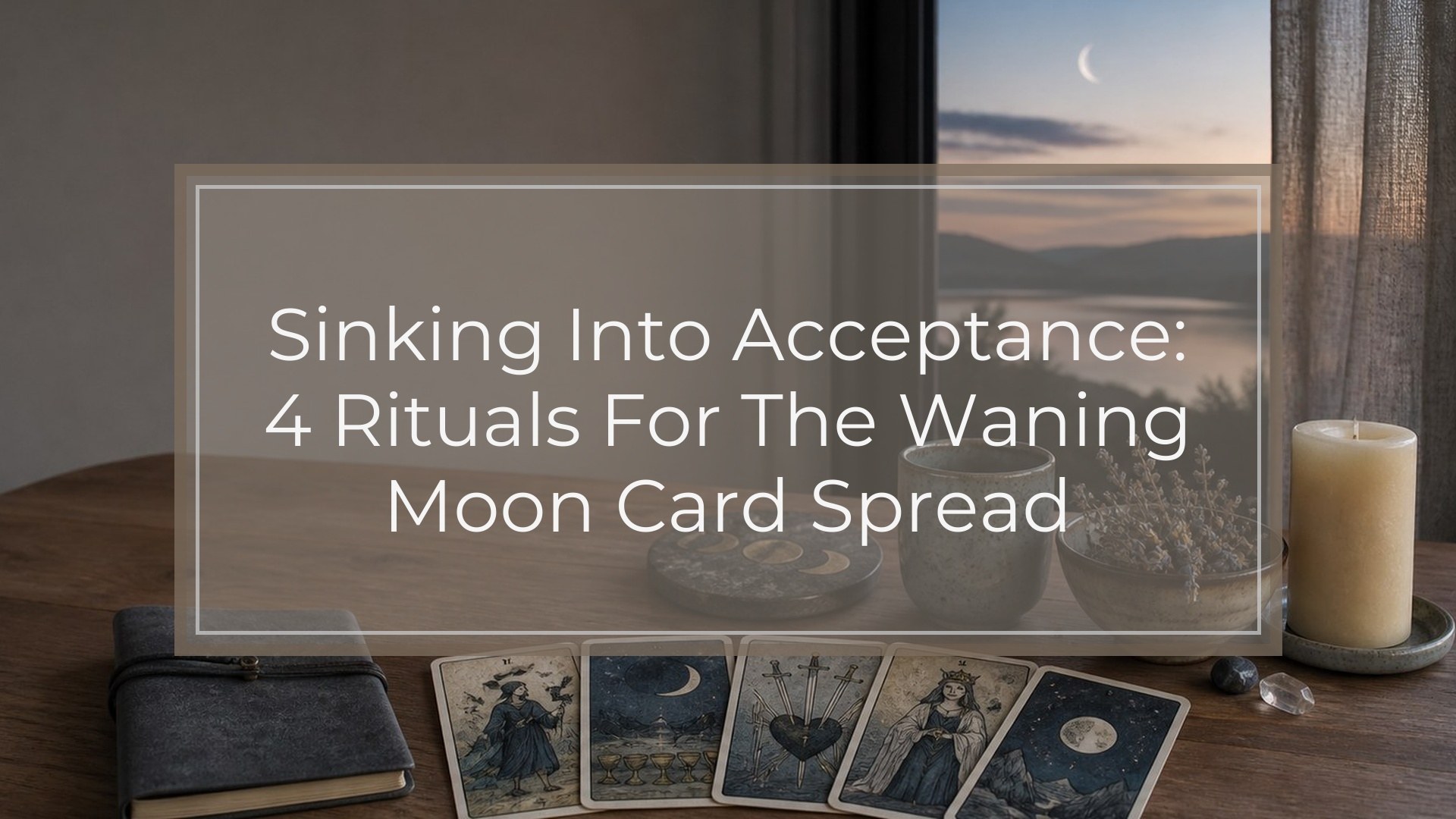
This waning moon card spread is a gentle way to sink into acceptance without pretending you are “over it” before you are ready. It combines four cards with four simple rituals: grounding, naming, releasing, and integrating. You can use tarot, oracle cards, ancestor message cards, or any deck you trust. The goal is not to … Read more

Sagittarius season is the period of the year when the Sun moves through the zodiac sign of Sagittarius, usually from late November to late December. Spiritually, many people interpret this season as a time of expansion, truth-seeking, movement, study, faith, and wider vision. In ritual practice, it can support reflection on where you are going, … Read more
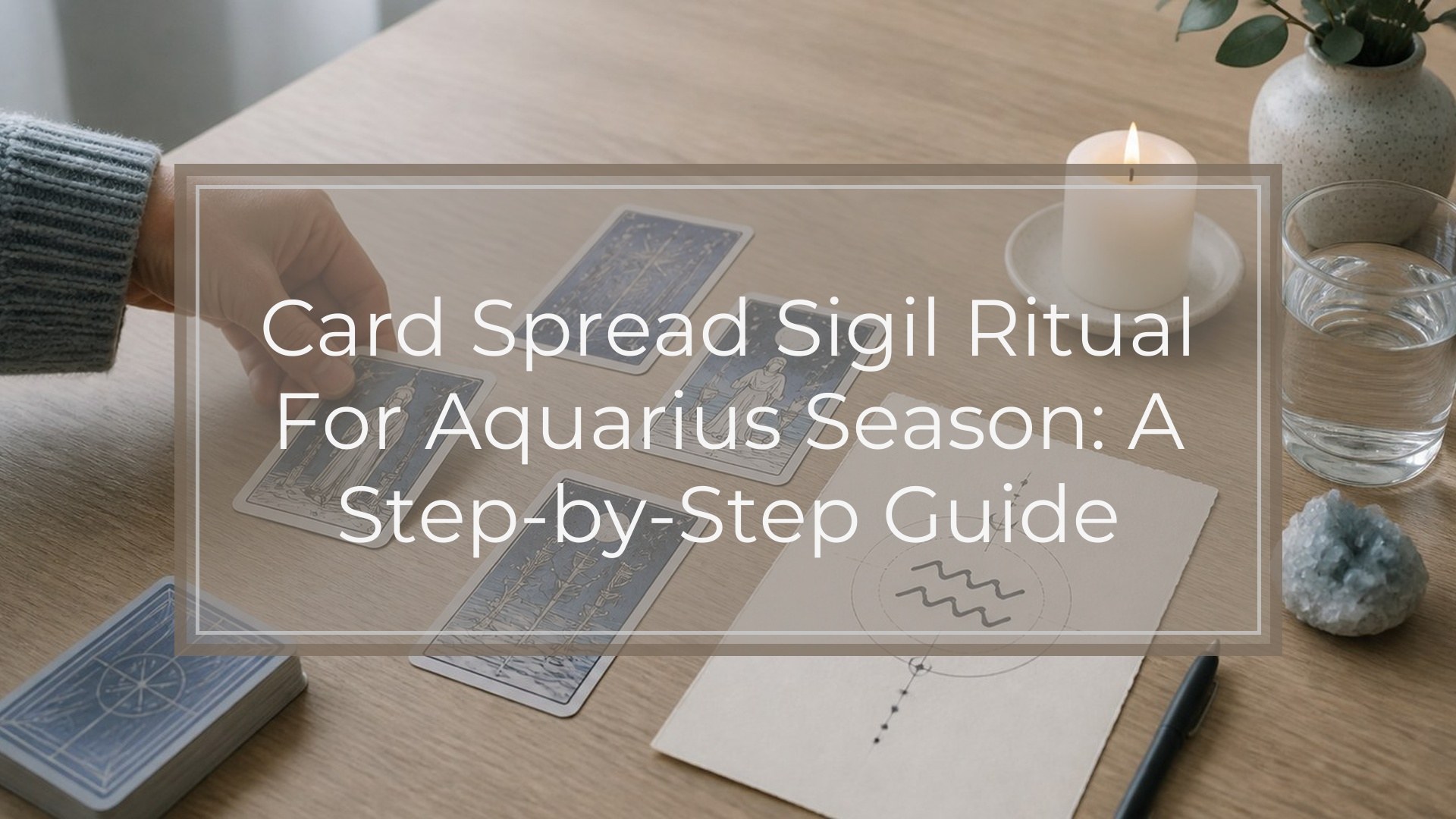
This Aquarius season sigil ritual combines a short tarot or oracle card spread with a simple act of sigil magic. It is best done during Aquarius season, on a new moon or waxing moon, or whenever you feel ready to clarify your future direction. The ritual is designed for liberation, community-minded vision, creative problem-solving, and … Read more
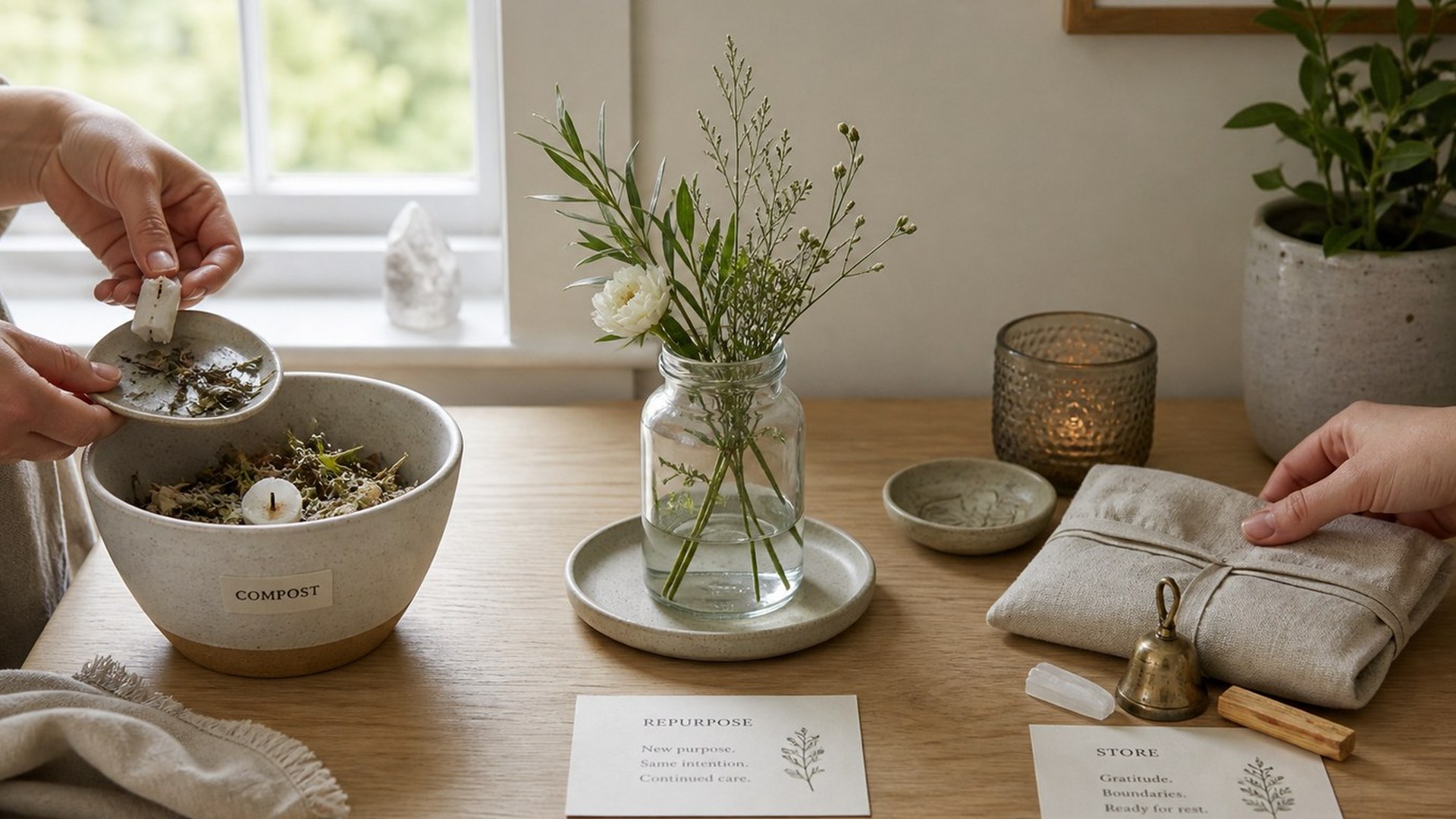
When a spell, ancestor offering, altar working, or home ritual is complete, your next task is to close the work with care. Most ritual remains can be handled in one of three ways: release them, repurpose them, or retire them. Release items that carried away a burden or completed a petition. Repurpose durable objects that … Read more
A dreamwork ritual for Pisces season card spread helps you enter sleep with a clear spiritual question, invite intuitive guidance, and record what comes through without forcing meaning too quickly. Pisces season is often associated with dreams, symbols, compassion, memory, and porous spiritual awareness, making it a useful time for gentle nighttime ritual. This practice … Read more

The 3 daily actions to improve your intuition are quiet listening, written tracking, and ritual confirmation. Quiet listening helps you separate inner guidance from mental noise. Journaling makes your impressions measurable instead of vague. A small daily ritual, especially at an ancestor altar, gives your intuition a grounded spiritual container. This practice does not require … Read more
This card spread and ritual for Taurus season helps you slow down, listen to your body, honor your ancestors, and choose practical next steps for stability, nourishment, money, home, and self-worth. Taurus season is earthy and steady, so this ritual works best when you want grounding rather than speed: rebuilding routines, tending your altar, clarifying … Read more
A card spread and ritual for Gemini season should help you listen clearly, sort mixed messages, and choose what deserves your voice. Set a simple ritual space, invite your guides or ancestors if that is part of your practice, pull cards around curiosity, communication, choice, and integration, then close with one grounded action. Gemini season … Read more
A card spread and water ritual for Cancer season is a simple home practice for emotional reflection, cleansing, protection, and reconnecting with what feels nourishing. You can do it anytime during Cancer season, especially at the new moon, full moon, after an emotional week, or when tending an ancestor altar. You will need a tarot … Read more