
Start with the Space You Have
A home altar can be a modest personal place for objects that help you pause and focus. In a tiny room, it need not be a separate piece of furniture or a prescribed arrangement. What belongs there depends on your practice and circumstances, not on a universal item list, direction, or promised spiritual effect.
Begin by choosing between two workable outcomes. A fixed setup stays in a small, protected spot. A packaway setup comes out when you want to use it and returns to storage afterward. Neither requires a dedicated room or a flame. The aim is to make a place you can approach, use, and care for within the space you have.
Find a Footprint That Works in Daily Life
Before choosing objects, watch how the room works on an ordinary day. Which edges of a table or shelf get bumped as people pass? Where do other people set down bags, drinks, or work? If a surface must be cleared for meals or other activities, plan for a setup you can move rather than counting on that space remaining available.
Look for a footprint outside routine traffic but still comfortable to approach. Check what is above and around it, too. Water or strong direct sun may damage some objects; consider another location if your chosen contents would be vulnerable. A windowsill may look convenient, for example, but whether its sunlight suits your objects matters more than how neatly they fit.
Test the spot before committing. Stand or sit where you would use the altar, then reach toward each part of the proposed footprint. Can you get to it without shifting books, reaching across someone else’s belongings, or blocking the room’s usual use? You can use an empty tray or your intended base to see how much room the setup would take. If access feels awkward, try a smaller footprint or another location now; adding objects will not make it easier.
Choose a Fixed or Packaway Format
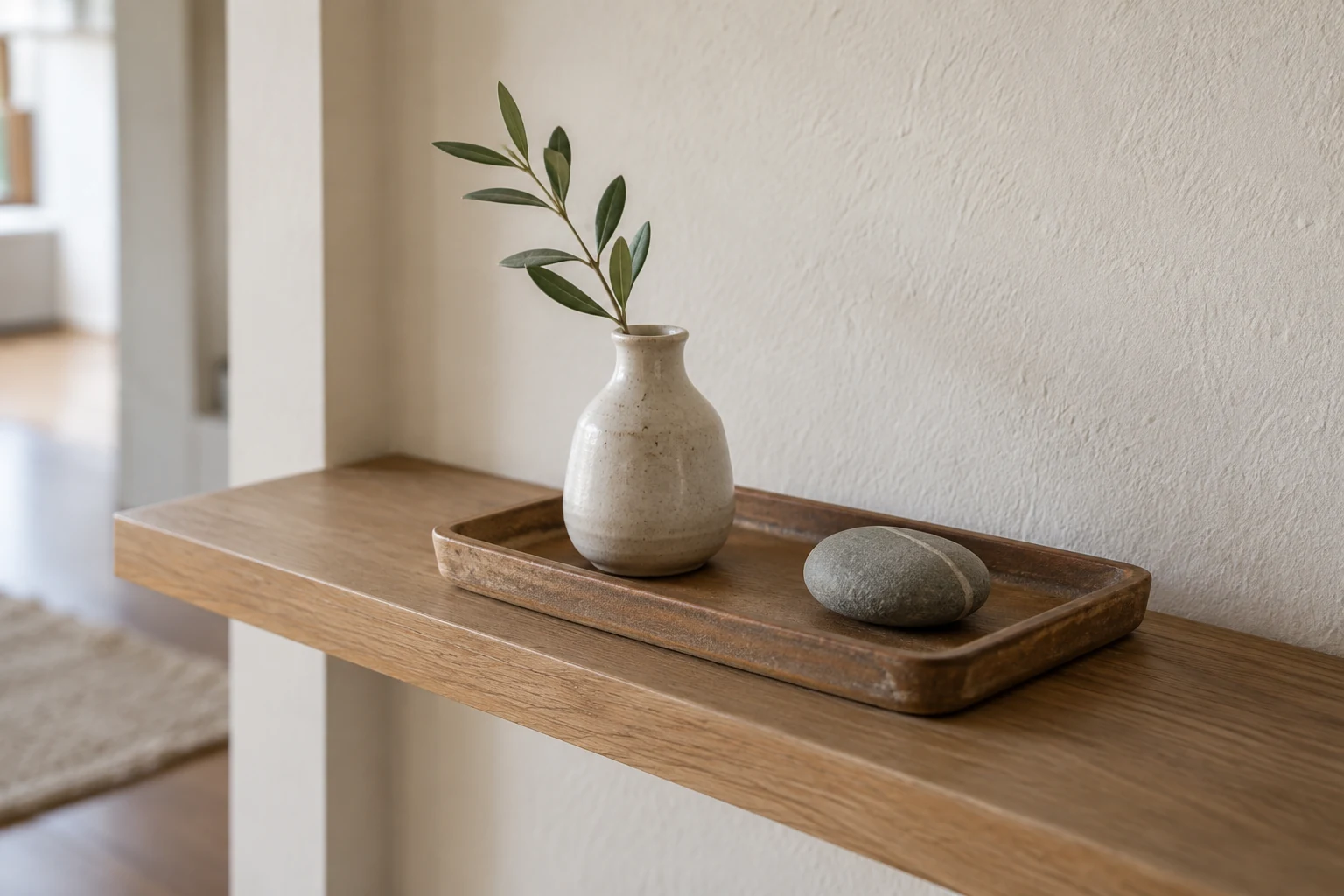
A small shelf, stool, or tray can serve as a compact fixed base when its spot can remain dedicated. A stool and tray are one example of an arrangement that stays in place. Choose this format if you can approach it without repeatedly moving household items and its contents can remain undisturbed between uses.
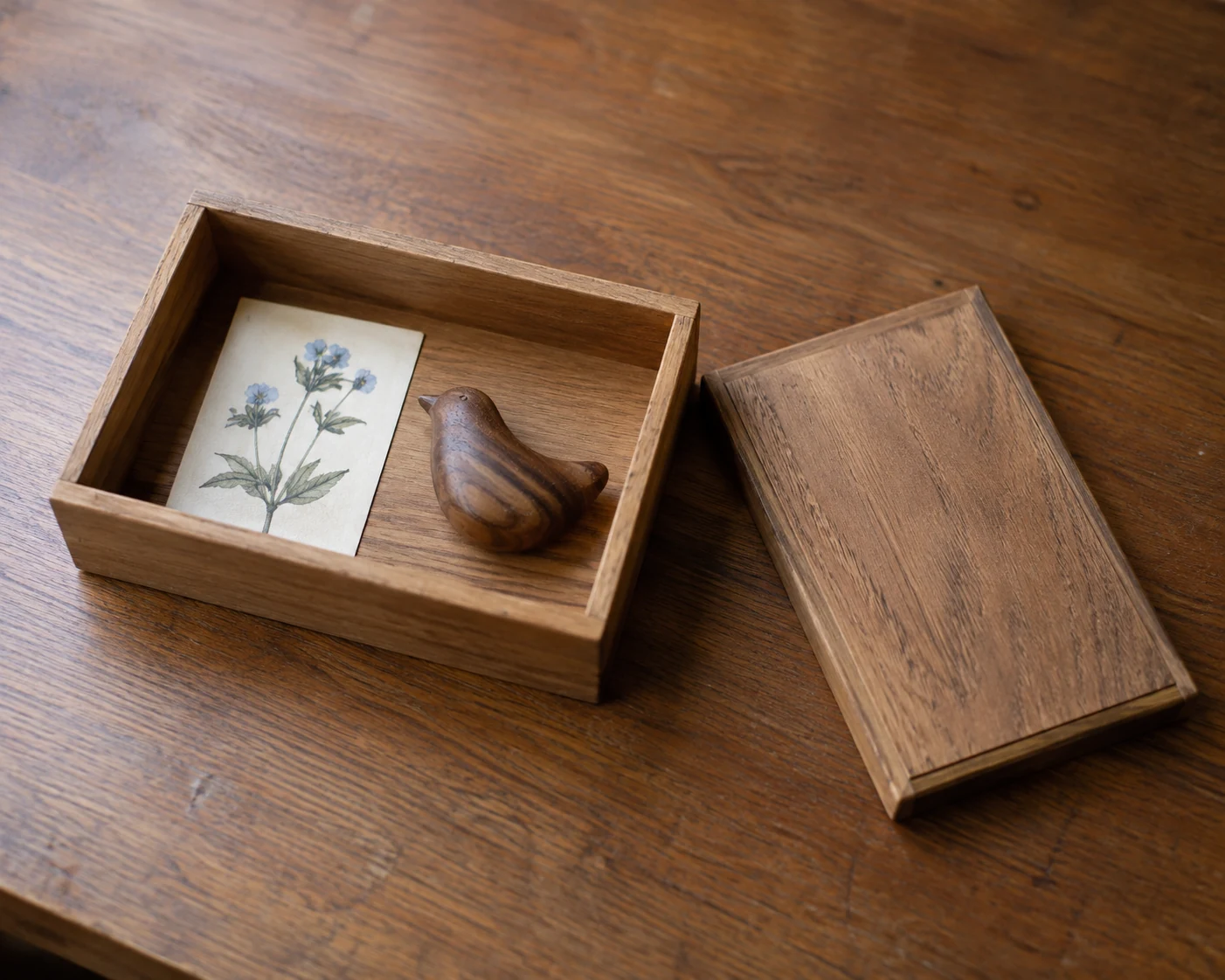
If the only available surface is shared, a movable tray or closeable box may work better. Portable arrangements can be stored away, and trays and small boxes are both described as portable options. A tray lets you bring an arrangement to a table and lift it away again. With a box, you can take out what you need for use, then collect it when the surface must return to another purpose.
Choose a base by trying the whole movement, not just checking whether the objects fit. Can you lift and carry it comfortably? Is there a storage spot you can reach? Will you have room to open a box and set out its contents? A drawer can be a storage spot if the arrangement fits and can be taken out for use. The drawer is not the place to use it with a lit candle. If even a small base is inconvenient to retrieve, reconsider what you plan to keep on it or where you store it.
Select What Deserves the Limited Room
Start with one focus that matters to you. It might be a photo or image, a plant, or a stone—examples of possible personal objects, not requirements. You might choose something that recalls a person, supports reflection, or helps you settle your attention. Let your own tradition and intentions guide that choice; the same object need not mean the same thing to everyone.
Put the focus on the empty base before deciding what else belongs. Add another object only if it serves your practice and leaves the first one easy to see and handle. Meaningful items that fit comfortably are more usable than a collection squeezed together to fill the surface. Small-space guidance likewise emphasizes personal significance and avoiding crowding.
Check fit with your hands as well as your eyes. Can you lift each object and replace it without nudging another? Can you see what you came to use without rearranging everything first? If not, set an item aside for another time. Keeping it elsewhere does not make it less meaningful. There is no required object count, orientation, or spiritual result that a tiny altar must meet.
Arrange It so It Stays Usable
Set the empty base in the spot you tested. If you chose a packaway format, set it on the surface where you expect to use it, rather than arranging it only where it will be stored. Place your chosen focus first, then add any companions one at a time. Try positions that let the objects sit within the base and leave your hands room to move; you do not need to commit to a pattern.
Now check the arrangement as you would use it. Is the base steady where it rests? Do the objects sit steadily on it? Reach for each one, lift it, and put it back. Notice whether your hand catches an edge or replacing one item upsets another. For a movable base, also check whether you can pick it up and set it down without the contents becoming difficult to manage.
If anything feels precarious, reposition an object or remove it and repeat the check. An empty patch is useful working room, not a gap you have to fill. These changes are reversible: the arrangement is ready when it remains steady and accessible in the place where you will actually use it.
Decide Whether to Add Light
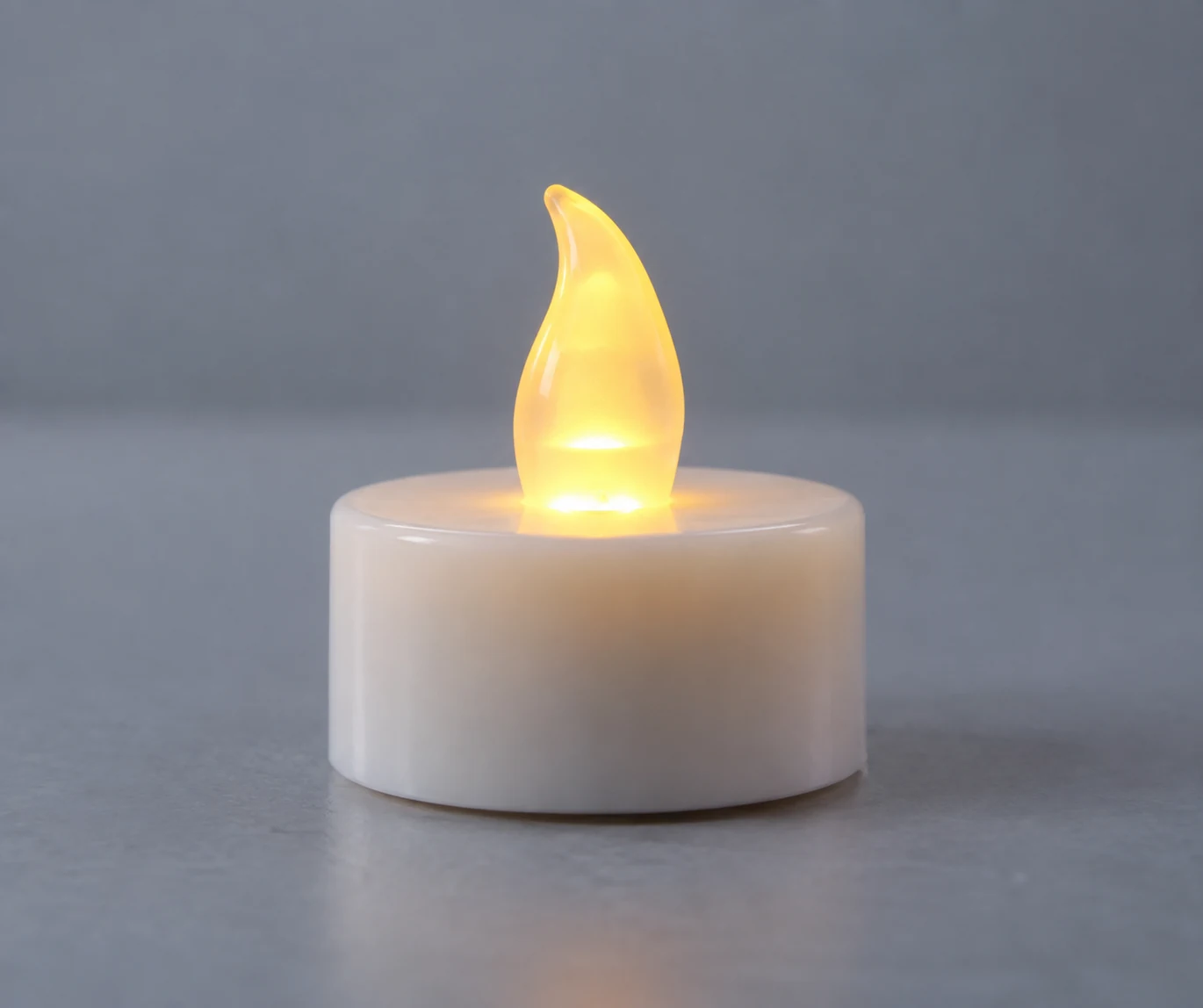
Light is optional. You can use the arrangement without it, or choose a battery-operated flameless candle if you want a point of light. The US Fire Administration recommends flameless candles as an alternative. Choose that option when flames are prohibited or you cannot be sure a candle has enough clearance.
Do not plan to use a lit candle inside a box or drawer, on an enclosed shelf, or in a crowded arrangement. A closeable base can hold your objects in storage; its interior is not a place for a flame. Do not seek a tighter spot beside cloth or where someone may sleep just to make a candle fit.
Before lighting an optional candle, make sure it is in a stable holder and the lit candle will be at least 12 inches from anything combustible. If either condition is uncertain, use a battery light instead. If flames are allowed and those conditions are met, you may light the candle while you use the setup. Blow it out when you leave the room.
Use the Setup in Its Chosen Format
With a fixed setup, approach it where it stands. You might pause with the object you chose as your focus, or use the space in a way that fits your tradition. Afterward, leave the objects accessible in their tested positions. Everyday use should not require rebuilding the arrangement each time.
With a packaway setup, bring the tray or box to the surface you chose. Open the box or set out the tray’s contents so you can reach them comfortably. Take whatever brief time you intended for personal use; there is no need to adopt a particular ritual. Then collect the objects, close the box if you use one, and return the base to storage. The shared surface is available for its usual purpose again.
If setting up or putting away regularly feels burdensome, notice which part causes trouble. A closer storage spot, fewer objects to handle, or a tray that keeps the arrangement together may make the format easier to use.
Maintain What You Can Still Use
Dust the base and its objects regularly; keeping an altar free of dust is a straightforward upkeep practice. As you do, look for signs that water or sun exposure is affecting anything you keep there. If a spot is causing damage, move the vulnerable object or reconsider the spot rather than treating the original placement as permanent.
Your focus and available space may change. Rotate an object out when it no longer serves what you want to do there, or remove one if the room you can spare gets smaller. Rotating a few items as focus changes is one approach to a compact arrangement. After any change, check that you can still reach and replace each object comfortably. Upkeep is about keeping the place usable, not growing the collection.
Adjust When the Room Pushes Back
A setup that looked good at first may prove inconvenient in daily life. If it gets bumped or disturbed, try a less-used spot; if no protected spot exists, change to a packaway base. If a shared surface must always be cleared, bring the arrangement out only for use rather than treating it as a fixed location.
If handling the objects feels crowded, remove one and test the remaining arrangement. If a shared room does not permit flame, choose no light or a battery light rather than trying to fit a lit candle into a smaller place. Each change addresses a problem you can observe; none requires a larger room.
Know When It Is Enough
The arrangement is complete when its meaningful contents fit steadily, you can reach them for use, and the setup can stay out or be put away as the room requires. It needs no fixed geometry or promised effect to be useful to you.