
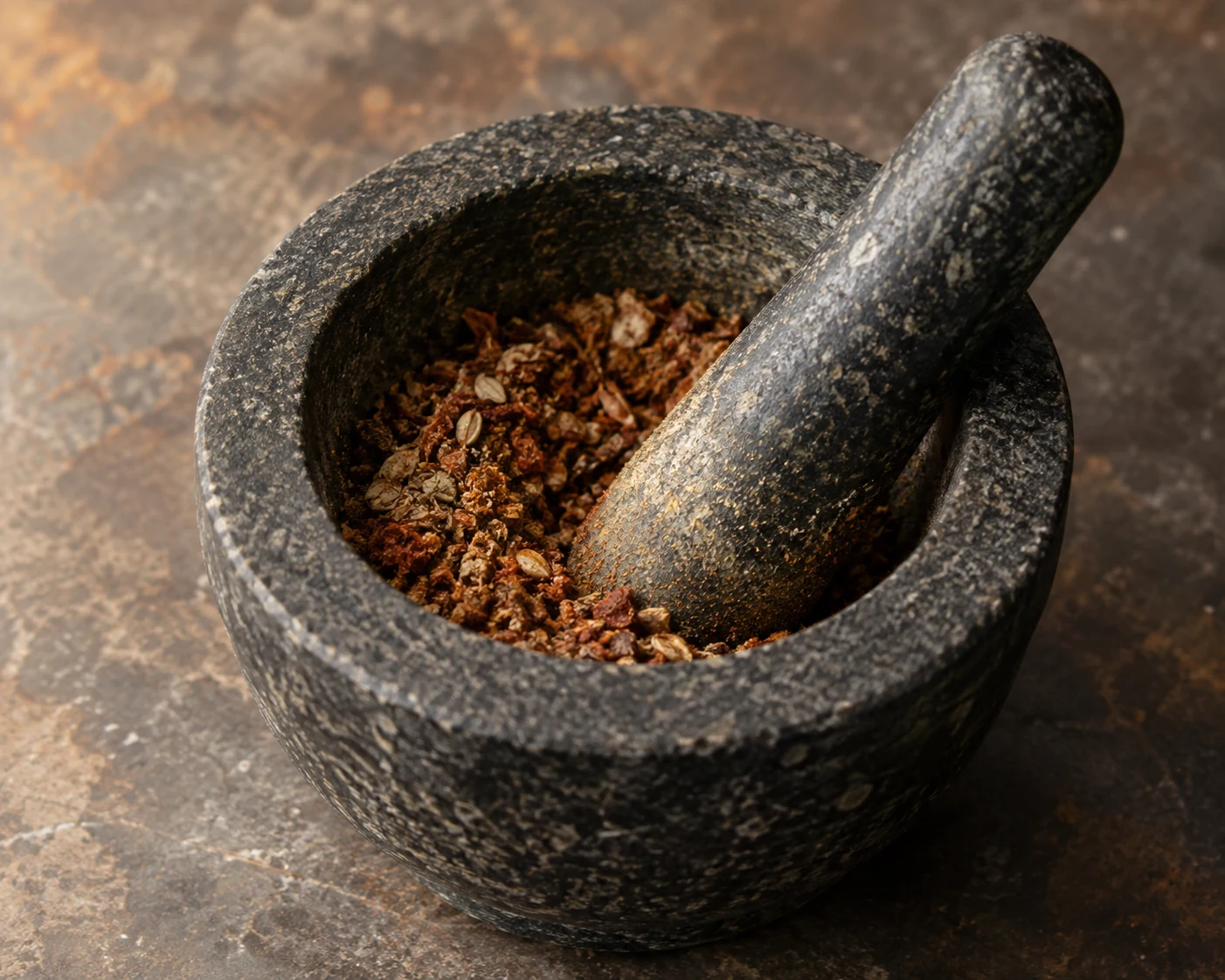
What Culinary Magic Means in This Kitchen
In Astrid’s modern account of kitchen witchery, ordinary cooking can become an intentional practice through attention, a chosen purpose, and time spent with the task. It does not require rare ingredients. Her account describes a way to experience cooking, not evidence that a seasoning will produce a particular outcome.
You can bring that attention to a vegetable dish: notice the aromas, choose what matters to you, and taste as you cook. Or you can simply make dinner. The meal can be meaningful without promising a magical result or a cure. Astrid herself distinguishes care expressed through cooking from curing someone’s heartbreak.
The carrots and zucchini below are a current, author-organized example, not an inherited ritual. The seasoning formula and starting quantity come from Utah State University; the skillet method is one practical way to use them.
Choose Vegetables and Food-grade Seasonings
For a small, same-day dish, measure 2 cups of cut vegetables: 1 cup carrots and 1 cup zucchini. Aim for a savory, gently herbal flavor that leaves room for the vegetables themselves. You will also need a little ordinary cooking oil, the seasoning blend below, and, if you like, salt to taste. Choose the ingredients for a meal first; symbolism does not have to decide what goes into the pan.
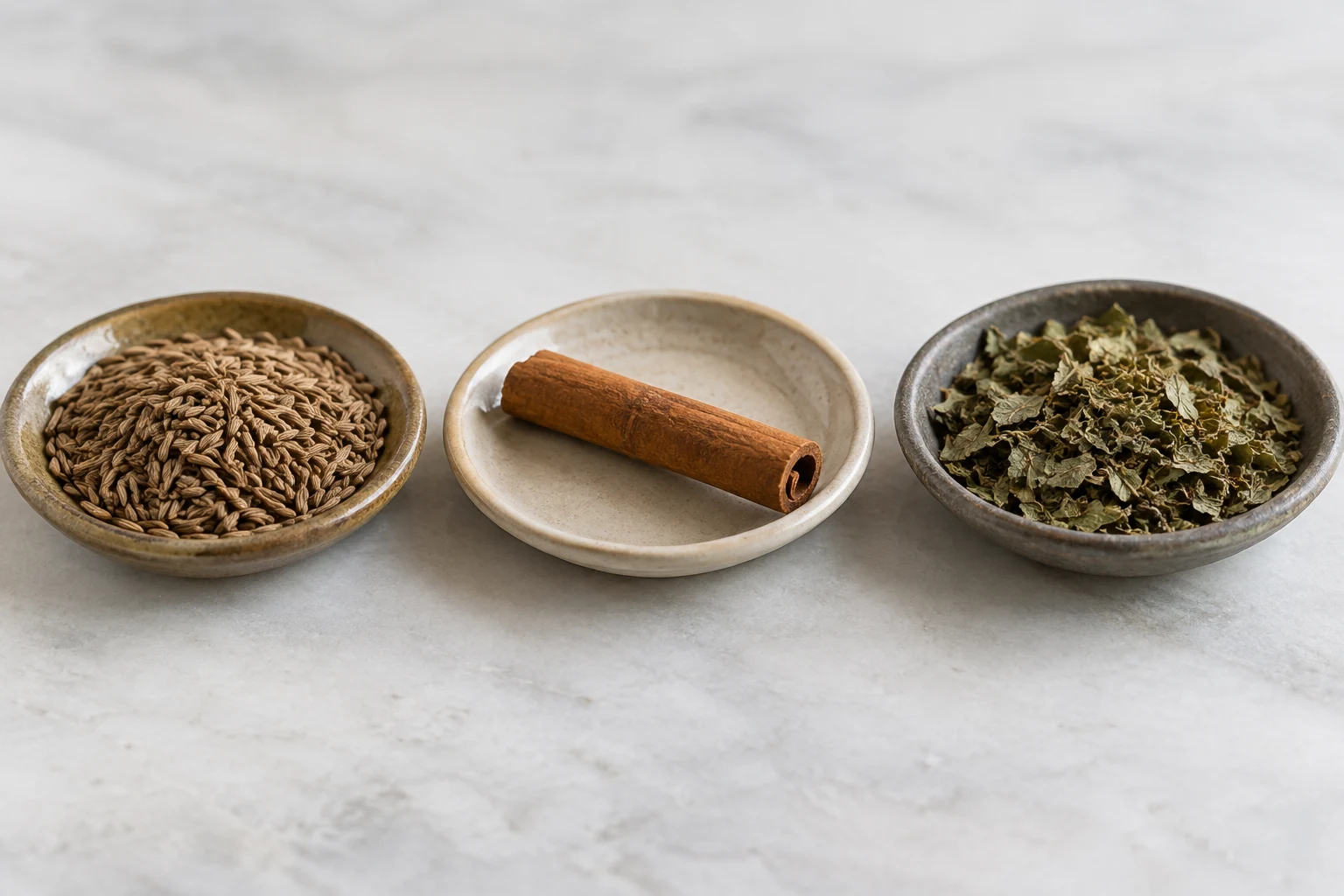
Use food-grade ingredients sold for cooking. Leave ritual-only oils, nonfood materials, and botanicals you cannot identify out of the meal. A possible personal meaning does not make an ingredient suitable to eat.
Utah State University gives a useful general distinction: spices come from parts such as roots, bark, or seeds, while herbs are leaves. In this blend, celery seed is the spice; basil and marjoram are herbs. All three have the same immediate job here: seasoning the vegetables.
Check what is already in your pantry before measuring. Open each container, smell its contents, and look at the color. Herbs and spices lose aroma and color with age. If a jar smells faint or looks faded, its contents may give you less flavor than you expect. That makes tasting the cooked dish especially useful: the suggested starting amount will not taste identical with every set of jars.
Choose a Meaning, If One Matters to You
Astrid associates cinnamon with prosperity and warmth in her own practice. That is an example of a personal correspondence—a meaning someone connects with an ingredient—not a universal rule about cinnamon or a physically established effect of eating it. Astrid encourages readers to notice foods that mean something to them rather than memorize a table of associations.
You can make that choice using something already in this meal. Perhaps carrots remind you of someone who taught you to cook them. Perhaps the scent of basil makes an ordinary evening feel welcoming. You might choose the simple act of preparing dinner as a chance to slow down. Those meanings come from your experience; another cook need not share them, and you need not explain them to anyone eating with you.
You do not need to add cinnamon to demonstrate the idea. Celery seed, basil, and marjoram were selected for the savory flavor of this dish. If cinnamon does not suit the meal you want, leave it out. If no ingredient suggests a meaning, skip this choice altogether. A personal association can shape how you pay attention without becoming another ingredient or a claim about what the finished meal will do.
Smell and Mix the Seasoning
Utah State University’s all-purpose blend uses 1 teaspoon celery seed, 1 tablespoon basil, and 1 tablespoon marjoram. Its suggested starting quantity is ½ teaspoon of the mixed blend per 2 cups of vegetables—the amount of carrots and zucchini in this example. The formula makes more than you need today.
Set out measuring spoons and a small, dry bowl. Smell the food-grade celery seed, basil, and marjoram separately before combining them. Notice which aroma is strongest and whether any ingredient smells especially faint. If the herbs have settled into clumps, break them up gently with your fingers or a spoon so they will mix evenly.
Measure the three ingredients into the bowl, stir them together, and smell the finished blend. This tells you what the dry mixture is like; you will judge its flavor after it meets the cooked vegetables. Scoop out ½ teaspoon for the pan and set the rest aside.
You do not have to grind every ingredient. Utah State University suggests buying some whole seasonings, such as cumin or peppercorns, and grinding them as needed for freshness. That is an optional pantry practice, not a requirement for this celery seed, basil, and marjoram formula. Mixing the measured ingredients is enough to proceed.
Make a Brief Pause Optional
If you want to attach an intention to the meal, give it a brief, definite place. Before handling the ingredients, wash your hands and treat that ordinary action as a transition into cooking. Astrid describes deliberate hand-washing as one way to begin her practice. Alternatively, pause just before serving. Neither pause is required to make the dish.
Use words that reflect something you have chosen for yourself. You might say, “I want to make a welcoming meal and pay attention while I prepare it.” If the carrots bring back a memory, you might say, “I’m making time for that memory tonight.” These are statements of purpose, not promises that the words will change the food’s effects or someone else’s circumstances.
Then let the pause end. If you paused at the sink, return to cooking; if you paused at the table, serve the meal. There is no repeated action to complete.
Cook the Vegetables and Adjust the Flavor
Have ready 1 cup sliced carrots, 1 cup cut zucchini, ½ teaspoon of the mixed seasoning, a little cooking oil, and optional salt. Slice the carrots thinly and fairly evenly so they can begin softening before the zucchini is done. Cut the zucchini into bite-size pieces.
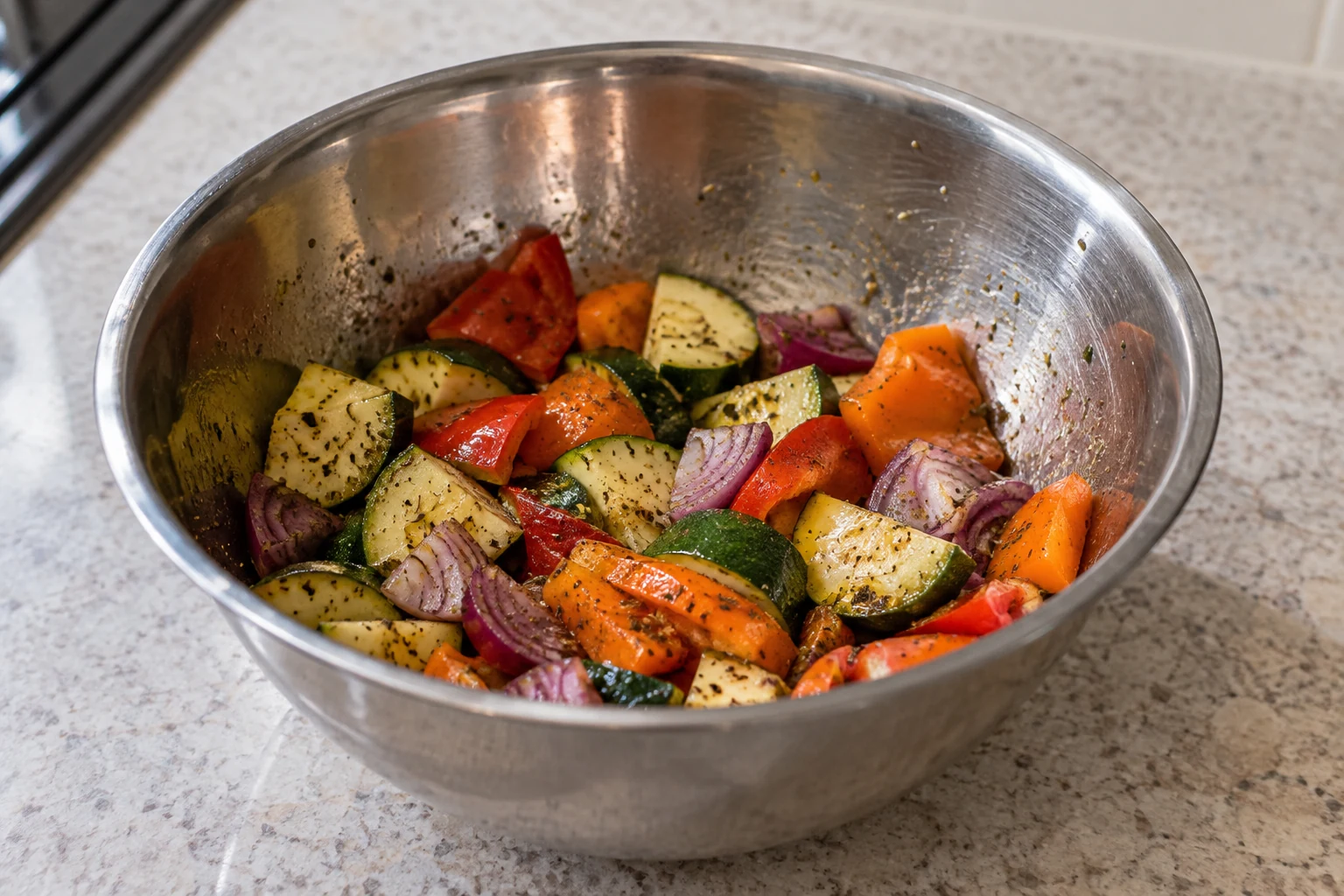
Heat a skillet over medium heat and add a little oil. Add the carrots and cook, stirring occasionally, until they begin to soften, about 4–5 minutes. Add the zucchini and cook for another 4–6 minutes, stirring as needed, until both vegetables are as tender as you like. If they begin to stick before they are done, add a small splash of water and continue cooking.
Sprinkle the measured ½ teaspoon of blend over the vegetables. Stir to distribute it rather than leaving it in one spot, then cook briefly while stirring. Take a bite that includes both carrot and zucchini. Taste the cooked food, not just the dry seasoning: the vegetables and oil are part of what you will eat. Astrid likewise describes tasting as part of checking and adjusting what she cooks.
Decide what the dish needs:
- If the flavor suits you, stop. Add salt if you want it, and serve.
- If the seasoning is too mild, add a small pinch more blend. Stir, taste another bite, and add more only if needed. Small additions are easier to judge.
- If the seasoning is too strong, add unseasoned food rather than more blend. Cook some additional carrots or zucchini without seasoning, mix them into the pan, and taste again. This spreads the seasoning across more vegetables; it does not remove what you already added.
The suggested ½ teaspoon gives you a place to start, while tasting lets you account for your pantry ingredients and preferences. For a larger pan, keep the same starting relationship: 1 teaspoon of blend for 4 cups of vegetables, then taste before adding more. If the dry herbs smelled faint before cooking and the finished dish still tastes flat, replace those old seasonings before your next attempt instead of treating ever-larger amounts as a fixed cure. Cooking time also changes with the size of the pieces and your stove, so tenderness and taste matter more than the example minutes. Once the vegetables taste good to you, serve them as part of an ordinary meal.
Describe the Dish Without Claiming a Whole Tradition
A plain description is often the most accurate: “carrots and zucchini with celery seed, basil, and marjoram.” It tells someone what they are likely to taste without assigning the dish an origin it has not earned.
That precision matters when using language associated with cuisines. In a Smithsonian account, Kenoyer explains that no single cooking tradition characterizes all of South Asia; regional and community traditions are more precise points of reference. He also notes that different spice combinations suit different foods. A home blend, however enjoyable, does not represent a whole cuisine.
There is no need to give this dish an invented ethnic name or call it an authentic version of something else. Share what you cooked and how you seasoned it. If you attached a personal meaning, describe it as your reason for making the meal, not as a claim about a community’s tradition.
Keep the Leftover Blend for Another Meal, Not a Preserve
Put the unused dry seasoning in an airtight container for another meal. Utah State University advises storing mixed blends airtight. Smell it again before its next use; its aroma may fade with age, so taste that next dish before deciding whether it needs more.
Flavoring and preserving are different jobs. Minnesota Extension notes that herbs and spices can flavor pickled produce, but pickling preservation depends on adequate acidification. If you later want shelf-stable pickles, follow a research-based preservation recipe rather than adapting this skillet dish or assuming its spices make a jar safe to store.
For another same-day meal, carry forward the method: choose edible seasonings for the flavor you want, start with a measured amount, taste the cooked food, and adjust. Attach a personal meaning only if you wish.