
What First-footing Means at Hogmanay
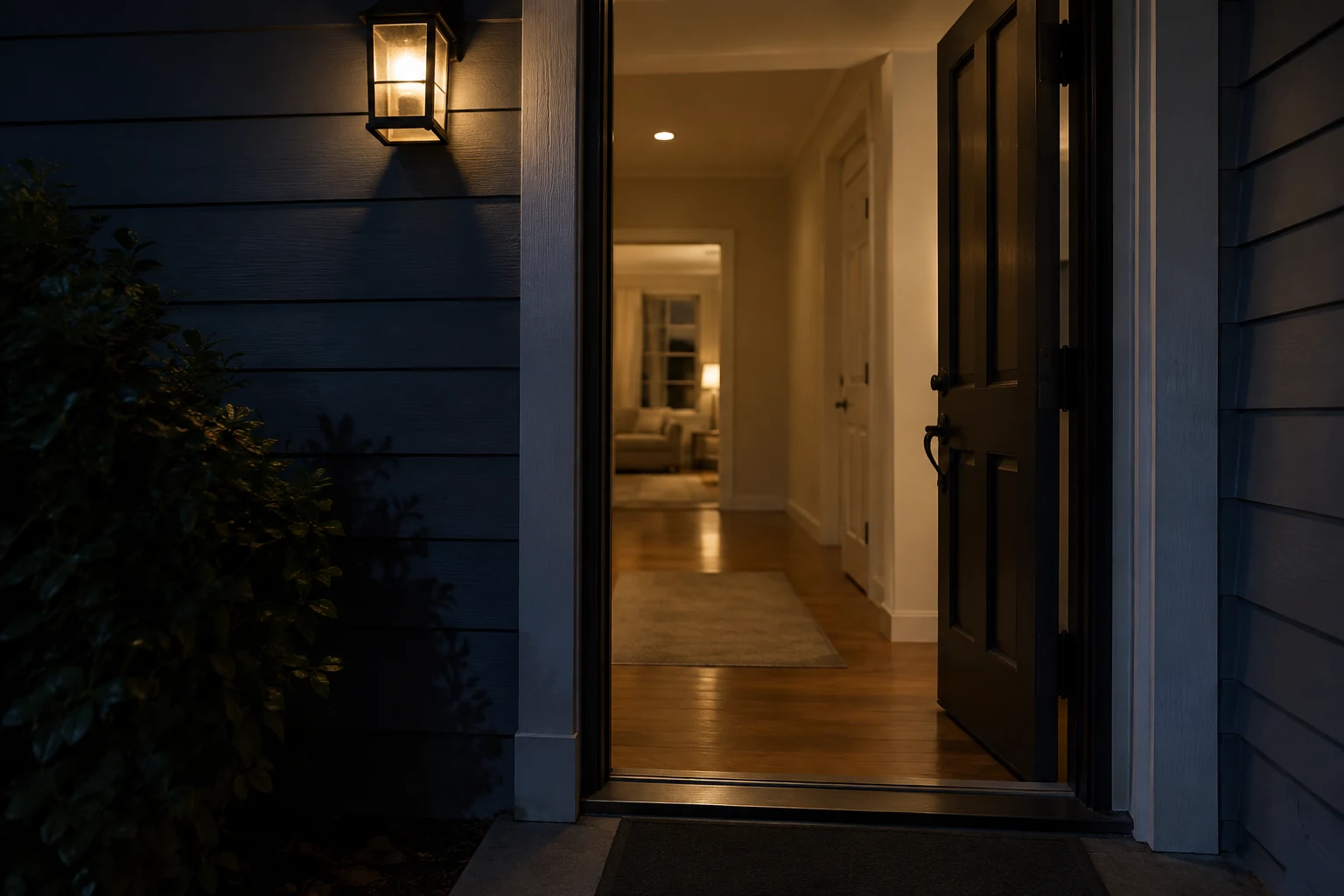
Hogmanay is Scottish New Year’s Eve, on 31 December. First-footing is a custom associated with it: the first person to enter a home after midnight, once the New Year has begun, is its first-footer. Hogmanay names the occasion; first-footing names the visit.
The distinction puts the household at the centre of the custom. Midnight marks the change of year, while first-footing is about who arrives at the door and how that arrival is welcomed.
The Wishes and Gifts Behind the Visit
A first-footer may bring good wishes for the household. The first arrival was also thought to bring good luck. That is a belief associated with the custom, not a promise about the year ahead.
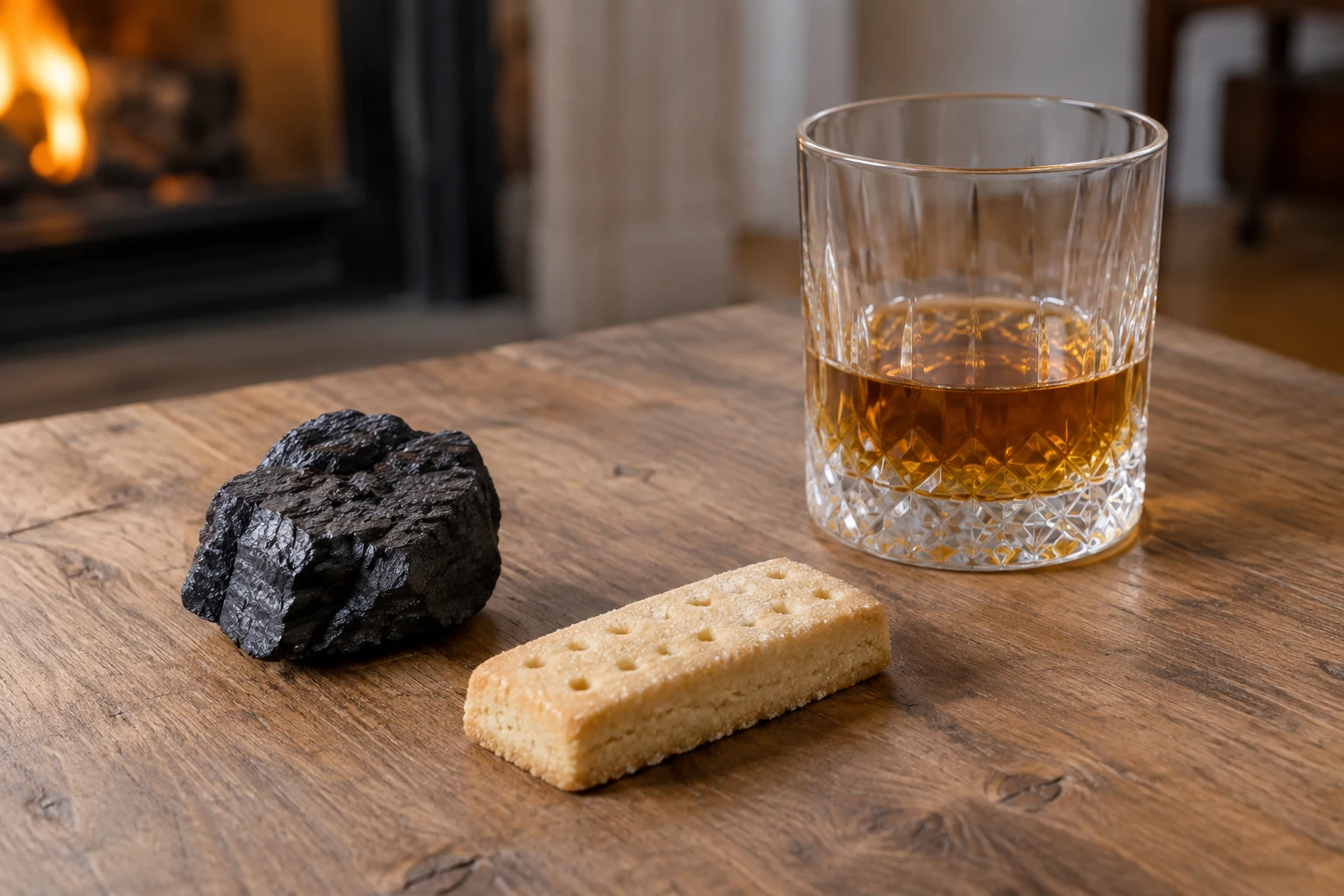
Gifts can give the greeting a tangible form. Scotland.org names coal, shortbread and whisky as examples of symbolic gifts a visitor might bring. They are not a mandatory set: the visit does not depend on carrying all three, or on bringing a gift at all.
What matters in these descriptions is the exchange between visitor and household—a greeting offered at the beginning of a new year, sometimes accompanied by something to share.
Why Accounts of First-footing Differ
Scotland.org reports a tall, dark-haired man as a traditional ideal for the first visitor. It is a description of an expectation, not a rule for selecting a present-day guest.
A Canna House archival account offers a useful contrast. It records that fair-haired first arrivals could be considered lucky for some unmarried household members under particular circumstances. The account also describes men arriving singly or in pairs after midnight with good wishes, and whisky being shared with the household. These details show one local pattern of visiting and hospitality, not a script for every home.
National Museums Scotland notes that Hogmanay festivities varied by region. The broader traditional ideal and the Canna account therefore should not be treated as evidence of what every Scottish household did historically—or does today. Household expectations could differ, including expectations about who made a welcome first visitor.
Origins call for the same caution. The supplied accounts do not establish a single origin for first-footing, and Scotland.org describes the origin of the word “Hogmanay” as uncertain. Neither question needs a settled answer to understand the documented after-midnight visit.
Taking Part Respectfully Today
If a household wants to observe first-footing, it could arrange for a family member or friend to visit after midnight. The visitor might offer good wishes and, if they like, bring a food gift such as shortbread. Visits to family or friends and food gifts both appear in documented descriptions of the custom.
The host might offer refreshments, as in the Canna account, or keep the visit simple. Those choices belong to the people involved. Whisky is a documented example, not a requirement; neither alcohol nor a fire is needed. Being the first visitor is no reason to enter a home without an invitation.
First-footing can be an intentional New Year greeting, not a test of someone’s appearance or a way to secure luck. The hoped-for luck is a reported belief; the welcome and good wishes are gestures visitors and hosts can choose to share.