
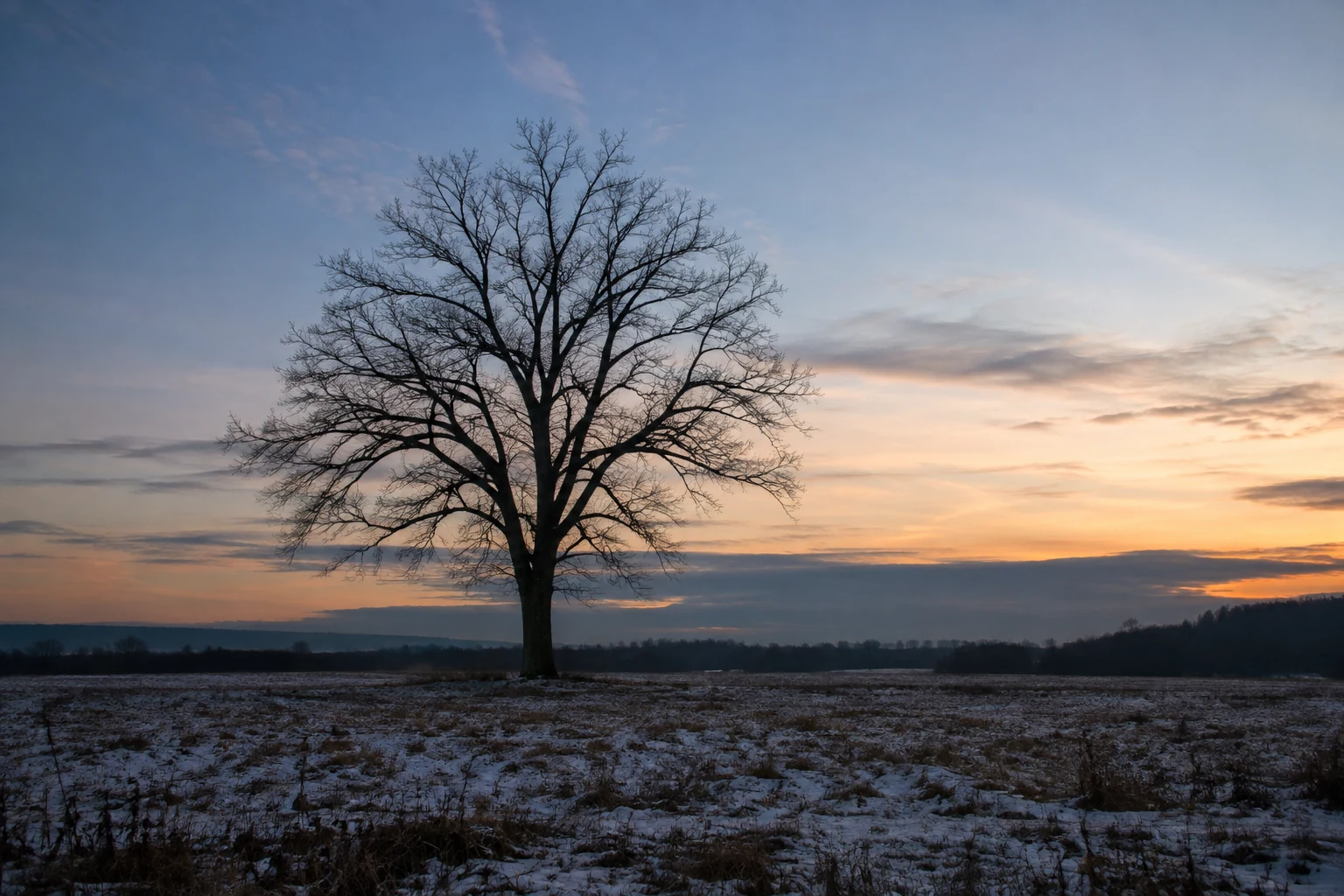
Start with Your Local Winter
The winter solstice is the shortest daylight day and longest night of the year in the hemisphere experiencing winter. It is not a December winter occasion for everyone. Earth’s axial tilt gives the hemispheres opposite seasons: December is winter in the Northern Hemisphere and summer in the Southern Hemisphere. Around June, that seasonal arrangement is reversed.
If you want to reflect on midwinter, begin with the winter where you live, not with a date described as significant somewhere else. Someone in the other hemisphere may be experiencing summer at that moment. The local solstice can be a point of reference for noticing your surroundings and considering what matters to you. It does not require you to give your reflection the same meaning as anyone else’s observance.
Choose the Date Where You Are
Check the solstice for the relevant year and your local time zone rather than relying on a fixed date. The December solstice can fall on different calendar dates in UTC, and the date shown locally can vary with time zone. For a winter reflection, the useful question is “When is my local winter solstice this year?” Once you know, you can choose a time that is practical for making a note; the reflection does not depend on witnessing the precise solstice moment.
Nor must the sunset on that day look especially dramatic. The solstice is distinct from the earliest sunset and the latest sunrise, which need not occur on the solstice day. If evenings seemed to change before the date you checked, that does not mean you found the wrong date. Let the solstice anchor the note, and describe the daylight you actually encounter rather than expecting every visible change to happen at once.
Notice One Seasonal Detail
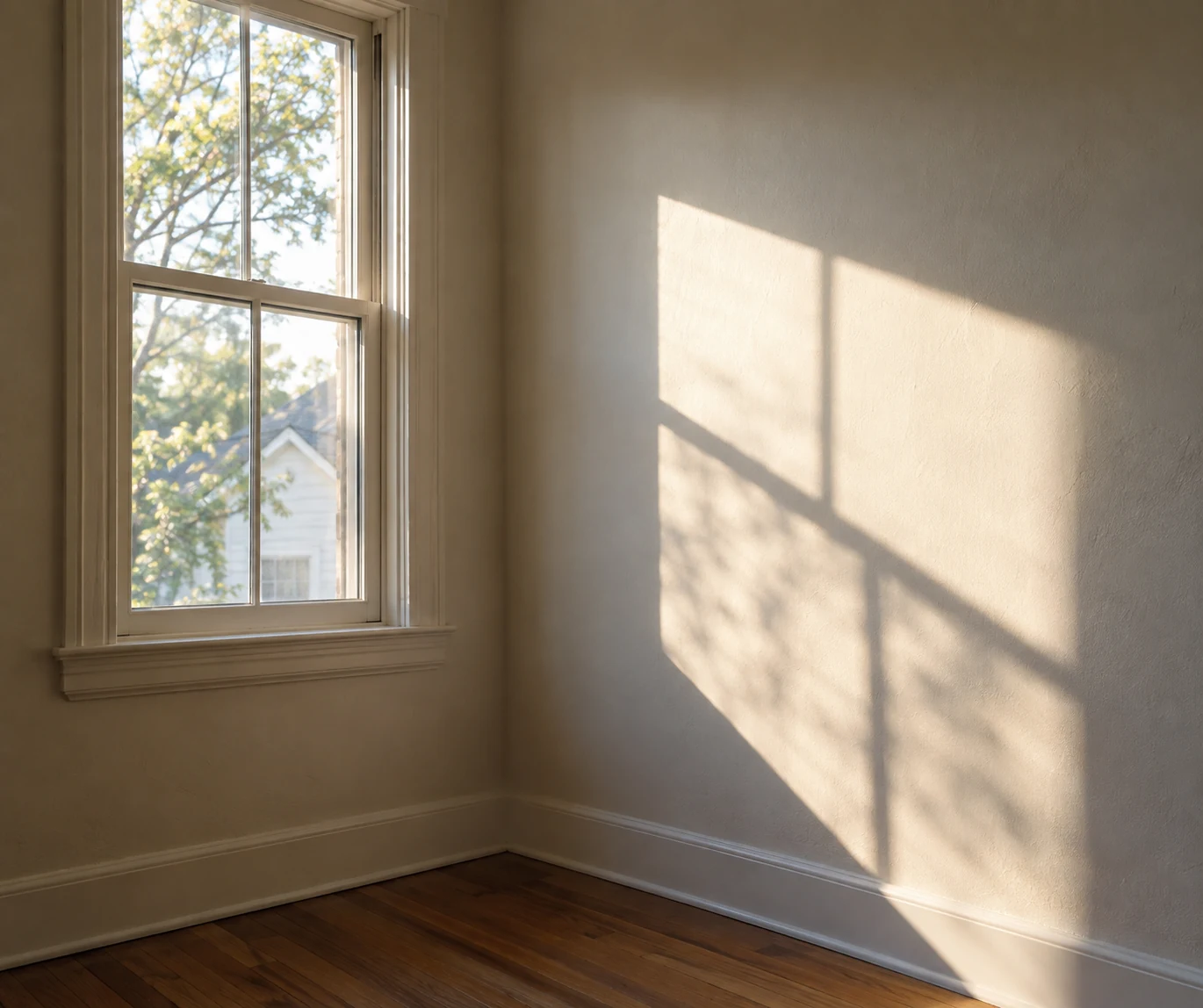
An observation can be small: how much daylight remains when you finish a familiar task, where a shadow falls, or what a seasonal view looks like today. A National Park Service nature-journaling resource suggests attending to seasonal surroundings and shadows; its winter-solstice guidance also suggests observing a noontime shadow. A noontime shadow is one option, not a prediction that every reader’s shadow will behave identically.
Choose something you can actually see. If midday suits you, describe a shadow’s position or shape without needing to measure it. At another time, you might notice light on a wall or compare a familiar view with how you remember it earlier in the season. If you write “the room seems darker than last month,” you are recording an impression unless you have earlier notes to compare. You can still include it—just say what you see now as well.
A window offers an indoor adaptation for this reflection; it is not the outdoor observation described in the park guidance. Clouds also leave plenty to notice: the color of the sky, the outline of a nearby building, or the absence of a distinct shadow. You need not invent the clear-sky scene you had hoped for.
If time or access is limited, look up from where you are and write one sentence about the light or view. That brief indoor observation is a complete choice. No candle, outdoor trip, particular weather, or special journal is needed.
Record What Happened Before What It Means
Give your note enough context to recognize it later: date, time, place, weather, and one specific detail noticed. The National Park Service’s nature-journaling guidance asks for those first four pieces of context. “At 3:30 p.m., cloudy, at the kitchen table, the window light reached only its edge” gives a future reader—including you—something more concrete than “it felt like winter.”
Keep what you observed separate from what you make of it. “The window light reached only the edge of the table” describes what you saw. “The fading light means I should slow down” may be a sincere personal response, but it is not a measured fact about the season. Both can belong in the note if you give them different jobs: first the detail, then your response.
You could follow the detail with “This makes me wonder…” The nature-journaling guidance includes wondering as a prompt. You need not answer immediately. A question can preserve your curiosity without making an impression stand in for evidence about daylight—or a rule about what someone else should feel.
Choose a Question Worth Answering
After recording your detail, choose one question if a question would help. These are original prompts for personal reflection, not inherited solstice customs or a treatment exercise.
- What kind of rest would be welcome to me now, even in a small amount?
- What has supported me through this part of the year that I would like to carry forward?
- What am I giving attention to out of habit, rather than because it still matters to me?
- Is there something I can leave unresolved for now?
Treat these as alternatives, not a sequence. Pick the question you can answer plainly, even if your answer is modest. For rest, “I would like one evening without making plans” is enough; you do not have to solve everything that makes rest difficult. For carrying something forward, you might name a practice, a relationship, or an ordinary convenience you value. If you choose the question about attention, you can name something you want to reconsider without promising to abandon it.
You can also skip every question. Perhaps the recorded detail is all you want to keep, or none of the prompts fits your circumstances. A quiet observation need not become optimism, a resolution, or a message you claim the season delivered. Any meaning you add is yours to accept, revise, or leave open.
See What One Complete Reflection Can Look Like
Here is an invented example of personal writing. Its date illustrates a dated note; it is not offered as the solstice date for a particular year or as evidence of a historical practice.
> Observation: December 21, 4:20 p.m., at the kitchen window. Cloudy. The neighbor’s roof was still visible, but I could no longer see a clear patch of light on it.
>
> Question: What would I like to carry forward?
>
> Answer: I like taking a few minutes to look out this window before starting the evening’s tasks. I want to keep that pause when I can.
>
> Possible next step: Tomorrow, if the timing works, I’ll take that pause again.
The roof, cloud cover, place, and time belong to the observation. The wish to keep a pause is the writer’s answer; the sky did not establish that it is the right choice. The next step is small enough to try, but “if the timing works” leaves room to do otherwise. This is a model of how to write a personal note, not an inherited solstice practice or a prediction of change.
Close on Your Own Terms
Cultures have developed distinct winter customs, stories, and ways of placing the solstice within the season; they do not all treat it as the same beginning or midpoint. The questions here are an authored personal exercise, not a shared tradition attributed to those cultures.
When you finish, you can keep the note, revisit it later, or simply stop after writing it. The dated detail can remain an observation, and your answer can remain provisional. Neither needs a larger claim to make the reflection your own.