
Choose a Small Hearth Practice
Hearth magic can mean giving an ordinary place at home personal meaning through a deliberate pause. It does not require a fireplace, promise a result, or belong to one universal tradition.
Household hearths have been used for cooking, warmth and light, while accounts of home life also describe shared meals and conversation. That history offers context, not ritual instructions. The three practices below draw on a place, nourishment, or light: make a no-fire place for reflection, give a meal or drink an intention, or mark a pause with light. Choose one that fits your home, circumstances and tradition.
Make a No-fire Place for Reflection
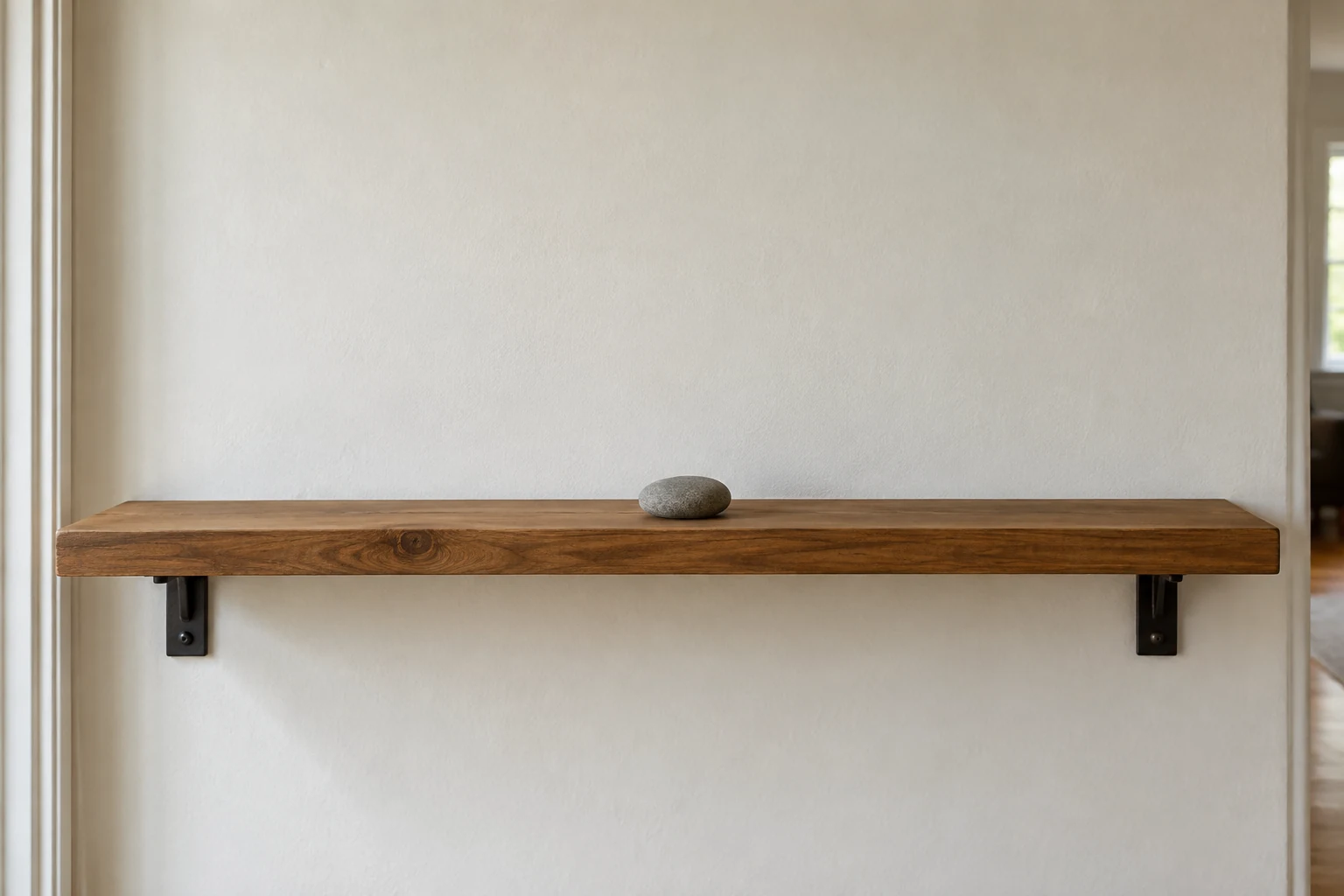
You need: A spot you can clear and one object that means something to you. A shelf or table corner will do. No fire, stove or candle is needed.
- Clear the spot. Move aside what does not belong there. You only need enough room for the object and a moment of attention; the rest of the room can stay as it is.
- Place your object and pause. Choose something that reminds you of someone, represents a quality you value, or feels fitting today. Put an intention into your own words, perhaps: “I want this place to remind me to rest.” You can keep those words private.
- Close the pause. Take one last look, then decide whether to leave the object there or put it away. Remove anything else you brought over, leaving the spot safe and clear.
The object does not have to do anything for you. This practice is complete when you have given the place your attention and chosen how to leave it.
Give an Ordinary Meal or Drink an Intention
You need: A modest serving of food or drink and a place to eat or drink it. Something ready to eat or pour works if you do not want to cook. The point is to make room to receive nourishment, not to prepare a special recipe.
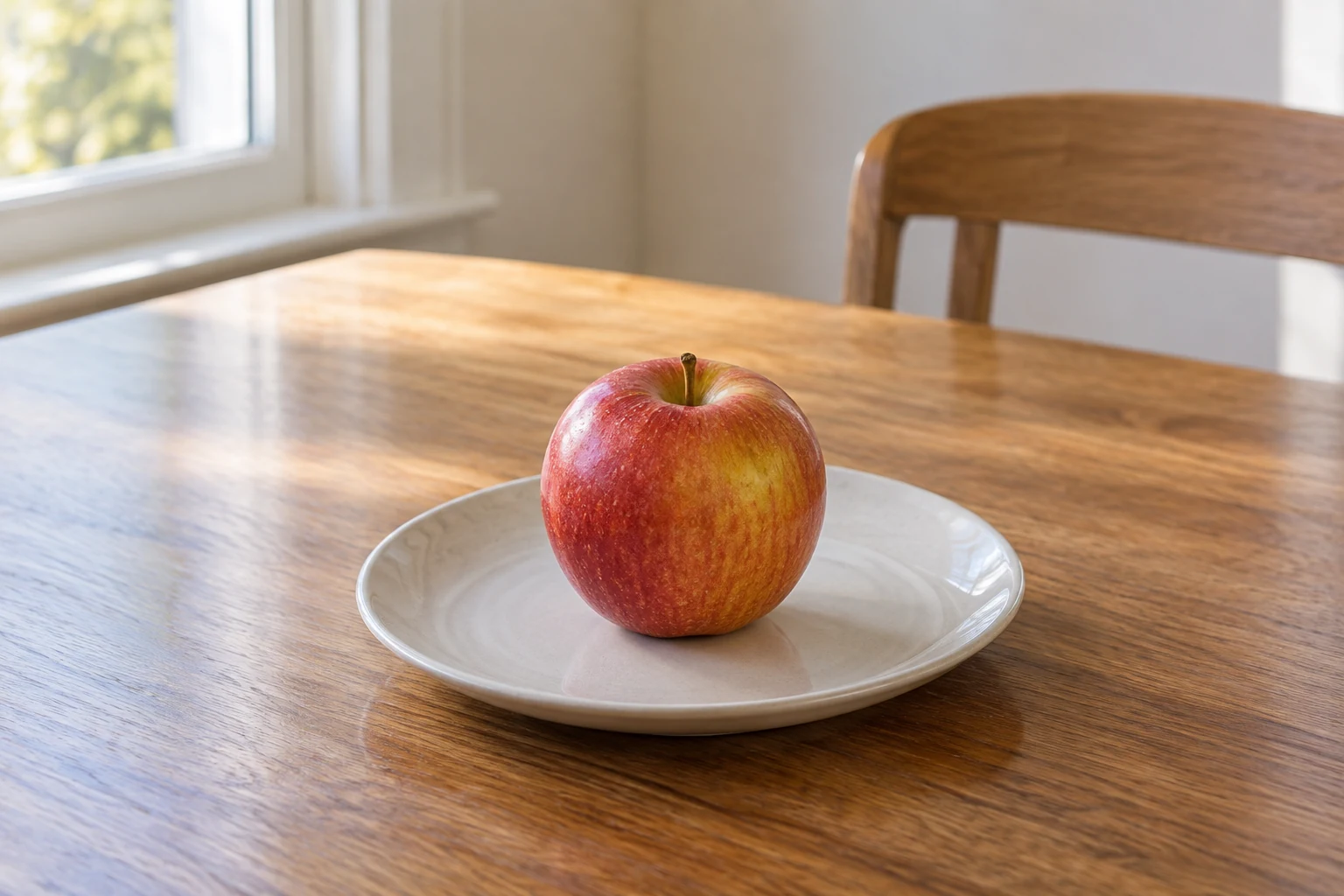
- Prepare or serve your portion. Set out what you need and choose where you will eat or drink. If you choose stovetop cooking, stay in the kitchen while frying, boiling, grilling or broiling, and keep towels, wooden utensils and packaging away from the stovetop. Then cook your portion and serve it. Otherwise, serve your ready-to-eat food or drink.
- Name an intention. Before you begin, use words that fit your circumstances, such as “I want to take this time to care for myself.” Notice what you have prepared, then take time to eat or drink. There is no need to make the moment elaborate.
- Mark the finish. If you used a burner, turn it off. Clear the cooking and eating spaces, put away what you used, and acknowledge that the meal or drink is finished.
A ready-to-eat snack or a glass of water makes this a complete practice. Cooking is a choice, not a requirement.
Mark a Pause with Light
You need: A lamp and a quiet place to pause briefly. A candle is an optional alternative, not a requirement. Choose an intention you can express simply, such as “I want to see what needs my attention.”
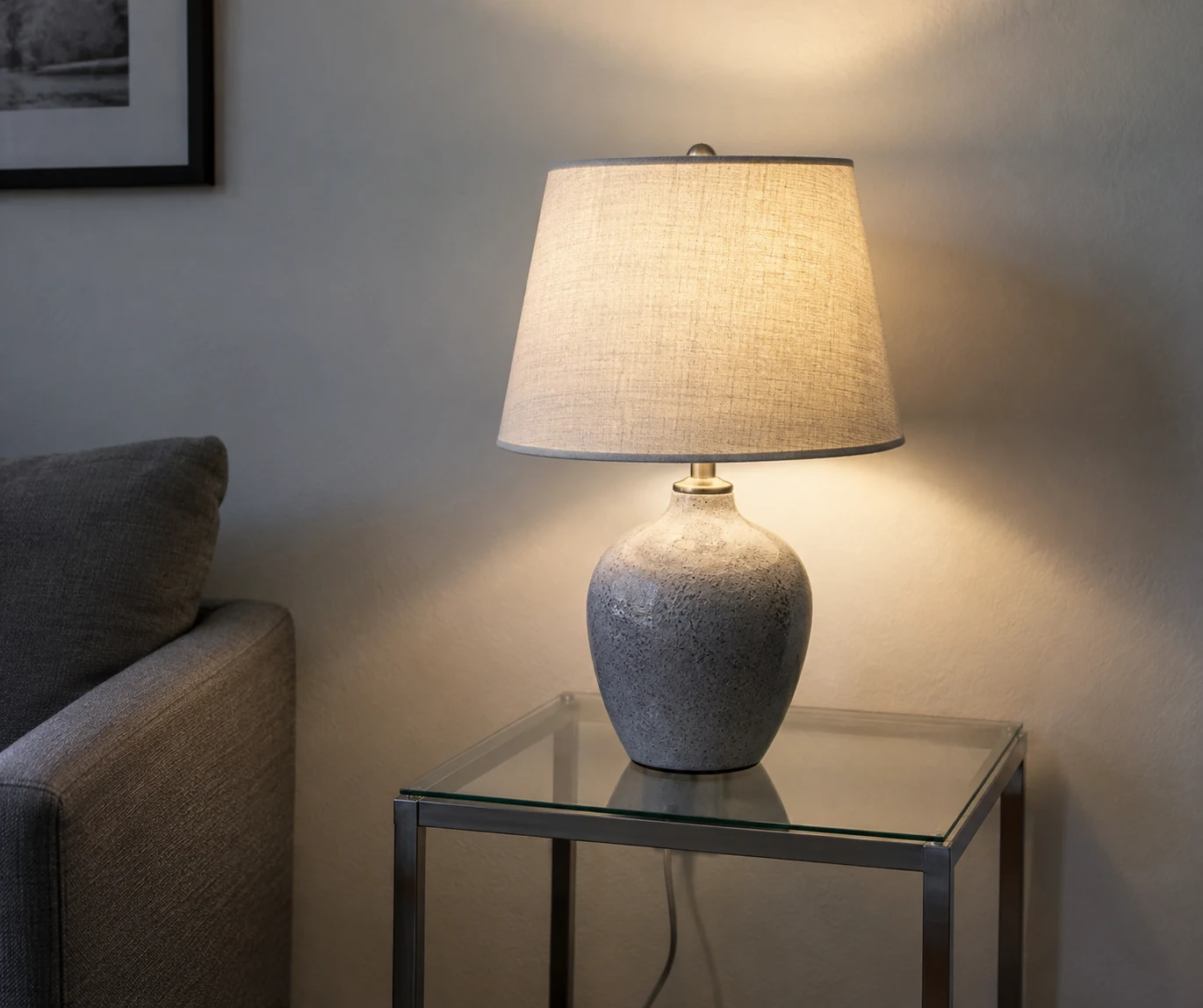
- Begin with light. Turn on the lamp. If you choose a candle instead, place it in a sturdy holder at least 30 cm from combustible items. Then light it.
- Notice and reflect. Look at the light for a moment and consider your intention. You might notice how it changes the place around you or use the pause to think. You do not have to feel or conclude anything in particular.
- Close the pause. Turn off the lamp or extinguish the candle. A candle must be extinguished before you leave the room or go to sleep. Leave the space clear.
The lamp lets you choose this practice without flame. Either kind of light can mark the beginning and end of a pause you have made meaningful.
Carry the Meaning Into Daily Life
Completing one practice is enough. Its meaning comes from the intention you brought to it, not a promised outcome. You can keep that meaning, change it another time, or let it go as your circumstances and traditions call for.