
Quick Answer
When people say Samhain lifts the veil, they mean that Samhain is understood as a spiritually liminal time: a threshold between seasons, between the old year and the new, and between the living and the dead. In many Celtic-inspired, pagan, witchcraft, and ancestor-veneration traditions, this “thin veil” symbolizes easier contact with ancestors, beloved dead, spirits, memory, intuition, and the unseen world.
Samhain falls around October 31 to November 1 in the Northern Hemisphere, marking the end of harvest season and the beginning of the darker half of the year. Because nature itself appears to be crossing a boundary—fields emptied, leaves falling, daylight shrinking—it became a powerful time to reflect on death, continuity, lineage, and spiritual protection.
For home ritual, this does not have to be dramatic or frightening. A simple Samhain ancestor practice might include lighting a candle, setting out water or food, speaking names aloud, sharing gratitude, and sitting quietly with remembrance. The heart of the observance is respect: honoring those who came before, acknowledging grief and guidance, and creating a sacred pause between the busy outer world and the deeper inner one.
How to Think About This Topic
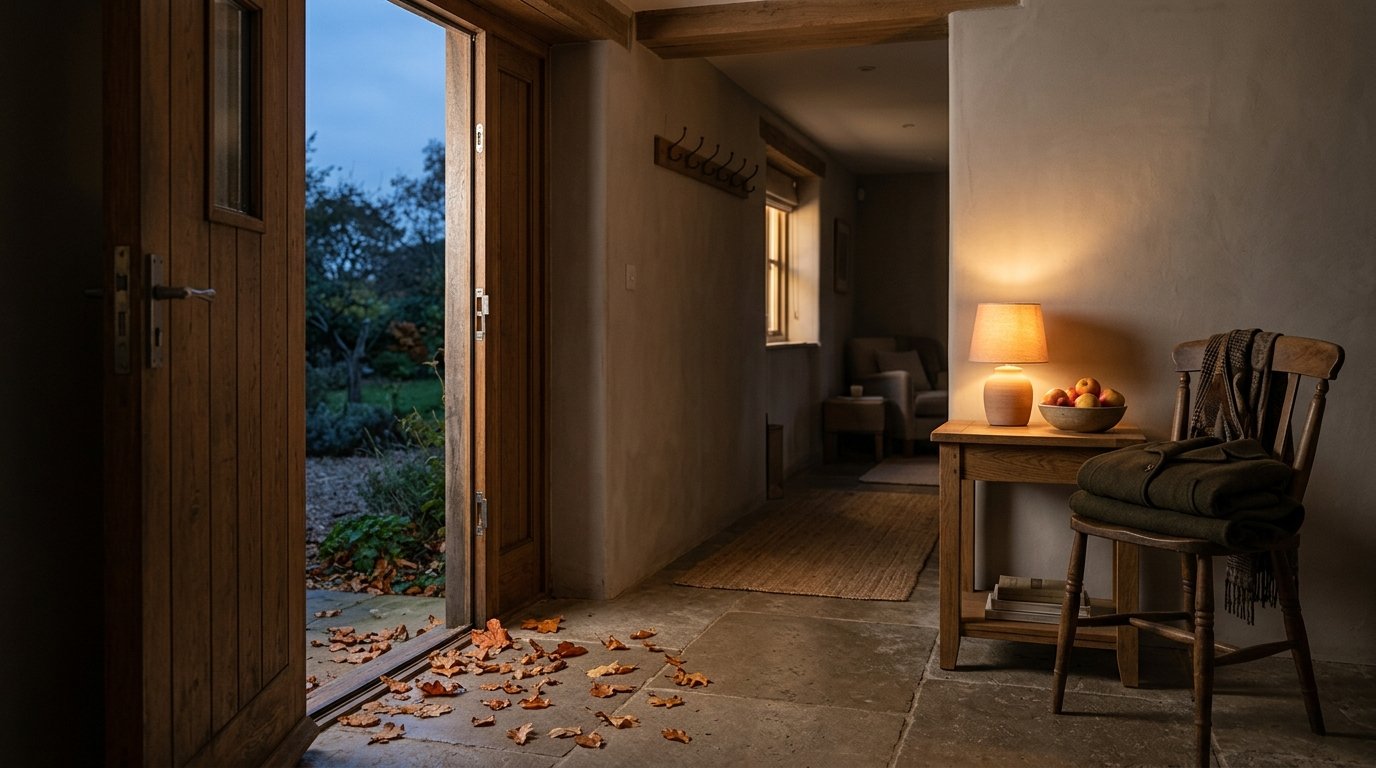
The easiest way to understand the phrase “Samhain lifts the veil” is to think in terms of thresholds. A veil separates two spaces while still allowing a sense of what is on the other side. It does not have to mean that the dead physically return in a literal, movie-like way. Spiritually, it means the boundary between ordinary awareness and ancestral presence feels softer.
Samhain itself is a threshold festival. It stands between harvest and winter, abundance and scarcity, light and darkness, activity and rest. In older agricultural life, this seasonal shift mattered deeply. The food had been gathered, animals were brought in or slaughtered for winter stores, and communities prepared for the cold months ahead. Death was not an abstract idea; it was part of the yearly cycle. Seeds died into soil, plants withered, animals fed the people, and families remembered those who had passed.
That seasonal symbolism gives Samhain its spiritual force. If Beltane celebrates fertility, fire, and outward life, Samhain turns attention inward. It asks: What has ended? What remains? Who made our lives possible? What wisdom do we carry from those before us?
For ancestor altar work, this mental model is especially useful. The “veil” is not only a wall between worlds; it can also be the distance created by distraction, denial, grief, or forgetting. Samhain invites you to gently lift that veil by remembering. You might remember blood ancestors, adoptive family, chosen family, cultural ancestors, spiritual teachers, or the dead who shaped your path.
This approach also helps keep the practice grounded. You do not need to force a supernatural experience. You do not need to prove that a message has arrived. Instead, you create conditions for reverence: quiet, beauty, offerings, names, stories, and attention. Sometimes the result is emotional release. Sometimes it is a dream, a memory, a sense of peace, or a decision made with more clarity. Sometimes it is simply a respectful ritual of gratitude.
In this way, “Samhain lifts the veil” is both mystical and practical. It names a season when many people feel more open to the unseen, while also giving you a framework for intentional remembrance at home.
Practical Guidance
A Samhain ancestor ritual can be simple, personal, and respectful. Begin by deciding who you want to honor. This might include grandparents, parents, siblings, elders, friends, teachers, cultural ancestors, or “well and loving ancestors” whose names are unknown. If family history is painful, you can set clear boundaries by honoring only those who wish you healing, protection, and peace.
Next, prepare a small ancestor altar or temporary remembrance space. It does not need to be elaborate. A shelf, side table, windowsill, tray, or clean cloth can work. Choose items that help focus your attention: photographs, names written on paper, heirlooms, flowers, candles, a bowl of water, seasonal foods, or objects connected to your lineage. If you cannot display photos, use symbols such as stones, leaves, keys, a family recipe card, or a small lamp.
Offerings are a central part of many ancestor rituals because they express hospitality. Common Samhain offerings include water, tea, coffee, bread, apples, nuts, cooked grains, wine, cider, or a small portion of a family meal. You may also offer incense, flowers, candlelight, music, prayer, silence, or acts of charity done in an ancestor’s name. Choose offerings with care. If alcohol, smoke, or certain foods are not appropriate in your home, do not use them. Respect matters more than tradition for tradition’s sake.
A simple Samhain ritual might look like this:
- Clean the space and arrange your altar.
- Light a candle or turn on a small lamp.
- Say who you are honoring.
- Place your offering on the altar.
- Speak words of gratitude, prayer, or remembrance.
- Sit quietly for a few minutes.
- Close the ritual by thanking the ancestors and extinguishing the candle.
You can use plain language. For example: “I honor my well and loving ancestors, known and unknown. Thank you for the life, strength, lessons, and protection that have reached me. May what is healed in me bring healing forward and backward through my line.”
If you are seeking guidance, ask gently and avoid demanding signs. A good request might be: “If there is wisdom I am ready to receive, may it come clearly, kindly, and for my highest good.” Afterward, pay attention to dreams, memories, emotions, or practical insights, but stay grounded. Not every thought is a message, and not every ritual needs a dramatic response.
Samhain can also be a time for ancestral repair. You might apologize for forgetting, recommit to learning family stories, cook a traditional meal, visit a grave, donate to a cause linked to an ancestor’s values, or begin researching names and places. These actions lift the veil through relationship, not spectacle.
When the ritual is done, dispose of offerings respectfully. Liquids can often be poured outside at the base of a tree or into the earth, if safe. Food may be composted or discarded with gratitude, depending on your practice and local conditions. Never leave offerings outdoors in ways that could harm animals or the environment.
Most importantly, protect the emotional tone of the ritual. Samhain ancestor work can bring grief close to the surface. If you feel overwhelmed, simplify: light one candle, say one name, take one breath. The veil may be thin, but you are still allowed to move slowly.
FAQ
What Does It Mean That the Veil Is Thin at Samhain?
It means Samhain is seen as a liminal time when the boundary between the living and the dead feels more open. Spiritually, this can support ancestor remembrance, intuition, dreams, prayer, and ritual. It does not require fear; it is mainly about reverence and connection.
Do I Have to Be Pagan to Honor Ancestors at Samhain?
No. While Samhain has strong pagan and Celtic associations, ancestor remembrance appears in many cultures and religions. You can adapt the practice to your beliefs by focusing on gratitude, prayer, family memory, grief work, or respectful reflection without adopting a tradition that is not yours.
What Offerings Are Appropriate for a Samhain Ancestor Altar?
Good offerings include water, tea, coffee, bread, apples, nuts, seasonal food, flowers, candles, incense, music, or written prayers. Family foods are especially meaningful. Choose offerings that feel respectful, safe, and sincere. A small glass of water given with love is enough.
Can I Honor Ancestors If I Do Not Know Their Names?
Yes. You can honor “the well and loving ancestors, known and unknown.” Names are powerful, but they are not required. You might use symbols of lineage, homeland, culture, craft, faith, or survival. You can also honor chosen ancestors, mentors, and beloved dead.
How Long Should a Samhain Altar Stay up?
A Samhain altar can stay up for one night, several days, or the whole dark season. Many people keep it from October 31 through November 2, especially if they also observe All Souls’ Day or Día de los Muertos. Let your space, schedule, and spiritual needs guide you.