
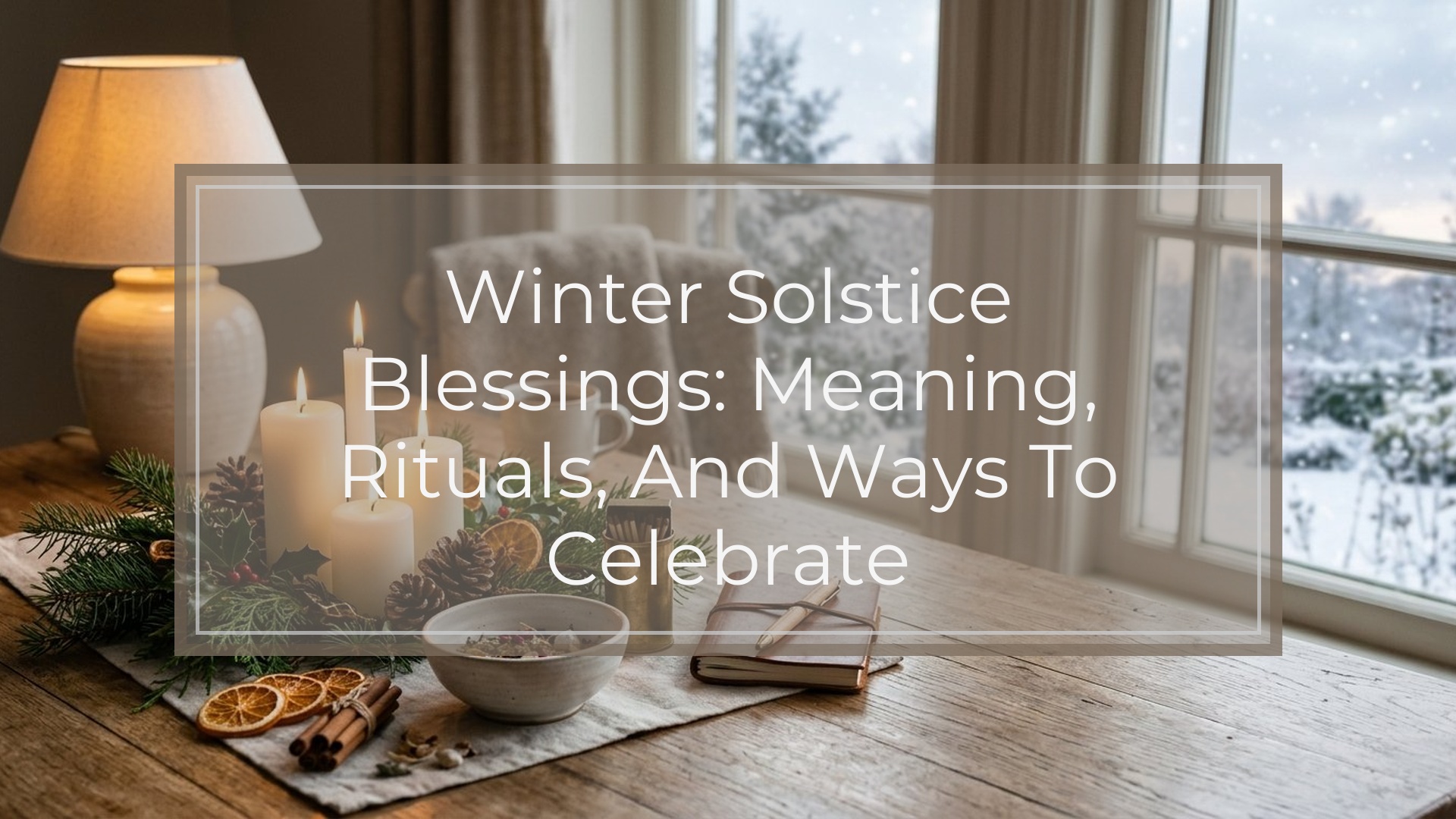
Winter solstice blessings are words, prayers, intentions, or ritual gestures offered at the longest night of the year. They often honor stillness, protection, ancestral presence, gratitude, and the slow return of light. For many people, the winter solstice is not only a seasonal marker but a spiritual threshold: a time to release what has ended, listen inwardly, and welcome renewal.
You do not need an elaborate ceremony to offer a meaningful blessing. A candle, a quiet room, a few spoken words, and a sincere intention can be enough. If you keep an ancestor altar, the solstice can also be a powerful time to refresh offerings, thank those who came before you, and ask for guidance for the season ahead.
Quick Answer

The main meaning of winter solstice blessings is to honor the turning point from deepest darkness toward returning light. Spiritually, they can be used to bless your home, your ancestors, your family, your body, your grief, your hopes, or the coming year.
That turning point is also the heart of the winter solstice meaning, where darkness, rest, and returning light are held together.
A simple winter solstice blessing might be:
> “On this longest night, may I be held in peace. May my ancestors be honored, my home be protected, and the returning light guide my next steps.”
You can speak a blessing during a candle ritual, at an ancestor altar, before a shared meal, outside under the night sky, or in private meditation. The most important elements are presence, respect, and clear intention.
Winter solstice blessings commonly focus on:
- Rest and restoration
- Protection through winter
- Ancestor remembrance
- Release of old burdens
- Gratitude for survival and support
- Hope, renewal, and returning light
- Blessing the home and loved ones
If you are new to this practice, keep it simple. Light one candle, take three slow breaths, name what you are grateful for, speak a blessing, and sit quietly for a few moments. If you work with ancestors, you might add water, tea, bread, fruit, evergreen, or another respectful offering.
Winter solstice blessings do not have to belong to one fixed tradition. They can be personal, devotional, earth-centered, ancestral, or family-based, as long as they are practiced with care and without claiming customs that are not yours to use.
How to Think About This Topic
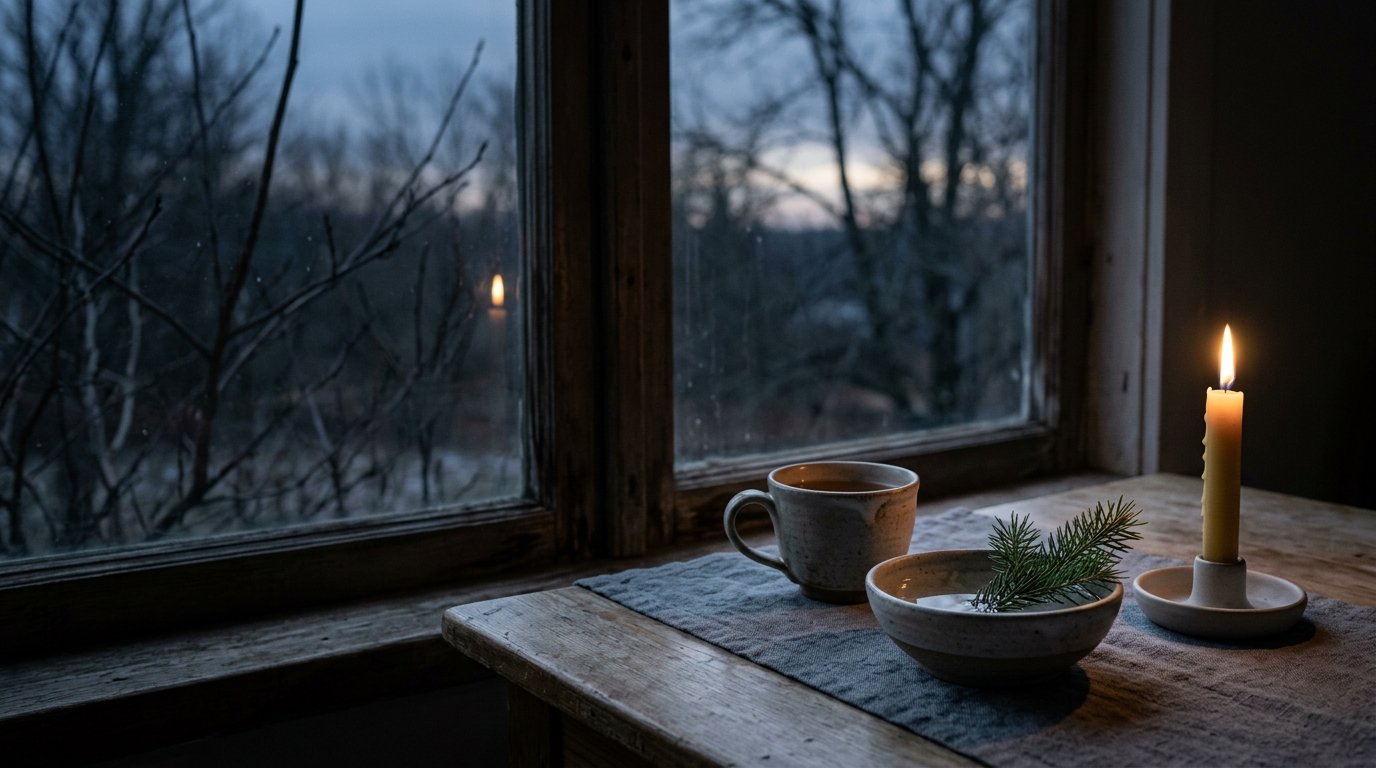
A helpful way to understand winter solstice blessings is to see them as threshold practices. The solstice marks a pause between one movement of the year and another. The night is at its longest, but from this point forward, daylight slowly increases. That makes the season especially suited for blessings that hold both truth and hope: “This has been difficult” and “Light is returning.”
This mental model matters because people often come to winter solstice blessings looking for the right words. Words are useful, but the deeper purpose is alignment. A blessing helps you align your attention with what you want to honor, release, protect, or invite.
For example, if the past year has been heavy, your blessing may focus on rest:
> “May this long night give me permission to lay down what I cannot carry.”
If you are tending grief, your blessing may include remembrance:
> “May the beloved dead be remembered with tenderness, and may their wisdom remain near.”
If you want to bless your home, your words may be practical and protective:
> “May this home be warm, peaceful, safe, and welcoming through the winter months.”
For ancestor altar practice, the solstice can be understood as a time of listening. Winter naturally invites quiet. Many traditions view the dark half of the year as a season when memory, dreams, and the unseen feel closer. You do not need to force communication or expect signs. Instead, create a respectful place for gratitude and reflection.
A simple ancestor-focused solstice pattern is:
- Clean or refresh the altar.
- Place water or another appropriate offering.
- Light a candle safely.
- Say the names of ancestors or beloved dead, if known.
- Offer thanks.
- Ask for guidance, protection, or clarity.
- Close the ritual clearly.
The blessing itself can be short. Sincerity matters more than poetic language. If you do not know your ancestors’ names, you can address “the well and wise ancestors,” “those who loved and protected my line,” or “the remembered and unremembered dead who wish me well.”
It is also important to practice respectfully. The winter solstice is recognized in many cultures, spiritual systems, and folk traditions. You can honor the season without borrowing closed rites, sacred language, or ceremonial forms from communities you are not part of. When in doubt, use simple universal elements: light, water, food, silence, gratitude, and ethical remembrance.
Practical Guidance
To create your own winter solstice blessing, begin by choosing one focus. Trying to bless everything at once can make the ritual feel vague. Ask: What do I most need this solstice—rest, courage, protection, forgiveness, clarity, ancestral support, or renewal?
Then match your focus to a simple action.
For rest, dim the lights, wrap yourself in a blanket, and say:
> “May I honor the wisdom of rest. May I stop striving long enough to be restored.”
For release, write one burden on a small piece of paper. Tear it up or place it in a bowl to dispose of later. Say:
> “I release what has completed its lesson. I do not carry what is no longer mine.”
For renewal, light a candle and speak:
> “As light returns, may hope return. May I take one faithful step toward the life calling me forward.”
For ancestor remembrance, place a glass of water, a small portion of food, or a meaningful object on your altar. Say:
> “To my ancestors of blood, spirit, and chosen love: I remember you. May the blessings you carried forward continue in me.”
For home protection, walk through your space with a candle, bell, incense, or simply your hand over your heart. Say:
> “May this home be protected from harm. May peace dwell here. May all who enter in goodwill be blessed.”
If you keep an ancestor altar, the winter solstice is a good time to clean it physically and spiritually. Remove old offerings respectfully. Wipe the surface. Replace water. Add seasonal items such as evergreen, pinecones, dried orange, cinnamon, a white candle, or a dark cloth with a gold or yellow accent. Choose items that feel reverent rather than decorative only.
A basic winter solstice altar may include:
- A candle for returning light
- A bowl of water for life, memory, and clarity
- Photos or names of ancestors
- A small food or drink offering
- Evergreen for endurance
- A written blessing or intention
- A stone, key, or heirloom for grounding
Safety matters. Never leave candles unattended, and use battery candles if needed. If you leave offerings overnight, remove them before they spoil. Dispose of offerings respectfully according to your practice, such as returning water to the earth or placing food waste in compost when appropriate.
You can also celebrate with others. At a family meal, invite each person to name one thing they are releasing and one light they are welcoming. With children, keep the language simple: “Tonight is the longest night, and we light a candle to remember that light comes back.” In a group ritual, avoid putting anyone on the spot to share grief or spiritual beliefs. Offer options for silence, writing, or listening.
The best winter solstice blessings are not complicated. They create a container for honesty, gratitude, and renewal. They help you mark the season instead of rushing past it.
FAQ
What Should a Beginner Know First About Winter Solstice Blessings?
Start small. A winter solstice blessing can be as simple as lighting a candle, taking a quiet breath, and speaking one sincere sentence of gratitude, release, or hope. You do not need special tools, complex wording, or formal training to begin respectfully.
What Matters Most When Evaluating Winter Solstice Blessings?
The most important qualities are sincerity, clarity, and respect. A good blessing should match your real intention and the setting where you use it. If ancestors, cultural traditions, or sacred symbols are involved, approach them with humility rather than performance.
What Mistakes Should Readers Avoid with Winter Solstice Blessings?
Avoid making the ritual too complicated, copying closed cultural practices, or using words that feel false to you. Also avoid treating ancestor work casually. If you make offerings, tend them responsibly, close the ritual clearly, and keep fire safety in mind.
What Is the Next Logical Step After Learning About Winter Solstice Blessings?
Choose one focus for this solstice: rest, release, protection, ancestors, or renewal. Prepare one candle or offering, write a short blessing in your own words, and set aside ten quiet minutes. Afterward, notice how the ritual affects your mood, clarity, and sense of connection.