
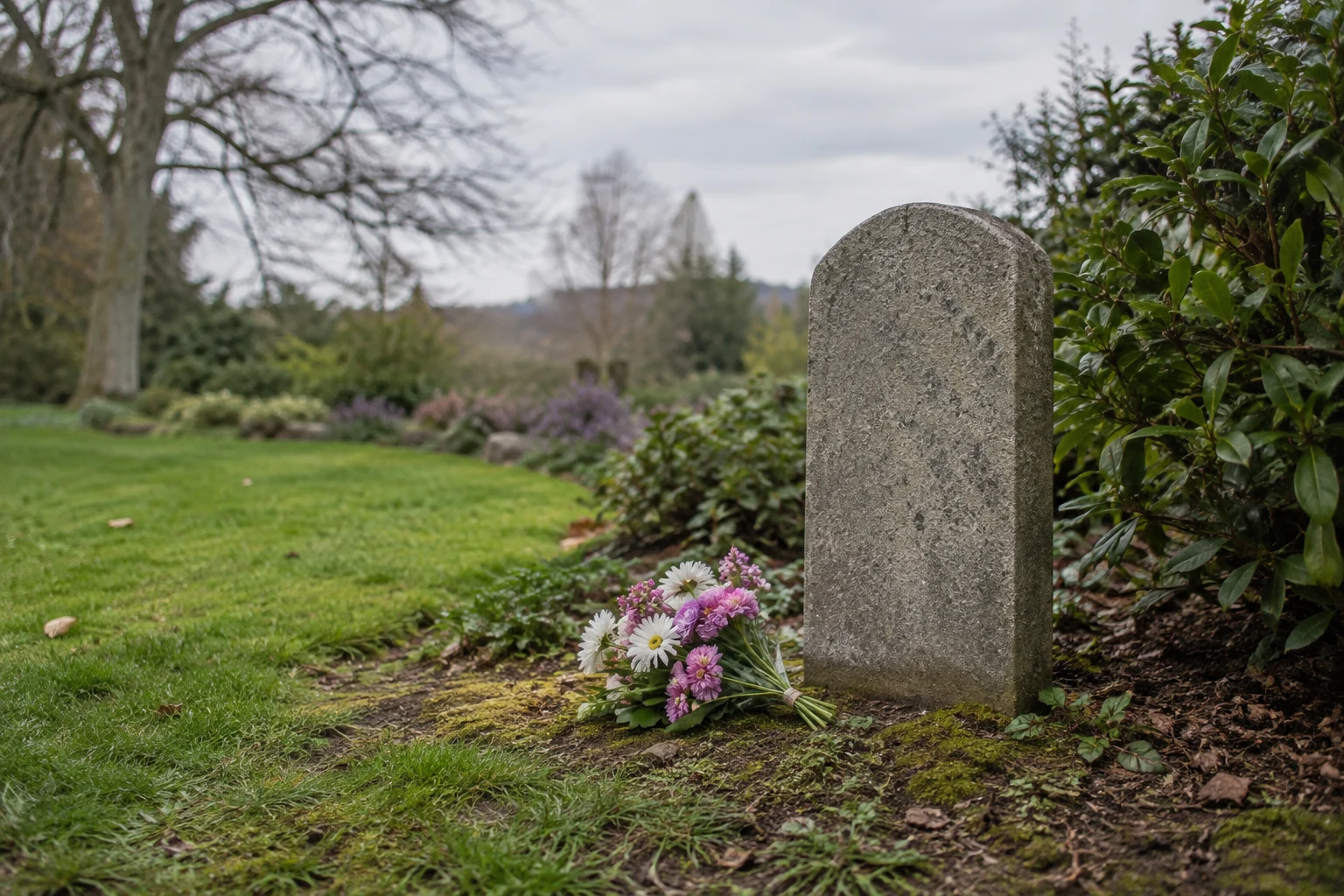
An altar for someone who has died can hold a photograph, food or an object connected to their life. What those things mean depends on the people using the space and the tradition, if any, behind it. Remembrance is not automatically ancestor worship, and a home altar does not necessarily address the dead. Mexico’s Día de Muertos includes ofrendas, or offerings arranged on altars, to celebrate the lives of people who have died . A museum record of south Chinese practices describes offerings to both ancestors and gods . In a Jōdo Shinshū Buddhist account, the center of a home obutsudan is Amida Buddha . These examples can help you understand an inherited practice on its own terms—or make a personal memorial without claiming it is a traditional rite.
Remembrance, Ancestor Veneration and Worship Are Different Questions
A useful first question is whom is this act for? Remembrance keeps a person’s memory present: speaking their name, looking at a photograph or recalling something about them need not assert spiritual contact. The National Museum of Mexican Art describes Día de Muertos as both a celebration of lives that have ended and a time to pause and keep their memory alive . It also describes ofrendas—offerings arranged on altars—as part of that observance . The festival’s meaning cannot be reduced either to private recollection or to the English word “worship.”
Ancestor veneration adds another question: is an act directed toward deceased ancestors within a family or community practice? The University of British Columbia Museum of Anthropology records offerings to ancestors, but also offerings to gods, and notes differences among south Chinese sub-ethnic groups . The recipient matters; “an altar with offerings” does not, by itself, tell you whom it addresses.
Nor does “Buddhist home altar” answer that question. A Buddhist Churches of America minister describes treating the place of a home obutsudan as one would a temple’s hondo, or main worship hall. In that account, Amida Buddha is the spiritual center . Calling that particular home altar an ancestor-worship altar would misidentify its focus.
These are distinctions for understanding the cases at hand, not a worldwide classification of altars or a shared theology. Before interpreting any object or act, ask who is remembered or addressed, what participants understand themselves to be doing, and which tradition gives the act its meaning.
What the Altar Holds Depends on Its Setting
The National Museum of Mexican Art describes Día de Muertos ofrendas that include photographs, favorite foods, candles and meaningful objects . A photograph can identify the person being remembered; a favorite food or familiar possession can make the arrangement particular to their life. That is an explanation of how these objects can work as memorial objects, not a rule that every ofrenda must contain each one. The museum also notes that regions of Mexico have incorporated different local customs and beliefs into memorial celebrations .
The UBC Museum of Anthropology record describes a different set of settings. It places special offering tables in front of altars in temples, halls for worshipping ancestors and shrines dedicated to particular gods. It also refers to ancestors worshipped at home . Those are not interchangeable descriptions of a single altar: the sites and the people or deities addressed differ. Even where a table stands in front of an altar, its contents need to be understood in relation to that setting rather than read as a general-purpose collection of “ancestor altar” objects.
A Taiwan Hakka museum account gives a closer view of one ancestral-altar arrangement. It describes a vessel placed before the incense burner on the altar and, in its account of morning worship, identifies incense and three cups of strong tea as an essential offering . This is a documented Hakka setting in Taiwan; it should not be treated as a missing detail to insert into the UBC record’s descriptions of other sites.
The comparison offers a practical way to read an altar without copying it. A photograph on a Día de Muertos ofrenda, an offering table before a shrine to a god, and vessels at the ancestral altar described by the Taiwan Hakka museum have meanings through their respective practices . Their placement tells you something, but it is not a substitute for knowing whom the space addresses.
What an Offering Can Mean
In the National Museum of Mexican Art’s account, Día de Muertos includes welcoming the departed with cemetery vigils and ofrendas. The museum also calls it a celebration of remembrance . Those descriptions belong together without requiring a visitor to treat a spiritual welcome as a physically verifiable event. A favorite food or meaningful object can recall a particular person’s tastes and history; within an ofrenda, it also belongs to the observance the museum describes .
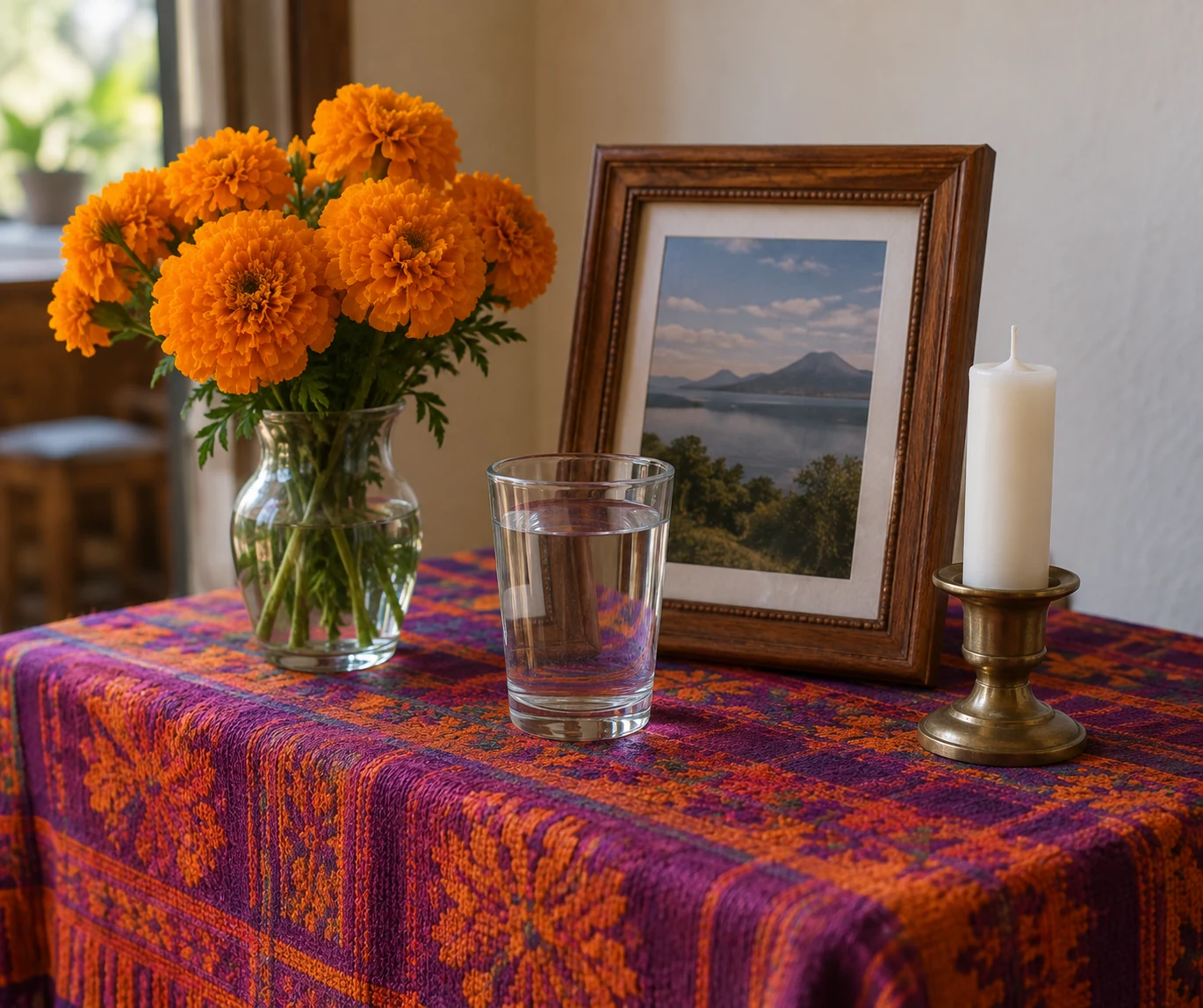
Mexic-Arte Museum names food, drink, candles, incense, marigolds and objects favored during life among ofrenda materials . Its account associated with Michoacán gives more specific interpretations: water is set out for the soul’s thirst after a long journey, and candles represent fire . Those are reported meanings in that account, not universal instructions for every Mexican household or claims that a soul’s journey can be demonstrated.
The UBC Museum of Anthropology, by contrast, records food, wine and tea offered to both gods and ancestors . It also reports a belief that ancestors receive objects as usable things in the underworld . That is a belief attributed to people in the record, not a statement that objects are physically consumed or a promise of what an offering will accomplish. The record gives no basis here for telling readers to burn paper objects or to transfer that belief to Día de Muertos or Jōdo Shinshū practice.
The object alone does not settle the meaning. Consider an ordinary cup. In a personal memorial, someone might display a cup simply because it brings to mind the person who used it; that is an illustrative choice, not a documented ritual. In the Taiwan Hakka museum’s account, cups of strong tea are part of a named morning offering at an ancestral altar . The material object may look familiar in both cases, while its role differs because intention and setting differ.
This is why a list of “traditional offerings” is a poor shortcut across communities. Food can recall a preference in one context; food, wine or tea can be directed to named recipients in the UBC record . Understanding an offering means understanding the account that gives it a role, including whether its spiritual interpretation is reported as a belief.
Time and Ritual Acts Follow Their Own Traditions
Día de Muertos has a yearly setting in Mexic-Arte Museum’s account: cemeteries are cleaned, and home and public ofrendas are built to honor the dead . The museum lists November 1 as All Saints’ Day and November 2 as All Souls’ Day, describing prayers and offerings to deceased relatives and friends in its entry for the latter . These dates locate the museum’s account; they do not establish that every family marks each day in the same way.
The UBC Museum of Anthropology record instead contrasts recurring practices. It says Hakka people burn incense and candles on the first and fifteenth days of the lunar month, while its description of Cantonese practice calls for worship morning and evening . Read that as the record’s distinction, not a schedule prescribed to every Hakka or Cantonese reader. It is also not a calendar to apply to a Mexican ofrenda.
The Taiwan Hakka museum’s account has its own rhythm: it describes a morning offering of incense and three cups of strong tea . That account should remain separate from the UBC record’s first-and-fifteenth description. Sources can document different settings without supplying a single combined timetable.
A Jōdo Shinshū contrast makes the importance of acts as clear as the importance of dates. The Buddhist Churches of America minister describes gassho—bringing the hands together—alongside reciting Nembutsu and chanting a sutra, while facing Amida Buddha and attending to Amida Buddha’s guidance . The account does not present those acts as a procedure for addressing ancestors. Borrowing its gestures while assuming the recipient is a deceased relative would change the point of the practice.
There is therefore no common sequence of objects, words and dates to extract from these examples. A ritual’s rhythm belongs with its recipients and the community account in which it is practiced.
Choose a Family Practice or Make a Personal Memorial
If you have an inherited family or community practice, the most useful starting point is the people who know it. Ask appropriate relatives or religious community members whom the space addresses, which objects belong there, when it is tended and what participation is welcome. Ask, too, before displaying another person’s photograph or possessions in a shared home. The documented examples show why those questions matter: even within the cases discussed here, recipients, objects and timing differ . Follow the answers you receive rather than assembling a rite from attractive elements of several traditions.
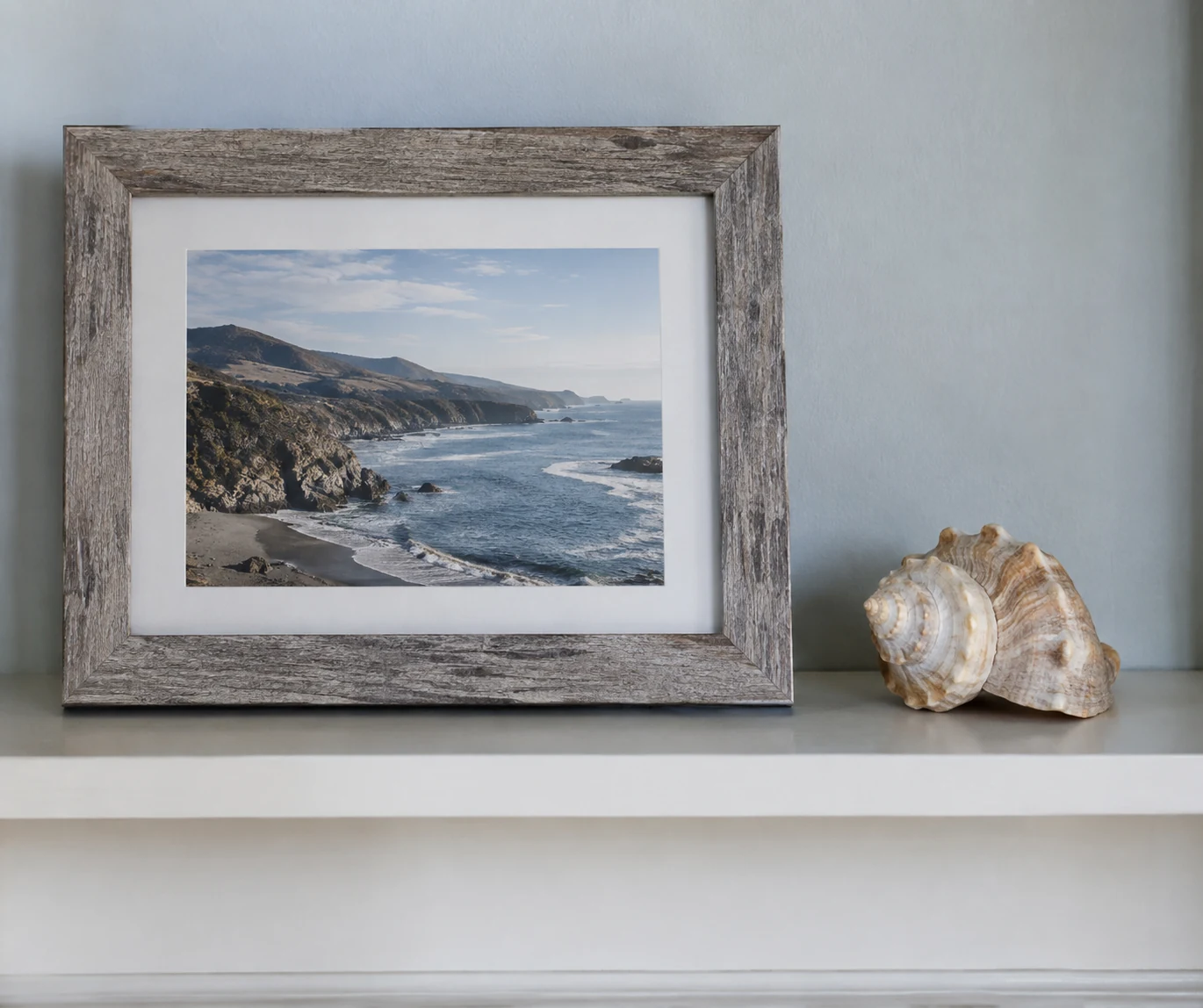
If you have no inherited instructions, you can instead make an explicitly personal remembrance space. Here is an author-proposed memorial, not an ancient practice or a community-endorsed ritual: choose a place that suits your household, set out a photograph, a written name or an object that reminds you of the person, and spend a moment recalling a memory. For example, a name on a card beside a photograph is enough; it needs no food, flame, incense or claim that the person receives anything.
Museum invitations to leave a note, drawing, memory or simply a loved one’s name show how modest an act of remembrance can be . Those invitations do not confer traditional status on a new home arrangement. You can call your arrangement a personal memorial and let its meaning be exactly what you intend: a place to remember.
Duration is a personal choice as well. You might keep the space for a brief occasion, retain it longer, or put its objects away when that feels right. Share it with family only where others are willing; one person’s wish to display a photograph need not override another person’s privacy or grief preferences. If you include food or flowers, give them ordinary care and remove them in time rather than leaving them to spoil. A memorial without perishable offerings avoids that upkeep altogether.
Neither path requires you to explain away differences in belief. Someone following a family practice can learn its instructions from that family or community. Someone making a personal space can remember sincerely without presenting it as Día de Muertos, a Hakka or Cantonese ancestral rite, or Jōdo Shinshū worship.
Keep Flame and Smoke Optional
A light may be meaningful, but an open flame is not required for the personal memorial proposed here. If you want the appearance of candlelight without a flame, the U.S. Fire Administration recommends considering a battery-operated flameless candle . If you use a lit candle, place it in a stable holder, keep it at least 12 inches from anything that burns, and extinguish it before leaving the room or home or going to bed . Those precautions matter even for a short period of remembrance.
Incense is optional too. The Environmental Protection Agency explains that burning or combusting almost anything produces particulate matter and advises proper ventilation when candles or incense are burned indoors . If ventilation is unsuitable or you simply do not want smoke, leave incense out of a personal memorial.
The governing choice is straightforward: learn an inherited practice from the people and tradition to whom it belongs, or name your own arrangement honestly as a personal act of remembrance. In either case, consent, memory and practical care matter more than reproducing an unfamiliar altar’s objects.