
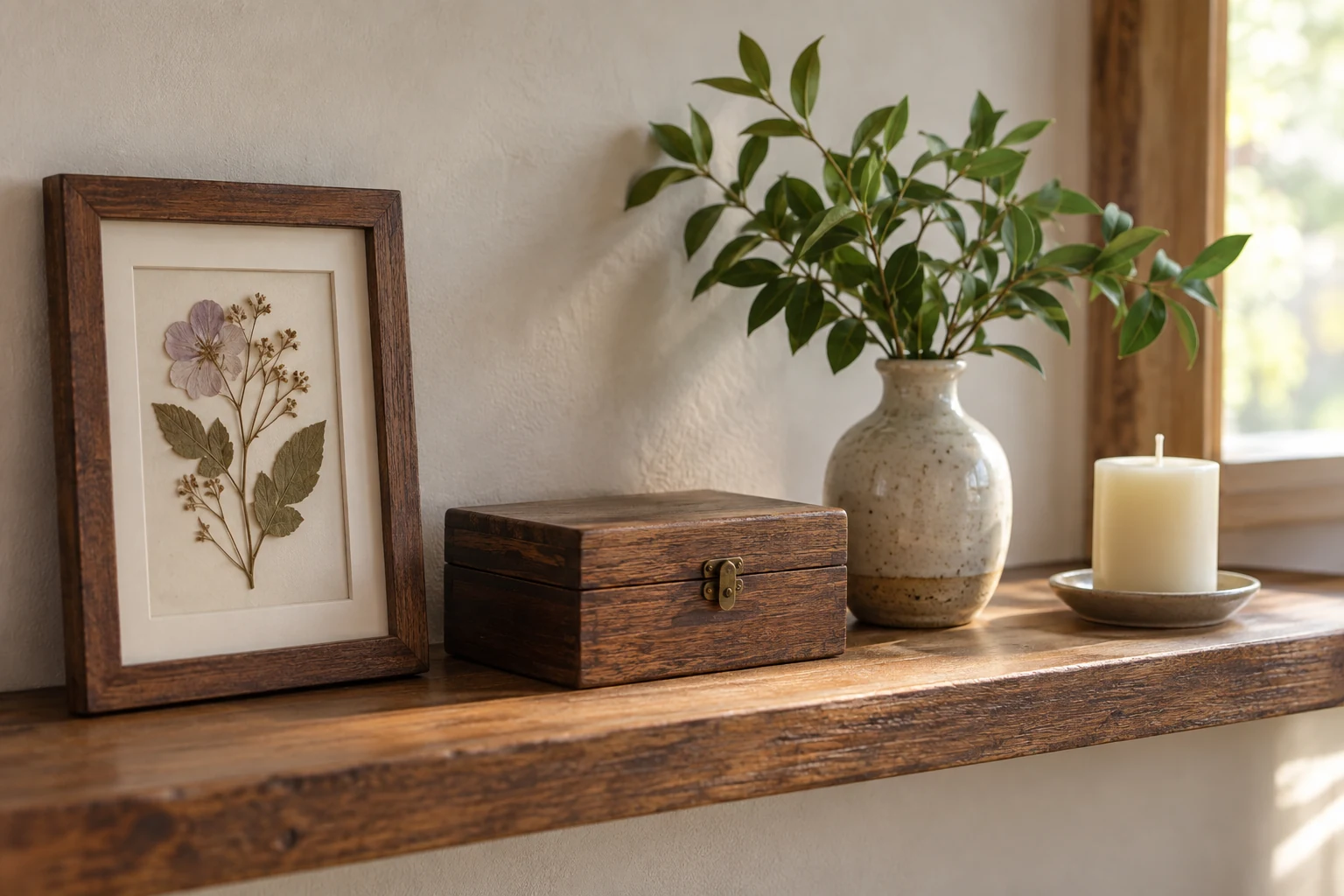
A Respectful Way to Build an Ancestral Altar
In this guide, an ancestral altar is an intentional space at home for remembering family members or ancestors. It may support reflection, storytelling, or family continuity, but it does not guarantee any particular spiritual effect.
You will make seven decisions: clarify the altar’s purpose, choose a location, set boundaries, select representations, consider offerings, create a maintenance routine, and decide when to review the space. Making these decisions in order helps ensure that practical needs and respectful limits guide the objects you eventually choose.
Documented altars vary across families and cultures. For example, the Wereldmuseum records a family that carried an ancestor altar with them after migration and continued making offerings. This example illustrates the continuity of one family’s practice, not a universal rule for every altar.
Museum examples can help show the range of commemorative practices, but they should not be treated as shopping lists or instructions detached from their original settings.
No particular object, offering, or action is required. Build only what is appropriate within your own family, beliefs, and tradition. A simple dedicated space may suit your purpose better than an elaborate arrangement.
Clarify What the Altar Is for
Step 1
Begin by deciding what you want the space to support. Its primary purpose might be:
- Remembering someone who has died
- Reflecting on your family history
- Sharing family stories
- Maintaining continuity between generations
- Honoring several relatives or ancestors more broadly
- Supporting another personally meaningful form of remembrance
Next, identify whom the altar will commemorate. You might focus on one family member, several relatives, a branch of your family, or ancestors whose names you do not know. There is no need to include everyone at once. Choose a scope that you can approach thoughtfully.
Before selecting any objects, write a short purpose statement. For example:
> This is a quiet place where I remember my grandparents and reflect on the stories they passed down.
Use this statement to test later choices. If an object or activity does not support the purpose, you do not need to include it. The statement can also help you distinguish meaningful additions from items included only because an altar is expected to look a certain way.
Keep your initial scope modest so the practice remains manageable. Remembering one person or starting with one meaningful item may be more practical than trying to represent your entire family history at once. You can expand the space later if doing so remains purposeful and sustainable.
Choose a Safe and Private Location
Step 2
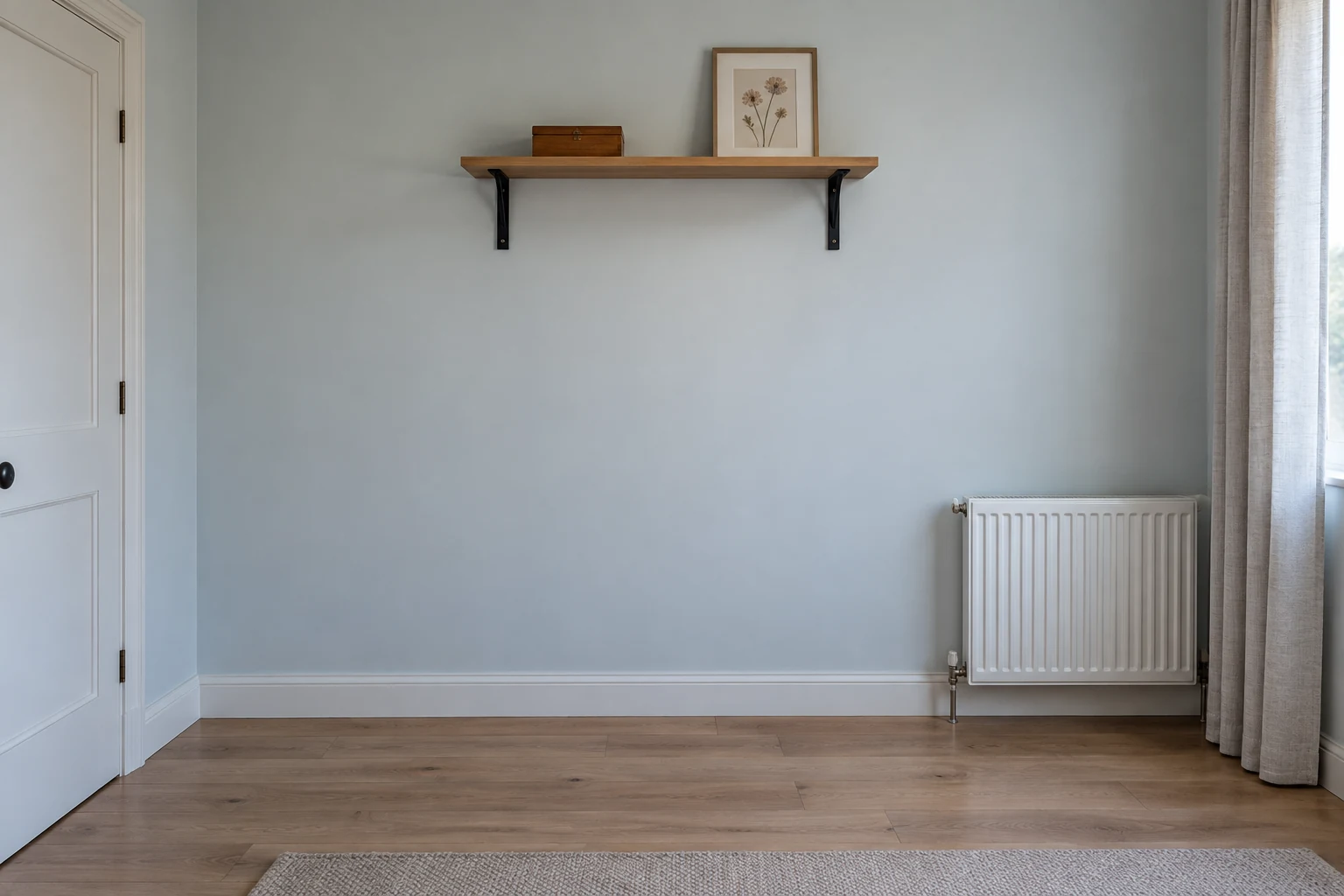
Choose a stable location that fits your purpose and the available space in your home. Depending on your circumstances, this might be a shelf, tabletop, cabinet, or another dedicated surface. Make sure the surface can safely support every object and can be cleaned without creating unnecessary difficulty.
Make a fire-safety plan before considering candles, incense, or any other flame. Decide whether the location can accommodate flame safely and whether smoke is acceptable in your household. If there is any doubt, exclude flame entirely. Neither a candle nor incense is necessary for a personal memorial space.
A fire-safe plan should reflect how the space will actually be used, not how carefully you hope to use it. If the altar may be left unattended, approached by children or pets, or placed near vulnerable objects, avoiding flame is the safer choice.
If you might include food or drink, decide in advance whether you can keep it hygienic and remove it promptly. Perishable items may not suit a place that is warm, difficult to clean, or easy to overlook. Nonfood objects—or no offerings at all—may be more practical. Do not place food where pets can reach it.
Account for children and pets before adding anything. Either place the altar where they cannot reach it or limit its contents to items that cannot harm them and are not easily broken. Where access cannot be controlled, reconsider flame, smoke, alcohol, food, sharp items, and fragile keepsakes.
Finally, decide how visible or private the altar should be. You may prefer a shared room where family members can engage with it, or a private area where you can reflect without visitors seeing personal names, photographs, or possessions. Choose the location according to that preference rather than assuming the altar must be displayed publicly.
Test the proposed location against all of these needs before arranging it. A place that is meaningful but unsafe, unhygienic, inaccessible for maintenance, or too public for your comfort is not yet a workable choice.
Set Personal, Household, and Cultural Boundaries
Step 3
Identify your limits before selecting representations, offerings, or activities. Decide whether you are comfortable with prayer, spoken reflection, silence, religious symbols, offerings, or none of these. You do not have to adopt practices or spiritual claims that conflict with your beliefs.
You can write these limits beside your purpose statement. Doing so creates a simple reference for later decisions, particularly when an object or practice feels meaningful but raises concerns about belief, privacy, ownership, or cultural context.
If the altar will occupy shared space, seek agreement from the people who live with you. Household consent is especially important if you plan to use another person’s name, image, or possessions, or if you want to include food, alcohol, smoke, or flame. Family members may have different feelings about privacy, grief, religion, and how a relative should be represented.
Consent may affect both what is displayed and who can see it. If agreement is not possible, use a private location, choose less sensitive representations, or leave disputed material out.
Cultural context also matters. A Fon asen is a commemorative altar that honors a particular ancestor and is associated with food or drink offerings. It belongs to a specific cultural setting rather than serving as a generic altar model.
A Day of the Dead ofrenda is an offering altar within a culturally situated observance that combines Indigenous origins with Catholic symbols. It should not be reduced to a decorative formula or a universal set of altar instructions.
Chinese memorial tablets have likewise been documented on family altars in connection with rites and offerings to ancestors. This evidence describes a particular cultural and ritual context; it is not a template for people without a connection to that tradition.
Do not copy closed or culturally specific rites without relevant family context, community guidance, or permission. When uncertain, keep your practice personal and simple instead of borrowing named rituals or sacred forms.
Select Respectful Representations
Step 4
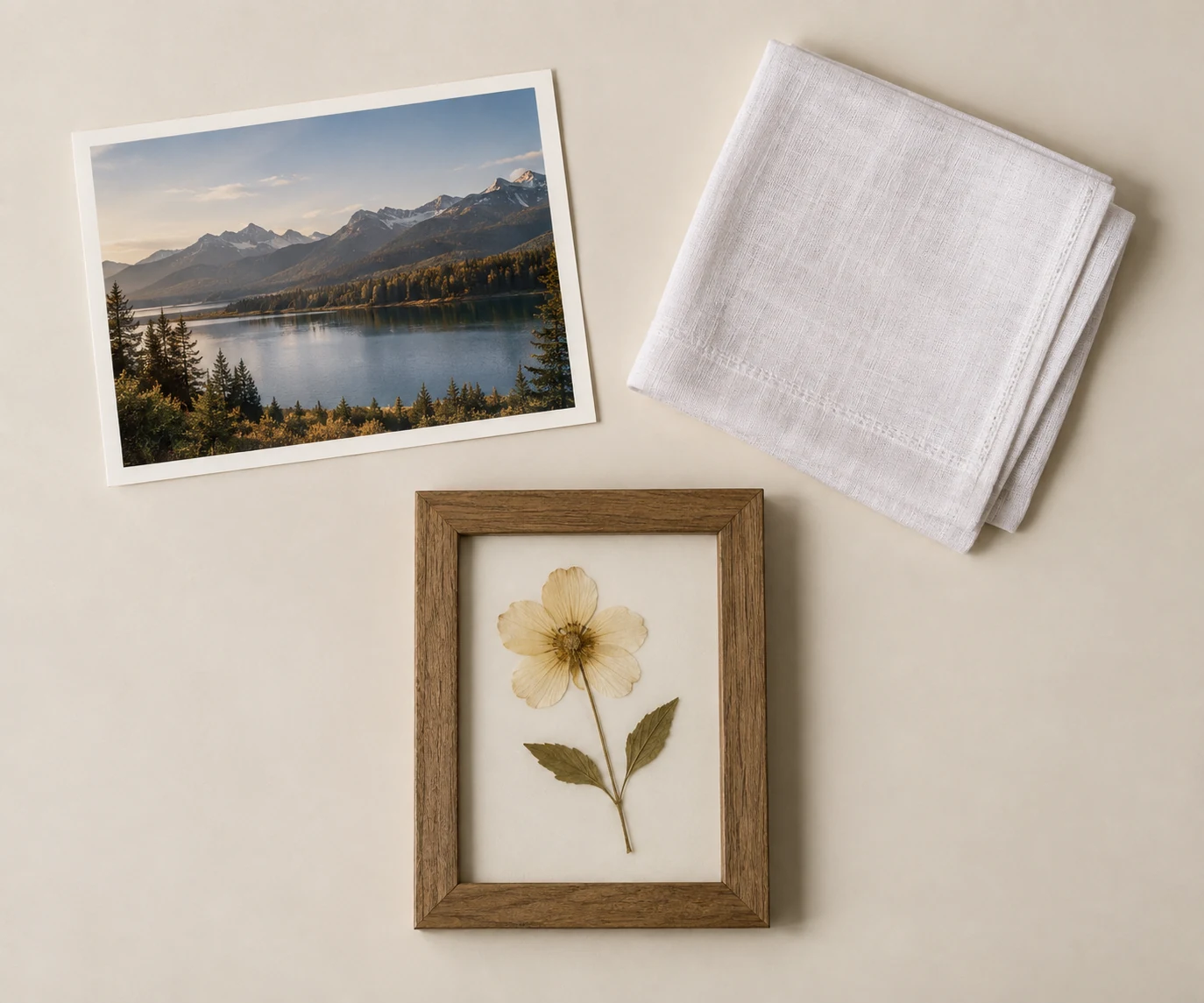
Choose a small number of reminders that identify or evoke the people covered by your purpose statement. Adaptable options include:
- A photograph you have permission to display
- A written name
- A family keepsake
- A letter or copied passage
- Another personally appropriate reminder
These are suggestions, not required altar objects. Before adding something, consider its ownership, privacy, emotional significance, and fit with the boundaries you have established. Ask whether displaying it could affect another family member or expose information that should remain private.
Museum examples show that commemorative representations take different forms. One documented altar includes plaques, while Chinese family altars have used memorial tablets. These examples demonstrate variation among traditions; they do not mean that your altar needs a plaque or tablet.
Select only what directly supports your stated purpose. A few carefully chosen representations can keep the space clear and manageable, particularly when family objects are fragile, disputed, or deeply private. If ownership is unclear, do not assume that an object is available for altar use.
If you do not have photographs or inherited objects, the altar can remain simple. You might use a privately written name or leave the space without a representation until something appropriate becomes available. You do not need an heirloom to create an intentional place of remembrance.
Decide Whether to Include Offerings
Step 5
Offerings are optional. Museum collections document fruit, food, wine, and other drinks on some memorial altars. A Fon asen may also receive food or drink associated with the particular ancestor it commemorates. These are documented examples from specific contexts, not universal requirements.
If offerings are appropriate within your family, beliefs, or tradition, choose only something that has a clear and respectful meaning there. Do not add an item merely because you have seen it used in a culture or ritual unrelated to you. Your purpose statement and established boundaries should determine whether an offering belongs.
Choosing no offering is equally valid. Your altar might contain only names, photographs, keepsakes, or open space. Omitting offerings does not make the altar incomplete.
Apply the practical rules you established when choosing the location. Include food or drink only if you can keep it hygienic and remove it within the interval you selected. Alcohol must fit your household agreements and remain inaccessible to children and pets. Omit any item that creates a household conflict or safety problem.
If an offering becomes spoiled, unsafe, difficult to manage, or inconsistent with household needs, remove it. Practical care takes priority over maintaining an arrangement that no longer works.
Do not claim that ancestors necessarily need, consume, prefer, or demand a particular offering. You may understand an offering symbolically, spiritually, or as an act of remembrance according to your beliefs, but that interpretation should not be presented as a guaranteed fact.
Create a Simple Maintenance Routine
Step 6
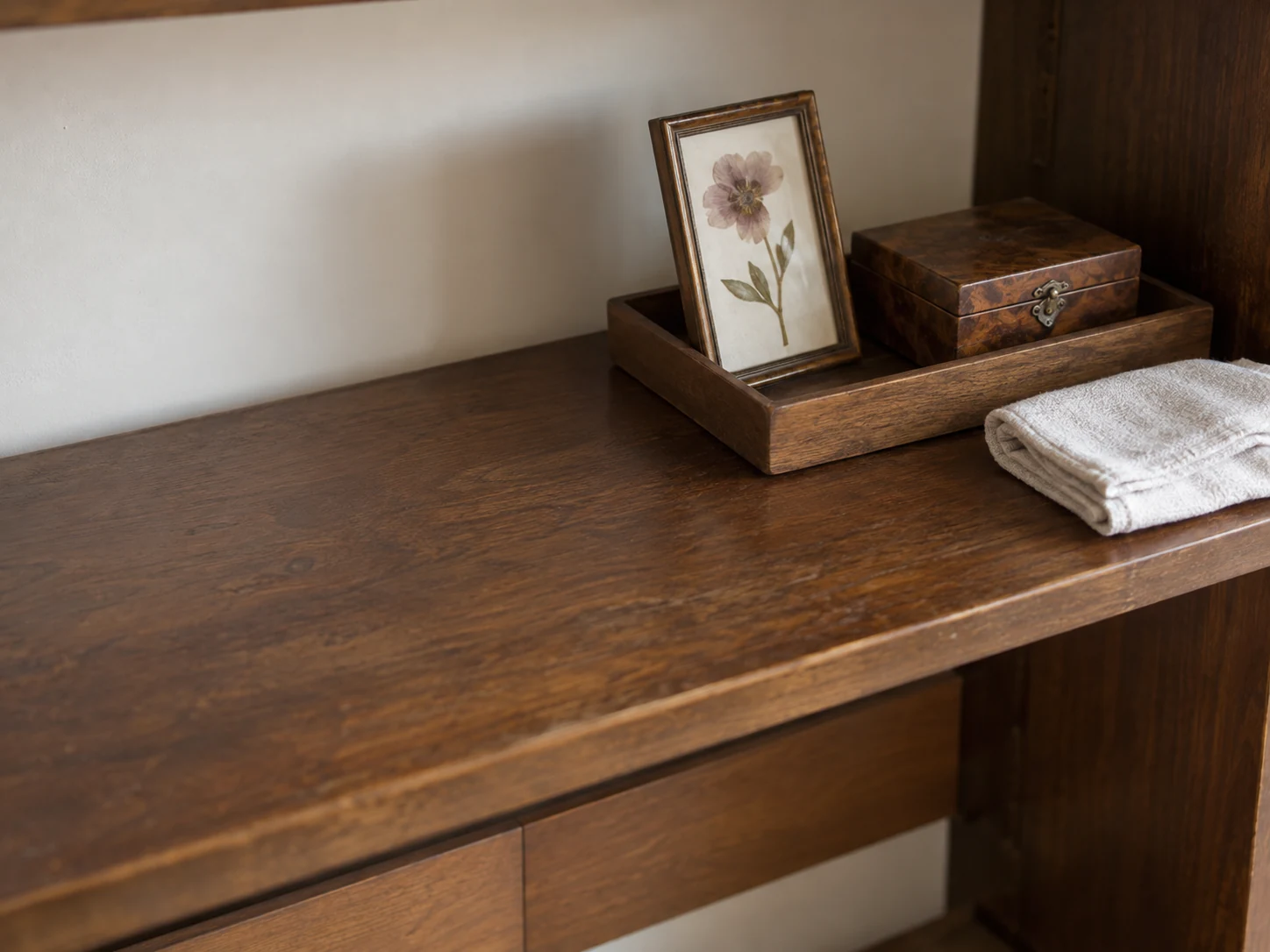
Choose a regular but manageable time to care for the altar. This routine might involve cleaning the space, reflecting quietly, or replacing selected items. Match the schedule to the time you have available so remembrance does not become a burden.
Your routine may include:
- Dusting the altar surface
- Checking photographs, keepsakes, and other objects
- Removing or refreshing food and drink within the safe interval you chose
- Confirming that fragile or potentially harmful items remain inaccessible to children and pets
- Considering whether each item still belongs in the space
The schedule should reflect the altar’s actual contents. A simple arrangement of names or photographs may need only occasional cleaning, while food and drink require the prompt care already established in your safety plan.
Return to your purpose statement when deciding which recurring actions to keep. If the altar exists mainly for occasional family storytelling, it may not need daily attention. If it supports regular reflection, a more frequent but brief routine may be appropriate.
Consistency can be simple. Choose the smallest routine that keeps the space safe, intentional, and manageable. Adjust it whenever your schedule or household circumstances change. Removing unnecessary tasks can preserve the altar’s purpose without allowing its care to become burdensome.
Review, Adapt, Pause, or Dismantle the Altar
Step 7
Choose a review point after the altar has been in use for a meaningful period. Review it sooner if household circumstances change—for example, if the space must be shared differently or its contents can no longer be maintained safely.
At that point, ask:
- Does the altar still support its original purpose?
- Is its location still safe?
- Does it respect current personal, household, and cultural boundaries?
- Is its maintenance routine realistic?
- Do its representations and optional offerings still feel relevant?
Compare your answers with the purpose statement and limits you recorded at the beginning. This keeps the review focused on the altar you intended to build rather than on outside expectations.
Your answers may lead you to remove an item, simplify the routine, relocate the altar, or change how private it is. You may also pause the practice or dismantle the altar. None of these choices means that the practice failed. An intentional space can change as your knowledge, needs, and circumstances change.
When removing family objects or representations, consider their significance and ownership. Follow household agreements concerning photographs, names, possessions, food, and other shared materials. Return, store, or otherwise handle meaningful objects in a way that respects those agreements. Do not discard or redistribute an item merely because it no longer suits the altar.
Let Intention, Respect, and Sustainability Be the Standard
A successful personal altar remains aligned with its purpose, safe for the household, respectful of cultural boundaries, and realistic to maintain. Its value does not depend on its size, complexity, or resemblance to anyone else’s practice.
Begin simply, and allow the space to evolve as you learn more about your family or your circumstances change. Personal meaning does not require claims about guaranteed spiritual outcomes. An honest, respectful practice of remembrance is enough.