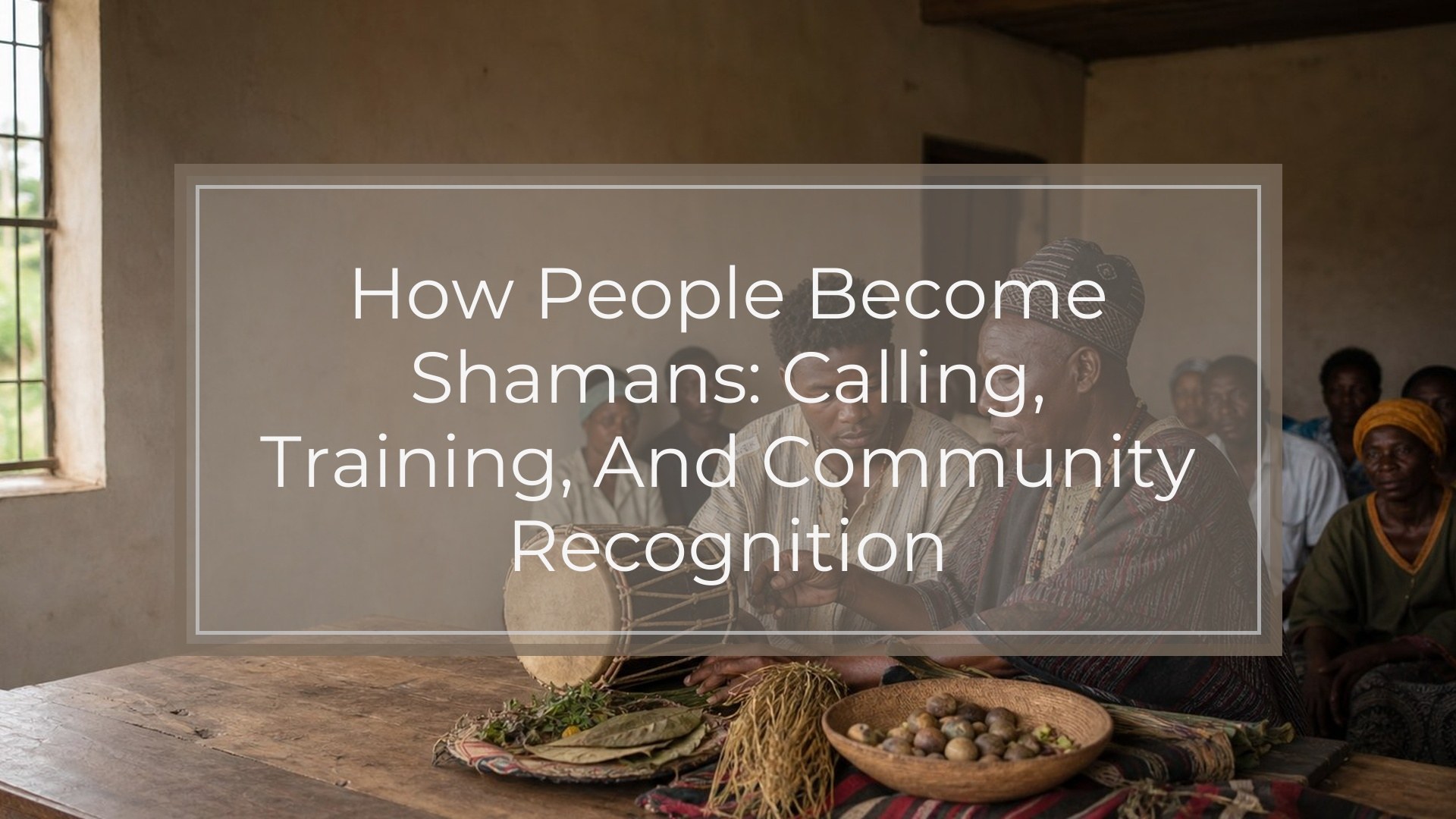
People become shamans through culturally specific paths, not through one universal formula. In many traditions, the process may include a spiritual calling, ancestral obligation, serious illness or crisis, dreams, visions, apprenticeship, initiation, ritual training, and recognition by a community. Some people are understood to be chosen by spirits or ancestors; others inherit responsibilities through family lines; others train under elders after signs appear.
Still, “shaman” is not a title someone can responsibly claim simply because they feel spiritual, use drums, or have unusual experiences. In traditional practice, legitimacy is usually determined within a living tradition, lineage, or community. What counts as a real calling, proper training, or valid authority depends on the culture involved.
What Does It Mean to Become a Shaman?
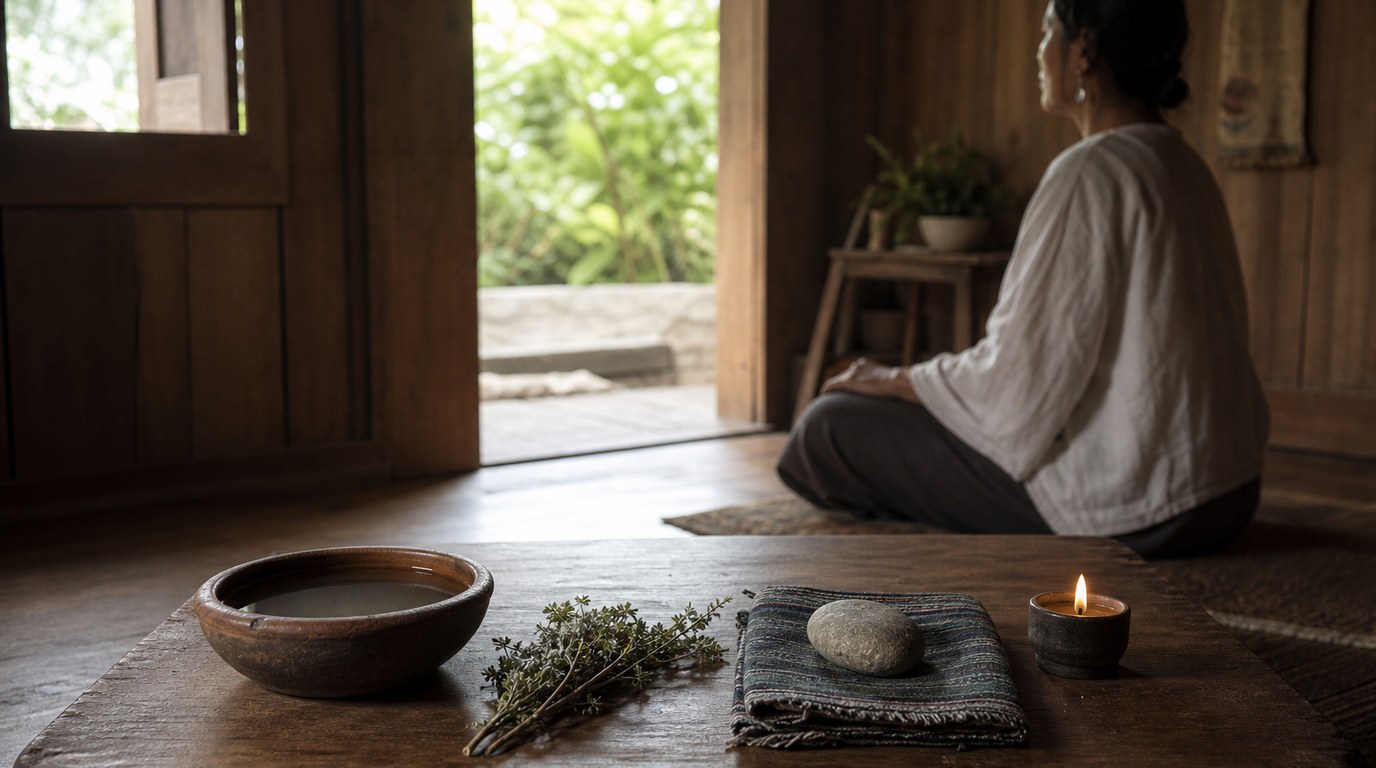
A shaman is often described as a ritual specialist who mediates between human beings and spirits, ancestors, land powers, or unseen forces. Depending on the tradition, this work may involve healing, divination, protection, guidance, soul retrieval, ceremony, or restoring balance between people and the spirit world.
The word “shaman” entered English through studies of Siberian and Tungusic contexts, and it is now used broadly. That broad use can be helpful for comparison, but it can also flatten important differences. Many cultures have their own names for spirit workers, healers, diviners, mediums, ceremonial leaders, or ancestral specialists. Not all of them would call themselves shamans, and not all should be grouped under that label.
So, becoming a shaman means entering a recognized spiritual role within a particular tradition, not merely adopting a general spiritual identity.
There Is No Single Universal Path
There is no single checklist for how people become shamans. Shamanic becoming differs by people, place, language, lineage, cosmology, and community. A sign that matters deeply in one tradition may mean little in another. A dream, illness, or trance may be interpreted as a calling in one setting, while another community may require years of apprenticeship, public testing, and elder approval.
This is why careful language matters. We can speak about recurring patterns across accounts, but those patterns are not universal laws. What counts as valid calling, training, initiation, or authority belongs to the tradition itself.
Common Pathways: Calling, Crisis, Training, and Recognition
Across many shamanic and spirit-working traditions, several themes appear repeatedly, though not everywhere.
One common theme is a calling. This may be understood as spirits, ancestors, deities, or other powers choosing a person for service. The calling may come through dreams, visions, repeated signs, unusual sensitivities, or encounters during ritual. In some traditions, the role may run through family lines, with ancestral spirits calling descendants to continue the work.
Another recurring theme is crisis. Some accounts describe serious illness, emotional upheaval, near-death experience, or a period of disorientation that becomes spiritually meaningful within the tradition. This does not mean illness automatically makes someone a shaman. Rather, some communities interpret certain crises as signs that require ritual diagnosis and training.
Training is also central. A person may apprentice with an elder, learn prayers, songs, healing methods, divination, taboos, offerings, or ways of working with plant, animal, or land spirits where culturally appropriate. Finally, recognition matters. A shaman is usually known by service: helping others effectively and being acknowledged by the community.
The Role of Ancestors, Spirits, and Community
In many traditions, ancestors and spirits are not symbolic extras; they are understood as sources of authority, instruction, protection, and obligation. A person may be called because an ancestor served in a similar role, because a spirit demands a relationship, or because the community needs someone to carry particular ceremonies.
From the outside, people may focus on the personal experience: the dream, the vision, the trance, the crisis. Inside a tradition, the larger question is often service. Can this person help restore balance? Can they work safely? Are they accountable? Do elders, spirits, ancestors, or the community recognize their role?
This is why shamanic authority is rarely only individual. It is relational: with spirits, ancestors, teachers, ritual protocols, and the people served.
What Training May Include
Shamanic training, where present, can be demanding and practical. A student may learn the tradition’s cosmology: how the world is understood, where spirits dwell, what causes imbalance, and how healing or divination is performed. Training may include songs, chants, drumming, trance techniques, offerings, purification, ritual diagnosis, and ethical boundaries.
It may also involve learning how to prepare, feed, store, or protect ritual objects. Some traditions teach strict taboos around food, sexuality, speech, mourning, or ritual timing. Others require long apprenticeships, seclusion, fasting, ceremony, or public initiation.
Not all knowledge is public. Sacred songs, names, medicines, prayers, or techniques may be restricted to initiated people. They should not be copied from books, ceremonies, or online videos without permission.
Examples Across Traditions, Without Flattening Differences
In Siberian and Inner Asian traditions, the word “shaman” is historically rooted in specific languages and practices. Accounts may include spirit calling, ecstatic journeying, drumming, costume, ancestral spirits, and healing work, though details vary widely across peoples.
In Indigenous traditions of the Americas, there are many distinct ceremonial, healing, and divining roles, each with local names and protocols. It is not respectful to treat them all as “shamans” or assume they share one system.
This is why approaching shamanism with care and respect begins with listening to specific peoples, names, and boundaries.
In Korea, mudang may be called through spirit illness and undergo initiation, but Korean traditions have their own language, ritual structure, and social history. In Amazonian contexts, some ayahuasca-related healers train through diets, songs, plant relationships, and apprenticeship, depending on the lineage.
African traditional and African diasporic religions may include possession, divination, mediumship, priesthood, and ancestral service. These roles should not automatically be labeled shamanism.
Common Misconceptions About Becoming a Shaman
A shaman is not simply anyone who likes crystals, drums, dreams, animal imagery, or altered states. These may be meaningful spiritual interests, but they do not equal traditional authority.
A weekend course does not make someone a shaman in the traditional sense. It may introduce techniques, but initiation, lineage, accountability, and community recognition are different matters.
Trauma alone does not make someone a shaman. Some traditions interpret certain crises as callings, but this interpretation requires cultural context, ritual discernment, and support.
Shamans are also not all the same as priests, psychics, witches, herbalists, mediums, or medicine people. These roles can overlap in some places and differ sharply in others.
Another misconception is that shamanism is always gentle, individualistic, or focused on personal empowerment. In many accounts, it involves obligation, danger, discipline, taboos, and service to the community.
A Respectful Way to Approach the Question Today
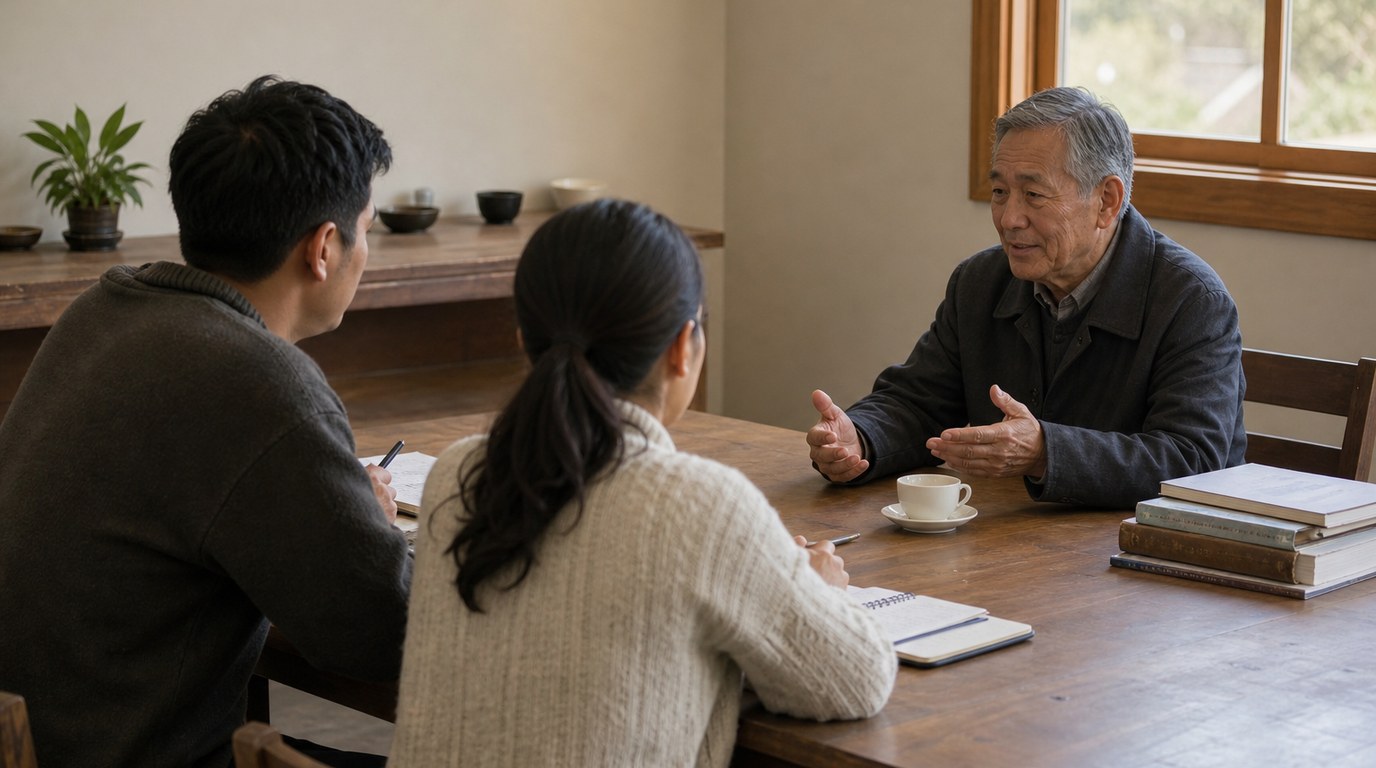
A respectful approach begins with humility. Learn from reputable sources, especially voices rooted in the traditions being discussed. Respect closed practices and do not claim titles casually. If you feel called toward a path, seek legitimate teachers or elders where appropriate, and expect accountability rather than instant status.
You can also tend your own ancestors, prayers, offerings, and spiritual responsibilities without borrowing another culture’s titles. If you are experiencing distressing visions, voices, or crisis, seek grounded spiritual support and appropriate mental health care. Spiritual meaning and practical care can coexist.
FAQ
Can Anyone Become a Shaman?
Not in a universal sense. Some traditions teach that spirits or ancestors choose certain people; others emphasize lineage, apprenticeship, initiation, or community recognition. A person may study shamanic ideas, but becoming a shaman traditionally depends on the rules and authorities of a specific culture.
Do You Have to Be Born Into a Shamanic Family?
In some traditions, family lineage is very important, and the role may pass through ancestral lines. In others, a person may be called outside a known shamanic family. Even then, training, initiation, and recognition usually matter. Birth alone may not be enough.
Is Illness Always Part of Becoming a Shaman?
No. Illness or crisis appears in many accounts, but it is not universal. Some traditions interpret particular illnesses as signs of calling, especially when confirmed ritually. However, illness by itself does not prove someone is a shaman, and medical care should not be ignored.
How Long Does Shamanic Training Take?
It varies widely. Training may last months, years, or a lifetime, depending on the tradition and the person’s responsibilities. Some learning is formal, through apprenticeship or initiation. Some is ongoing, through dreams, rituals, service, mistakes, correction, and deepening relationships with spirits or ancestors.
Is a Shaman the Same as an Ancestral Healer?
Not always. Some shamans work closely with ancestors, and some ancestral healers perform spirit work, divination, or healing. But the terms are not interchangeable. “Ancestral healer” may belong to a different cultural framework, with different training, authority, and ritual responsibilities.