
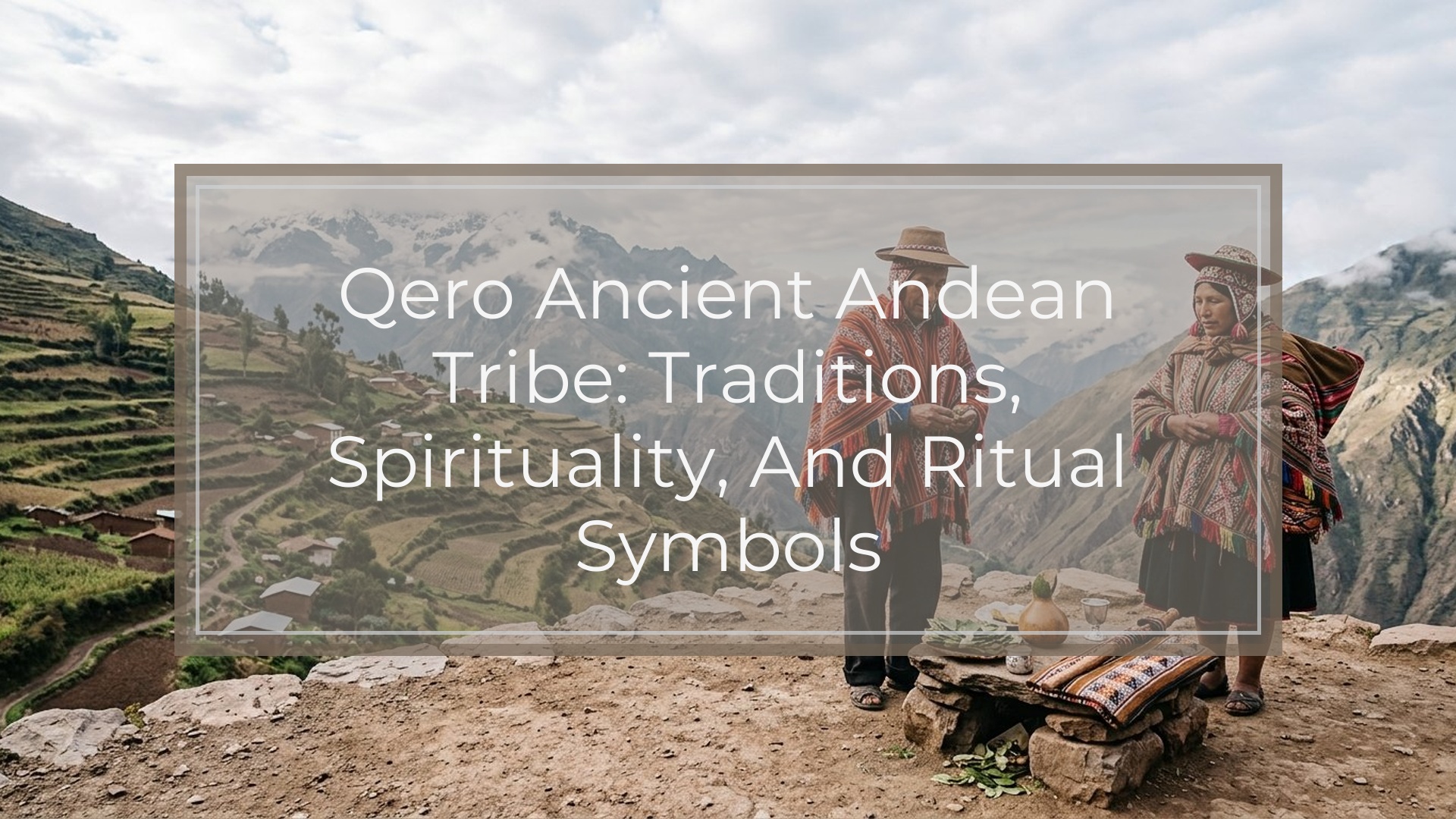
The Q’ero are a living Indigenous Andean people from the highlands of Peru, often associated with Quechua language, pastoral life, and spiritual traditions rooted in reciprocity with the land, mountains, ancestors, and unseen forces. Some people search for them as the “Qero ancient Andean tribe,” but that phrase can be misleading. The Q’ero are not a vanished or frozen culture; they are contemporary communities with deep ancestral knowledge and changing modern lives. Their traditions matter because they show a relational way of living: offering, receiving, remembering, and maintaining balance with Pachamama, the Apus, family lineages, and sacred places.
Understanding the Q’ero as a Living Andean People
The Q’ero are Indigenous Quechua-speaking communities from the Cusco region of Peru, especially known for their high-altitude villages, weaving, herding, music, and ritual specialists. They are often described as descendants of Inca-era Andean culture, but it is more respectful to understand them as living people with continuity, adaptation, and diversity.
Calling the Q’ero an “ancient tribe” may reflect sincere curiosity, yet it can flatten who they are. Their traditions are old, but their communities exist now. They have families, economic pressures, local leadership, regional relationships, and different levels of participation in ritual life.
A helpful entity profile is simple: the Q’ero are a living Andean people; their region is the Peruvian highlands; their spiritual world emphasizes reciprocity, offerings, sacred mountains, earth reverence, and ancestral relationship; their teachings are relevant when approached with humility rather than extraction.
Why the Q’ero Matter in Andean Spiritual Traditions
The Q’ero matter because they are frequently recognized as carriers of important Andean spiritual knowledge. Their traditions have helped many outsiders understand concepts such as ayni, the sacred exchange of giving and receiving, and the relationship between human beings and the living cosmos.
For readers interested in ancestor altars, offerings, and home ritual, the Q’ero offer a powerful reminder: spirituality is not only belief. It is relationship. Food, breath, coca leaves, woven cloth, songs, and prayers can become ways of maintaining harmony with those who came before, the earth that sustains us, and the places that hold our lives.
At the same time, the Q’ero should not be treated as a spiritual brand or a shortcut to “ancient wisdom.” Their practices arise from language, land, lineage, and community. Respect begins by recognizing that sacred knowledge belongs within real cultural relationships.
Key Traits of Q’ero Spirituality
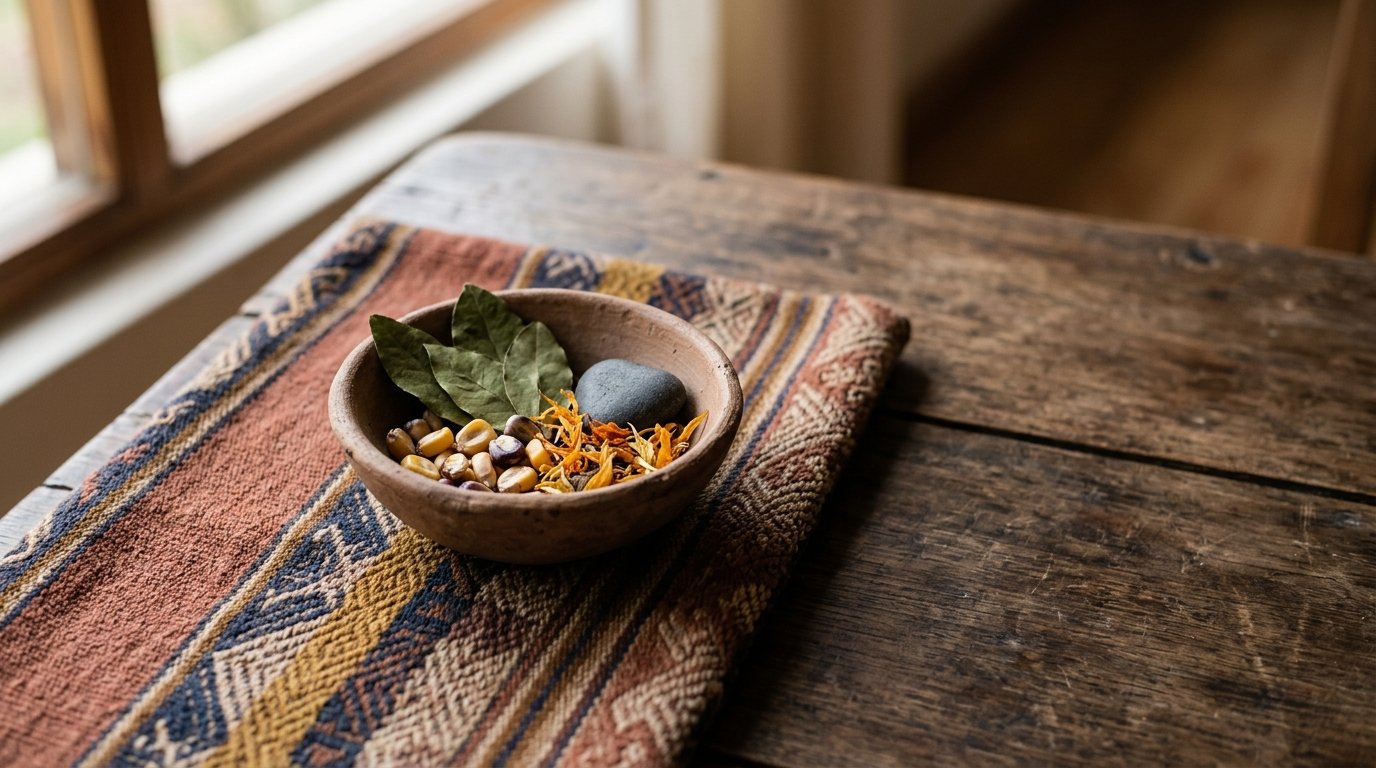
One of the central traits associated with Q’ero spirituality is ayni. Ayni means reciprocity, but not in a cold transactional sense. It is the living balance between giving and receiving. People give offerings to Pachamama, the living Earth, and to the Apus, the powerful mountain beings, not as superstition but as participation in a sacred relationship.
Another important trait is reverence for place. Mountains, springs, fields, homes, and paths are not treated as empty backdrops. They are part of a living world. This is especially meaningful for ancestor-focused practitioners, because it expands remembrance beyond family names into land, food, weather, and the forces that made survival possible.
Q’ero traditions also include ritual specialists often called paqos. Paqos may work with offerings, blessings, healing, divination, or energetic balance, depending on lineage and training. Their work should not be reduced to a technique copied from a book or workshop.
Offerings are another defining element. Despachos, for example, are ceremonial offerings arranged with symbolic ingredients and prayerful intention. While many people have heard of them, they are best approached through trained, accountable teachers rather than casually imitated. The deeper lesson is not the object alone, but the ethic: gratitude, balance, humility, and right relationship.
Common Q’ero Ritual Objects and Symbols
Several ritual objects and symbols are often associated with Q’ero and broader Andean practice. Coca leaves are among the best known. They may be used in offerings, prayer, divination, hospitality, and relationship with the sacred. Their meaning is cultural and spiritual, not merely botanical.
Woven cloths are also important. Textiles can carry identity, protection, beauty, memory, and cosmology. A cloth may serve as a ritual bundle, altar surface, carrying cloth, or ceremonial container, depending on context.
Other related elements include stones, seeds, shells, flowers, sweets, grains, llama fat, incense, and symbolic miniatures used in offerings. The Apus, or mountain spirits, and Pachamama are not “objects,” but they are central sacred presences.
For a home altar practitioner, these examples are best understood as reminders: sacred objects gain meaning through relationship, lineage, care, and intention, not through decoration alone.
Practical Lessons for Ancestor Altars and Home Ritual
The most practical lesson from Q’ero traditions is reciprocity. An ancestor altar is not only a place to ask for help. It is a place to feed memory, offer gratitude, and keep relationship alive. This can be done in ways rooted in your own ancestry, land, and household without copying restricted Q’ero ceremonies.
You might place clean water for your ancestors, offer a small portion of food before a family meal, speak names aloud, or thank the land where you live. These simple actions align with the spirit of ayni: you receive life, so you give care.
Another lesson is reverence for the natural world. If your altar includes flowers, stones, soil, or seasonal foods, treat them as more than aesthetic items. Ask where they came from. Offer thanks. Dispose of them respectfully.
Finally, remember that spiritual practice is relational. If you are inspired by the Q’ero, let that inspiration make you more ethical: more grateful, more attentive to land, more respectful of Indigenous sovereignty, and more careful about what you claim as your own.
Examples of Respectful Ways to Engage with Q’ero Teachings
A respectful beginner might start by reading work by Andean scholars, Indigenous voices, and accountable teachers rather than relying only on mystical summaries online. If attending a workshop, ask who authorized the teaching, how the community benefits, and whether sacred practices are being simplified for profit.
You can also engage through support rather than consumption: buy textiles through fair channels, learn about Quechua communities, donate to community-led projects, or study Andean history without romanticizing it.
In personal ritual, focus on universal values that do not require cultural claiming: gratitude, reciprocity, feeding the ancestors, honoring the earth, and asking permission before taking from nature.
Related Andean Entities and Concepts to Know
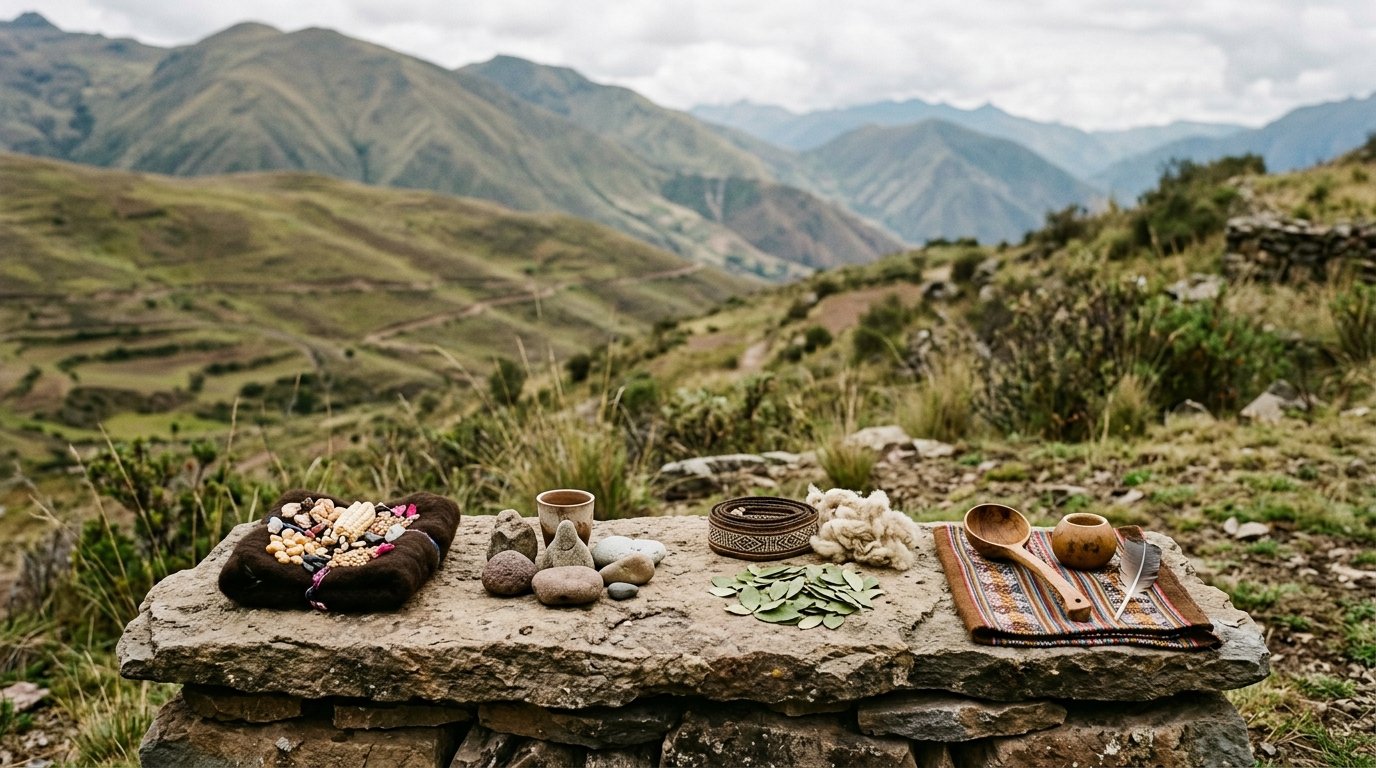
Several related Andean concepts help place the Q’ero in context. Pachamama refers to the living Earth or Earth Mother, honored through offerings and daily respect. Apus are sacred mountain beings with protective and relational power. Ayni is the principle of sacred reciprocity.
Paqos are ritual specialists, though their roles vary by community and training. Despacho ceremonies are offerings made with symbolic ingredients, prayer, and intention. Quechua refers both to a language family and many Indigenous peoples of the Andes.
These concepts are related to the Q’ero, but they are not interchangeable with them. The Q’ero are a people, not just a set of symbols.
FAQ
What Should a Beginner Know First About Qero Ancient Andean Tribe?
A beginner should know that “Qero” usually refers to the Q’ero, a living Indigenous Andean people of Peru. They are not a vanished ancient tribe. Their traditions are rooted in reciprocity, offerings, sacred mountains, Pachamama, ancestors, and ongoing community life.
What Matters Most When Evaluating Qero Ancient Andean Tribe?
What matters most is respectful framing. Look for sources that treat the Q’ero as contemporary people, not mystical relics. Good information will acknowledge land, language, community, lineage, and ethics, while avoiding claims that anyone can freely copy sacred practices.
What Mistakes Should Readers Avoid with Qero Ancient Andean Tribe?
Avoid calling the Q’ero primitive, untouched, or purely ancient. Do not copy ceremonies without training or permission. Avoid buying “Q’ero spirituality” as a product detached from community benefit. Also avoid assuming all Andean traditions are identical across regions and peoples.
What Is the Next Logical Step After Learning About Qero Ancient Andean Tribe?
The next step is to study with care. Read reputable Andean and Indigenous sources, learn about Pachamama, Apus, ayni, and Quechua communities, and reflect on your own ancestor practices. If you seek instruction, choose accountable teachers who honor Q’ero people and reciprocity.