
Ancient wisdom matters in the modern world because it helps us remember that human beings have always faced questions of belonging, grief, purpose, responsibility, and relationship with the unseen. It does not replace modern science, medicine, or critical thinking. Rather, it offers inherited ways of reflecting on life: stories, rituals, ethical teachings, seasonal practices, prayers, and forms of remembrance passed through families and cultures.
For those drawn to ancestor altars and ancestral reverence, ancient wisdom can become a grounded practice of memory. It asks: What did our people learn? What should be carried forward? What should be healed, questioned, or released? Its value is not in treating the past as perfect, but in listening carefully.
What Is Ancient Wisdom?

Ancient wisdom refers to inherited teachings, practices, stories, rituals, ethical principles, and observations passed down through cultures over generations. It may appear in sacred texts, oral traditions, proverbs, ceremonies, healing customs, seasonal observances, family habits, or ways of honoring the dead.
The word “ancient” does not automatically mean better, and “wisdom” does not mean every old idea should be accepted without question. A balanced definition includes both respect and discernment. Ancient wisdom is best understood as accumulated human reflection: what communities noticed about survival, kinship, spirit, nature, grief, leadership, and right relationship.
In spiritual life, it often points toward continuity. We are not the first to ask how to live well.
Why Ancient Wisdom Still Matters Today
Modern life gives us speed, convenience, and access to information, but it does not always give us meaning. Ancient wisdom matters because it can slow us down and reconnect us with older questions: How should we treat one another? How do we honor the dead? What do we owe future generations? How do we live with uncertainty?
Practically, ancient teachings often emphasize values still needed today: patience, reciprocity, humility, hospitality, courage, restraint, and gratitude. Spiritually, many people experience ancestral or traditional practices as a way to feel rooted rather than isolated.
These benefits should be framed carefully. Ancient wisdom is not a guaranteed cure for modern anxiety, injustice, or disconnection. But it can provide language, ritual structure, and moral orientation for people seeking a deeper relationship with life.
The Ancestral Dimension: Remembering Where We Come from
For readers interested in ancestor altars, ancient wisdom is not only an abstract concept. It can live in acts of remembrance: lighting a candle, speaking the names of the dead, placing water or flowers on an altar, cooking a family recipe, or asking what values are worth carrying forward.
Ancestor veneration varies widely across cultures. Some traditions understand the ancestors as active spiritual presences. Others approach remembrance symbolically, psychologically, or historically. Both approaches can be meaningful when practiced honestly.
An ancestor altar can become a place where inherited wisdom is honored without pretending the past was perfect. Many lineages carry beauty and pain. Remembering where we come from includes gratitude, grief, accountability, and healing.
Ancient Wisdom and Modern Life: Practical Connections
Ancient wisdom becomes relevant when it speaks to real life. The point is not to copy the past exactly, but to notice enduring themes and adapt them with care.
| Modern challenge | Ancient theme | Possible practice |
|---|---|---|
| Feeling disconnected | Belonging and lineage | Learn family stories or honor chosen ancestors |
| Constant busyness | Sacred time | Keep a weekly quiet ritual |
| Grief and loss | Remembrance | Light a candle or speak a name |
| Consumer pressure | Simplicity and gratitude | Offer thanks before meals |
| Isolation | Community obligation | Check on elders or neighbors |
These practices are not one-size-fits-all. They are examples of how old patterns can become living guidance.
Common Misconceptions About Ancient Wisdom
One misconception is that ancient wisdom means rejecting modern life. In reality, many people combine ancestral practices with modern medicine, technology, education, and social awareness. Respecting the old does not require abandoning the present.
Another misconception is that all ancient teachings are automatically wise. Some inherited ideas reflect historical injustice, fear, or social control. Discernment matters. A teaching can be old and still need to be questioned.
A third misconception is that ancient wisdom belongs only to distant or exotic cultures. Every lineage has inherited knowledge: songs, foodways, burial customs, prayers, sayings, survival skills, and moral lessons.
Finally, some assume there is one universal ancestral path. There is not. Traditions differ, and even within families people may practice differently. Respect begins by avoiding overgeneralization.
Examples of Ancient Wisdom in Everyday Practice
Ancient wisdom can be simple. You might begin the day by offering gratitude before checking your phone. You might keep a glass of water on an ancestor altar as a sign of welcome and remembrance. You might cook a dish connected to your family, region, or spiritual lineage and reflect on who made survival possible.
Other examples include observing seasonal changes, resting on a sacred day, tending a grave, learning traditional songs, listening to elders, keeping promises, or giving before asking. Many traditions teach that relationship is maintained through attention.
None of these practices require perfection. Their power often comes from repetition, sincerity, and the willingness to be shaped by memory.
How to Engage Ancient Wisdom Respectfully
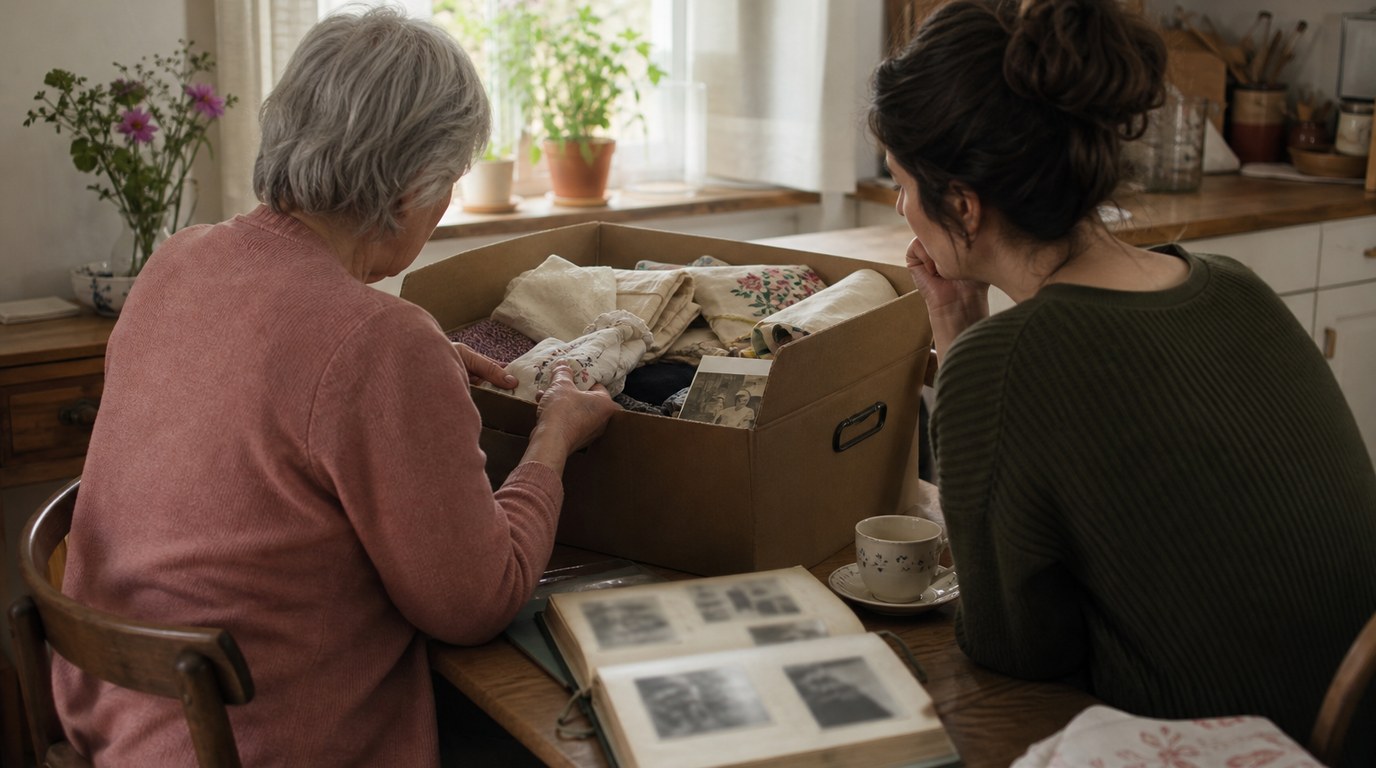
Start close to home when possible. Learn your family stories, regional customs, ancestral languages, food traditions, or spiritual histories. If your lineage is fragmented by migration, adoption, enslavement, displacement, or family silence, begin with what is available and move gently.
When learning from traditions outside your own, study with humility. Notice whether teachings are public or restricted. Credit sources. Avoid taking sacred objects, ceremonies, or titles out of context. Do not claim authority too quickly.
Respectful engagement also means listening to living communities, not only books or online summaries. Ancient wisdom is not merely content to collect. It is relationship, responsibility, and practice.
A Balanced View: Wisdom, Discernment, and Modern Responsibility
Ancient wisdom matters because it can help modern people live with deeper memory, humility, and purpose. Still, the past should not be romanticized. Some inherited patterns heal; others harm. The task is not blind obedience to tradition, but careful relationship with it.
When approached respectfully, ancient wisdom can become a bridge: between ancestors and descendants, spirit and daily life, memory and responsibility.
FAQ
What Does Ancient Wisdom Mean?
Ancient wisdom means inherited knowledge, values, rituals, stories, and observations passed down through generations. It may come through family customs, spiritual traditions, oral teachings, sacred texts, or cultural practices. It is best approached with both respect and discernment.
Why Is Ancient Wisdom Important in Modern Life?
Ancient wisdom is important because it offers perspective in a fast-changing world. It can help people reflect on belonging, grief, gratitude, ethics, community, and spiritual connection. It does not replace modern knowledge, but it can deepen how we live with it.
Is Ancestor Worship the Same as Ancestor Reverence?
Not always. “Ancestor worship” often implies devotion to ancestors as powerful spiritual beings, depending on the tradition. “Ancestor reverence” can be broader, including remembrance, gratitude, offerings, and respect. Different cultures define these relationships in different ways.
Can I Practice Ancestral Wisdom If I Do Not Know Much About My Family History?
Yes. You can begin with simple acts: learn what you can, honor unknown ancestors, reflect on inherited values, or connect with land, elders, and cultural history. If family history is painful or unclear, move slowly and include boundaries, care, and support.
How Do I Avoid Cultural Appropriation When Learning from Ancient Traditions?
Begin with humility. Learn whether a practice is open, closed, sacred, or community-specific. Study from credible teachers, credit your sources, avoid claiming titles you have not earned, and do not remove rituals from their context. When in doubt, choose respect over access.