
Three months of flowing with the Mayan energy can be understood as a 90-day spiritual practice of attention, rhythm, reciprocity, and reverence. Rather than trying to “use” Maya spirituality as a technique, this approach invites you to slow down, honor living Maya peoples and traditions, observe cycles of time and nature, and build a grounded altar practice in your own home.
For beginners, the goal is not to master the Mayan calendar or claim initiation into traditions you do not belong to. The goal is to listen, learn respectfully, make offerings with humility, reflect daily, and let the practice reshape your relationship with ancestors, land, time, and responsibility.
What Does It Mean to Flow with Mayan Energy?
To flow with Mayan energy means to live in conscious relationship with sacred time, nature, ancestry, and reciprocity while being careful not to flatten many Maya peoples and traditions into one simplified system. In practical spiritual terms, it is a commitment to notice patterns: the movement of the sun, dreams, emotions, family memory, obligations, and the consequences of your actions.
Think of it as aligning with rhythm rather than forcing results. Over three months, you create a container for prayer, observation, offerings, and ethical study. The “flow” is not passive. It asks you to participate with humility, repair what you can, and become more attentive to the living world.
A Respectful Approach to Maya-inspired Spiritual Practice
Respect comes before ritual. Maya cultures are living cultures, not a mystical aesthetic or a set of symbols to borrow freely. If you are not part of a Maya community or lineage, approach this work as inspired reflection, not as authority, initiation, or reconstruction.
Avoid claiming sacred titles, copying ceremonies you have not been taught, or selling practices under a Maya label. Learn from Maya scholars, artists, spiritual workers, and community voices where possible. Support their work materially when you can.
A respectful home practice can focus on universal spiritual values that many traditions recognize: gratitude, ancestor remembrance, care for land, disciplined prayer, and reciprocity. Name your limits clearly. You can say, “This practice is inspired by my study of Maya concepts of sacred time, and I approach it with respect.”
The Core Spiritual Themes to Work with Over Three Months
The first theme is sacred time. Maya calendar systems are complex and deeply rooted, so beginners should not reduce them to quick fortune-telling. Instead, let the idea of time as alive guide your awareness. Ask, “What kind of day is this asking me to become?”
The second theme is ancestry. This includes your blood ancestors, spiritual ancestors, cultural elders, and the more-than-human ancestors of land, water, seed, and stone. An altar can help you remember that you are not self-created.
The third theme is reciprocity. Offer before asking. Give thanks before seeking signs. Let your prayers lead to action: cleaning, feeding, donating, repairing, or telling the truth.
The fourth theme is observation. Dreams, moods, repeated lessons, and natural signs become material for reflection, not superstition.
A Three-month Practice Framework
A 90-day practice works best when it has structure without rigidity. You are not trying to perform perfectly every day. You are building a relationship slowly enough that the practice can affect your habits.
Use each month as a different stage: grounding, deepening, and integration. If you miss a day, return without drama. If something feels culturally inappropriate, pause and simplify. A candle, water, gratitude, and honest reflection are enough.
| Time Period | Main Focus | Suggested Practice | Reflection Question |
|---|---|---|---|
| Month 1 | Grounding and respect | Study, simple altar care, daily gratitude | What am I learning to approach with humility? |
| Month 2 | Relationship and reciprocity | Offerings, ancestor prayer, nature observation | Where am I being asked to give back? |
| Month 3 | Integration and responsibility | Weekly review, repair actions, closing ritual | What has changed in how I live? |
Setting up an Altar for the Practice
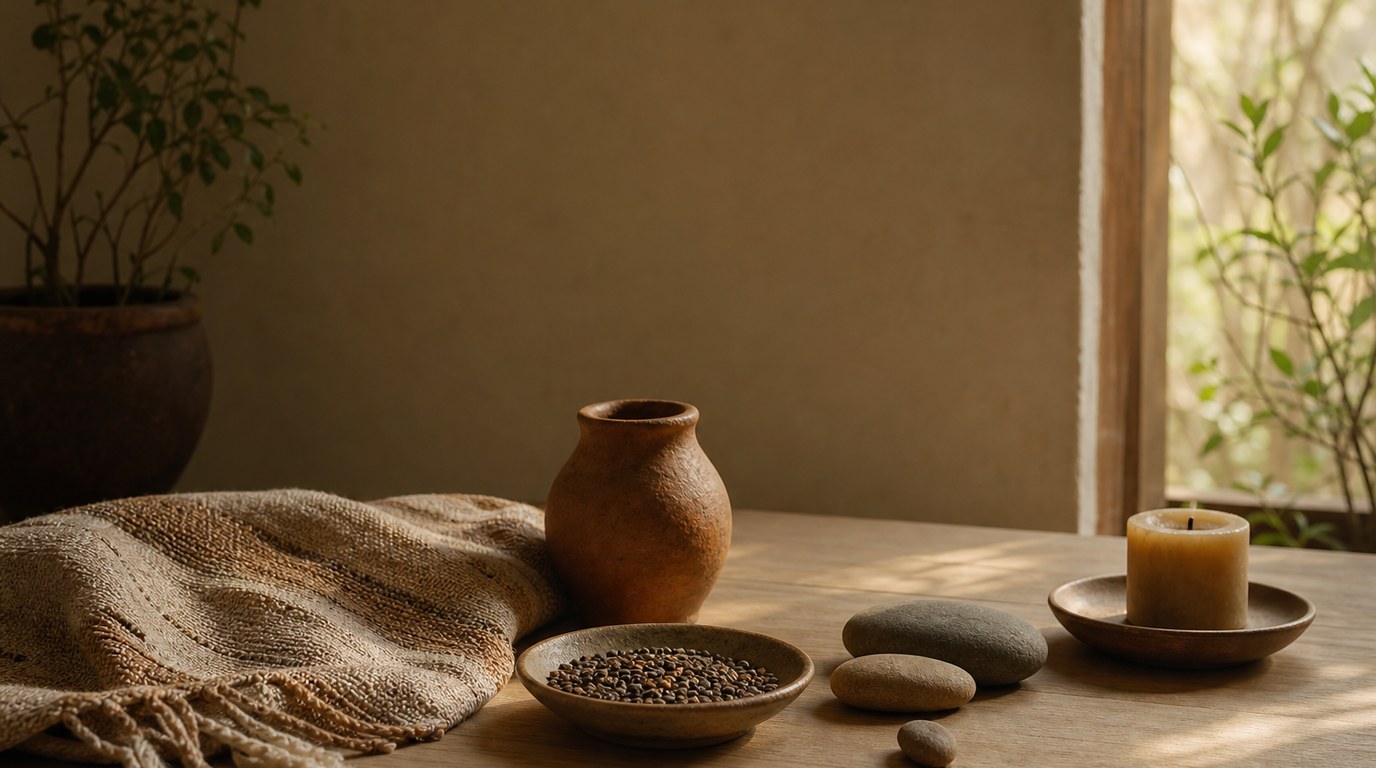
Your altar should be simple, clean, and sincere. Choose a quiet surface where offerings can be placed safely. Begin with a cloth, a bowl of fresh water, a candle, and a small dish for offerings. You may add photos or names of your own ancestors, a stone from your local area, flowers, maize or corn if meaningful and respectfully sourced, and a journal nearby.
Do not use sacred Maya symbols casually if you do not understand their context. Avoid decorative collecting that turns living traditions into objects. Instead, let your altar show relationship: water for life, flame for attention, food for gratitude, and written prayers for memory.
Refresh water regularly. Remove old offerings before they spoil. Keep the space physically clean, because cleaning is also devotion.
Daily and Weekly Ways to Flow with the Energy
Daily practice can take five to fifteen minutes. Light a candle if safe, place your hand near the water bowl, and speak a short prayer: “May I walk today with humility, gratitude, and right relationship.” Then sit quietly and notice your breath, body, and emotional weather.
Write one line in a journal each day. Keep it practical: what you noticed, what you offered, what you avoided, what you repaired. If you are tracking calendar energies through a reputable source, record them respectfully, without pretending to be an expert.
Weekly, spend more time at the altar. Replace flowers, clean the surface, review your journal, and choose one act of reciprocity. This might be feeding someone, tending plants, donating to Indigenous-led work, apologizing, conserving water, or completing a family obligation.
Nature observation is also part of the practice. Watch sunrise, rain, birds, insects, or soil. Let the land teach steadiness.
Offerings, Prayers, and Acts of Reciprocity
Offerings should be humble and appropriate. Fresh water, flowers, candlelight, fruit, corn, cacao, bread, incense, or a small cooked portion of food can all be meaningful, depending on your household and values. Offer what you can maintain respectfully, not what looks impressive.
A prayer may be as simple as: “To my ancestors, to the keepers of wisdom, to the living earth, I give thanks. May my learning become service.”
Reciprocity completes the offering. If you ask for guidance, also give effort. If you pray for healing, support healing through real-world care, truth, rest, and repair.
How to Know the Practice Is Working
The practice is working when you become more attentive, accountable, and grounded. Look for ordinary signs: you pause before reacting, remember your ancestors more often, waste less, keep promises, or feel more connected to land and home.
Do not measure success by visions, dramatic dreams, or supernatural certainty. Those may or may not come. A strong practice often shows itself through consistency, humility, clearer values, and better relationships.
If the work makes you feel inflated, entitled, or spiritually superior, return to basics: water, gratitude, study, and service.
Closing the Three Months or Continuing the Path
At the end of three months, clean the altar, offer thanks, and read your journal from the beginning. Notice what changed in your behavior, not only your feelings. Speak a closing prayer and decide what should continue.
You might keep a weekly ancestor offering, continue studying with better sources, or simplify the altar to water and candlelight. Completion does not mean abandoning the relationship. It means integrating what the 90 days taught you into daily life.
FAQ
What Should a Beginner Know First About Three Months of Flowing with the Mayan Energy?
A beginner should know that this is best approached as a respectful, reflective practice, not a claim to Maya spiritual authority. Start with humility, simple altar care, gratitude, ethical study, and attention to nature, ancestors, and sacred time.
What Matters Most When Evaluating Three Months of Flowing with the Mayan Energy?
The most important measure is whether the practice makes you more grounded, respectful, reciprocal, and responsible. Look for changes in daily behavior: cleaner commitments, better listening, more gratitude, and concrete acts of care for people, ancestors, and land.
What Mistakes Should Readers Avoid with Three Months of Flowing with the Mayan Energy?
Avoid treating Maya traditions as one single system, copying ceremonies without permission, using sacred symbols as decoration, or making grand claims after brief study. Also avoid chasing dramatic signs. Keep the work humble, practical, and rooted in respect.
What Is the Next Logical Step After Learning About Three Months of Flowing with the Mayan Energy?
The next step is to create a simple 90-day plan: choose your altar space, gather basic offerings, select trustworthy learning sources, and begin a daily journal. Start small enough to stay consistent, then let the practice deepen through service and reflection.