
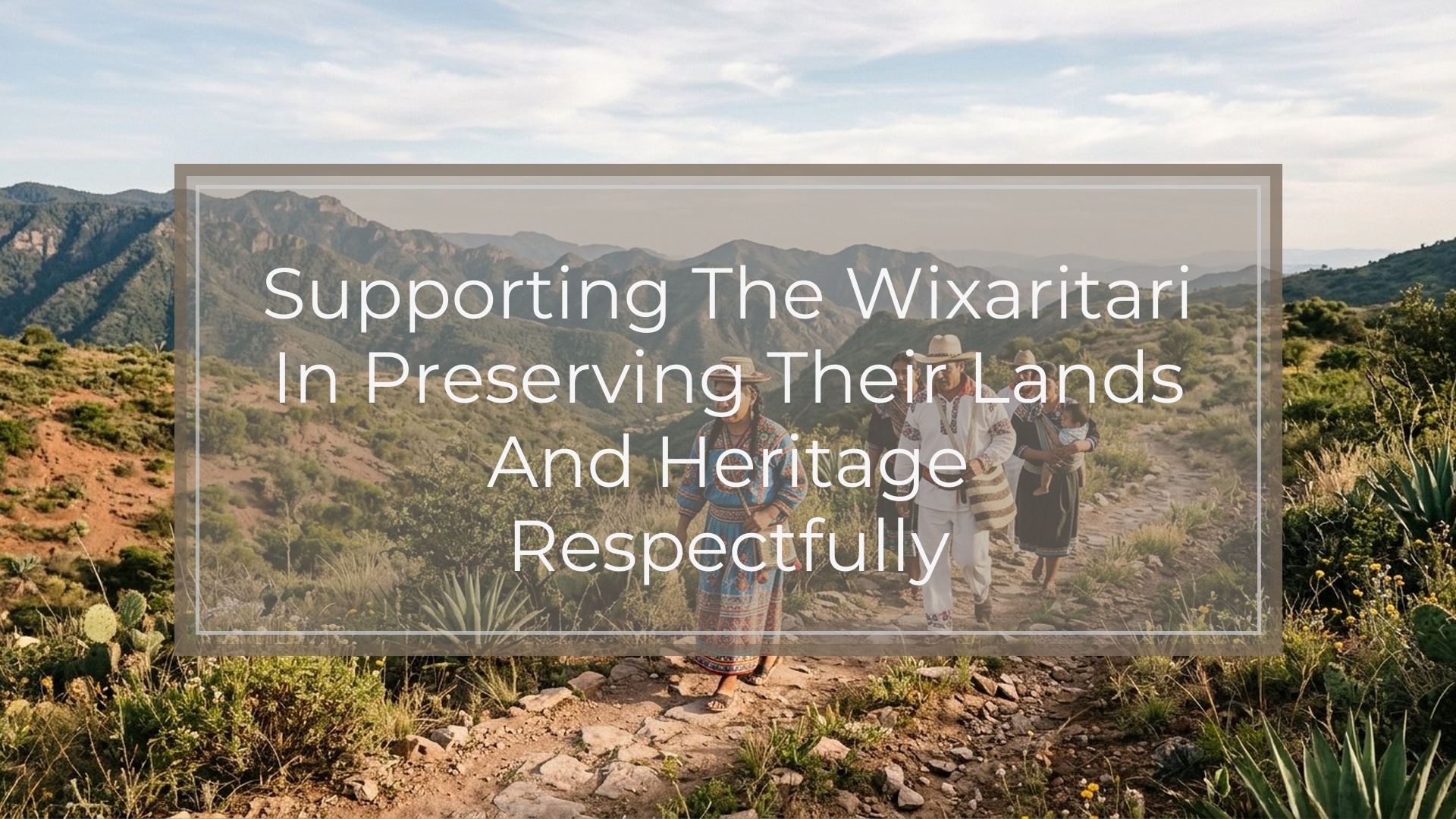
Supporting the Wixaritari in preserving their lands and heritage begins with understanding that land, ceremony, language, family memory, and sacred responsibility are not separate matters. The Wixaritari, often known in Spanish as Huichol, are an Indigenous people of western Mexico with deep spiritual relationships to ancestral territories, pilgrimage routes, sacred sites, and community knowledge. Respectful support means listening to Wixaritari-led voices, defending land rights, buying art ethically, learning without extracting, and avoiding the use of sacred symbols or ceremonies outside their proper context. For outsiders, the most helpful posture is not to “borrow” Wixaritari spirituality, but to stand beside their efforts to protect the places and practices that sustain it.
Who Are the Wixaritari?
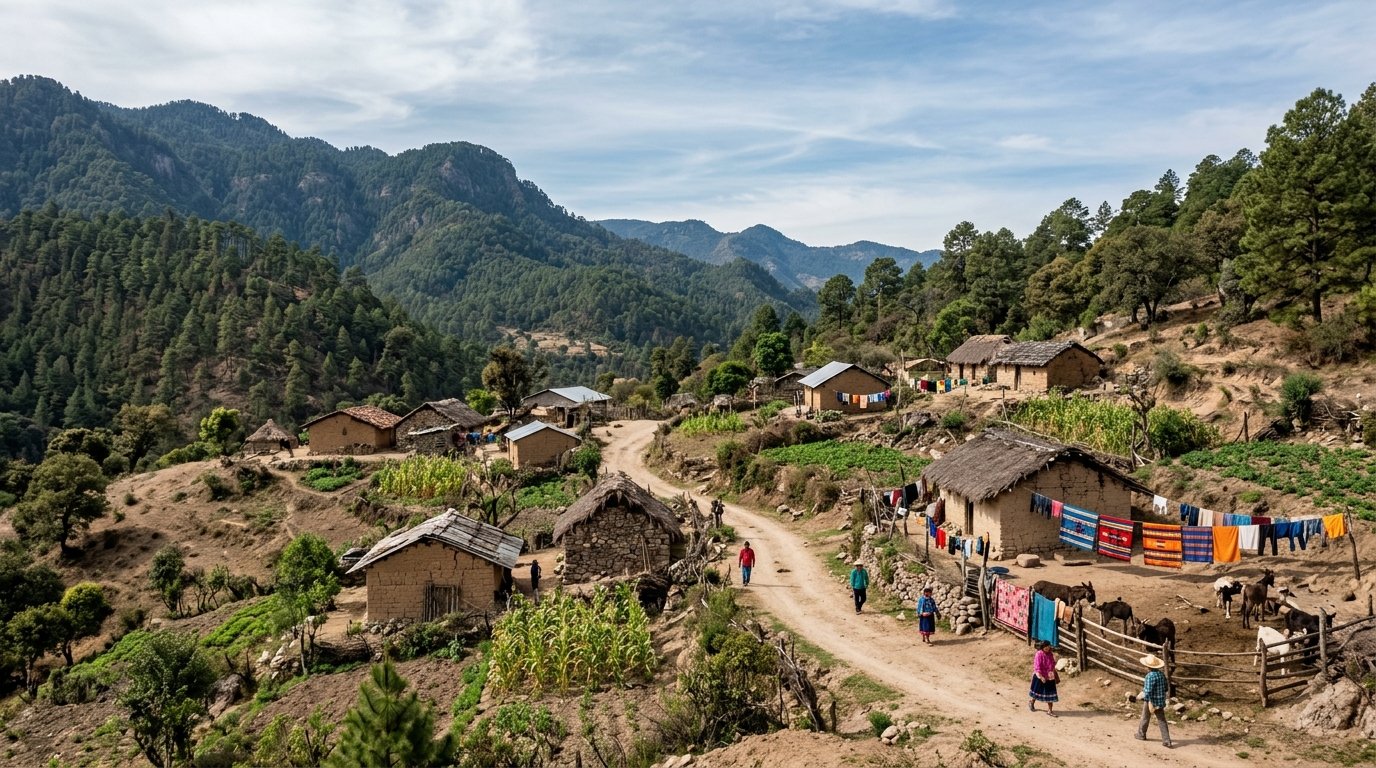
The Wixaritari are an Indigenous people whose communities are primarily connected to the Sierra Madre Occidental region of Mexico, including areas of Jalisco, Nayarit, Durango, Zacatecas, and nearby territories. “Wixaritari” is the plural form often used by the people themselves; “Wixárika” is commonly used for the singular identity and language.
They are known internationally for intricate beadwork, yarn paintings, and vivid ceremonial art, but their culture is much more than its visual beauty. Wixaritari life includes community governance, agricultural knowledge, oral tradition, language, family obligations, sacred geography, and ceremonial responsibilities carried across generations. Any conversation about preservation should begin with this fullness, not with outsiders’ fascination alone.
Why Land and Heritage Cannot Be Separated
For the Wixaritari, heritage is not only stored in museums, books, or artworks. It lives in places: mountains, springs, deserts, pilgrimage paths, ceremonial centers, and ancestral homelands. Sacred sites are connected to origin stories, offerings, prayers, and responsibilities that help maintain balance between people, nature, ancestors, and spiritual beings.
This is why land defense is cultural preservation. If a sacred spring is polluted, if a pilgrimage route is blocked, or if a ceremonial landscape is mined, the harm is not only environmental. It interrupts memory, ritual practice, intergenerational teaching, and the ability of communities to fulfill inherited responsibilities. Supporting Wixaritari heritage therefore means supporting the conditions that allow that heritage to remain lived, practiced, and passed on.
Key Threats to Wixaritari Lands and Cultural Continuity
Threats to Wixaritari lands and cultural continuity include mining concessions, agribusiness pressure, water contamination, land disputes, road development, tourism impacts, and the weakening of Indigenous self-determination. Sacred sites such as Wirikuta, a desert region deeply important to Wixaritari pilgrimage and ceremony, have been at the center of public concern because of extractive projects and environmental pressures.
Cultural continuity can also be threatened in quieter ways. Language loss, migration for work, discrimination, poverty, and the commercialization of sacred imagery can all strain community transmission. When outsiders treat Wixaritari symbols as decorative trends, or sacred practices as spiritual products, they add another layer of harm. Preservation is not only about stopping one project; it is about defending the relationships, rights, and daily conditions that allow a people to remain rooted.
How the Wixaritari Preserve Heritage Across Generations
Wixaritari preservation is already happening through community-led action. Elders teach language, songs, stories, agricultural practices, and ceremonial obligations. Families pass on knowledge through participation, not only explanation. Pilgrimages and offerings maintain relationships with sacred places, while community assemblies and traditional authorities help guide collective decisions.
Art is another powerful form of continuity. Beadwork and yarn painting can carry stories, cosmology, and memory, especially when made by Wixaritari artists within their own cultural frameworks. Some artists also use their work to educate outsiders and support family livelihoods.
Preservation also happens through legal advocacy, land defense, youth education, language revitalization, and alliances with ethical supporters. The central point is that the Wixaritari are not passive subjects of preservation. They are active protectors of their own living heritage.
Respectful Ways to Support Wixaritari Preservation
The most respectful support is practical, informed, and accountable to Wixaritari-led priorities. Start by learning from Indigenous-led organizations, community statements, and reputable reporting rather than from spiritual influencers or commercialized summaries. When campaigns arise around land protection, sacred site defense, or legal advocacy, share verified information and donate only through trusted channels.
Support Wixaritari artists by buying directly from them, from community-approved cooperatives, or from ethical sellers who clearly name the artist, pay fairly, and do not misrepresent sacred meaning. Ask where the work comes from and avoid mass-produced imitations.
If you are a visitor, be humble. Do not enter sacred spaces, photograph ceremonies, or collect stories without permission. If you teach, write, or create content, credit Wixaritari voices and avoid presenting yourself as an authority over their spirituality. Solidarity is strongest when it protects sovereignty rather than seeking access.
Table: Respectful Ways to Support Wixaritari Land and Heritage Preservation
| Support action | Respectful approach | Avoid |
|---|---|---|
| Learn | Use Wixaritari-led or Indigenous-informed sources | Treating social media mysticism as authority |
| Donate | Choose trusted land defense or cultural initiatives | Giving to unclear intermediaries |
| Buy art | Purchase direct or ethical, fairly paid work | Buying knockoffs or sacred-style décor |
| Share | Amplify verified campaigns | Speaking over community voices |
| Practice spirituality | Offer solidarity from your own tradition | Copying Wixaritari ceremony or symbols |
What Not to Do: Avoiding Appropriation and Harm
Do not copy Wixaritari ceremonies, use sacred symbols as personal power objects, or place decontextualized designs on clothing, tattoos, altars, logos, or ritual tools. Do not treat peyote, pilgrimage, or sacred sites as spiritual tourism opportunities. Do not ask Wixaritari people to explain private ceremonial knowledge for your personal practice.
Appreciation becomes appropriation when it extracts meaning, status, or profit while ignoring the people, land, and responsibilities behind the tradition. A simple test is this: does your action strengthen Wixaritari sovereignty, or does it make their heritage available for your use?
A Home Practice for Solidarity Without Appropriation
If you keep an ancestor altar or home altar, you can practice solidarity without borrowing Wixaritari sacred forms. Light a candle for the protection of Indigenous lands. Offer water in gratitude for the earth and for your own ancestors’ guidance toward right relationship. Speak a simple prayer: “May the Wixaritari be supported in protecting their lands, language, sacred places, and future generations.”
You may also place a note with a concrete commitment: donate, learn, write to officials, buy ethically, or share a verified campaign. Let the altar move you toward action, not possession.
Conclusion: Support Means Listening, Protecting, and Acting
Supporting the Wixaritari in preserving their lands and heritage requires humility and consistency. Their culture is living, place-based, and self-defined. Outsiders can help by defending land rights, respecting sacred boundaries, supporting artists ethically, and learning from community-led sources. True solidarity does not take from a tradition; it helps protect the conditions that allow that tradition to flourish.
FAQ
What Does Wixaritari Mean?
“Wixaritari” refers to the Indigenous people often called Huichol in Spanish. “Wixárika” is commonly used for the singular identity and language. Many people prefer Wixaritari because it comes from within the culture rather than from an outside naming tradition.
Why Are Sacred Lands so Important to the Wixaritari?
Sacred lands are connected to origin stories, pilgrimage, offerings, prayer, and community responsibility. They are not symbolic backdrops; they are active parts of spiritual and cultural life. Protecting them helps protect language, memory, ceremony, ecological knowledge, and future generations.
How Can I Support Wixaritari Artists Respectfully?
Buy directly from Wixaritari artists, family networks, cooperatives, or ethical sellers who provide transparent sourcing and fair payment. Avoid cheap imitations and products that use sacred-looking designs without context. When possible, learn the artist’s name and let your purchase support their livelihood.
Is It Appropriate to Use Wixaritari Symbols on My Altar?
Generally, no. Unless you have clear permission and cultural context, avoid using Wixaritari sacred symbols on your altar. You can honor Indigenous land protection through prayer, donations, ethical learning, and action without adopting another people’s ceremonial imagery.
What Is the Most Helpful First Step for Someone New to This Issue?
Begin by listening. Read Wixaritari-led statements, learn about sacred land defense such as Wirikuta protection, and identify trusted organizations or artist networks. Then choose one concrete action: donate, share verified information, purchase art ethically, or support policies that protect Indigenous land rights.