
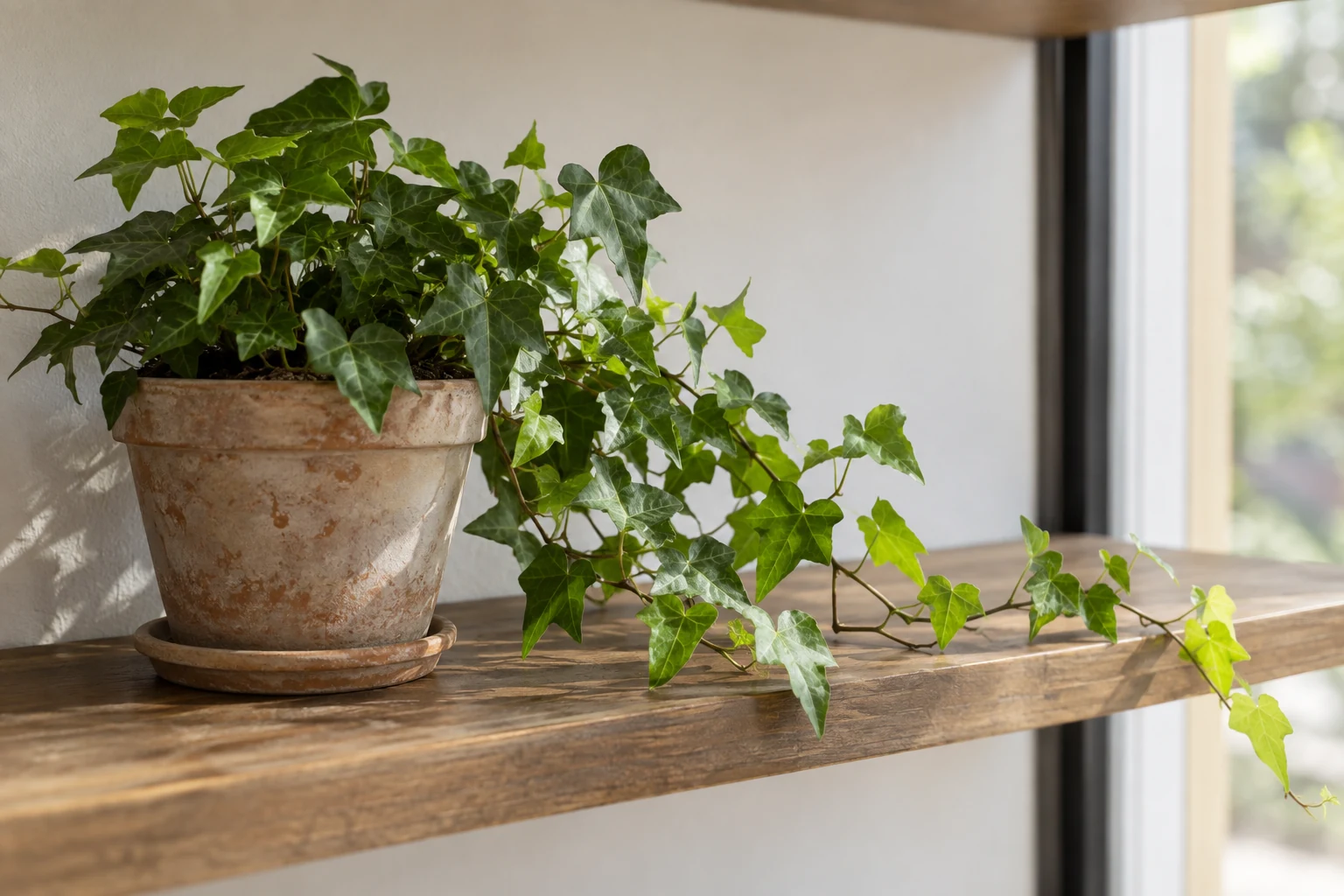
In the cited modern Western witchcraft guides, Earth-attributed plants include rice and corn, potatoes and other root crops, ivy, patchouli, vetiver, and oak. These are correspondences—symbolic associations made by authors—not botanical classifications or universal rules across traditions. The reason for an attribution matters as much as the name: a guide might point to cultivation, a seed’s germination, growth near the ground, or an earthy scent.
What an Earth Attribution Means
An Earth attribution connects a plant, or sometimes a particular part of it, with an author’s idea of the Earth element. The cited guides use words such as grounding and foundation. A reader might also give an object a personal meaning of stability or prosperity. These are ways to interpret a symbol, not effects the plant is guaranteed to produce.
The examples here fall into loose groups: cultivated crops, roots and seeds, low-growing plants, earthy-smelling plants, and woody plants or parts. Each group offers a possible explanation for an entry on a correspondence list. None is a test that every plant in the group must pass, and the examples are not an exhaustive catalogue.
Why Correspondence Lists Differ
The cited guides acknowledge that attributions vary. Authors can emphasize different qualities of the same plant, and an Earth association need not be its only elemental association. A seeming conflict may also involve different subjects: one entry might concern a seed, another a fruit, and a third the plant without specifying a part. Grove and Grotto explicitly notes that plant parts can matter to an assignment.
To compare entries, ask four questions: Which author? Which plant or part? What cue does the author give? Is an alternative attribution actually stated? Record the answer at the level of detail the source provides. If one guide assigns a seed to Earth and another does not mention that seed, the second guide’s silence is not an opposing assignment. If it names the whole plant instead, it may not resolve what that author thinks about the seed. This approach lets different lists remain different without manufacturing a disagreement between claims that were never about quite the same thing.
Grains and Cultivated Crops
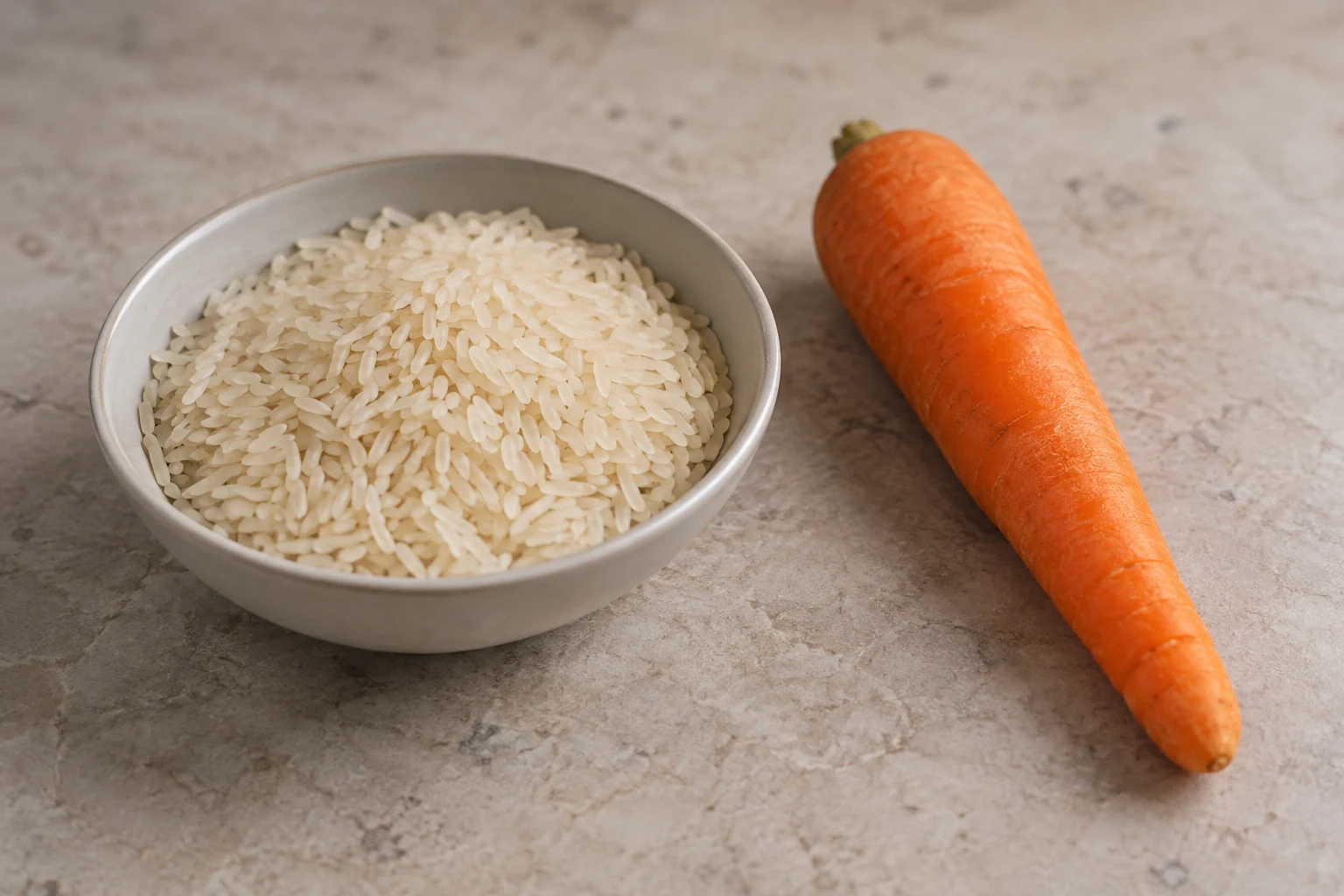
Grove and Grotto names corn among its grain examples; rice is also identifiable in the cited Earth correspondences, including Alchemy Works’ plant list. Here the association is with cultivated crops and the nourishment people draw from them. It reflects a symbolic relationship among land, growing food, and sustenance—not a property that makes every edible plant an Earth plant.
The distinction helps when reading a broad description beside a named list entry. “Crops” explains a possible cue; “rice” identifies a plant an author has actually included. You can cite rice as an example without inferring that every grain, or every food grown on land, receives the same attribution. A plant grown for food may also have parts or qualities that another author interprets differently. Cultivation and nourishment are thus one route into these lists, not a shortcut for filling in plants they do not name.
Roots and Tubers
Potatoes and other root crops are among the cited Earth examples. They can be understood as cultivated food plants, but they also bring in a different cue: growth below ground. An author may attend to that growth habit or to the underground part itself rather than to the crop’s role as food. The two explanations can apply to a potato without being identical.
It is useful to keep root crop and root distinct when comparing sources. The former describes a crop grouping; the latter may identify the part to which an author assigns a correspondence. A below-ground cue does not establish that every root belongs to Earth. Nor does a listing for a root or tuber automatically assign the leaves, flowers, or entire plant in the same way. Keep the named part attached to the claim.
Seeds, Nuts, and Squash
Seeds suggest yet another Earth cue: germination, or the beginning of growth. Grove and Grotto discusses that cue, while A Green Witch names seeds among possible altar items. Someone choosing a seed as a symbol might therefore focus on beginnings or potential, rather than on the below-ground growth associated with a root crop. That is an interpretation of the object, not a claim that all seeds share one elemental assignment.
Alchemy Works includes nuts in its Earth plant list, and squash appears as a bounded crop example in the cited discussion. These entries give readers names to check, not a rule for everything a plant produces. Grove and Grotto also notes overlap concerning fruit. That makes it especially important not to slide between referents: a seed, a fruit, and a whole squash plant are not interchangeable entries. A source’s Earth association for one does not settle the others, and the fruit observation alone does not identify a particular fruit’s alternative element.
Plants Associated with Growth Near the Ground
Ivy is an example with identifiable overlap. Grove and Grotto discusses its growth near the ground as an Earth cue, and Alchemy Works separately includes ivy on its Earth list. One source helps explain the association; the other confirms that ivy is a named entry in a second cited list. Neither establishes a rule for every climbing or low-growing plant.
Clover and fern belong alongside ivy as bounded examples in the near-ground discussion, not as entries shown to recur across the cited lists. That difference matters if you are looking for agreement between authors: ivy has the stated two-source support, while the other names should be attributed more narrowly. Likewise, an illustration of an ivy-like potted plant cannot identify its species. If you want to use a living plant as an altar symbol, work from a plant you already know rather than a name guessed from a picture.
Earthy-smelling Herbs and Plants
Patchouli and vetiver appear in both Grove and Grotto’s discussion and Alchemy Works’ Earth list. Grove and Grotto groups them by an earthy odor. Scent is the cue in this instance: an author finds a sensory reminder of Earth in these plants. It is distinct from calling a plant Earth-associated because it is a crop, develops underground, or grows close to the ground.
Oakmoss also appears in Grove and Grotto’s earthy-odor grouping, but the cited material does not establish the same two-list overlap for it. A one-list example is still an example; it simply supports a narrower statement. Describing the cue precisely also keeps it in its proper role. An earthy smell explains a symbolic association in that author’s account. It is not evidence that smelling the material will produce a particular feeling, or permission to burn it or apply it to skin.
Oak and Woody Plant Parts
Alchemy Works names oak on its Earth list. A broader cited grouping also associates roots, bark, and woody parts with Earth. Together, these show a named plant entry and a structural cue an author may use, without implying that every tree—or every part of an oak—has the same assignment.
Preserve the distinction when reading a list or choosing an object. “Oak” names a plant, whereas “bark” or “root” names a part; an entry using one term does not necessarily tell you how the author would classify an oak seed or leaf. The precise wording is more useful than a broad rule about trees.
Interpreting a Disputed Entry
Suppose you find an Earth association for a seed explained through germination, then encounter a passage noting that fruit can have overlapping assignments. Before calling the passages contradictory, check whether they name the same plant and the same part. The seed’s stated cue explains why an author connects that seed with Earth. The observation about fruit warns against assuming one uniform assignment for fruit; it does not supply a documented opposing element for the seed.
If a second source names only the whole plant, the comparison is still incomplete. You can say what the first author assigns to the seed and why, and that the second source does not specify an assignment for that same part. You cannot turn the missing detail into either agreement or disagreement. A note such as “Earth for the seed in this author’s account” may feel less tidy than labeling the entire plant Earth, but it gives you a conclusion you can actually trace to the source.
What a Correspondence Cannot Tell You
An altar correspondence does not establish that a plant is safe to consume, apply to skin, burn, or plant. Appearing on an Earth list is no reason to use a dangerous plant or collect one from the wild. These guides supply symbolic associations, not a safety assessment or herbal-medicine directions. The same boundary holds for familiar-looking examples: an image of rice and a carrot documents neither a ritual use nor a safety property.
A cited guide explicitly says to check accurate identification, local regulations, ecological concerns, and whether harvesting is appropriate in that place before gathering wild plants. Do not treat an Earth attribution as permission to collect. If you cannot responsibly assess those conditions, leave the material in place and choose an already-owned object instead.
Choosing a Modest Earth Symbol
You need not buy a particular herb. An already-owned pantry grain such as rice offers a named crop correspondence; a seed can represent germination. A known living houseplant is another option: A Green Witch includes living plants among Earth altar items and recommends choosing a few meaningful objects rather than many. The choice can stay as modest as a single familiar item.
Choose the association you mean to make. You might use rice to reflect personally on nourishment, or a seed to mark a beginning. Neither choice promises grounding, stability, or prosperity. Knowing what the object is, which cited cue you are drawing on, and what that cue means in your own practice is enough to make the symbolism intentional.