Which Tarot Rules Do You Actually Need to Follow?
A beginner can encounter so many tarot warnings that drawing a card starts to feel like breaking a rule. The nine warnings below are not universal conditions for beginning a reading. In the cited practitioner accounts, rituals are choices. More useful limits concern personal bias, fear, card care, and the temptation to keep drawing until an answer feels reassuring.
That distinction leaves room for belief. You may value a custom as part of your spiritual practice without requiring everyone else to follow it. These practitioner accounts do not settle every spiritual belief or show that every claim about supernatural consequences has been tested. They offer a practical question instead: What helps me handle the cards, consider an interpretation, and know when to stop?
1. You Cannot Read Tarot for Yourself
You can read for yourself. The difficulty is not a prohibition: when the question is personal, your hopes or fears may shape what you notice in a card. The practitioner sources allow self-reading while acknowledging that bias can make it harder.
Before interpreting a card, write down the answer you hope for and the answer you dread. Then ask whether you can see a plausible reading besides the one you immediately preferred. If you ask about a difficult conversation, for example, an image suggesting change need not mean the conversation will go exactly as you want. It might prompt you to consider what you could change in your approach.
You do not have to reach a firm answer. If strong feelings make it impossible to consider anything except the outcome you want—or fear—pause rather than force an interpretation.
2. Tarot Cards Are Dangerous
Tarot cards are physical objects; the cited practitioner accounts do not establish that using them carries an inherent supernatural danger. That is narrower than dismissing anyone’s spiritual beliefs about tarot.
A reading can still feel unsettling. An unexpected image may bring a worry into focus, especially when you began with a frightening question. That feeling matters, but it is not by itself proof that the cards caused harm. Nor must you interpret your way through fear to finish.
If a reading becomes frightening, put the cards down. You can return to the question as an ordinary written reflection, without another draw, if and when that feels comfortable—or leave it alone. Stopping is a valid limit.
3. No One Else May Touch Your Deck
Whether another person handles your cards is your decision. One practitioner allows others to touch her deck. That does not mean you must do the same; it shows that a universal prohibition is not necessary to her practice.
You might invite someone to shuffle or draw, or you might ask them to leave the cards in your hands. Either boundary can be stated before a reading. It is different from claiming that someone else’s touch automatically makes the deck unusable.
There is ordinary card care, too. Asking anyone who handles the deck to use clean hands and avoid bending the cards helps protect something you want to keep using. It need not be a supernatural rule.
4. You Cannot Use a Secondhand Deck
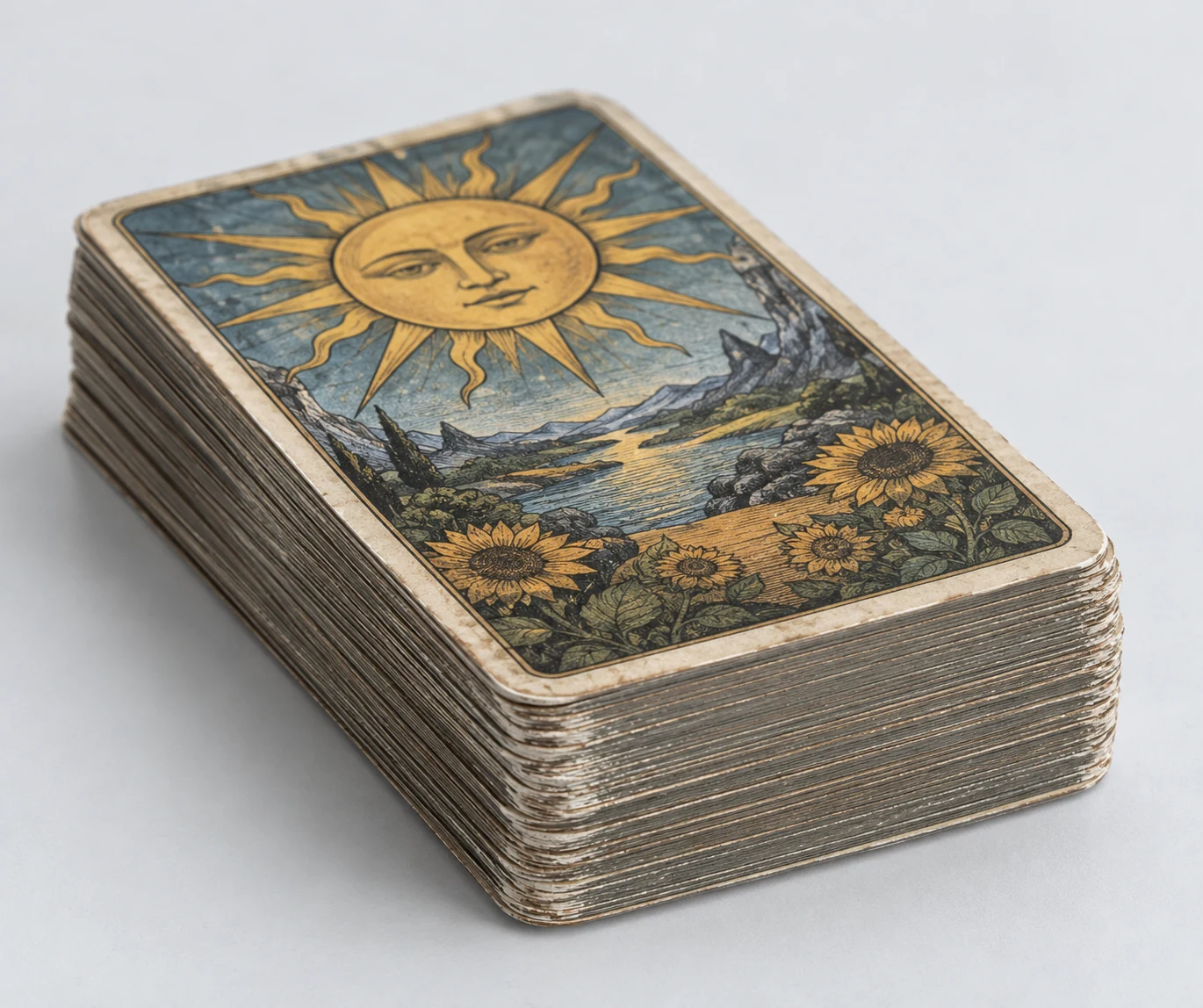
Previous ownership alone does not make a deck unusable. The practical questions are whether its cards are present and whether you can comfortably handle and read them. The original guide permits used decks while recommending a completeness check.
If you are considering one, compare the cards with a list provided for that deck and look for missing, stuck-together, or badly damaged cards. A photograph of a worn stack cannot establish that every card is present, where the deck came from, or how well it handles. Check whether wear obscures a card's identity: if a card is missing or too damaged for you to read, choose another copy instead of treating the deck's age as the deciding factor. Appearance may affect your preference, but it cannot answer those questions on its own.
You may simply prefer a new deck. The original guide leaves room for that choice; preference is different from treating every secondhand deck as forbidden.
5. You Must Reset the Cards to Their Original Order After Every Reading
Restoring every card to its original sequence can give you time to look through the deck and may feel like a satisfying end to a session. But the original guide treats sorting as optional, not as preparation required before the next reading. It suggests shuffling between readings instead.
Choose the routine that helps you engage with the cards. Sort them if you find that calming, or put them away and shuffle when you next use them. Neither routine guarantees a better interpretation. Its value is in helping you approach the card you draw, not in protecting a reading from an incorrectly prepared deck.
6. Your First Deck Must Be Gifted
You can buy your first deck rather than wait for a gift. Receiving one can be meaningful, but gifting is not a prerequisite. The rule’s origin is uncertain in the supplied practitioner accounts, so they do not support assigning it a particular cultural or historical origin.
If you choose a deck yourself, assess whether you can use it. Look at sample cards rather than the box alone: can you notice details in the images and form questions about them? Check whether the guidebook is understandable and the cards are a manageable size for your hands. Those qualities give you more to work with than a rule about who paid for the deck.
A gift can meet those needs, too. Neither a purchase nor a gift automatically makes a deck suitable for you.
7. the Death Card Predicts a Person’s Death
The Death card’s name can be alarming, but it is not a diagnosis or a reliable forecast that an individual will die. The cited practitioners reject an exact death prediction and discuss the card in terms of endings and change.
If you draw it, try asking: What may be ending or changing in the situation I asked about? Perhaps an old plan no longer fits, a role feels different, or you are considering letting something go. You need not conclude that any specific event is about to happen. A symbolic reading offers a possibility to reflect on, not a fact about the future.
Tarot must not replace medical, legal, financial, or safety advice. When you need help with one of those matters, seek relevant support rather than treating a card as an authority on the outcome.
8. You Must Never Ask the Same Question Twice
Asking again is not automatically a mistake. Circumstances may change, new information may arrive, or you may understand your question differently later. The original guide allows a later follow-up while warning against repeated draws aimed at obtaining a preferred answer.
Suppose you ask about a decision and immediately want to reshuffle because the first interpretation feels unwelcome. Instead, record the question, the card, and what you thought it might suggest. Leave it there for the day rather than drawing to replace the result. The second practitioner source also recommends a same-day limit on repeating a question.
If you return later because something material has changed, write down what is new before drawing. That makes the follow-up a response to new circumstances, not an attempt to erase the earlier reading. You can reconsider your first interpretation without pretending it never happened.
9. You Must Sleep with Your Deck Under Your Pillow
Sleeping with a deck under your pillow can be a personal ritual if it means something to you. It is not a condition for learning or using the cards. The practitioner sources treat rituals as optional; the original guide points to looking at and handling cards as ways to become familiar with them.
While you are awake, try noticing details in a card image, reading its guidebook entry, and handling the deck enough to recognize its images and feel. Compare what you noticed with what the guidebook offers. That gives you material to reflect on during a reading.
You can keep a meaningful pillow ritual without assuming it gives your interpretations special accuracy—or that skipping it leaves you unprepared.
A First Reading Without Required Rituals
Choose one open-ended question that invites reflection rather than demands a forecast: What should I consider about this conversation? Draw one card. Write down a detail you notice in its image, then one possible connection to your question. If you use a guidebook, see whether it offers a possibility you had not considered. A card, its imagery, and a question are enough to begin this kind of practice; extra rituals are optional.
A short note might read: “I noticed two figures facing away from each other. I wonder whether I need to listen before making my point.” It can remain a question. You do not have to force a prediction or draw again to make uncertainty disappear.
If the exercise becomes frightening, put the cards down. Reflection does not require you to continue when you would rather stop.