
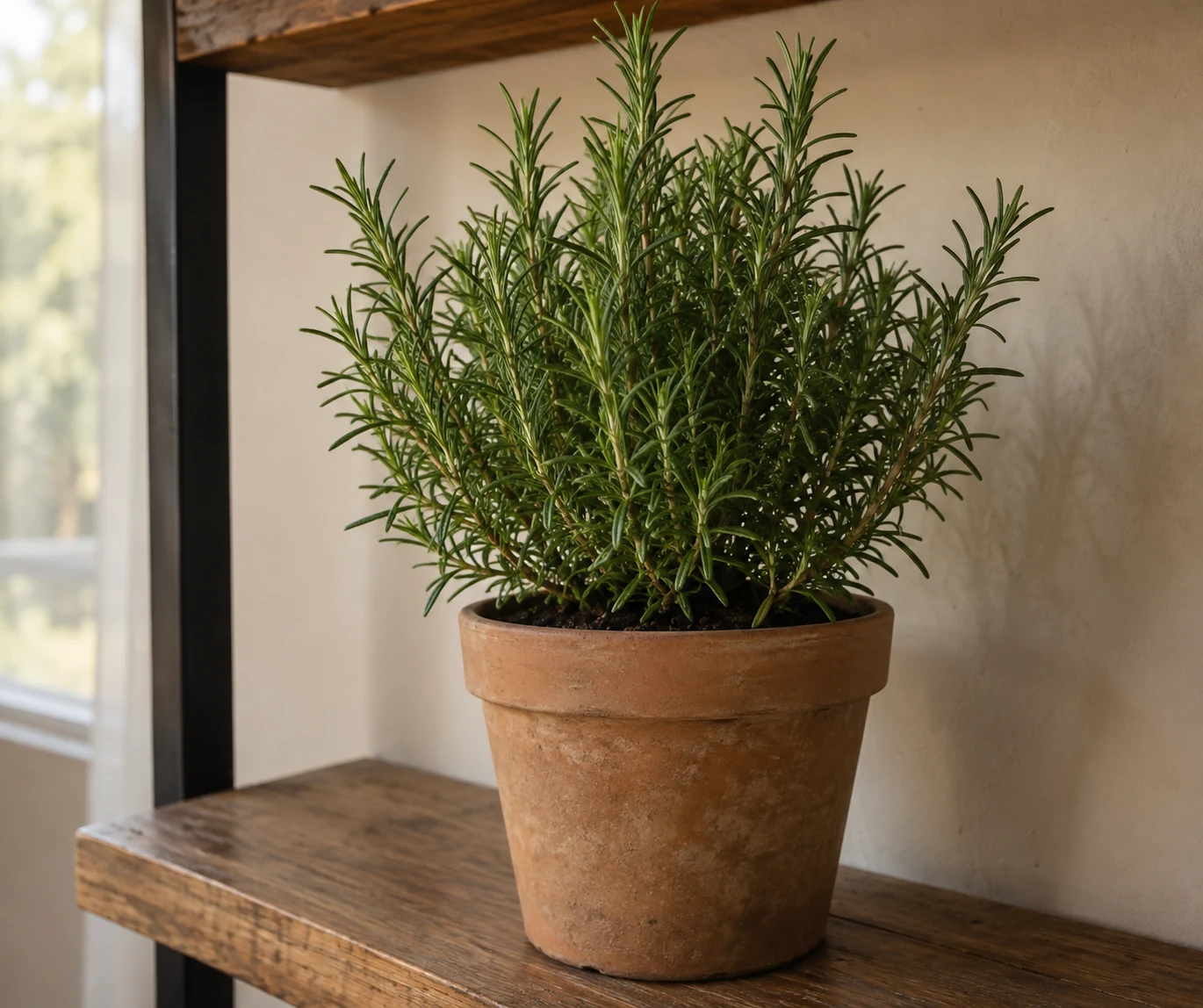
Plants Commonly Attributed to Air
In the cited contemporary Western and Green Witch guides, lavender, mint or peppermint, rosemary, and lemongrass are examples of herbs attributed to Air through fragrance. Grove and Grotto also names anise and oregano among its fragrant Air examples. These are illustrative names, not a list that every tradition or practitioner must use.
A second group makes Air visible through movement: dandelion, milkweed, cottonwood, maple, and grasses appear in the supplied accounts of wind, moving plants, or dispersing seeds. The two groups offer different ways to understand the same symbol. With an aromatic herb, the cue is scent carried through air. With a wind-moved plant, it is movement you may notice where the plant already grows. Neither cue requires you to pick, burn, or release anything.
What an Air Attribution Means
An elemental correspondence is a symbolic association: in these contemporary Western and Green Witch sources, someone reads a plant alongside an element such as Air. It is not a botanical classification. The plant has an observable feature—perhaps fragrance or movement in wind—and a source or practitioner gives that feature symbolic meaning. The Green Witch guide discusses Air themes while rejecting the idea of one universal correspondence chart.
That distinction helps when lists disagree. You need not decide whether a plant is “really” Air in order to understand why it appears on an Air list. Ask what the writer is drawing your attention to. A fragrant herb may invite attention to scent moving through a room; a plant responding to a breeze may invite attention to air in motion. Those are interpretations of features, not proof that the plant belongs exclusively to one element.
For a home altar, the attribution can therefore be a vocabulary for intention: you choose a plant image or presence because a particular association is meaningful in your practice. The supplied sources do not establish a medical benefit or guarantee a magical effect from making that choice.
Why Fragrant Herbs Appear on Air Lists
Fragrance gives an otherwise hard-to-see element a recognizable cue. The Green Witch guide describes lavender’s scent moving through air; that movement, rather than a requirement to use the herb in any particular way, explains its place among Air examples. A lavender illustration can call that association to mind just as a living plant can. The symbolic point is what you notice about scent, not whether you possess dried flowers.
Mint or peppermint, rosemary, and lemongrass likewise appear among the cited contemporary Air examples. They make sense within an aromatic reading: their attribution points the reader toward fragrance as the relevant feature. This does not mean every list includes each one. If you see mint in one source and peppermint in another, you can read both within that source-bounded fragrance group without turning either list into a universal rule.
Grove and Grotto adds anise and oregano to its fragrant Air group. Their inclusion is useful precisely because it shows how a source’s chosen cue can explain names that may not appear on a shorter list. Rather than memorizing all six as mandatory altar herbs, you can recognize the shared reasoning: each is offered as an aromatic example in these accounts.
The distinction between noticing and taking matters here. The Green Witch guide describes a living rosemary plant perfuming its surroundings without being harvested. If you already have one, its presence can serve as your reminder of the scent association; no sprig has to be removed. If you do not have an aromatic plant, you can still work with its image or written name. Air symbolism does not depend on producing a stronger smell or acquiring an ingredient.
Why Wind-moved Plants and Seeds Appear on Air Lists
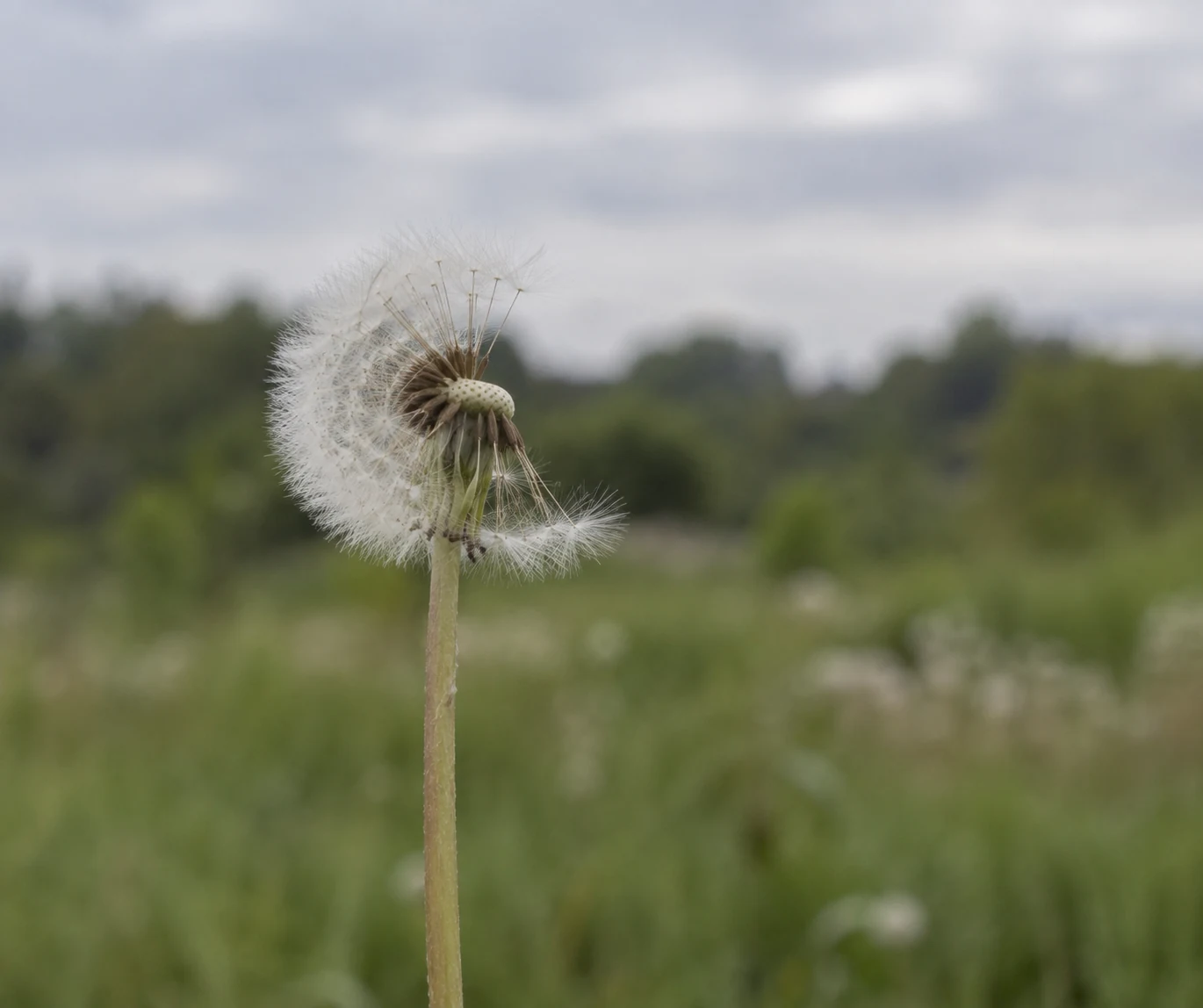
The second route to an Air association is movement rather than fragrance. Dandelion and milkweed are among the cited wind-dispersal examples: they draw attention to the relationship between seeds and moving air. The meaningful observation is something you may encounter where such plants already grow. Choosing either as a symbol does not call for blowing seeds away or introducing them somewhere new.
Grove and Grotto also names cottonwood and maple in its account of Air plants, including airborne seeds and maple pods. These examples shift attention from a small herb to trees and the movement associated with them. You need not have a tree near your altar to understand the correspondence: a depiction can represent the feature that interested you in the first place.
Grasses offer a related but distinct cue. Where the seed examples call attention to dispersal, grasses can make the wind’s effect on a growing plant visible as they respond to it. The Green Witch guide encourages observing wind and plant response, and includes grasses among its examples. That leaves room for a simple observation if you happen to see them outdoors, without identifying, gathering, or carrying any home.
These are two ways of paying attention, not two tasks to complete. A reader drawn to a dandelion image might be thinking about seeds carried by air; someone drawn to grasses might be thinking about a plant moving with the breeze. Either can make a clear Air symbol while remaining entirely depicted or observed.
How Rosemary Can Belong to Air and Fire Lists
Rosemary is a good test of how to read apparently conflicting lists. Grove and Grotto places it in an Air fragrance group, but its separate Fire guide also places rosemary in a Fire sunlight group. The names match; the emphasized associations do not. Treating those entries as claims that rosemary must have one exclusive elemental identity creates a contradiction the sources do not require.
Grove and Grotto explicitly allows combinations and gives oak’s Earth/Air overlap as another example. More than one attribution can be a deliberate part of this symbolic vocabulary rather than an error to correct. The Green Witch guide’s rejection of a universal chart points in the same direction: a list tells you how its author is reading a plant, not what every practitioner must conclude.
When you compare lists, keep two questions together: Who made this attribution, and which feature or association did they emphasize? For rosemary, “Air because of fragrance” and “Fire because of sunlight” answer different questions about the same plant. You can choose the reading that fits your intended symbol—or decide that neither fits—without merging the sources into a single chart. This method also helps with a plant that appears on just one of your lists: look for the reason given before assuming its absence elsewhere is a disagreement.
Some charts supply a plant name and an element without saying why they pair them. Record that as the chart’s attribution; do not invent a fragrance, seed trait, or historical reason on its behalf. If you want a choice you can explain, look for a source that states its reasoning, or choose one of the examples here whose cue you can actually recognize. When your sources disagree and neither explains the assignment, you can leave that plant unresolved. A depicted plant or open window can still carry the Air intention you chose.
Choosing a Low-contact Air Symbol for a Home Altar
Start with the cue you want your symbol to express. If fragrance is what makes Air meaningful to you and you already own a living aromatic plant, you can let the plant remain where it grows and regard it as your symbol. The Green Witch guide’s living-rosemary example shows how scent can be noticed without harvesting the plant. You do not need to make the plant smell stronger or remove material from it.
If a wind-and-seed association speaks to you—or if you prefer not to have a plant nearby—use an illustration or a written plant name instead. A drawing of a dandelion, cottonwood, maple, or grass can point to the movement you have in mind without needing a specimen or releasing seeds. A written name can do the same for an aromatic herb: it marks the association you chose, even when no scent is present. These are ways to represent the cited cues, not additional claims about what the plants do.
You can also leave plant objects out altogether. The Green Witch guide allows an open window as an Air-themed alternative and treats incense as optional. Buying ingredients is not a condition for making a meaningful choice. Select the form that suits your space and your own practice, rather than trying to reproduce every item on someone else’s list.

For a brief reflection, choose one cue—scent moving through air, a plant responding to wind, or seeds shown in motion. Place or look at your already-owned plant, image, or written name; alternatively, regard the open window. Then name, in your own words, the intention that cue represents to you. This is a suggested personal use, not a prescribed ritual or a promised result. It requires no smoke, ingestion, application, harvesting, or seed release.
The useful decision is not “Which plant is definitively Air?” but “Which documented association can I express clearly and comfortably?” A correspondence explains why a symbol has meaning within a reading. Your chosen living plant, depiction, name, or open window expresses your interpretation; it does not establish a botanical fact or guarantee an effect.