
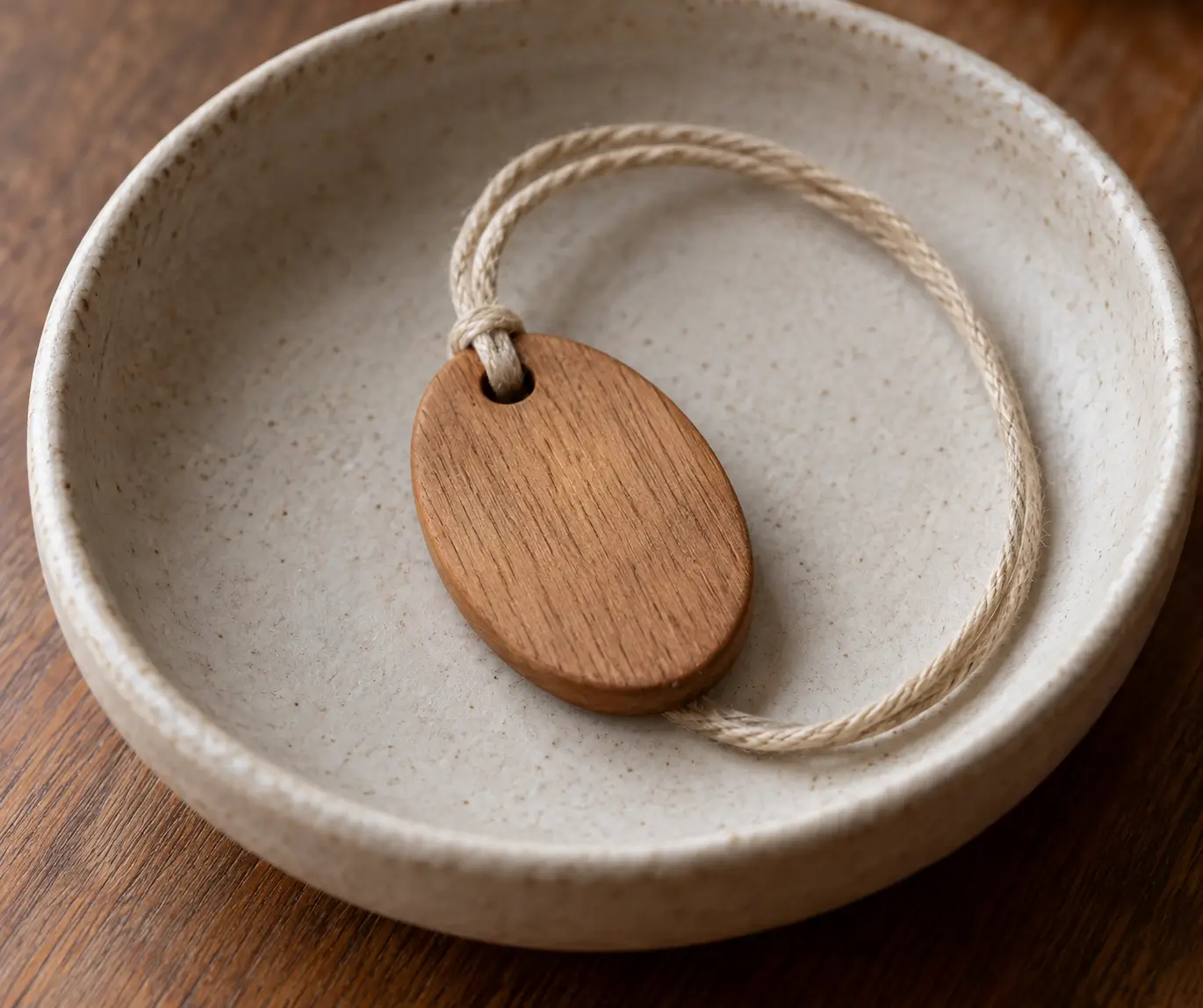
Welcome the Object Through Care, Not Certainty
“Cleansing” and “charging” are belief-based ritual terms. In personal spiritual practice, cleansing may mean symbolically preparing an object, while charging may mean focusing an intention around it. Neither is an objectively measurable supernatural process.
A careful welcome begins with stewardship: learn what the amulet or talisman is, where it came from, and how it may safely and respectfully be handled. Then choose an optional, non-damaging ritual that fits both the object’s requirements and your personal practice.
Amulets and talismans have documented histories across many spiritual traditions, including traditions involving written talismans . This does not make all such objects interchangeable or establish a universal ritual. Cultural and historical context should remain distinct from your spiritual interpretation.
The core sequence is straightforward:
- Learn what you can about the object.
- Identify material and cultural restrictions.
- Choose a restrained ritual within those limits.
- State one clear intention.
- Record documented history separately from personal meaning.
Identify What the Amulet Is and Whose Protocols Apply
Before making the object part of your practice, create a basic record of what you know. Complete certainty is not required. Clearly marking a detail as unknown is more useful and respectful than filling a gap with an assumption.
Record any available information about:
- Materials: What substances or components have been identified?
- Construction: Is the object carved, written, wrapped, sealed, assembled, strung, mounted, or contained?
- Maker or source: Who made, sold, gave, or transferred it?
- Previous ownership: Was it inherited, gifted, purchased, or found among family belongings?
- Origin: Is a place, period, community, or tradition documented?
- Stated context: Was it described as sacred, protective, commemorative, ceremonial, artistic, or personal?
- Unknown details: Which parts of its composition, history, ownership, or purpose remain uncertain?
Provenance means the documented or reliably communicated history of an object’s origin and ownership. Preserve any labels, notes, family accounts, maker information, or other records associated with the object.
Keep that documented information separate from your interpretation. For example:
- “The object was inherited from my grandmother” is provenance.
- “The object makes me feel connected to my family” is personal meaning.
- “The seller associated it with a particular tradition” records the seller’s claim.
- “I hope to use it as a reminder of courage” is an intention.
All four statements may belong in your records, but they do not carry the same kind of authority. Personal hopes should not be rewritten as historical facts about the object.
Take particular care with an amulet or talisman that is inherited, sacred, Indigenous, or connected to a culturally specific tradition. It may carry established rules concerning access, touch, storage, display, ceremony, or authority to make decisions about it. A generic cleansing practice should not displace those protocols.
This responsibility extends beyond physical preservation. Guidance concerning sacred and culturally sensitive objects recognizes that institutional policies must be considered alongside Indigenous peoples’ moral and legal rights to access ritual objects for traditional spirituality .
Follow reliable provenance information when it is available. If rights, responsibilities, or protocols are uncertain, consult the relevant family, community, tradition, or recognized custodian before adapting the object to a new personal practice. Until appropriate guidance is available, restraint is a respectful choice.
Check Material Compatibility Before Choosing Any Cleansing Method
Do not assume that an amulet’s visible exterior reveals everything it contains. An object that appears sturdy may include concealed, wrapped, sealed, or enclosed components. Material research has identified nineteenth- and twentieth-century Islamic-African amulets and talismans made as paper manuscripts, showing that vulnerable paper can be integral to these objects .
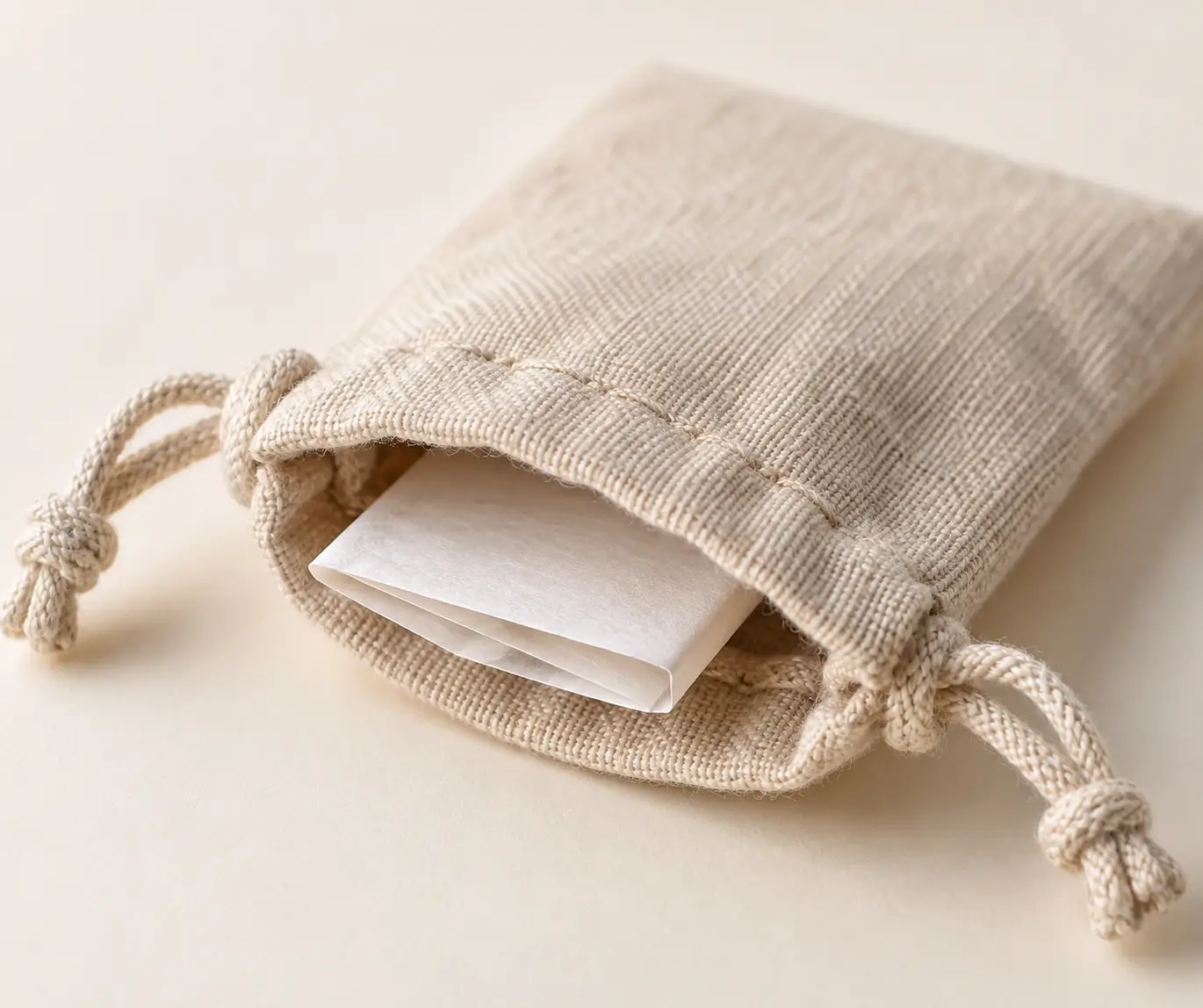
Preventive care focuses on reducing risk and limiting the need for later conservation treatment . In practice, preserving the object takes priority over performing a preferred ritual method.
While material compatibility remains unknown, do not expose the object to water, salt, smoke, sunlight, or heat. Do not immerse or sprinkle it, bury it in salt, pass it through smoke, leave it in direct sunlight, or place it near a flame or another heat source.
If your material information is incomplete, use a no-contact approach. This means performing a ritual without applying substances, altering the object, or exposing it to an unfamiliar environment.
Before considering any physical or environmental method, obtain:
- Material-specific care guidance for every known component
- Reliable information about concealed or enclosed components
- Any relevant family, cultural, spiritual, or custodial protocol
- Confirmation that the proposed treatment does not conflict with those requirements
If you cannot obtain that information, use the no-contact ritual below or postpone the ritual. Waiting is preferable to risking damage or disregarding an established protocol.
Use a Simple, Optional Welcoming Ritual
This sequence requires no applied substances and makes no claim of guaranteed supernatural effects. Depending on your beliefs, you may interpret it as cleansing, charging, welcoming, or dedication. Here, welcoming means marking the object’s entry into your practice. Dedication means connecting it with a chosen purpose or intention.
Step 1: Place the Object Where It Can Remain Undisturbed
Choose a permitted location where the amulet or talisman can remain undisturbed for the ritual. Use an existing suitable support, container, or storage arrangement if one is already associated with it.
Avoid unnecessary handling and prohibited exposure. Do not introduce water, salt, smoke, sunlight, heat, oils, herbs, adhesives, cords, decorations, or other substances and materials unless their compatibility and appropriateness have already been established.
If an inherited or culturally specific protocol determines where the object should be placed—or whether it should be displayed at all—follow that protocol instead.
Step 2: Acknowledge What Is Known and Unknown
Pause and consider the object’s documented identity. Silently review:
- Where it came from
- Who made, owned, or transferred it, if known
- Its documented cultural or spiritual context
- Any handling restrictions
- Details that remain unknown
The purpose is not to invent a story for missing information. It is to approach the object honestly and respectfully.
You might say:
> I acknowledge what is known about this object, what remains unknown, and the responsibilities that come with caring for it.
Silent reflection is equally appropriate.
Step 3: Mark the Transition Into Personal Practice
State aloud or silently that the ritual marks a transition into your personal practice. This transition does not erase the object’s previous ownership, historical context, or cultural meaning.
For example:
> With respect for this object’s known history and unanswered questions, I welcome it into my personal practice.
If the object’s established tradition provides appropriate wording, follow that guidance rather than replacing it with a generic formula. If you do not have authority to perform a particular rite, keep your action personal and do not claim that rite.
Step 4: Express One Clear Intention
Choose a concise intention for how the object will function in your life. Frame it as a reminder, symbol, or focus rather than a guaranteed outcome.
For example:
- “May this serve as a reminder to act with courage.”
- “I will use this as a focus for reflection.”
- “May this symbolize my commitment to patience.”
- “I will keep this as a reminder of my connection to family.”
You may speak the intention, hold it in silent reflection, or write it down and store the writing separately from the object. These are equivalent options; none is universally correct.
Your intention describes your personal practice. It should not be treated as evidence of the object’s historical purpose or proof that a supernatural change has occurred.
Step 5: Conclude Without Altering the Object
End the ritual after expressing your intention. No additional substance, attachment, exposure, or dramatic action is necessary.
You might close with:
> I will care for this object with attention, restraint, and respect.
Return the object to appropriate storage or leave it in its permitted location. Do not attach written intentions, cords, labels, or other materials directly to it unless doing so is known to be safe and consistent with applicable protocols.
Afterward, document the date, known provenance, handling restrictions, chosen intention, ritual form, and current personal meaning. This record helps prevent later interpretation from becoming confused with documented history. You may revise the personal-meaning entry as your relationship with the object develops, while leaving the provenance record unchanged unless reliable new information emerges.
| Field | What to record |
|---|---|
| Date | Record when you performed the welcoming ritual. |
| Known provenance | Record the maker, source, previous ownership, origin, or tradition; clearly label unknown details as unknown. |
| Handling restrictions | Record material-care limits and any family, cultural, spiritual, or custodial protocols that apply. |
| Chosen intention | Write one clear intention for how the object will serve as a reminder, symbol, or focus. |
| Ritual used | Note whether you used spoken words, silent reflection, or a separately stored written intention. |
| Personal meaning | Describe your present interpretation while keeping it distinct from documented history. |
Let Respectful Stewardship Define Success
A successful welcome does not depend on an elaborate ritual. It protects the object, honors relevant rights and traditions, and helps you form a deliberate personal relationship with it.
When information is incomplete, uncertainty is a reason for restraint and documentation—not an invitation to improvise with potentially damaging treatment. A quiet acknowledgment, a carefully stated intention, or a decision to wait can each be meaningful.
Over time, the amulet or talisman may gain deeper personal significance through reflection and use. That meaning can be valuable without being presented as historical fact or proof of an objectively measurable supernatural effect. Care, clarity, and respect are enough to begin.