

Healing with Tibetan singing bowls is a gentle sound-based practice that uses vibration, listening, breath, and intention to support relaxation, reflection, prayer, and ritual focus. The bowl is not a magical cure or a substitute for medical or mental health care. Its value is more practical and spiritual: it gives the body a steady sound to settle into, gives the mind a single point of attention, and can mark sacred time in the home.
For people building ancestor altar practices, a singing bowl can also serve as a respectful ritual tool. Its tone may open a prayer, clear mental distraction before offerings, or close a moment of remembrance. Used with care, it becomes less about performance and more about presence.
Quick Answer
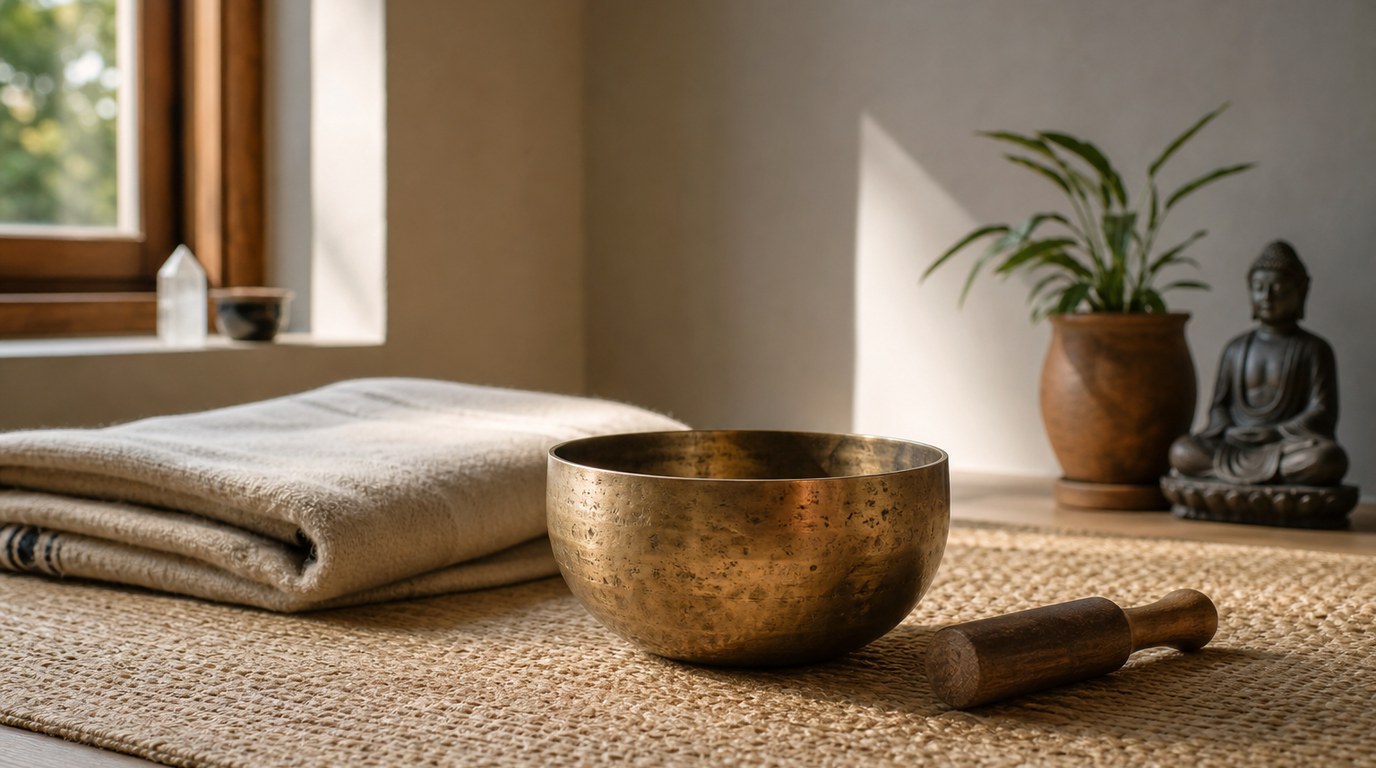
The main takeaway: healing with Tibetan singing bowls works best as a calming ritual practice, not as a guaranteed cure. The sound and vibration can help many people slow their breathing, soften tension, focus prayer, and enter a more reflective state. Spiritually, the bowl’s tone can symbolize clarity, transition, blessing, or the opening of sacred space.
A typical practice is simple. Sit comfortably, place the bowl on a cushion or in your palm, take a few steady breaths, and either strike the rim lightly or circle it with a mallet. Let the sound fade completely before making another tone. You can listen silently, pray, meditate, journal, or dedicate the sound to peace in your home.
Beginners should start with short sessions of three to ten minutes. Choose a bowl with a tone that feels pleasant rather than harsh. Avoid playing too loudly, especially near babies, pets, people with sound sensitivity, or anyone who has not consented to the practice.
If you use an ancestor altar, the bowl can be sounded before lighting a candle, placing water, offering food, or speaking names. The purpose is to become centered and respectful before engaging the sacred.
How to Think About This Topic
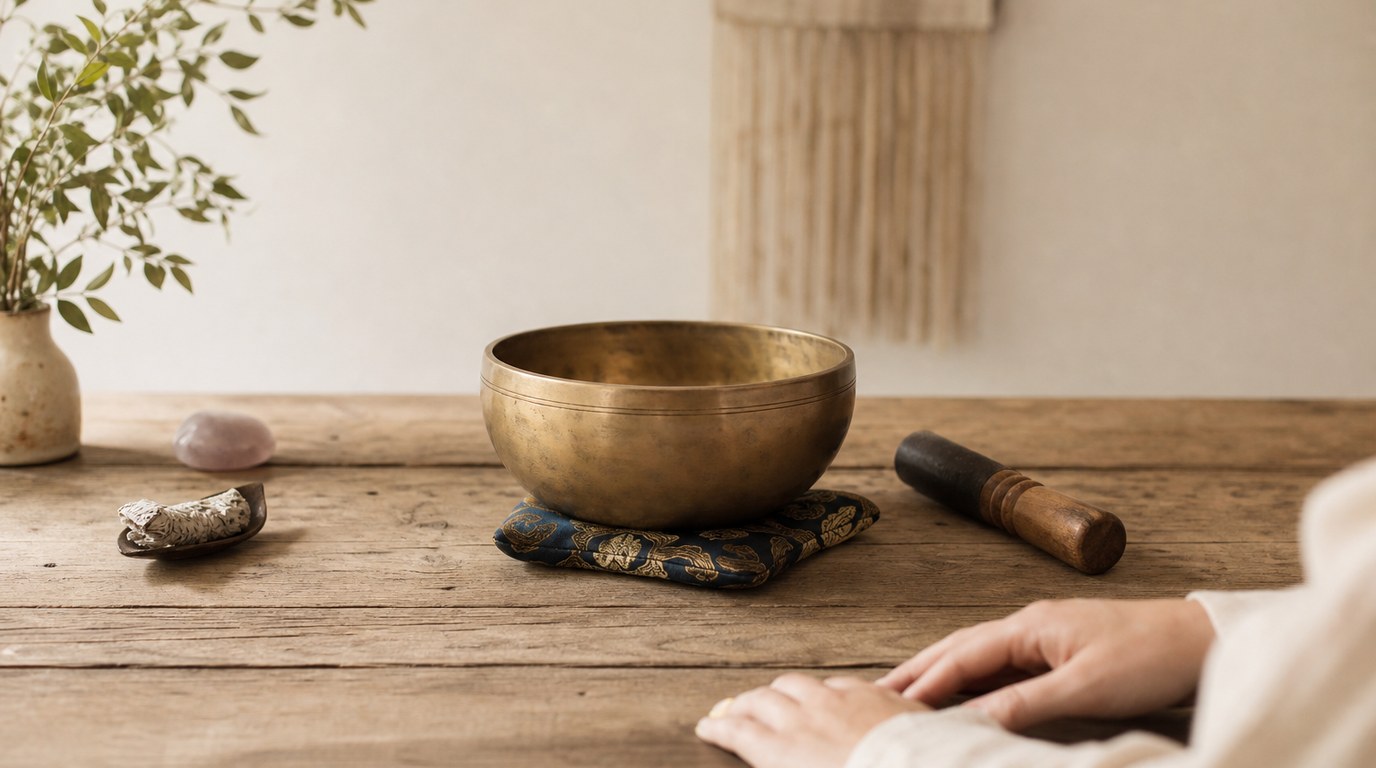
A helpful mental model is to think of a singing bowl as a bridge between sound, body, and intention. The bowl creates a sustained tone. Your body hears it through the ears and may also feel subtle vibration through the hands or nearby surface. Your mind follows the tone as it rises, holds, and fades. Your intention gives the practice meaning.
This is why healing with Tibetan singing bowls can feel both physical and spiritual. Physically, the tone gives your nervous system a steady sensory focus. Many people naturally breathe more slowly when listening to a long, fading sound. The repetition of tone and silence can create a rhythm that feels grounding. Spiritually, the same sound can become a ritual marker: “Now I am entering prayer,” “Now I am remembering my ancestors,” or “Now I am releasing the weight of the day.”
It is also important to hold the tradition respectfully. Singing bowls are often associated with Tibetan and Himalayan spiritual cultures, though modern bowls are used in many global wellness settings. A respectful approach avoids exaggerated claims like “ancient secret healing cure” and instead acknowledges the bowl as a meaningful ritual instrument with cultural roots, contemporary uses, and personal spiritual applications.
For a home practitioner, the question is not, “Can this bowl fix my life?” A better question is, “Can this sound help me become present enough to pray, grieve, listen, rest, or remember?” That question fits the real strength of the practice.
There are three layers to understand:
- Sound as attention: the tone gives the mind something simple to follow.
- Vibration as embodiment: the resonance can make the practice feel less abstract and more physical.
- Intention as meaning: prayer, remembrance, gratitude, or release shapes the experience.
This mental model keeps the practice grounded. You do not need to force mystical experiences. You do not need advanced knowledge of Buddhism, energy work, or music theory. Begin with listening. Notice how your breath, shoulders, thoughts, and emotions respond. Over time, the bowl may become a trusted companion in meditation, ancestor veneration, and quiet home ritual.
Practical Guidance
Start by choosing a bowl that is comfortable to use. Bigger bowls often produce deeper tones and longer resonance, while smaller bowls are easier to hold and store on an altar. Metal bowls are traditional in many modern practices, but quality varies. What matters most is not price or decoration; it is whether the tone feels steady, clear, and pleasant to your ears.
If possible, listen before buying. A bowl that sounds beautiful to one person may feel sharp or overwhelming to another. For ancestor altar work, choose a bowl that matches the mood you want to cultivate: peaceful, reverent, warm, and not distracting.
| Use | How to Work With the Bowl | Best For |
|---|---|---|
| Meditation | Sound the bowl, then follow the fading tone in silence | Focus and calm |
| Prayer | Ring once before or after spoken words | Marking sacred time |
| Ancestor altar | Sound before offerings or name recitation | Reverence and presence |
| Grief support | Play softly, breathe, and allow emotion without force | Gentle release |
| Space reset | Ring lightly in a room before cleaning or ritual | Transition and clarity |
A simple beginner practice can look like this:
- Prepare the space. Sit where you will not be interrupted. If working at an ancestor altar, make sure candles, incense, and offerings are safely placed.
- Set an intention. Keep it plain: “May this practice bring peace,” or “I come with respect for my ancestors.”
- Sound the bowl gently. Strike the side or rim once. Listen until the sound fully fades.
- Breathe with the tone. Inhale naturally. Exhale slowly. Let the sound guide attention rather than trying to control the experience.
- Continue briefly. Repeat for three to ten minutes. Leave silence between tones.
- Close with gratitude. Thank your ancestors, your guides, God, Spirit, or simply the moment of quiet, according to your path.
For altar use, the bowl should support the ritual rather than dominate it. You might ring it once before lighting a candle, once after placing a glass of water, or once at the end of a prayer. If you speak ancestral names, sound the bowl afterward and let the silence hold the memory. This can be especially meaningful during death anniversaries, family healing prayers, or seasonal remembrance days.
Use caution with volume and frequency. Do not place a ringing bowl directly on the body unless trained and sure it is appropriate. Avoid loud playing near the head. Be mindful around people with migraines, tinnitus, trauma responses, sensory sensitivity, seizure disorders, or hearing conditions. If someone shares your home, ask before beginning. Spiritual practice should not become unwanted noise for others.
Common mistakes include playing too loudly, rushing from tone to tone, treating the bowl as a cure-all, or buying the most ornate bowl without caring how it sounds. Another mistake is copying sacred forms without understanding or respect. You can keep the practice sincere by using simple language, learning gradually, and staying honest about what you are doing: creating a moment of sound, prayer, listening, and care.
To build a routine, attach the bowl to something you already do. Sound it once before morning prayer, once before weekly altar cleaning, or for five minutes before sleep. Consistency matters more than length. Over time, your body may begin to recognize the tone as a signal: pause, breathe, remember, return.
FAQ
What Should a Beginner Know First About Healing with Tibetan Singing Bowls?
Begin with listening, not technique. A singing bowl does not need to be played perfectly to be meaningful. Use a gentle tone, short sessions, and a clear intention. Treat it as a support for calm, prayer, remembrance, or meditation rather than as a guaranteed healing cure.
What Matters Most When Evaluating Healing with Tibetan Singing Bowls?
The most important factors are sound quality, personal comfort, respectful use, and safety. Choose a bowl with a tone that feels pleasant and steady. Notice how your body responds. A useful bowl should help you become more present, not tense, overwhelmed, or distracted.
What Mistakes Should Readers Avoid with Healing with Tibetan Singing Bowls?
Avoid loud playing, rushing the practice, making exaggerated medical claims, or using the bowl around others without consent. Also avoid treating Tibetan or Himalayan traditions as decorative props. Keep the practice humble, informed, and connected to sincere intention.
What Is the Next Logical Step After Learning About Healing with Tibetan Singing Bowls?
Try a short three-minute practice at home. Sound the bowl once, listen until the tone fades, breathe, and close with gratitude. If you keep an ancestor altar, use the bowl before one simple offering, such as water, candlelight, flowers, or spoken remembrance.