
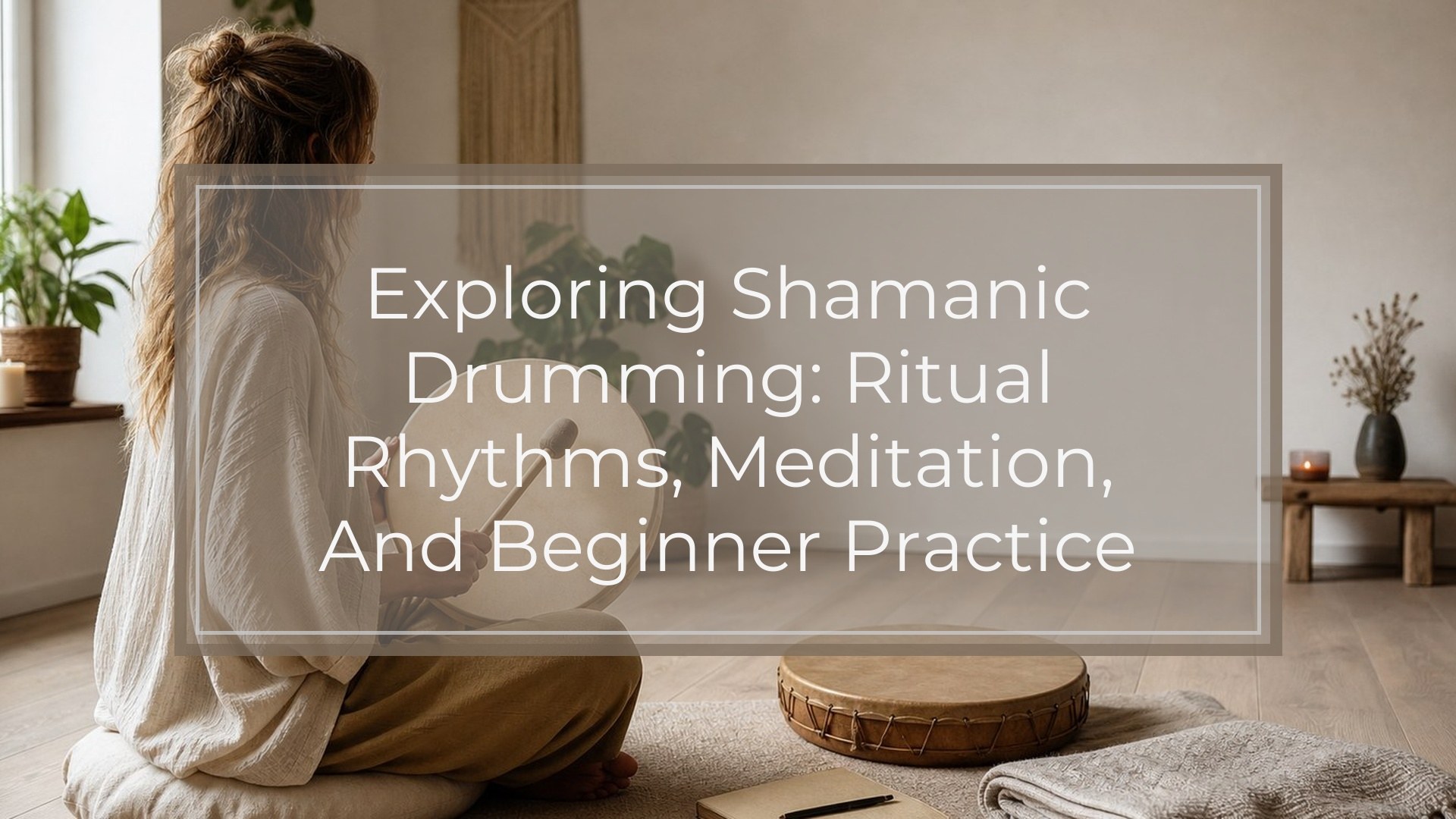
Exploring shamanic drumming begins with a simple idea: steady rhythm can help shift attention from ordinary mental noise into a more focused, prayerful, and receptive state. In many spirit-centered traditions, drumming is used to support journeying, healing ceremonies, ancestor veneration, and meditation. For a home practitioner, it can also be a grounded way to mark sacred time, deepen intention, and listen inwardly.
This guide offers a practical, respectful introduction. You do not need an expensive drum or advanced training to begin. What matters most is humility, clear intention, safe pacing, and an understanding that shamanic drumming is not just a sound technique—it is a ritual act.
What Is Shamanic Drumming?
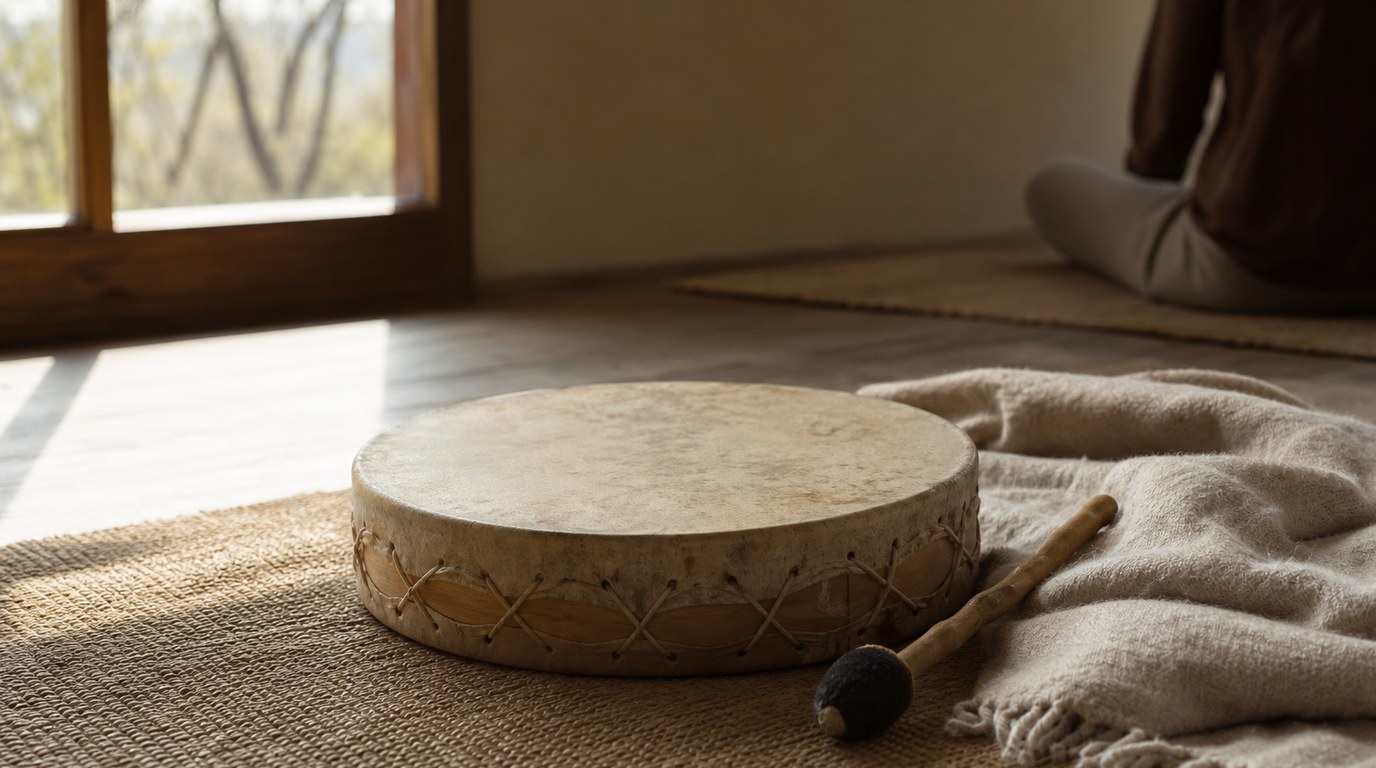
Shamanic drumming is the use of repetitive rhythm in spiritual practice, often to support trance, prayer, journeying, or communication with the unseen world. The word “shamanic” is broad and should be used carefully, because many cultures have specific spirit-worker traditions with their own names, protocols, and lineages.
In practical terms, the drum creates a steady pulse that gives the mind something to follow. This can make it easier to enter a meditative state, sense subtle impressions, or feel connected to ancestors, land, guides, or the sacred.
For beginners, shamanic drumming is best approached as a disciplined spiritual practice rather than a performance. The goal is not to force visions or dramatic experiences. The goal is to create a respectful container for listening, presence, and relationship.
How Drumming Supports Ritual and Meditation
The central mental model is this: rhythm gathers attention. When the beat is steady, the mind has less need to chase scattered thoughts. Breath, body, and awareness can begin to settle into the pulse.
In ritual, drumming can act like a doorway. The first beats announce that ordinary time is shifting into sacred time. A continuous rhythm can help sustain focus during prayer, offerings, chanting, or meditation. A change in rhythm can signal transition: opening, deepening, returning, or closing.
Many people experience drumming as both grounding and expansive. The physical sound can anchor awareness in the body, while the repetition supports inward movement. This does not guarantee a trance state or spiritual message, but it can create conditions where reflection, intuition, and reverence become easier to access.
Common Drum Rhythms and Ritual Uses
You do not need complex rhythms to begin. In many home practices, simplicity is more powerful than variety. A consistent beat, played with care, can support the entire ritual.
| Rhythm or Pattern | Best Used For | Beginner Note |
|---|---|---|
| Slow heartbeat rhythm | Grounding, ancestor prayer, calming the body | Keep it gentle and spacious |
| Steady medium beat | Meditation, journey-style practice, focused listening | Avoid rushing; consistency matters |
| Soft rolling rhythm | Opening a ritual, creating atmosphere | Useful before spoken prayers |
| Three strong beats | Marking a beginning, offering, or closing | Simple signal for transitions |
| Gradual slowing | Returning from meditation | Helps the body settle before standing |
For example, you might begin an ancestor ritual with three clear beats, continue with a slow heartbeat rhythm while lighting a candle, then shift into silence for prayer. In meditation, a steady beat may be used for ten minutes, followed by several minutes of quiet integration.
Choosing a Drum, Rattle, or Recording
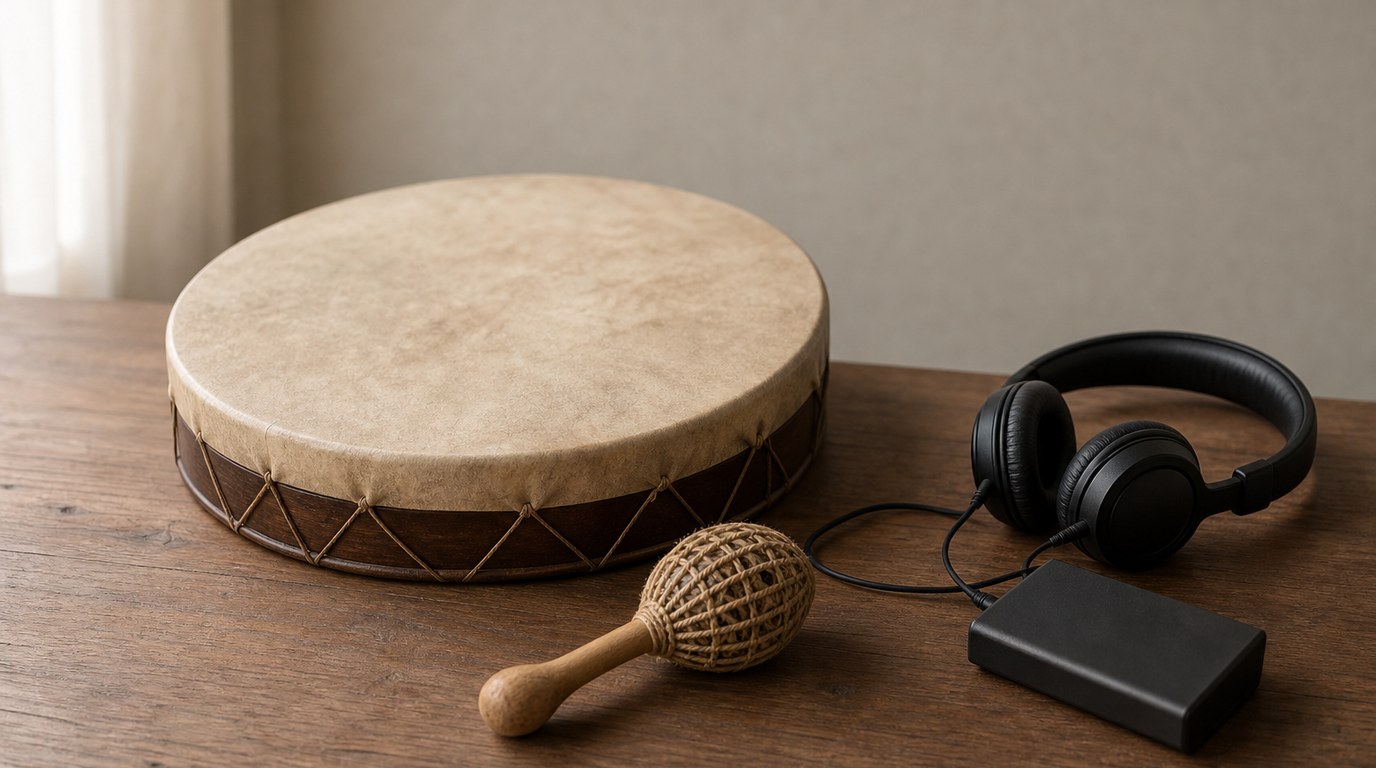
A frame drum is commonly associated with shamanic-style drumming, but it is not required. If you have access to a hand drum, use it respectfully and keep the sound comfortable. A rattle can work well in small spaces because it creates rhythm without the same volume or vibration.
Recordings are also valid for beginners, especially if you are still learning how rhythm affects you. Choose simple tracks without distracting music if your purpose is meditation or ritual focus. Headphones can help, but keep the volume moderate.
If you are buying a drum, consider sound, size, materials, and cultural sourcing. Avoid treating sacred objects from living traditions as decorative accessories. Choose tools that you can care for, use sincerely, and understand as part of relationship rather than consumption.
A Simple Shamanic Drumming Practice for Beginners
Begin with a short session of 10 to 15 minutes. Choose a quiet place where you will not be interrupted. If you are using a drum or rattle, sit comfortably with both feet on the floor or with your body well supported. If you are using a recording, set the volume before you begin.
- Set an intention. Keep it simple: “May this rhythm help me listen with respect,” or “I seek grounding and clarity.”
- Create a boundary. You might light a candle, place a glass of water nearby, or speak a short prayer asking that only helpful, truthful, and benevolent guidance be welcomed.
- Start slowly. Play a soft heartbeat rhythm or begin the recording. Let your breathing settle.
- Follow the rhythm. Notice body sensations, images, memories, emotions, or quietness. Do not strain for meaning.
- Stay aware. If you feel overwhelmed, open your eyes, slow the rhythm, touch the floor, or stop.
- Return gently. Slow the beat or pause the recording. Take several breaths before moving.
- Record impressions. Write a few lines about what you noticed, without exaggerating or judging it.
This practice is not about proving spiritual ability. It is about learning how rhythm, intention, and attention work together.
Using Drumming with an Ancestor Altar
Drumming can be a meaningful addition to ancestor veneration when it is used with reverence. At an ancestor altar, rhythm may serve as a call, a greeting, or a way to focus prayer before making offerings.
A simple altar practice might look like this: clean the altar space, place fresh water, light a candle, then sound three slow beats. Speak the names of your beloved dead, if known, or address your well and wise ancestors. Continue with a gentle heartbeat rhythm while offering gratitude, food, flowers, incense, or song.
Keep the tone respectful rather than demanding. Drumming at an altar is not about commanding spirits to appear. It is a way of saying, “I am present. I remember. I am listening.”
Respect, Safety, and Cultural Humility
Because shamanic drumming is connected to many Indigenous and traditional spiritual systems, cultural humility matters. Avoid claiming titles, ceremonies, or identities that have not been given to you by a legitimate community or teacher. Learn from reputable sources, credit traditions honestly, and do not mix sacred protocols casually.
Safety also matters. Drumming can bring up emotion, memory, or altered states of awareness. Practice sober. Avoid intense sessions if you are sleep-deprived, highly distressed, or feeling ungrounded. If you have a history of seizures, sound sensitivity, dissociation, or serious mental health concerns, consult a qualified professional before using repetitive drumming for trance work.
Respect includes knowing when to stop. A grounded, modest practice is better than pushing for intensity.
What to Do After a Drumming Session
After drumming, return fully to ordinary awareness. Drink water, eat something simple, stretch, or touch the ground. Write down impressions while they are fresh, but do not rush to interpret everything as a message.
If you used an ancestor altar, thank your ancestors and close the space clearly. Extinguish candles safely. Let the experience settle before making major decisions based on what you felt or perceived.
FAQ
What Should a Beginner Know First About Exploring Shamanic Drumming?
A beginner should know that shamanic drumming is a spiritual rhythm practice, not just a relaxation technique. Start simply, use a steady beat, set a respectful intention, and keep sessions short. The purpose is focused listening, not forcing visions or dramatic experiences.
What Matters Most When Evaluating Exploring Shamanic Drumming?
The most important factors are respect, safety, and consistency. Notice whether the practice helps you feel grounded, prayerful, and attentive. Also consider cultural context, the source of your teachings, and whether your tools or recordings support reverence rather than distraction.
What Mistakes Should Readers Avoid with Exploring Shamanic Drumming?
Avoid treating shamanic drumming as entertainment, cultural costume, or a shortcut to spiritual authority. Do not push through fear, dizziness, emotional overwhelm, or dissociation. Avoid making immediate life decisions from one session. Slow practice and careful integration are wiser.
What Is the Next Logical Step After Learning About Exploring Shamanic Drumming?
The next step is to try a brief, grounded practice. Set an intention, drum or listen for 10 minutes, then journal what you noticed. If you feel called to go deeper, seek ethical teachers, learn cultural context, and build a regular practice slowly.