
A Simple Way to Mark the Longest Day
A summer solstice ritual can be small: noticing a shadow, taking a walk, or sitting quietly with a thought. Choose one of the six practices below; you do not need to do them all. These are options for a personal observance, not ancient or inherited traditions, and none promises a particular feeling or spiritual outcome. Choose what fits your circumstances and beliefs.
Find Your Local Summer Solstice
The summer solstice occurs in June in the Northern Hemisphere and December in the Southern Hemisphere. Outside the tropics, it marks the longest daylight day of the year.
A solstice is a moment, not a whole day. Check the solstice moment for your location and year, then use the calendar date on which it occurs locally. That date can differ across locations and years.
You do not need to catch a particular sunrise or sunset: the earliest sunrise and latest sunset do not necessarily fall on the solstice. If the local date does not work for you, choose a nearby day for your personal observance.
Notice a Midday Shadow
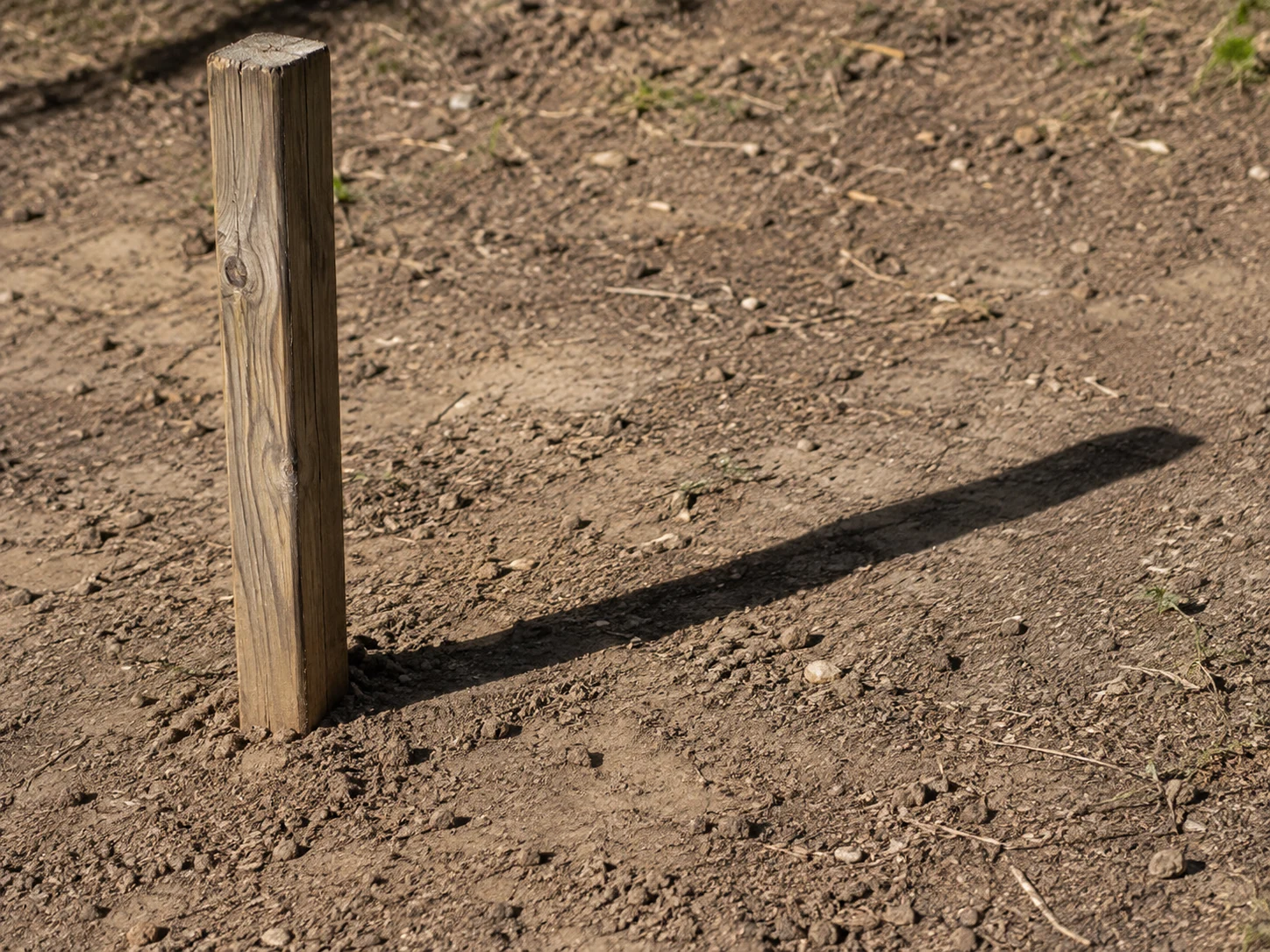
A shadow offers a way to notice the solstice without looking toward the Sun. At the summer solstice, the midday shadow is shortest.
Do not look directly at the Sun without proper protection.
Around midday, watch the shadow of a stationary object, such as a post, where it falls on the ground. Mark its position with a removable object, or describe its length and direction in a note. Keep your attention on the ground and consider what you notice about the shadow and the place around you. Remove your marker when you finish.
Take a Short Nature Walk
If a nearby natural area is accessible, take a short walk there. You do not need a route or a distance to complete; a brief walk can be a seasonal observance.
Give the walk one focus: pause to notice a detail you might otherwise pass by, such as a sound, a plant, or a change in the light. Consider what that detail means to you today. When you are ready, walk back.
Reflect on a Remembered Place
You can do this practice without going outdoors. Sit quietly for a few minutes and bring to mind a place in nature you remember.
Recall one specific detail—a texture, a sound, or something you saw there. Then ask yourself, Why does this place matter to me now? You do not need to settle on an answer. End by taking a breath and turning your attention back to the room.
Start a Nature Journal Entry
Open a notebook or a note on your device. Record the local date and your location, then write a few observations from outdoors or from a view where you are. A nature journal can begin with a simple record of what you notice.

Keep the entry specific to this day: what can you see or hear, and what feels seasonal to you? End with one question you would like to revisit later. You do not need to answer it now or give the day a particular meaning. Close the notebook or note when you are done.
Mark the Moment with a Candle
If you want to use a flame, choose a short thought or intention to hold in mind. It might be an appreciation for something in your life.
Before lighting the candle, put it in a sturdy holder on an uncluttered surface at least 30 cm from anything that can burn.
Light the candle and pause with your chosen thought for a few quiet moments. Extinguish the candle to close the practice, and always extinguish it before leaving the room or going to bed.
Make a Complete Flameless Ritual
If a flame is unsuitable or unwanted, this practice stands on its own. You do not need to do the candle practice first. A flameless candle is an alternative to one with a flame.
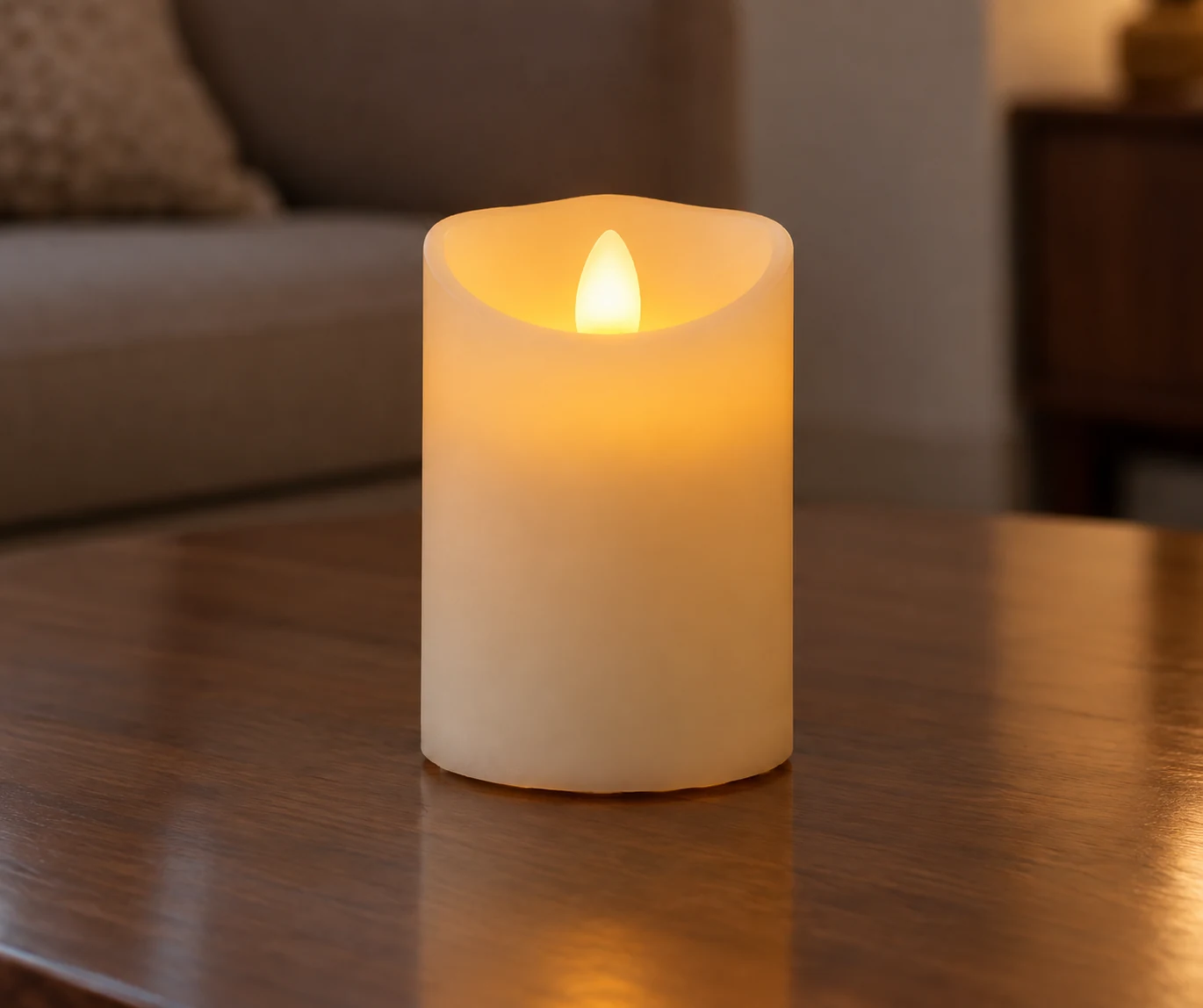
Set a flameless candle where you can sit comfortably and switch it on. Choose one word or intention for the season, and sit with it for a few quiet moments. To close, speak or think a sentence such as, “I will carry this thought with me.” Switch off the flameless candle.
Carry the Day Forward
One modest practice, brought to a close, is enough. Whatever you noticed or chose to honor, you can carry it into the days ahead in a way that fits your circumstances.