
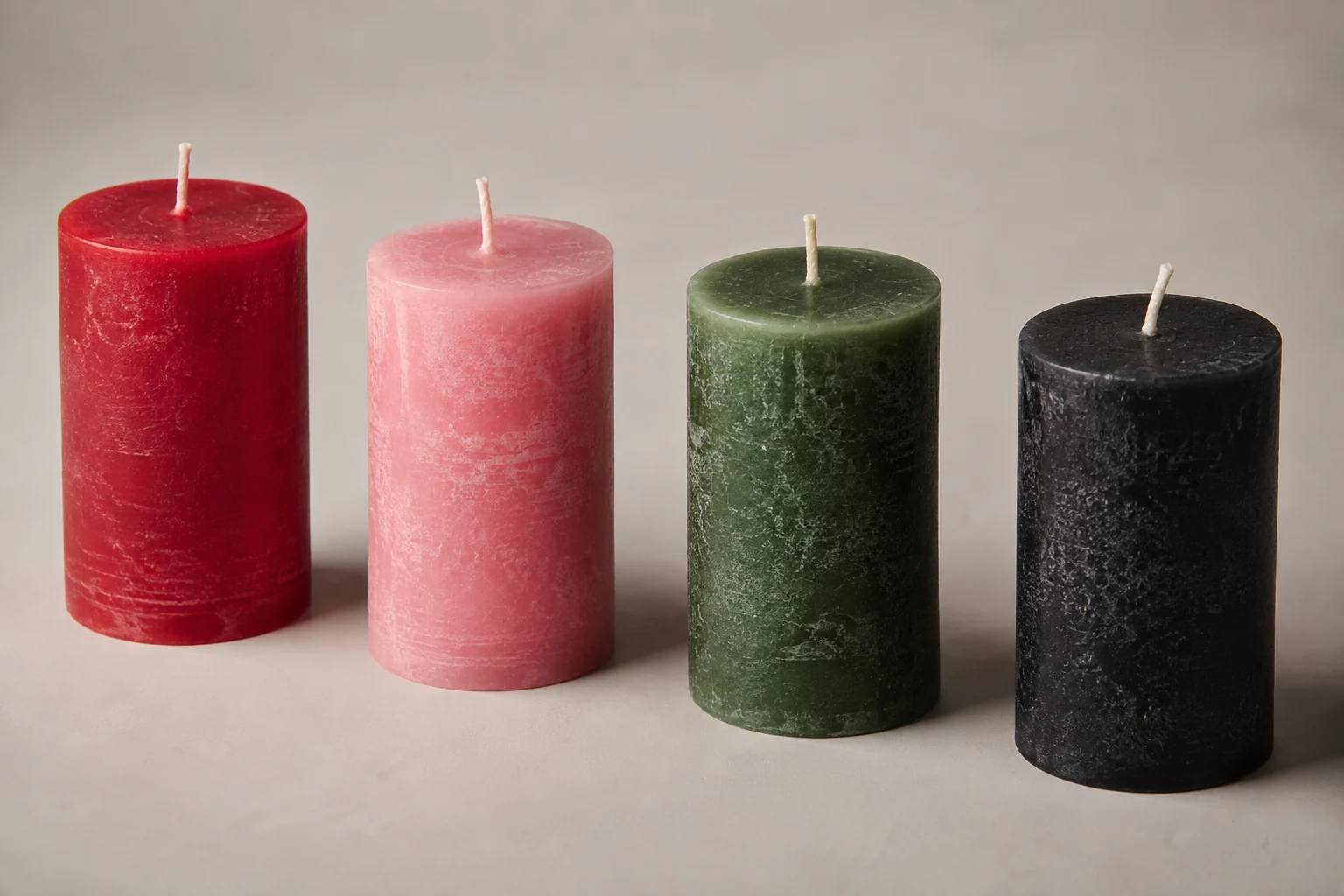
What Candle Colors Mean in a Practice
A color correspondence is an association a practitioner uses to represent an intention. The color gives a goal a visible form; it is not a fixed property of the candle or a guarantee of an outcome.
In contemporary Pagan educator Patti Wigington’s account of candle magic, the practitioner chooses a goal and focuses their intent. The candle is a tool for that practice, not something inherently magical. This leaves room to choose a color because it helps you hold a particular intention in mind, without assuming it must mean the same thing to everyone.
Common Color Correspondences
Wigington gives these typical associations for candle magic:
| Candle color | Associations in Wigington’s guide |
|---|---|
| Red | Courage, health, sexual love and lust |
| Pink | Friendship and sweet love |
| Green | Financial gain, abundance and fertility |
| Black | Negativity and banishment |
| White | Purity and truth |
Banishment means sending something away or seeking to put an end to it. A black candle does not necessarily signal harmful intent: a practitioner might choose it while focusing on something they want to leave behind. A candle’s color alone cannot tell you another person’s purpose.
These associations can also help distinguish intentions that sound similar. Wigington connects both red and pink with love, for instance, but lists sexual love and lust with red, and friendship and sweet love with pink. They are options for expressing an intention, not instructions to use one color for every situation.
Where These Meanings Have Limits
Wigington presents typical candle-magic correspondences, not experimentally verified forces or meanings shared by everyone. A color may be significant within one practice and carry a different meaning—or none—in another.
Research on color and emotion helps illustrate that variation, but it does not test candle magic. A 2020 study of 4,598 people across 30 nations and 22 languages found both shared patterns and local differences in color–emotion associations, with differences related to linguistic and geographic proximity.
The study measured associations between colors and emotion words, not ritual outcomes. It therefore cannot establish that candle magic works. Its relevance here is narrower: even familiar color associations are not universal. A practitioner’s correspondence is best understood as a way of expressing meaning, rather than a claim that a color will produce a particular result.
Choosing a Candle You Can Use Safely
Start with the intention you want the candle to represent, then consider which color makes sense in your own tradition or practice. Wigington’s associations offer a starting point, not a rulebook. If you do not own the color you had in mind, she notes that many Pagan traditions accept a white candle in place of another color. You do not need to build a collection before choosing a meaningful symbol.
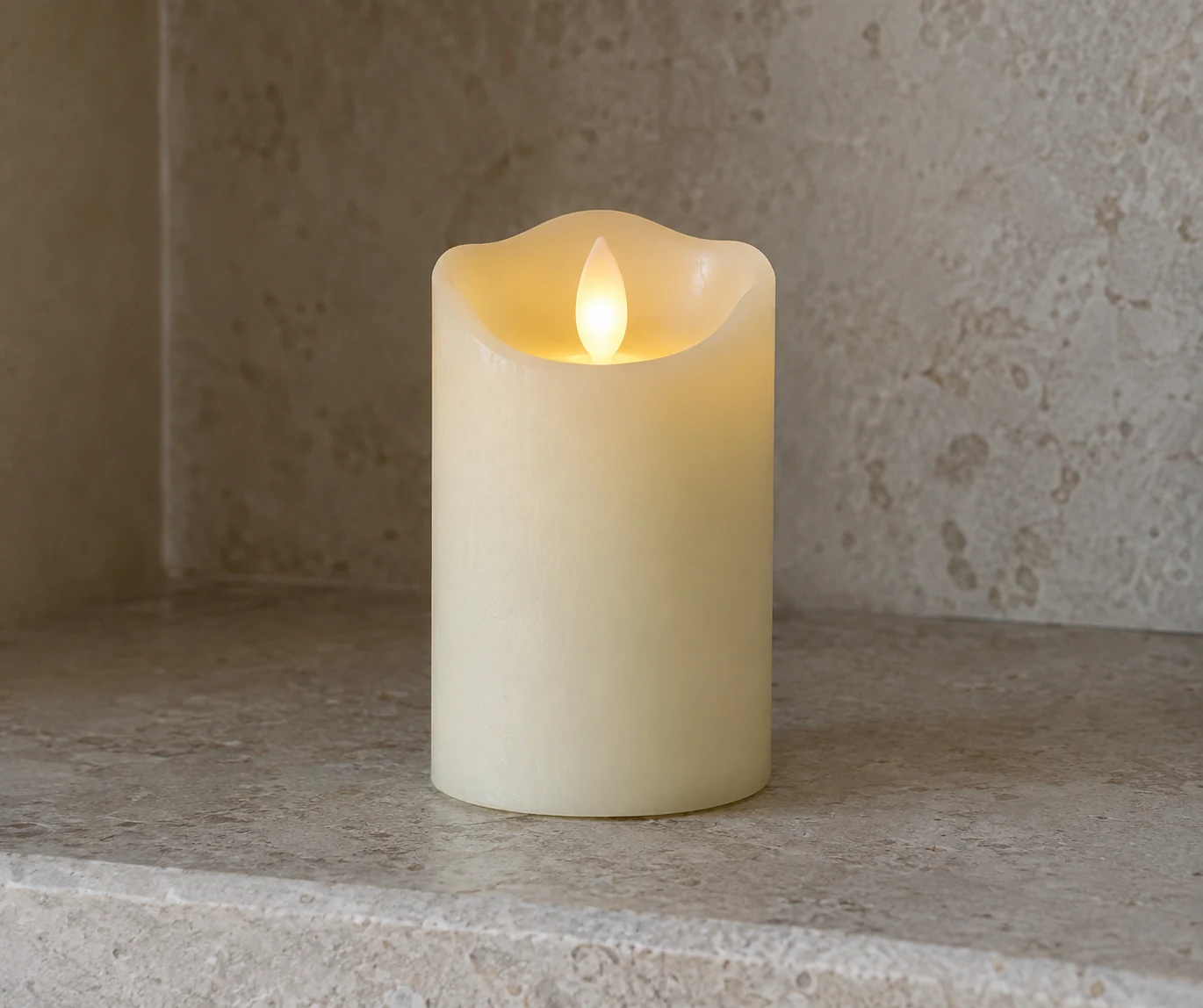
If you use a lit candle, make fire safety part of the choice. The U.S. Fire Administration recommends placing it in a stable holder and keeping it at least 12 inches from anything combustible. Extinguish the candle before leaving or going to sleep, and never leave the flame unattended.
The agency also suggests a battery-operated flameless candle as an alternative. Whether you choose a particular color, use white as a substitute, or avoid a flame, the candle can serve as a reminder of your intention. A meaningful practice need not depend on owning every color—or lighting a wick.