
How Imbolc and Groundhog Day Are Connected
Imbolc and Groundhog Day share a concern with the turn toward spring, not a documented chain from an ancient Irish rite to a Pennsylvania groundhog. The National Weather Service describes the observances as resembling one another. Resemblance invites comparison, but it does not establish that one ceremony became the other.
Imbolc and St Brigid’s Day fall on February 1. The National Museum of Ireland places St Brigid’s Day at the opening of spring in its Irish seasonal calendar. It describes customs associated with growth on the land and protection, including crosses, and notes older goddess associations with Brigid. These associations convey the day’s seasonal significance; they do not give us a detailed account of ancient Imbolc celebrations.
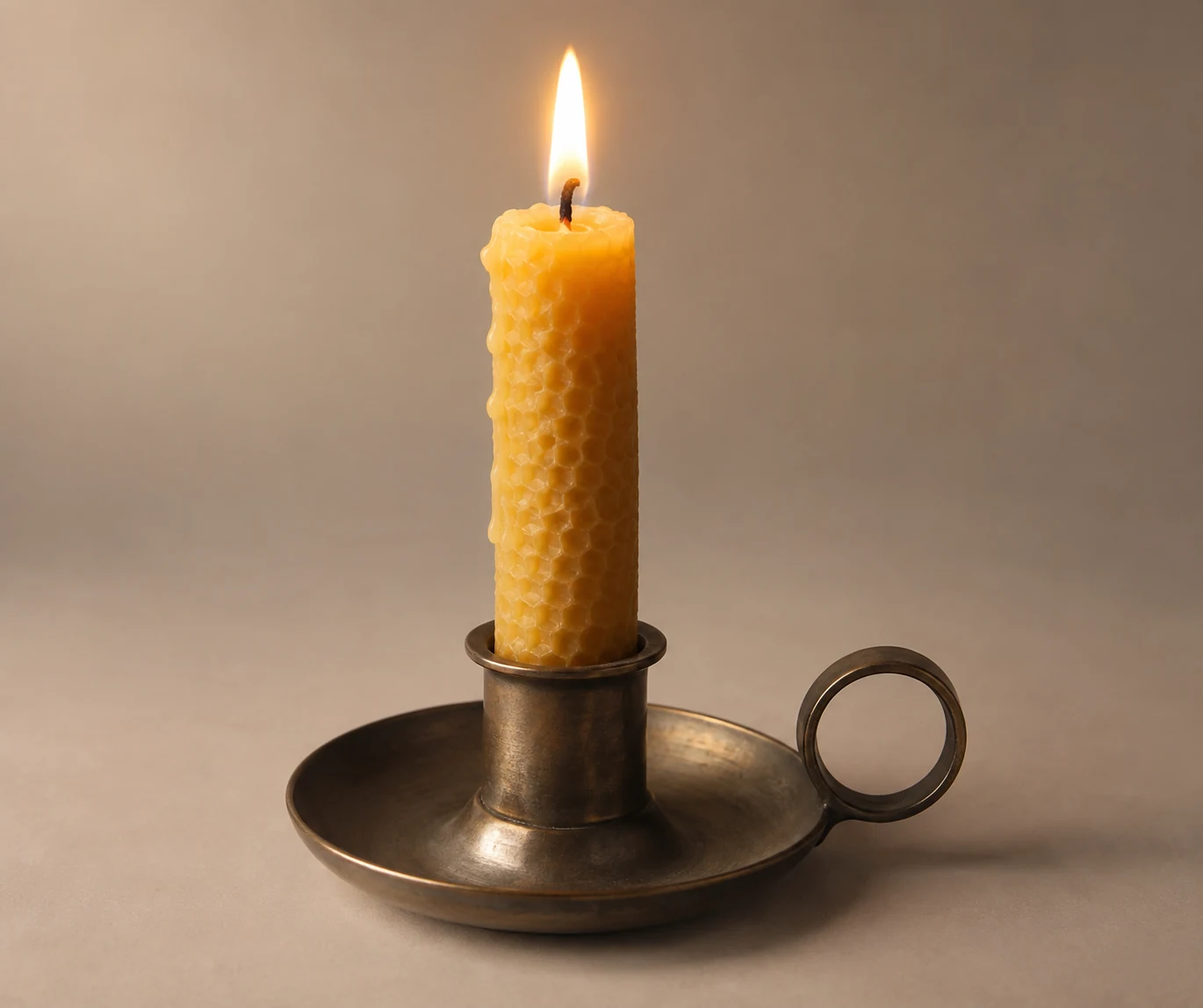
Candlemas and Groundhog Day fall on February 2. Candlemas is a Christian feast associated with the blessing of candles. Its weather sayings offer a more immediate context for the animal-shadow belief that later took a groundhog form in Pennsylvania.
How a Candlemas Weather Belief Acquired a Groundhog
An older Candlemas weather saying held that clear skies meant more winter to come. This was weather folklore: a customary way of reading the season, not a scientific forecast.
German Candlemas lore also featured an animal. In a version quoted by the Library of Congress, a badger sees sunshine and retreats, signaling more winter. A Rutgers folklorist describes a German badger or hedgehog weather belief behind the American custom. The animal’s response to sunlight gave the February 2 saying a memorable form.
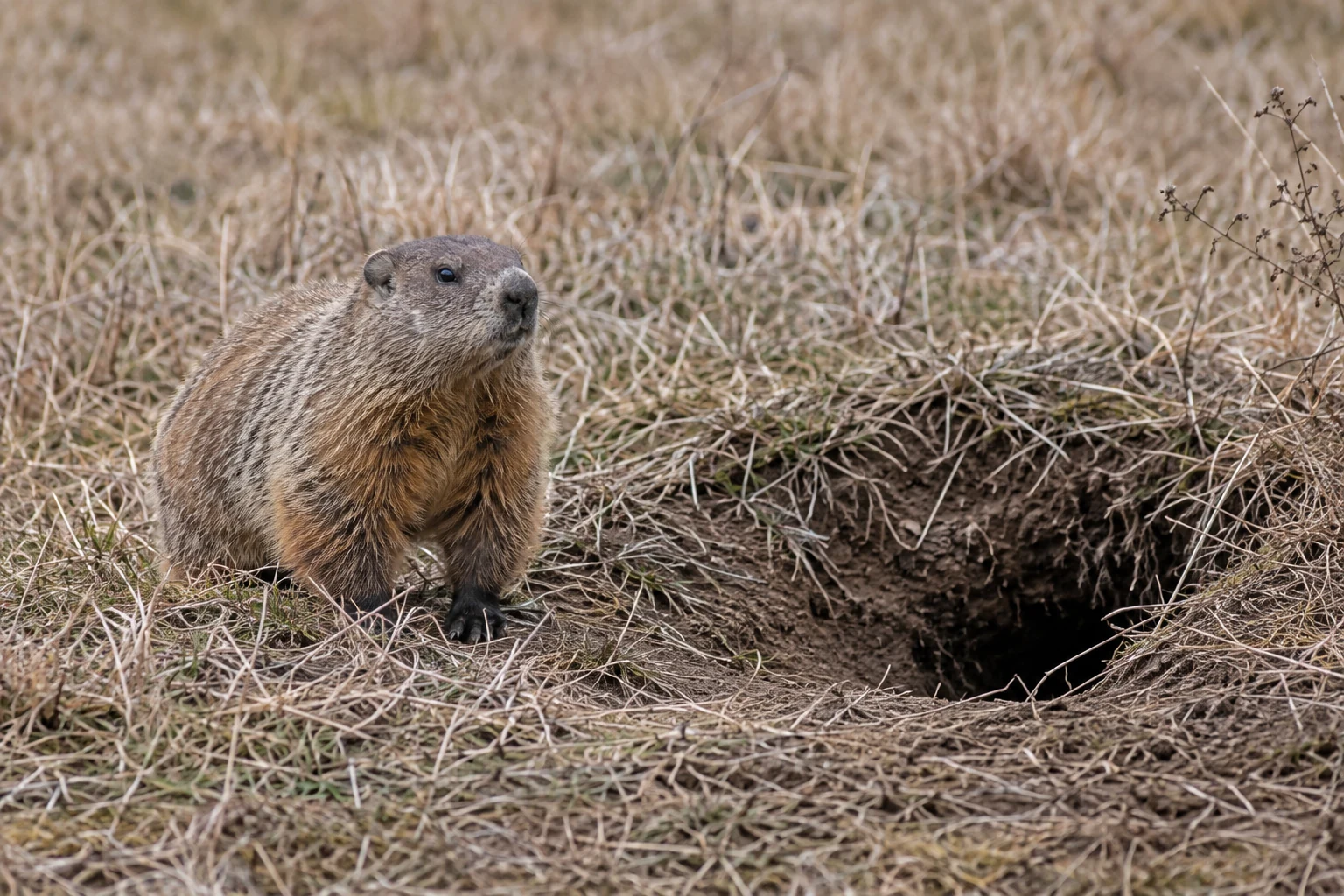
Pennsylvania German settlers adapted that belief using the local groundhog in place of a familiar European forecasting animal. This is the documented path of the animal custom: German Candlemas lore carried to Pennsylvania and expressed through a different creature. It does not place a groundhog in an ancient Irish observance.
What the Pennsylvania Timeline Establishes
A Pennsylvania diary entry from 1840 is the earliest February 2 groundhog mention found by the folklorist cited by the Library of Congress. It is evidence that the custom was recorded by then, not proof of its first celebration.
Rutgers dates the organized Punxsutawney event to 1887. That date marks the start of the organized event, not the start of all groundhog-related February 2 customs in Pennsylvania. The diary entry and the later event document different points in the tradition’s history.
What “Pagan Roots” Can—and Cannot—Mean
“Pagan roots” can refer to a broad way of marking the seasonal turn without claiming that a particular ritual survived intact. Imbolc and Groundhog Day occur on neighboring dates and both draw attention to the approach of spring. That resemblance supports a comparison of themes, not a claim of direct ritual inheritance.
A Library of Congress folklife discussion presents folklorist Don Yoder’s view that Celtic seasonal turning points influenced later European calendars. This is an interpretation of deeper calendar influences, not a documented route from an Irish rite to Pennsylvania.
The older goddess associations with Brigid likewise do not establish a link to groundhog practice. Moreover, details of ancient Imbolc celebrations are poorly known. Without evidence of what a particular ceremony involved or how it was transmitted, there is no basis for calling the modern shadow custom its survival. The broader interpretation of seasonal influence and the documented transmission of animal lore answer different historical questions.
How to Observe the Connection Today
A groundhog’s shadow is a weather-folklore motif, not a dependable forecast. As a Rutgers folklorist notes, groundhog predictions do not perform well as scientific forecasts.
If these neighboring dates prompt you to mark the approach of spring, choose a practice appropriate to your own tradition and circumstances. You need not present that choice as a reconstruction of an ancient Imbolc ceremony, whose details are poorly known. The connection is seasonal kinship alongside a separately documented Pennsylvania German animal custom.