
A cord cutting ritual for release is a focused spiritual practice for ending an emotional, energetic, or relational attachment that no longer supports your peace. It can be used after a breakup, conflict, grief, draining friendship, repeating memory, or old pattern. The ritual does not control another person or erase real-life responsibilities; it helps you reclaim your attention, boundaries, and steadiness. To perform it safely, prepare a quiet space, name what you are releasing, use simple symbolic tools such as string, paper, water, or a candle, speak your intention clearly, cut or dissolve the cord, then ground yourself afterward. Keep fire safety, consent, and emotional readiness at the center.
What You Need Before You Start
Before beginning, decide exactly what you are releasing. Be specific but not cruel. For example: “I release my attachment to being chosen by this person,” “I release the fear I carried from that conversation,” or “I release the pattern of returning to what hurts me.” A clear intention gives the ritual direction.
Choose a time when you will not be interrupted for 20 to 45 minutes. Turn off notifications, clean the immediate area, and make sure children, pets, or housemates will not knock over ritual items. If the attachment involves danger, stalking, abuse, shared housing, legal matters, or financial dependence, make a real-world safety plan first. A ritual can support courage, but it should not replace locks, documentation, trusted help, therapy, medical care, or emergency services.
Gather simple supplies:
- Two short pieces of paper
- A pen
- A piece of string, thread, yarn, or ribbon
- Scissors
- A bowl of water or salt water
- A candle and lighter, optional
- A heat-safe dish, optional
- A grounding item such as a stone, cup of tea, blanket, or ancestor altar offering
If you work with ancestors, you may place the items near your ancestor altar and ask only your well and wise ancestors for protection, clarity, and steadiness. Keep the request respectful: you are not asking them to harm anyone, force an outcome, or carry your pain for you. You are asking for support as you release what is no longer yours to hold.
Do not do this ritual while intoxicated, exhausted, panicked, or actively wanting revenge. If you feel overwhelmed, first breathe, drink water, call a trusted person, or wait until another day.
Step 1: Prepare the Space and Name the Cord

Start by setting the space. Wipe the surface where you will work. Place your bowl of water in the center. If using a candle, set it in a stable holder away from curtains, papers, hair, loose sleeves, and anything flammable. Keep water nearby and never leave the flame unattended. If you prefer not to use fire, skip the candle; the ritual still works through intention and action.
Sit with both feet on the floor. Take seven slow breaths. On each exhale, relax your jaw, shoulders, hands, and stomach. Say aloud:
“I enter this ritual with clarity, protection, and respect. I call my energy back to myself. I release what is not mine to carry.”
Write your name on one piece of paper. On the second piece, write the name of the person, situation, habit, memory, fear, or pattern you are releasing. If using a person’s name feels too intense, write “the attachment,” “the old bond,” or “the pattern between us.” This keeps the ritual focused on your release rather than control over someone else.
Place the two papers a few inches apart. Tie or lay the string between them, connecting the papers. You can tape the ends down, place the papers on top of the string, or hold one end in each hand. The string represents the cord: the repeated thought, emotional pull, guilt, longing, resentment, fantasy, obligation, or fear that keeps your energy moving toward what you are ready to release.
Now name the cord clearly. Speak in plain language. You might say:
“This cord represents my attachment to being understood by someone who cannot meet me with care.”
Or:
“This cord represents the grief, anger, and longing I have carried from this relationship.”
Or:
“This cord represents my habit of returning to a situation that drains my spirit.”
Pause after speaking. Notice what your body does. You may feel sadness, heat, shaking, relief, numbness, or resistance. None of these mean you are doing it wrong. Your job is not to force a dramatic feeling. Your job is to tell the truth gently and stay present.
If tears come, let them. If anger rises, place a hand on your chest and say, “I can feel this without acting from it.” If you feel unsafe or close to panic, stop the ritual, put the string down, drink water, and ground yourself. You can return another day.
Step 2: Cut, Release, and Close the Ritual
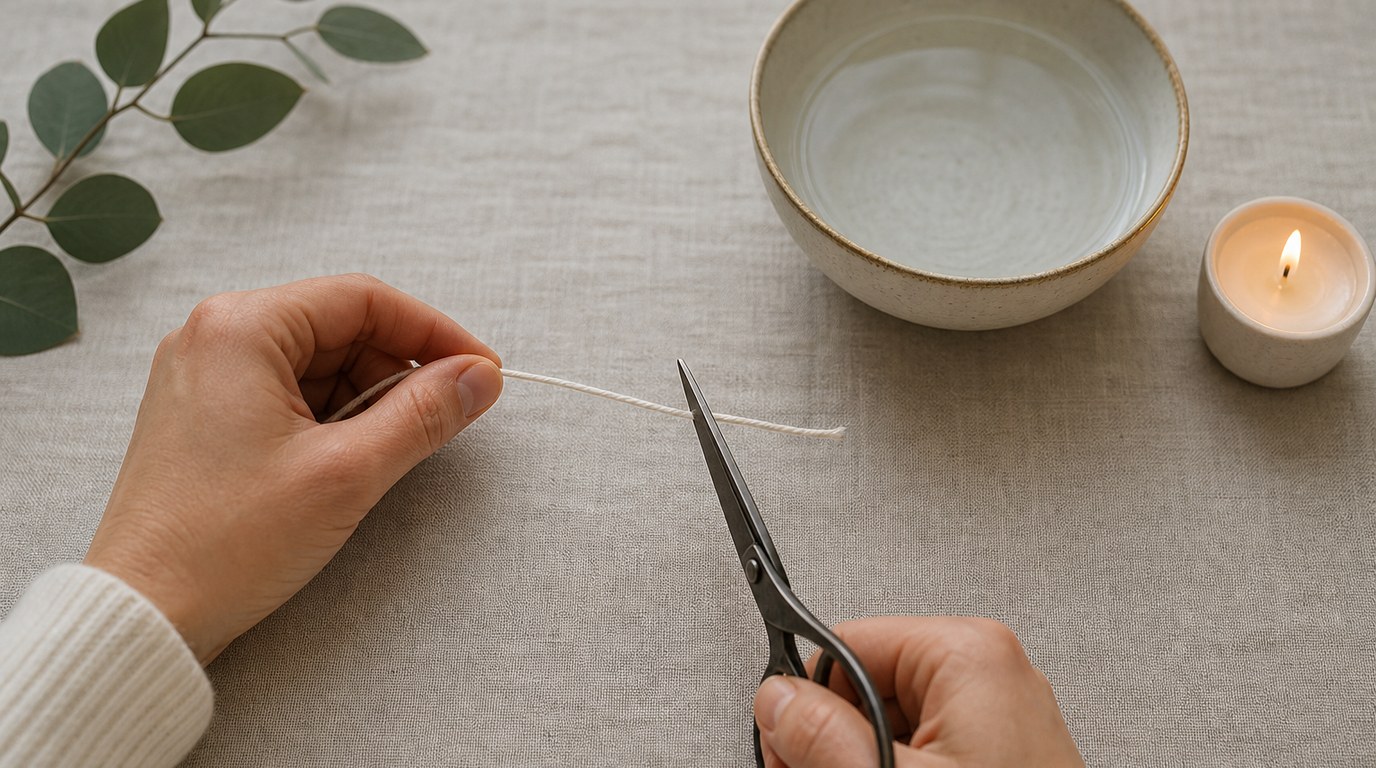
When you are ready, pick up the scissors. Hold the string at its center. Before cutting, speak your release statement. Keep it firm, not hostile:
“I release this cord with respect for my own life. I return what is not mine. I call back what belongs to me. May all energy return cleansed, neutral, and complete.”
Cut the string once. Let the two sides fall apart.
Take a slow breath. Imagine your energy returning to your body like warm light, clean water, or a steady drumbeat. You do not need to imagine the other person suffering, disappearing, or learning a lesson. That keeps your attention tied to them. Focus on your own return.
Place the paper with your name near your heart or on your altar. Say:
“I remain with myself. I am whole without this cord.”
Place the other paper and its half of the string into the bowl of water. If you are using salt water, imagine the salt neutralizing the charge. Say:
“What is complete is complete. What is released is released. I no longer feed this attachment.”
For disposal, choose one safe method. You may pour the water down the drain and throw the wet paper away. You may wrap the paper and string in scrap paper and place them in the trash outside your home. If the ritual involves someone you still share duties with, such as a co-parent, coworker, or family member, do not frame the release as “never again.” Instead, release the unhealthy cord while keeping practical boundaries: “I release the emotional hook. I keep only the necessary, respectful contact.”
If you use fire, be cautious. Do not burn string, ribbon, coated paper, photos, plastics, or anything that may release fumes. If burning a small paper, use a fireproof dish, burn only a tiny piece, keep water nearby, and fully extinguish ashes. When in doubt, use water instead. Fire is not required.
Close the ritual by grounding. Touch the floor. Drink water. Eat something simple. Wash your hands. If you work with ancestors, offer thanks: “Thank you to my well and wise ancestors for witnessing my release. May I walk forward with protection and clarity.” Then step away from the altar or ritual space and do something ordinary: fold laundry, take a shower, open a window, or rest.
Common mistakes include doing the ritual repeatedly in a frantic state, checking the other person’s social media immediately afterward, using the ritual to avoid a necessary conversation, or expecting all grief to vanish at once. The cut is a boundary and a beginning. Your follow-through seals it.
How to Check the Result
A cord cutting ritual worked when your energy begins returning to your own life. This may feel dramatic, but often it is subtle. Look for practical signs over the next few days: you check your phone less, feel less urge to explain yourself, sleep more deeply, cry and then settle, remember the situation without spiraling as long, or feel ready to take one clear next step.
Success does not always mean you stop caring. It means the attachment no longer leads your choices. You may still grieve, miss someone, feel angry, or need support. The result is not emotional numbness; it is more space between the trigger and your response.
After the ritual, protect the release with action. Remove or store objects that reopen the wound. Mute accounts if needed. Change a routine that keeps feeding the cord. Write down one boundary you will honor for seven days, such as “I will not reread old messages,” “I will not initiate contact,” or “I will speak only about practical matters.”
If you feel heavier, obsessive, or frightened afterward, treat that as information, not failure. Ground your body, talk to someone trustworthy, and consider whether you attempted the ritual before you were emotionally ready. You can repeat the ritual later, but do not do it daily in desperation. Give the first working time to settle.
A simple result check is this: place your hand on your heart and ask, “Do I feel even one inch more returned to myself?” If yes, the ritual has begun its work.
FAQ
What Is the First Step Someone Should Take with Cord Cutting Ritual for Release?
The first step is to name what you are releasing. Write a clear intention before gathering tools. Focus on your attachment, pattern, fear, or emotional hook rather than trying to control another person. A precise intention makes the ritual safer and more effective.
What Can Go Wrong When Following Cord Cutting Ritual for Release Advice?
The most common problems are unsafe candle use, doing the ritual while emotionally flooded, expecting instant healing, or using it to avoid real-world action. Cord cutting should support boundaries, not replace safety planning, honest communication, therapy, legal help, or practical changes when those are needed.
How Long Does It Usually Take to Work Through Cord Cutting Ritual for Release?
The ritual itself usually takes 20 to 45 minutes. The emotional integration may take days or weeks, especially after a deep relationship or long-standing pattern. Give yourself time, avoid reopening the wound, and support the release with grounding and boundaries.
How Can a Beginner Tell Whether Cord Cutting Ritual for Release Worked?
A beginner can look for small, observable shifts: less urgency, fewer intrusive thoughts, better sleep, calmer decision-making, or a stronger desire to care for themselves. It worked if you feel even slightly more centered and less controlled by the attachment.