
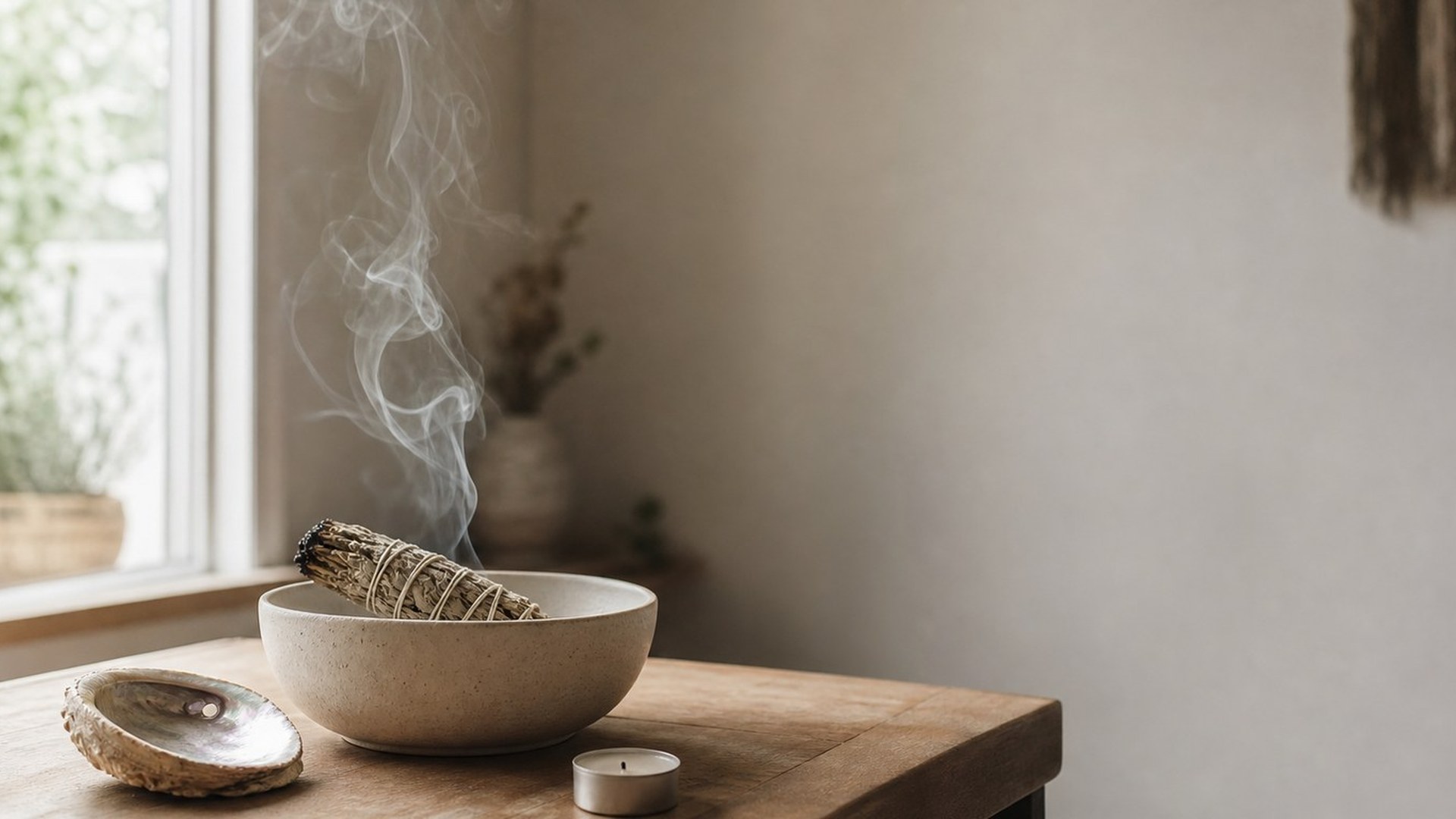
Smudging is a specific ceremonial practice with Indigenous roots, while space cleansing is a broader term for clearing, blessing, or resetting the energy of a home, altar, or room. What many people miss is that smoke itself is not the whole ritual. Intention, respect, safety, cultural context, and follow-through matter just as much. You can cleanse with herbs, sound, prayer, water, breath, or simple tidying. If you work with an ancestor altar, cleansing can help you enter the space with calm attention, but it should never become rushed, performative, or disconnected from gratitude.
Introduction: Why Smudging Is Often Misunderstood
Smudging is often described online as simply “burning sage to remove bad energy,” but that is an oversimplification. The word carries cultural meaning, and many people use it without understanding its roots. At the same time, people from many traditions practice some form of space cleansing. This guide explains what smudging is, how it differs from general cleansing, and how to approach home ritual work with respect, especially around an ancestor altar.
What Smudging Actually Means
Smudging usually refers to sacred smoke ceremonies practiced by some Indigenous peoples of North America. These practices may involve specific plants, prayers, protocols, teachings, and community traditions. Because of that, smudging is not just a decorative wellness trend or a generic word for any smoke ritual.
This does not mean you cannot cleanse your home spiritually. It means language matters. If you are not practicing within a tradition that has taught you smudging, it may be more respectful to say “smoke cleansing,” “space cleansing,” or “cleansing ritual.” That small shift acknowledges that not every spiritual use of smoke is the same thing.
Smudging Vs. Space Cleansing: What Is the Difference?
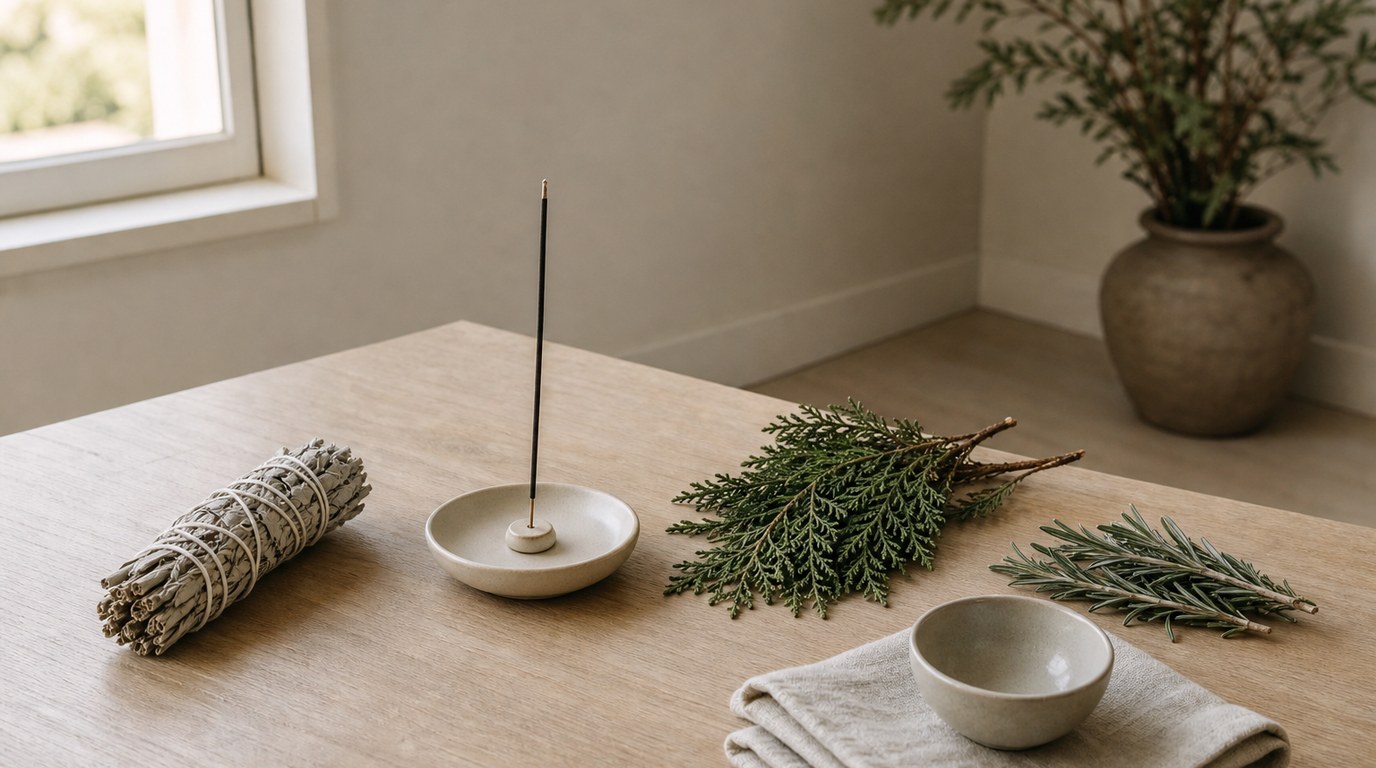
Think of space cleansing as the larger category. It includes many methods used to refresh a room, clear stagnant energy, prepare for prayer, or mark a transition. Smudging is one culturally specific practice within that wider landscape.
Smoke cleansing may use incense, rosemary, cedar, mugwort, resins, or other botanicals. Non-smoke cleansing may use bells, clapping, singing, floor washing, salt bowls, prayer, candlelight, or fresh air. The goal is usually similar: to shift the atmosphere and bring the space back into spiritual order. The method depends on your culture, household, beliefs, and safety needs.
What People Often Don’t Know About Smoke Cleansing
One thing people often do not know about smudging and smoke cleansing is that the plant does not do all the work by itself. Your attention, words, and behavior shape the ritual. If you cleanse a room but keep feeding the same conflict, clutter, or stress, the atmosphere may quickly feel heavy again.
Another overlooked point is consent. Smoke affects children, pets, elders, neighbors, and people with asthma or sensitivities. A spiritual practice should not harm the people living in the home.
People also forget that cleansing is not only about “removing.” It can also be about inviting: peace, protection, clarity, blessing, or ancestral connection. After clearing, name what you want to welcome. A room that has been emptied spiritually should be filled with steady, meaningful intention.
Common Tools Used for Cleansing a Space
You do not need rare or culturally sacred herbs to cleanse a home. Many everyday tools can be meaningful when used with care. Incense is common in many spiritual traditions. Rosemary, bay leaf, lavender, cedar, pine, or garden herbs may be used where appropriate and safe. Some people use resin incense such as frankincense or copal, depending on their tradition.
Smoke-free tools are just as valid. You might ring a bell, clap in corners, pray aloud, sprinkle blessed water, open windows, sweep the floor, light a candle, or play devotional music. For an ancestor altar, a clean cloth, fresh water, and a sincere spoken blessing can be more powerful than an elaborate bundle of herbs.
How to Cleanse a Room Respectfully: a Simple Beginner Method
Begin by physically tidying the room. Remove trash, straighten the altar or table, and open a window if you are using smoke. Cleansing works best when the physical and spiritual actions support each other.
Next, pause and set an intention. You might say, “May this space be cleared of heaviness and restored to peace.” If you honor ancestors, you can ask only your well and benevolent ancestors to witness and support the work.
Light your chosen incense or herb safely in a fireproof dish, or choose a smoke-free tool. Move slowly through the room. Pay attention to corners, doorways, windows, and the area around your altar. You do not need dramatic gestures. Steady presence is enough.
When finished, thank the helping spirits, ancestors, plants, or divine presence according to your path. Extinguish everything fully. Then add something positive: fresh water, a candle, music, prayer, or a few quiet minutes of gratitude.
Using Cleansing Before Ancestor Altar Work
Cleansing before ancestor altar work helps you shift from ordinary activity into reverence. It marks the altar as a place of relationship, not decoration. Before offerings, prayer, divination, or remembrance, you can cleanse your hands, the altar surface, and the surrounding space.
This does not need to be complicated. Wipe the altar, refresh the water, light a candle if safe, and speak a short prayer. Ask that only loving, healed, and elevated ancestors be welcomed. Cleansing creates a clear boundary around the work and helps you approach your lineage with steadiness.
Mistakes to Avoid When Smudging or Cleansing
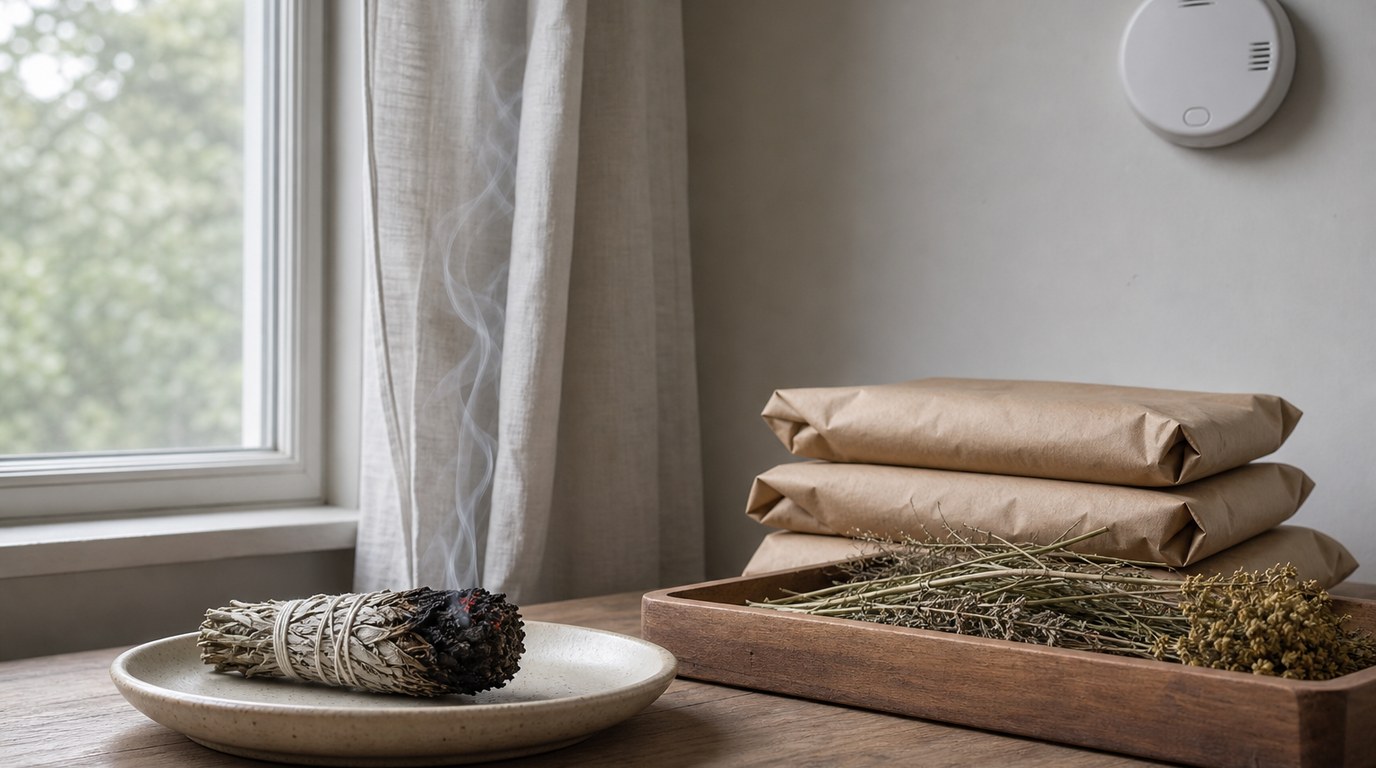
Avoid calling every smoke practice “smudging” without understanding the cultural context. Avoid buying endangered, overharvested, or questionably sourced plants. White sage and palo santo, for example, should be approached with care and research.
This care becomes easier with a grounded look at the wisdom of North American sage, including its meaning, uses, and sourcing concerns.
Do not use smoke in unsafe conditions, near oxygen tanks, sensitive lungs, pets, or heavy fabrics. Do not leave embers unattended. Also avoid using cleansing as a substitute for practical action. If a home feels tense because of conflict, poor boundaries, or neglect, spiritual cleansing should be paired with honest repair, cleaning, conversation, and rest.
How Often Should You Cleanse Your Space?
Cleanse when the space feels stagnant, after arguments, illness, visitors, grief, major transitions, or before important altar work. Some people cleanse weekly; others do it monthly or seasonally. Let the rhythm be useful rather than fear-based. A peaceful home does not need constant spiritual scrubbing. Sometimes maintenance is as simple as opening a window and offering thanks.
Conclusion: the Heart of Cleansing Is Respectful Intention
The deeper lesson is that cleansing is not about copying an aesthetic. It is about relationship: with your home, your body, your ancestors, your materials, and the traditions you reference. Smudging has specific cultural meaning, while space cleansing offers many respectful paths. Choose practices that are safe, sincere, and rooted in gratitude. When intention and respect guide the ritual, even a simple act can become sacred.
FAQ
Is Smudging the Same as Burning Sage?
Not exactly. Burning sage is an action; smudging refers to specific ceremonial practices in some Indigenous traditions. Many people use sage for smoke cleansing, but it is more respectful not to call every sage-burning ritual “smudging” unless you are practicing within an appropriate cultural context.
What Can I Use Instead of Sage for Cleansing?
You can use incense, rosemary, bay leaf, lavender, cedar, bells, clapping, prayer, salt, water, sweeping, music, or fresh air. Choose what fits your tradition, household, and safety needs. The tool matters, but your intention, consistency, and respect matter more.
Do I Need Smoke to Cleanse My Ancestor Altar?
No. Smoke is only one option. You can cleanse an ancestor altar by wiping it clean, refreshing water, ringing a bell, praying, lighting a candle, or placing fresh flowers. For smoke-sensitive homes, a spoken blessing and clean offering space are completely appropriate.
Which Direction Should I Move When Cleansing a Room?
Different traditions give different directions. Some move clockwise to bless and invite, counterclockwise to banish, or from the back of the home toward the front door. If you do not follow a set tradition, choose a simple route and state your intention clearly.
Can Smudging Remove Bad Energy?
Cleansing can help shift the feeling of a space, release heaviness, and support spiritual focus. But it is not a cure-all. Lasting change may also require cleaning, boundaries, rest, communication, protection practices, or practical problem-solving alongside the ritual.