
An altered space is a place intentionally shifted from ordinary use into sacred, focused, or spiritually protected use. You change it through ritual ceremony by naming a purpose, cleansing what is stagnant, setting a ritual center, making offerings, speaking prayer, and closing with respect. The change is not only decorative. It is practical, emotional, and spiritual: the room begins to support the life you are choosing.
For ancestor altar work, this may mean turning a shelf, table, corner, or whole room into a place of remembrance, guidance, gratitude, and right relationship. Begin simply. Use what is clean, meaningful, and safe. A glass of water, a candle, a photograph, a cloth, a prayer, and consistent attention can be enough.
What It Means to Alter a Space Through Ritual
To alter a space through ritual is to change its role in your life. A corner that held clutter can become a place of prayer. A dining table can become a temporary ceremony center. A bedroom can be spiritually reset after grief, conflict, or transition.
Ritual works because it combines action, symbol, attention, and repetition. You are not just thinking about change; you are doing change with your body, voice, objects, and environment. In ancestor veneration, the space becomes a meeting point between memory, lineage, gratitude, and daily living.
Before You Begin: Prerequisites for a Safe and Respectful Ceremony
Before starting, decide what the ceremony is for. Be specific: “I am creating a peaceful ancestor altar,” “I am clearing old heaviness,” or “I am dedicating this room to rest and protection.”
Prepare the space physically. Remove trash, wipe surfaces, open a window if possible, and make sure candles, incense, or herbs can be used safely. If smoke is unsafe for your household, use sound, water, prayer, or fresh air instead.
Prepare yourself as well. Wash your hands, take a few breaths, and avoid beginning while angry, intoxicated, or rushed. If you are working with ancestors, invite only well, loving, elevated, and benevolent ancestors. Set boundaries before you open the ceremony.
Step 1: Choose the Space and Name Its New Purpose
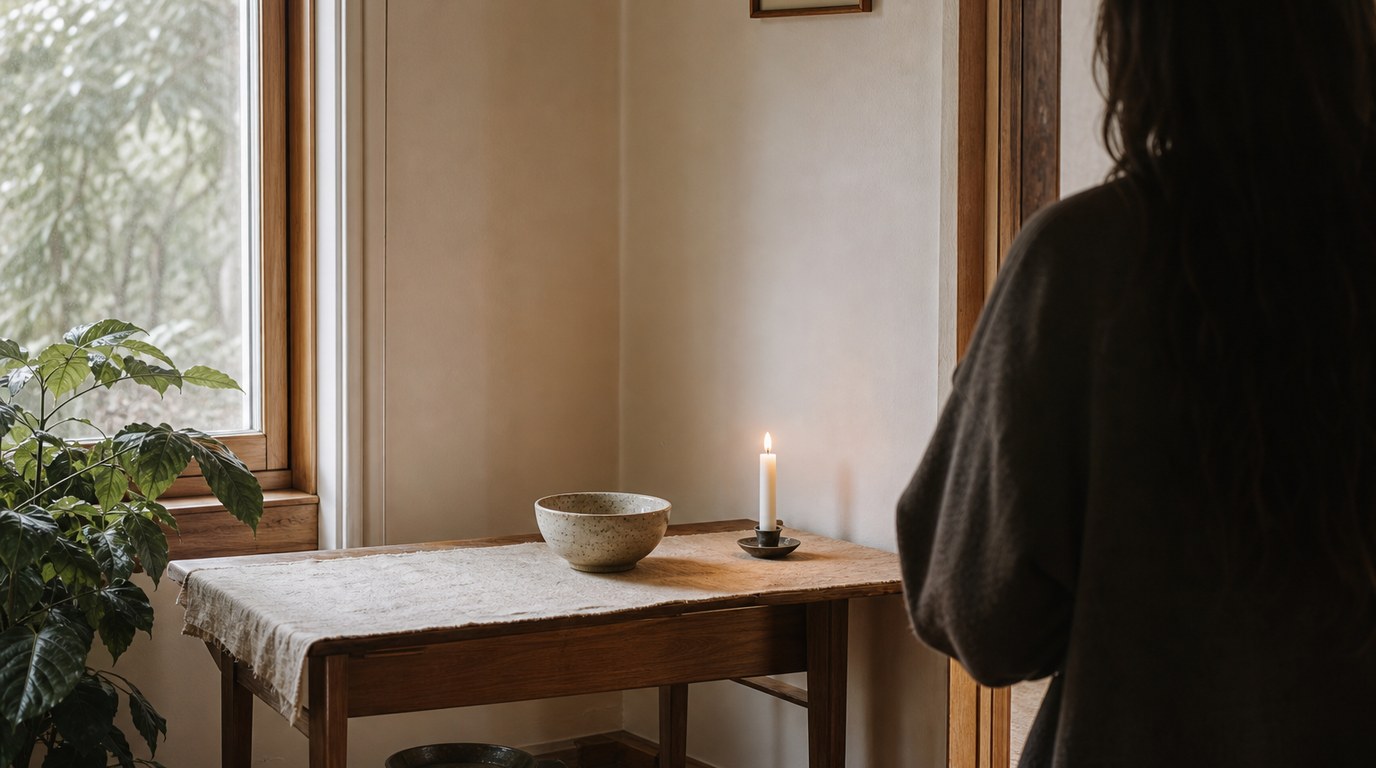
Choose a space that can realistically hold the new purpose. It does not need to be large. A small table, windowsill, dresser top, or clean floor mat can become a ritual center.
Stand in the space and say its purpose aloud. For example: “This place is now set aside for honoring my ancestors, receiving wisdom, and cultivating peace.” Speak plainly. The words should feel honest, not theatrical. If others live with you, choose a location that can be respected and not constantly disturbed.
Step 2: Cleanse the Space Physically and Spiritually
Start with ordinary cleaning. Sweep, dust, remove old cups, clear clutter, and discard broken or unwanted items. Physical mess often holds emotional noise.
Then cleanse spiritually in a safe way. You may ring a bell, clap in corners, sprinkle a little water, pray over the room, play sacred music, or use smoke if it is safe and appropriate for you. Move from the doorway through the space with intention.
Avoid using endangered herbs or closed cultural practices that are not yours to claim. Also avoid heavy smoke around children, pets, asthma, or shared housing. Cleansing should create peace, not harm.
Step 3: Set the Altar or Ritual Center
Create a focal point so the space knows where the ceremony gathers. For ancestor work, this may include a clean cloth, a glass of water, a candle, flowers, family photos, names written on paper, heirlooms, or food offerings.
Place items with care. Keep water fresh, candles stable, and flammable objects away from flame. If you do not have photos, names or symbolic objects are enough. If family history is painful or unknown, you may honor “the well and wise ancestors of my blood, spirit, and chosen lineages.”
Do not overcrowd the altar. Leave room for attention. A clear, tended altar is stronger than a crowded one you cannot maintain.
Step 4: Open the Ceremony with Intention and Invitation
Stand or sit before the altar or ritual center. Take three slow breaths. Place one hand over your heart or on the altar if that feels right.
Say your opening clearly: “I open this ceremony in respect, protection, and truth. I invite only loving, wise, and benevolent ancestors and helping spirits who support healing and right relationship.”
If you do not work with spirits, adapt the words: “I open this space for clarity, peace, memory, and renewal.” The important part is to mark the beginning. Ritual needs a threshold.
Step 5: Perform the Main Ritual Action
Choose one main action rather than trying to do everything at once.
For ancestor veneration, pour fresh water and say: “May this offering honor those who came before me. May what is unresolved move toward peace. May what is loving continue to guide me.”
For release, write what no longer belongs in the space on paper. Read it aloud, then tear it up and discard it outside the ritual area. If burning is safe and legal, you may burn it in a fireproof container, but never leave flame unattended.
For blessing, touch the walls, doorway, altar, or floor and speak what you welcome: “Peace enters here. Protection remains here. Love is remembered here. Wisdom is practiced here.”
For transition, move one symbolic object into the space: a key, bowl, candle, plant, stone, or cloth. Let that object represent the new reality you are choosing.
Step 6: Listen, Observe, and Record What Changes
After the main action, sit quietly for a few minutes. Notice the room, your body, your emotions, and any thoughts that arise. You are not forcing a vision or message. You are listening for subtle change.
Write down what you observe: temperature, mood, memories, dreams later that night, or a sense of calm or resistance. This record helps you distinguish real patterns from passing feelings. It also shows what the space may need next.
Step 7: Close the Ceremony Properly
Do not leave the ceremony open-ended. Thank whoever or whatever you invited. Say: “This ceremony is complete. I give thanks for all loving guidance received. Any presence not aligned with protection, peace, and right relationship must depart now.”
Extinguish candles safely. Dispose of offerings respectfully. Some food offerings may be composted, placed outside where appropriate, or discarded with gratitude, depending on your tradition and local conditions.
Finally, touch the ground or floor and breathe. This helps you return fully to ordinary awareness.
How to Know the Ritual Changed the Space
A changed space usually feels more coherent. You may notice that you breathe more easily there, keep it cleaner, speak more gently, or feel drawn to sit, pray, journal, or remember.
Result verification is practical. Ask: Does the space support the purpose I named? Is it easier to use it in the new way? Do I feel respectful boundaries around it? Are dreams, emotions, or family memories surfacing in a manageable way?
If the space feels chaotic, heavy, or neglected, the ritual may need simplifying, repeating, or closing more firmly.
Common Mistakes and Troubleshooting
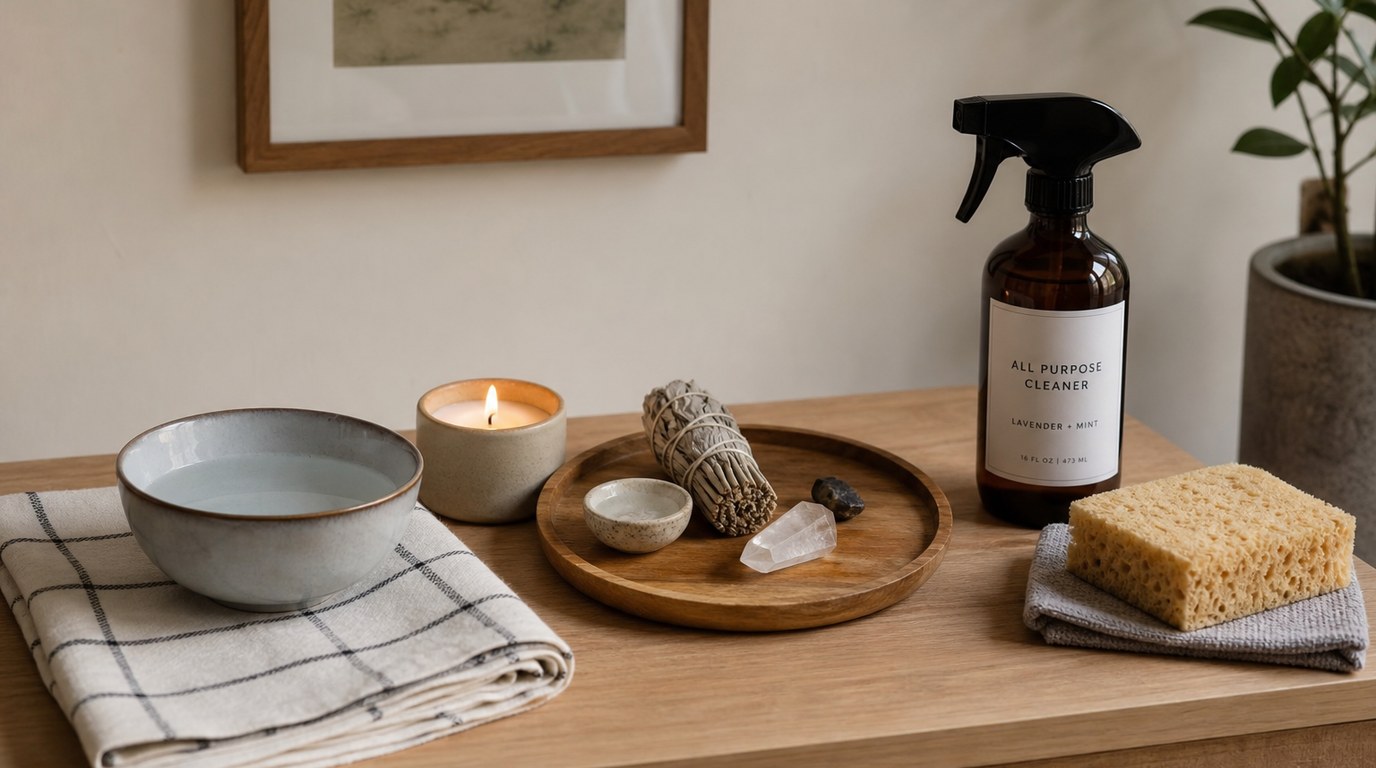
One common mistake is trying to create a powerful ceremony without first cleaning. Spiritual work does not replace basic care.
Another mistake is inviting too broadly. In ancestor work, do not call “all spirits” or “any ancestors” without boundaries. Ask for well, loving, wise, and elevated guidance.
If the space feels heavy afterward, remove old offerings, refresh water, open a window, pray, and close the ceremony again. If you feel anxious, ground yourself by eating, washing your hands, or stepping outside.
If the altar becomes a source of guilt, make it smaller. A sustainable ritual is better than an elaborate one you abandon.
Maintaining the Altered Space After the Ceremony
An altered space stays alive through attention. Refresh water, remove wilted flowers, dust the surface, and speak a short prayer regularly. Weekly care is enough for many homes.
Return to the original purpose when the space drifts. Say: “This place remains dedicated to peace, remembrance, and guidance.” Small repeated acts train the room and your own spirit. Over time, the space becomes not just arranged differently, but lived differently.
FAQ
What Is the First Step Someone Should Take with Altered Space Change Your World Through Ritual Ceremony?
The first step is choosing the space and naming its purpose. Before lighting candles or making offerings, decide what the place is becoming. A clear intention such as “ancestor remembrance,” “peaceful rest,” or “spiritual protection” gives the whole ceremony direction.
What Can Go Wrong When Following Altered Space Change Your World Through Ritual Ceremony Advice?
The main problems are rushing, skipping physical cleaning, using unsafe fire or smoke, and inviting spiritual presence without boundaries. Keep the ceremony simple, safe, and specific. If working with ancestors, invite only loving, wise, well, and benevolent ancestors.
How Long Does It Usually Take to Work Through Altered Space Change Your World Through Ritual Ceremony?
A simple ceremony can take 20 to 45 minutes. Cleaning may take longer if the space is cluttered. Do not measure success by length. A focused, respectful, well-closed ritual is better than a long ceremony that leaves you tired or unsettled.
How Can a Beginner Tell Whether Altered Space Change Your World Through Ritual Ceremony Worked?
Look for practical and spiritual signs together. The space may feel calmer, easier to keep clean, and more aligned with its purpose. You may feel drawn to pray, remember, rest, or create there. If nothing changes, simplify the altar and repeat the ceremony.