
Listening to plants means approaching plants as living presences that can teach, reflect, or respond within a spiritual practice. For some people, this is a symbolic practice: a plant’s growth, scent, season, or condition becomes a source of meaning. For others, it is intuitive: they sit quietly with a plant and notice impressions, emotions, memories, or inner guidance that arise.
This does not require claiming that plants speak in human language or that every feeling is an objective message. A grounded approach honors both fact and interpretation: plants are living organisms with real biological needs, and they may also become spiritual companions, altar allies, ancestral symbols, or teachers through relationship and attention.
What Does Listening to Plants Mean?
Listening to plants is the practice of giving careful attention to a plant and receiving meaning from that relationship. The “listening” may happen through observation, intuition, prayer, dreams, ritual, or quiet presence.
In practical terms, it can mean noticing how a plant responds to light, water, touch, neglect, or seasonal change. Spiritually, it can mean asking what the plant reflects back to you: patience, protection, grief, renewal, rootedness, or rest.
The key is humility. Listening to plants is not about controlling them or forcing a message. It is about slowing down enough to notice what is already present.
Why Plants Are Treated as Spiritual Teachers
Across many cultures and spiritual traditions, plants are treated as more than background decoration. Trees, herbs, flowers, and food plants often carry meanings connected to healing, memory, protection, fertility, mourning, blessing, and ancestral presence.
Part of this comes from lived dependence: plants feed, shelter, scent, clothe, and heal human communities. Their cycles also mirror spiritual lessons. Seeds disappear before growth. Roots deepen before leaves spread. Flowers bloom, fade, and return in season.
Not every tradition understands plants in the same way, and it is important not to flatten those differences. Still, many people find that plants naturally invite reverence because they embody relationship, patience, and transformation.
Is Listening to Plants Literal, Symbolic, or Intuitive?
Listening to plants can be literal, symbolic, intuitive, or a combination, depending on what someone means.
Factually, plants do respond to their environments. They react to light, moisture, soil, damage, temperature, and chemical signals. That is not the same as saying they speak in human sentences.
Spiritually, people may experience a plant as communicating through impressions, dreams, sensations, repeated symbols, or emotional shifts. These experiences can be meaningful without being treated as guaranteed external commands.
A balanced view leaves room for mystery while staying honest: “This is what I sensed,” is different from, “This is an unquestionable fact.”
How Listening to Plants Works in Practice
Plant listening begins with attention. You choose a plant, approach it respectfully, and observe before asking for meaning. This may be a houseplant, garden herb, tree, flower, or plant placed near an ancestor altar.
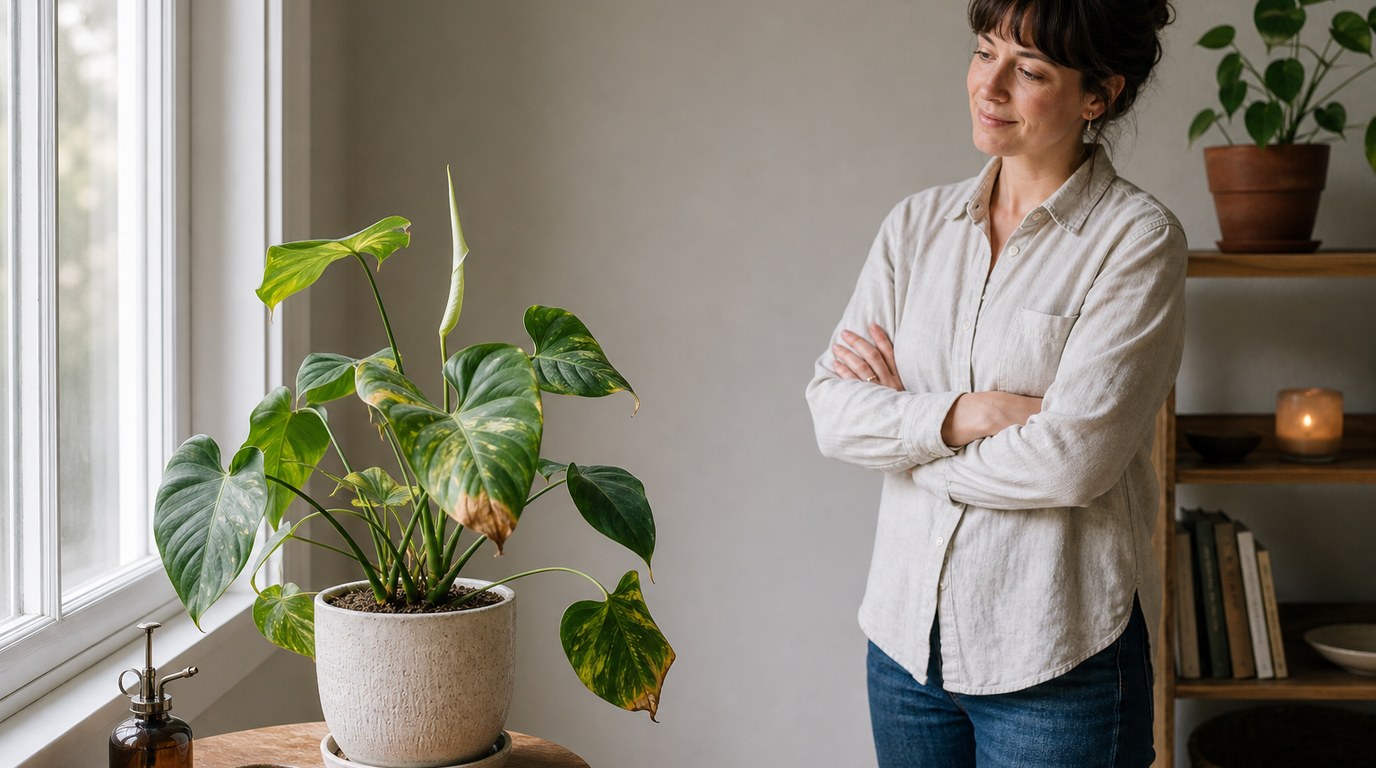
Start with the visible: leaf color, posture, scent, dryness, new growth, insects, soil, and light. These details matter because spiritual interpretation should not replace basic care. A wilting plant may be asking for water before it is “sending a message” about your life.
Then notice your inner response. Do you feel calm, uneasy, comforted, reminded of someone, or drawn to a memory? You might ask a simple question in prayer or silence, then wait without forcing an answer. Often, the practice is less about hearing words and more about recognizing relationship.
Ways People Practice Listening to Plants
People practice listening to plants in many ways. Some methods are devotional, some reflective, and some are simply attentive forms of care. The best approach is one that respects the plant’s needs and your own spiritual boundaries.
| Practice | How it may look |
|---|---|
| Quiet sitting | Rest near a plant and notice thoughts, feelings, and sensations. |
| Prayer or offering | Speak gratitude, offer water, or light a candle nearby safely. |
| Journaling | Record impressions, dreams, plant changes, and repeated symbols. |
| Care as devotion | Water, prune, repot, or clean leaves with mindful intention. |
Examples of Plant Listening in Daily Spiritual Life
A person grieving a grandparent may sit beside a rosemary plant and feel reminded of family meals, protection, and memory. The plant does not have to “announce” anything for the moment to become spiritually meaningful.
Someone caring for an aloe plant may notice its ability to store moisture and reflect on emotional reserves, boundaries, and healing. A vine that keeps reaching toward light may become a reminder to seek nourishment rather than remain in a dim place.
A tree visited regularly during a difficult season may become a witness. Its steadiness can support prayer, grounding, and perspective. These examples are interpretations, not universal rules. Another person may receive completely different meaning from the same plant.
Listening to Plants at an Ancestor Altar
At an ancestor altar, plants can serve as living offerings, symbols of lineage, or reminders of the land and foods that sustained your people. A plant associated with a relative, homeland, family recipe, or burial tradition may carry special resonance.
Listening in this setting might mean observing how the plant responds near the altar, praying with it, or asking what kind of care your ancestral space needs. If a plant repeatedly struggles, consider practical causes first: light, airflow, water, pot size, or temperature.
A living plant on an altar should be tended as a guest, not used as a prop.
Common Misconceptions About Listening to Plants
One misconception is that listening to plants means believing every thought near a plant is a direct message. Inner impressions can be meaningful, but they still need discernment.
Another misconception is that spiritual listening replaces research or plant care. It does not. Learn whether a plant is toxic, invasive, endangered, overharvested, or unsuitable for your home.
A third misconception is that there is one correct meaning for every plant. While traditions may assign specific symbolism, personal, ancestral, and cultural context matters.
Finally, listening is not ownership. A respectful relationship includes consent in the form of careful harvesting, gratitude, and restraint.
A Simple Plant Listening Practice
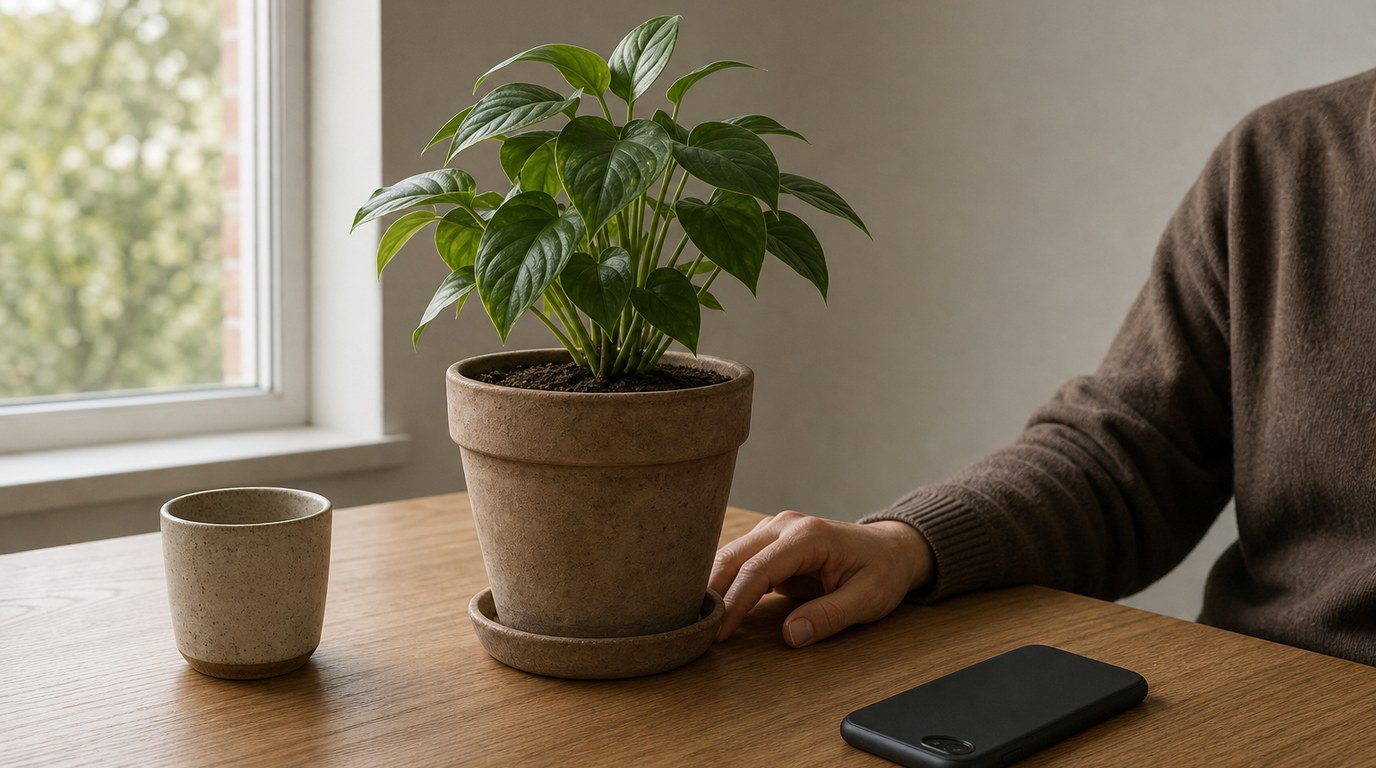
Choose one plant and spend five quiet minutes with it. Silence your phone. Notice its shape, color, scent, soil, and surroundings. If it needs care, offer that first.
Place a hand near the plant or on the pot, if appropriate. Say: “I am here to listen with respect.” Ask one simple question, such as, “What quality are you teaching me today?”
Wait without straining. Write down any sensations, memories, words, or images. End with thanks. Later, compare your impression with the plant’s actual needs and known symbolism.
How to Stay Grounded and Respectful
Stay grounded by separating observation, interpretation, and action. “The soil is dry” is observation. “This plant reminds me to rest” is interpretation. “I will cancel all responsibilities because the plant told me to” needs discernment.
Respect also means learning plant care, avoiding endangered plants, honoring cultural sources, and not taking from land without permission. Let plant listening deepen responsibility rather than bypass it.
FAQ
Can Plants Really Communicate Spiritually?
Many people experience plants as spiritually communicative through symbols, intuition, dreams, or emotional impressions. This is different from proving that plants speak like humans. A grounded approach allows the experience to be meaningful while recognizing that interpretation, culture, and personal intuition shape the message.
Do I Need Special Gifts to Listen to Plants?
No special gift is required. Plant listening begins with patience, attention, and respect. Some people feel intuitive impressions strongly, while others mainly notice practical details or symbolic patterns. Both can be valid. The practice grows through consistency, humility, and genuine care.
What Should I Do If I Feel a Plant Is Giving Me a Message?
Write it down before acting on it. Note what you observed, what you felt, and what you think it means. Then use discernment. If the message encourages care, reflection, or healing, it may be useful. If it creates fear or urgency, pause and seek grounding.
Can I Keep a Plant on My Ancestor Altar?
Yes, if the plant can thrive there and fits your practice. Choose a plant connected to family memory, ancestral land, protection, or nourishment. Make sure it has proper light and water. If it struggles, adjust its care rather than assuming spiritual rejection.
Is Listening to Plants the Same as Herbalism?
No. Herbalism focuses on the uses, properties, and preparations of plants for wellness, often requiring serious study and safety knowledge. Listening to plants is a spiritual or reflective practice. They can overlap, but intuition should not replace research, dosage guidance, or medical care.