
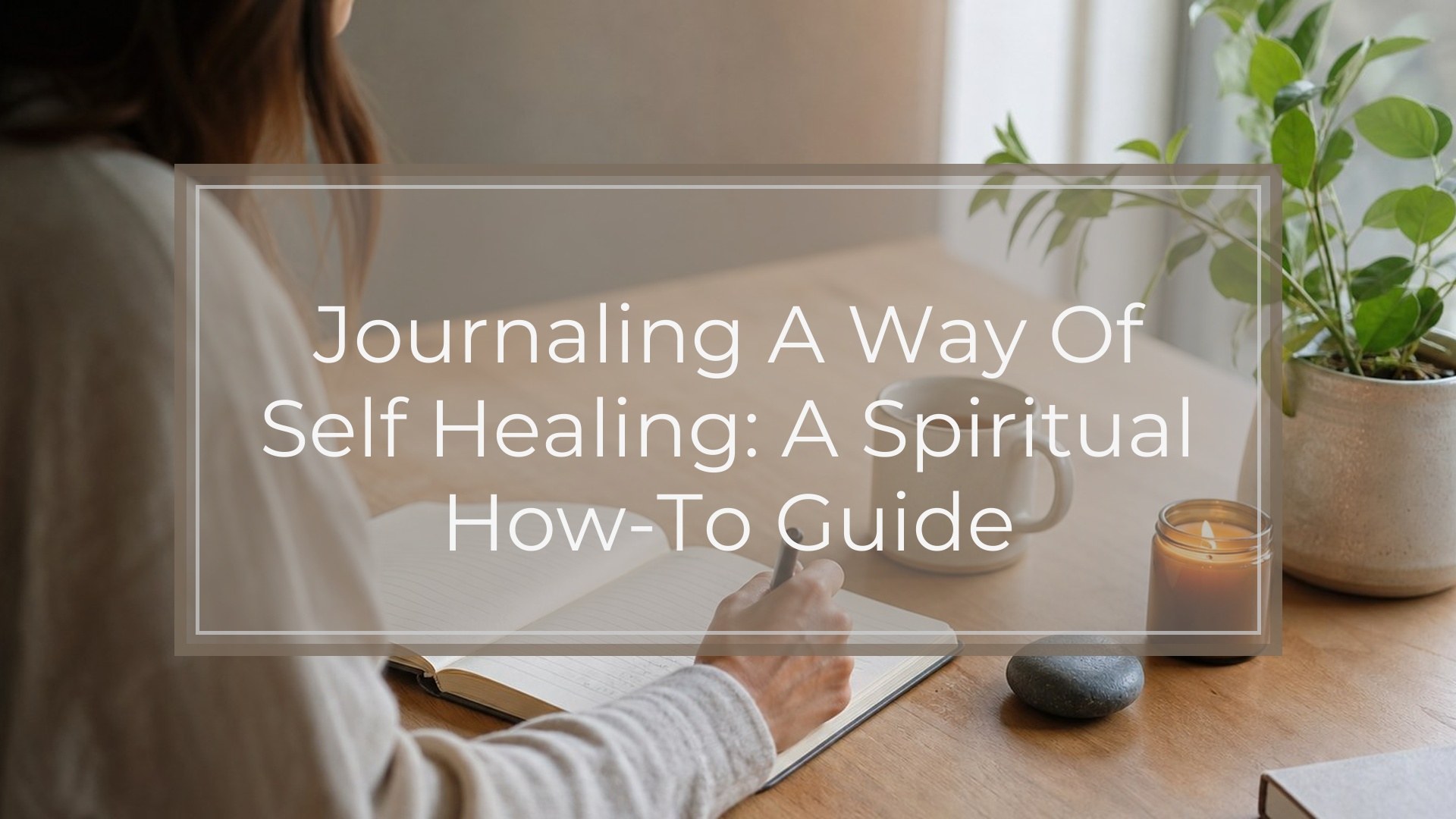
Journaling a way of self healing means using writing as a steady place to witness what you feel, name what has been hidden, and choose what you will carry forward. It is not about perfect sentences or forcing positivity. It is a practical spiritual practice: you sit with yourself, tell the truth gently, and create room for wisdom to rise.
For Ancestor Altars readers, journaling can also become a bridge between inner reflection and ritual. A journal entry may help you prepare for prayer, understand grief, speak clearly at your altar, or notice patterns passed through family lines. The goal is not to “fix” yourself in one session. The goal is to build a safe rhythm of listening, release, and grounded action.
What Makes Journaling a Way of Self Healing?

Self-healing journaling works because it slows the inner noise enough for you to hear yourself. When emotions remain unnamed, they often feel larger and more confusing. Writing gives them shape.
A healing journal is not just a diary of events. It asks: What am I feeling? What does this remind me of? What truth needs compassion? What choice can I make now? Spiritually, it can become a private altar on paper: a place where pain, memory, prayer, and insight are respectfully witnessed.
Before You Begin: Prerequisites for a Safe Practice
You do not need much to begin: a notebook, pen, quiet space, and 10 to 20 minutes. If you prefer digital writing, use a private document and turn off notifications.
Before starting, choose a grounding support: water, a candle, a blanket, calming music, prayer beads, or a simple breath practice. If you work with an ancestor altar, you may sit nearby, but only if it feels comforting.
Use caution with intense trauma memories. Journaling can open strong emotions. If you feel unsafe, dissociated, panicked, or tempted to harm yourself, stop writing and contact a trusted person, therapist, crisis line, or local emergency support. Journaling supports healing; it should not replace urgent care.
Step 1: Prepare Your Space Like a Small Ritual
Begin by creating a container. Clear the surface where you will write. Silence your phone. Light a candle or place a cup of water nearby if that is part of your practice. Take three slow breaths.
You may say: “I enter this writing with honesty, protection, and care.” If you call on ancestors, guides, or the Divine, ask only for support aligned with healing and peace. Keep the setup simple. The purpose is to tell your body: this is a safe time to listen.
Step 2: Set One Healing Intention
Choose one intention before you write. A focused intention keeps the session from becoming overwhelming.
Examples include: “I want to understand my anger,” “I want to grieve without judging myself,” “I want clarity about a relationship,” or “I want to release shame that is not mine to carry.”
Write the intention at the top of the page. Avoid choosing five issues at once. Self-healing deepens through attention, not pressure. If another topic appears, note it in the margin for a future entry.
Step 3: Choose a Journaling Method
Pick one method based on what you need today:
- Free writing: Write continuously for 10 minutes without stopping. Best for emotional release.
- Prompted reflection: Answer one clear question. Best for clarity.
- Letter writing: Write to your younger self, an ancestor, a loved one, your fear, or your future self. You do not have to send it.
- Body check-in: Describe sensations in your body, then connect them to emotions.
- Two-column journaling: On one side, write the painful belief. On the other, write a kinder truth.
- Gratitude with honesty: Name one hard thing and one support that helped you endure.
Do not force a method. Let the day’s need choose the form.
Step 4: Write Without Editing, but Stay Grounded
Once you begin, write plainly. Do not correct grammar, soften the truth, or perform wisdom. Healing pages can be messy.
At the same time, stay connected to the present. If you feel overwhelmed, pause and look around the room. Name five things you see. Feel your feet on the floor. Sip water. You are not required to finish an entry just because you started it.
A good rule is: go close enough to be honest, but not so deep that you lose your sense of safety.
Step 5: Close the Entry with Care
Do not leave the page emotionally wide open. Closing matters.
At the end, write three short lines:
- “What I noticed is…”
- “What I need now is…”
- “One gentle next step is…”
Then place your hand over the page or your heart. Take a breath and say, “This is witnessed. I can return to the present.” If you lit a candle, extinguish it with gratitude. If you wrote near an altar, offer thanks and step away with intention.
Step 6: Review Patterns Weekly, Not Obsessively
Healing comes from noticing patterns, not rereading every painful line. Once a week, review your entries for 10 minutes. Look for repeated emotions, names, fears, dreams, or needs.
Ask: What keeps returning? What am I avoiding? What support do I keep asking for? What boundary is becoming clear?
Do not analyze your journal every day. That can turn healing into rumination. Mark insights with a star or underline one sentence that feels important. Then close the notebook and live with what you learned.
Step 7: Bring the Insight Into Ritual or Daily Action
A journal entry becomes more healing when it changes how you move. After writing, choose one action: apologize, rest, clean your space, drink water, set a boundary, schedule therapy, or pray.
If you keep an ancestor altar, you might place a written intention beneath a candle, speak a lesson aloud, or offer water in gratitude for guidance. Keep private pages private unless you feel called to share. Ritual should support your insight, not expose what still needs protection.
Healing Journal Prompts to Start with
Use one prompt per session:
- What emotion am I carrying that I have not fully named?
- What part of me needs tenderness today?
- What did I learn about love, safety, or silence in my family?
- What belief am I ready to question?
- Where do I feel this emotion in my body?
- What would I say if I trusted I would not be punished for the truth?
- What support am I allowed to receive?
- What do I want my ancestors, future self, or spirit to witness?
Common Mistakes and Troubleshooting

Mistake: Writing only when life is falling apart.
Fix: Journal during calm moments too. This teaches your nervous system that writing is not only for crisis.
Mistake: Forcing yourself to relive painful memories.
Fix: Stay with present feelings and seek professional support for trauma work.
Mistake: Turning every entry into a spiritual message.
Fix: Let some pages be ordinary. Hunger, fatigue, and stress are also real.
Mistake: Rereading too much.
Fix: Review weekly, not hourly.
Mistake: Judging your words.
Fix: Write as if speaking to a trusted elder who does not interrupt.
Mistake: Ending abruptly.
Fix: Always close with one need, one insight, and one grounding action.
How to Know Your Journaling Practice Is Helping
Your practice is helping when you begin to recognize feelings sooner, speak to yourself with less cruelty, and make clearer choices. You may notice better boundaries, more honest prayers, or less emotional buildup.
Healing does not mean you never cry or feel triggered. It means you recover with more care and awareness. If journaling consistently leaves you distressed, sleepless, or unsafe, adjust the method and seek support.
FAQ
How Often Should I Journal for Self-healing?
Start with three times a week for 10 to 15 minutes. Daily journaling can help some people, but it is not required. Consistency matters more than intensity. If you feel emotionally raw, shorten the session and focus on grounding prompts.
Is It Better to Journal in the Morning or at Night?
Morning journaling is helpful for setting intention and clearing mental clutter before the day begins. Night journaling is useful for processing emotions and closing the day. Choose the time when you are least rushed and most able to be honest.
Can Journaling Be Part of Ancestor Altar Practice?
Yes. You can journal before altar prayer to clarify what you want to say, or after ritual to record dreams, feelings, and insights. You may also write letters to ancestors. Keep the practice respectful, grounded, and emotionally safe.
What If Journaling Makes Me Cry?
Crying can be a natural release. Pause, breathe, drink water, and place a hand on your chest or belly. If the tears feel relieving, continue gently. If you feel flooded, stop writing, ground yourself, and reach out for support.
Do I Need Special Spiritual Tools to Begin?
No. A pen and paper are enough. Candles, water, incense, crystals, prayer beads, or altar items can support the practice, but they are not required. The most important tools are honesty, privacy, and a willingness to close the session with care.
Can Journaling Replace Therapy?
No. Journaling can support self-awareness, emotional release, and spiritual reflection, but it is not a replacement for therapy or medical care. If you are dealing with trauma, depression, self-harm thoughts, abuse, or overwhelming anxiety, seek help from a qualified professional.