
Quick Answer
Elementals are spiritual beings, presences, or symbolic intelligences associated with the natural elements: earth, air, fire, and water. In some traditions, they are understood as nature spirits with their own awareness. In other practices, they are treated as sacred symbols that help a person relate more consciously to the living world.
To work with elementals as allies means to build a respectful relationship with elemental forces rather than trying to command them. This may include prayer, offerings, meditation, altar work, seasonal rituals, or simple acts of care for land, water, hearth, and air.
The main takeaway is this: elementals as allies are best approached through reciprocity, humility, and observation. Whether you see them as literal spirits, symbolic guides, or a blend of both, the practice asks you to notice how earth, air, fire, and water support life and how you can respond with reverence.
This is not something that guarantees visions, signs, or power. A more grounded approach is to ask: What element is present? What does it teach? What offering or action would show respect? For people who keep ancestor altars, elemental awareness can deepen the altar by honoring the natural forces that sustain the living and the dead.
How to Think About This Topic
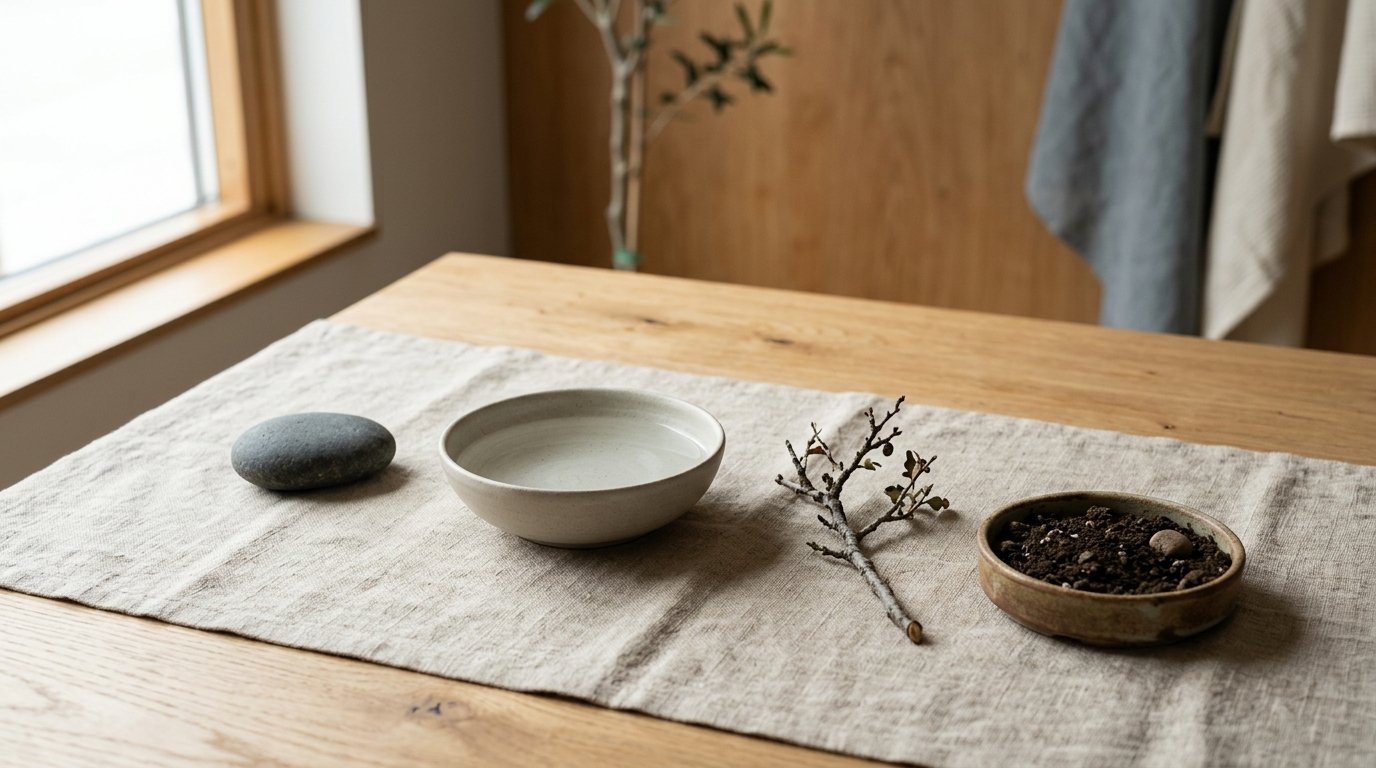
A practical way to understand elementals as allies is to begin with relationship, not control. In many spiritual systems, the four elements are more than physical substances. Earth can represent body, roots, land, bones, patience, and stability. Air may represent breath, thought, prayer, song, memory, and messages. Fire can represent transformation, warmth, courage, cooking, sunlight, and ancestral flame. Water may represent emotion, cleansing, dreams, bloodlines, grief, and blessing.
These associations are interpretations, not universal facts. Different traditions name and understand elemental beings in different ways. Some speak of gnomes, sylphs, salamanders, and undines. Others speak more generally of land spirits, river spirits, wind spirits, hearth spirits, or powers of place. Some practitioners do not use the word “elemental” at all but still honor the same living forces through ritual attention.
Thinking of elementals as allies can be especially useful when you want your spiritual practice to feel more embodied. Instead of keeping spirituality only in thought or belief, elemental practice brings attention to the world you touch: the soil under your feet, the breath in your lungs, the candle on your altar, the water you pour for the ancestors.
There are a few common misconceptions to avoid. First, elementals are not usually approached as servants. Even in traditions that use formal ritual language, a respectful practitioner treats spiritual forces with care. Second, elemental work is not automatically safe, simple, or dramatic. Fire still burns, water still floods, air still carries illness or blessing, and earth still holds both nourishment and decay. The symbolic meaning does not erase physical reality.
Third, not every feeling, coincidence, or flicker of a candle needs to be interpreted as a message. Some experiences may feel spiritually meaningful; others may simply be natural events. A balanced practice leaves room for both. You can notice patterns without forcing conclusions.
For ancestor altar keepers, elementals can be understood as part of the altar’s living environment. A bowl of water, a candle flame, incense smoke, a stone, a plant, or a pinch of clean soil may each represent a doorway into elemental reverence. The focus is not on collecting objects, but on understanding what they mean and how they help you pray, remember, and stay connected.
Practical Guidance
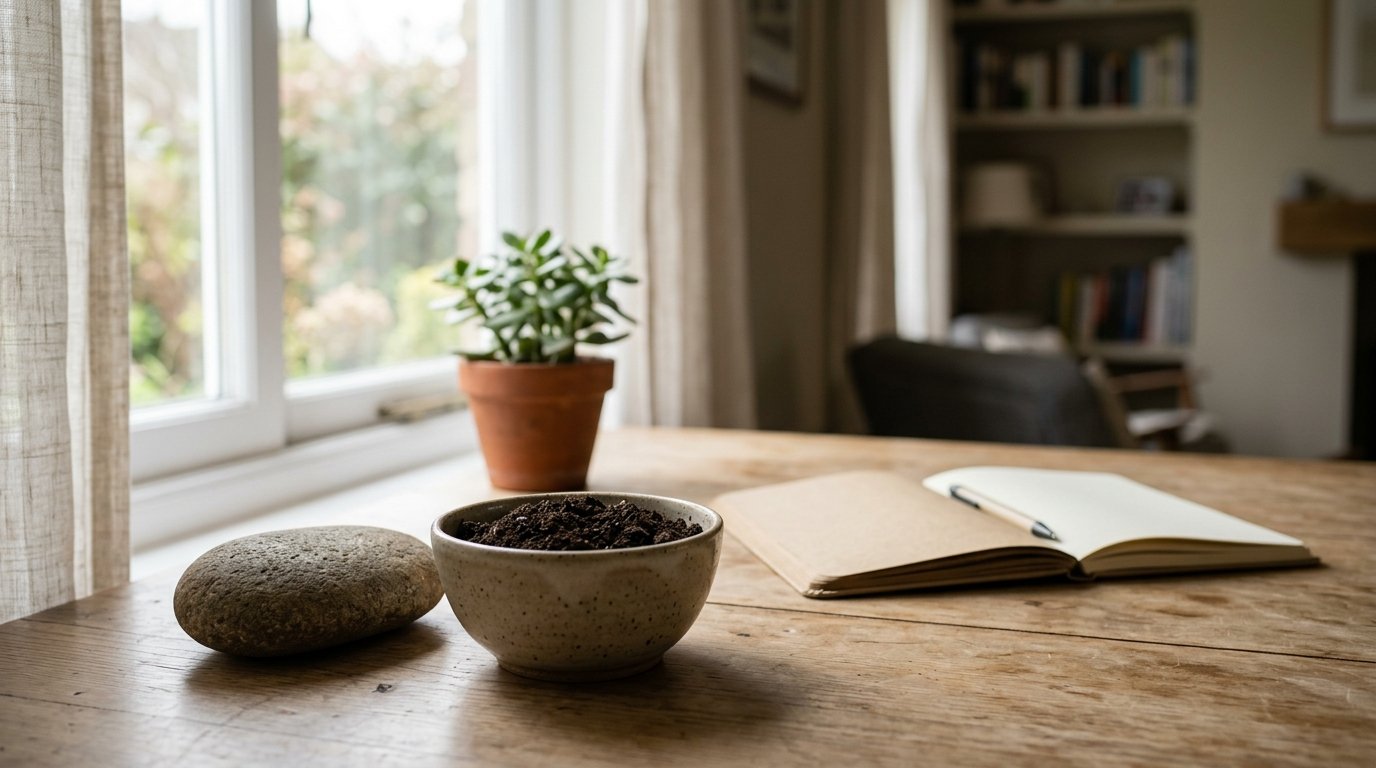
If you want to approach elementals as allies, start simply. Choose one element and observe how it already appears in your life and spiritual practice. This keeps the work grounded and prevents it from becoming abstract or performative.
For earth, you might place a clean stone, a bowl of soil from a meaningful place, a plant, seeds, or ancestral food on or near your altar. Earth practice can include tending graves, cleaning your home, gardening, cooking traditional foods, or sitting quietly with your hands on the ground. As an ally, earth may teach patience, steadiness, boundaries, and respect for the body.
For air, you might work with breath, song, spoken prayers, bells, feathers that were ethically found, or incense where appropriate and safe. Air practice can include ventilating the room before ritual, speaking the names of ancestors, writing petitions, or listening for silence. Air as an ally may be connected with communication, memory, and clarity.
For fire, a candle is the most common altar expression, though it must be used safely and never left unattended. Fire practice can include lighting a candle for the dead, cooking at the hearth, honoring the sun, or praying for courage during change. Fire as an ally may symbolize transformation, protection, illumination, and the warmth of lineage.
For water, you might keep a fresh glass or bowl of water for the ancestors, wash your hands before ritual, pour libations where culturally appropriate, or visit a river, spring, ocean, or rain with gratitude. Water as an ally may support cleansing, emotional release, dreams, healing, and remembrance.
A simple elemental ancestor altar might include a stone for earth, incense or spoken prayer for air, a candle for fire, and a glass of water for water. You do not need all four every time. In some cases, one element may be enough. If your family tradition emphasizes water offerings, begin there. If fire is central to your prayers, keep the flame practice careful and consistent.
When making offerings, choose what is respectful, safe, and appropriate to the place. Clean water, song, breath, flowers, biodegradable offerings, acts of service, and land care are often more meaningful than elaborate items. Avoid leaving salt, alcohol, wax, plastic, or food outdoors unless you know it is safe for the local environment and permitted in that place.
It can also help to ask three questions before inviting elemental presence into ritual:
- What element am I honoring, and why?
- Is this offering safe for my home, body, community, and environment?
- Am I asking for relationship, or am I trying to force a result?
Signs of an ally relationship are usually subtle. Some practitioners notice repeated dreams, a stronger sense of peace near a certain element, meaningful timing, or a growing responsibility to care for land, water, flame, or breath. These experiences may be spiritually significant, but they should be held with discernment. A true ally relationship should make your practice more respectful, not more fearful, inflated, or careless.
FAQ
Are Elementals Real Spirits or Just Symbols?
Different practitioners answer this differently. Some understand elementals as real spiritual beings connected to nature. Others see them as symbols that help focus prayer and awareness. Many people hold both views at once. It is best to speak from your own experience and tradition without making universal claims.
Can I Invite Elementals to My Ancestor Altar?
Yes, you may include elemental awareness at an ancestor altar if it fits your practice. A candle, water glass, incense, stone, plant, or spoken prayer can honor elemental forces. Keep the focus respectful: the altar remains a place of remembrance, relationship, and care, not display.
What Offerings Are Appropriate for Elemental Allies?
Appropriate offerings are usually simple and safe: clean water, breath, song, prayer, flowers, careful candlelight, land tending, or acts of environmental care. Match the offering to the element and setting. Avoid anything that could harm animals, soil, waterways, your home, or your community.
Do I Need Special Tools to Work with Elementals?
No. Special tools are not required. Your breath, attention, clean hands, a cup of water, a candle, a stone, or a prayer can be enough. Tools can support ritual focus, but the heart of the practice is respectful relationship, consistency, and discernment.
How Do I Know If an Elemental Is Becoming an Ally?
You may notice a deepening sense of connection, repeated meaningful symbols, dreams, calm, guidance, or increased responsibility toward an element. These signs are personal and should not be treated as proof for everyone. A healthy ally relationship encourages respect, balance, humility, and care.