
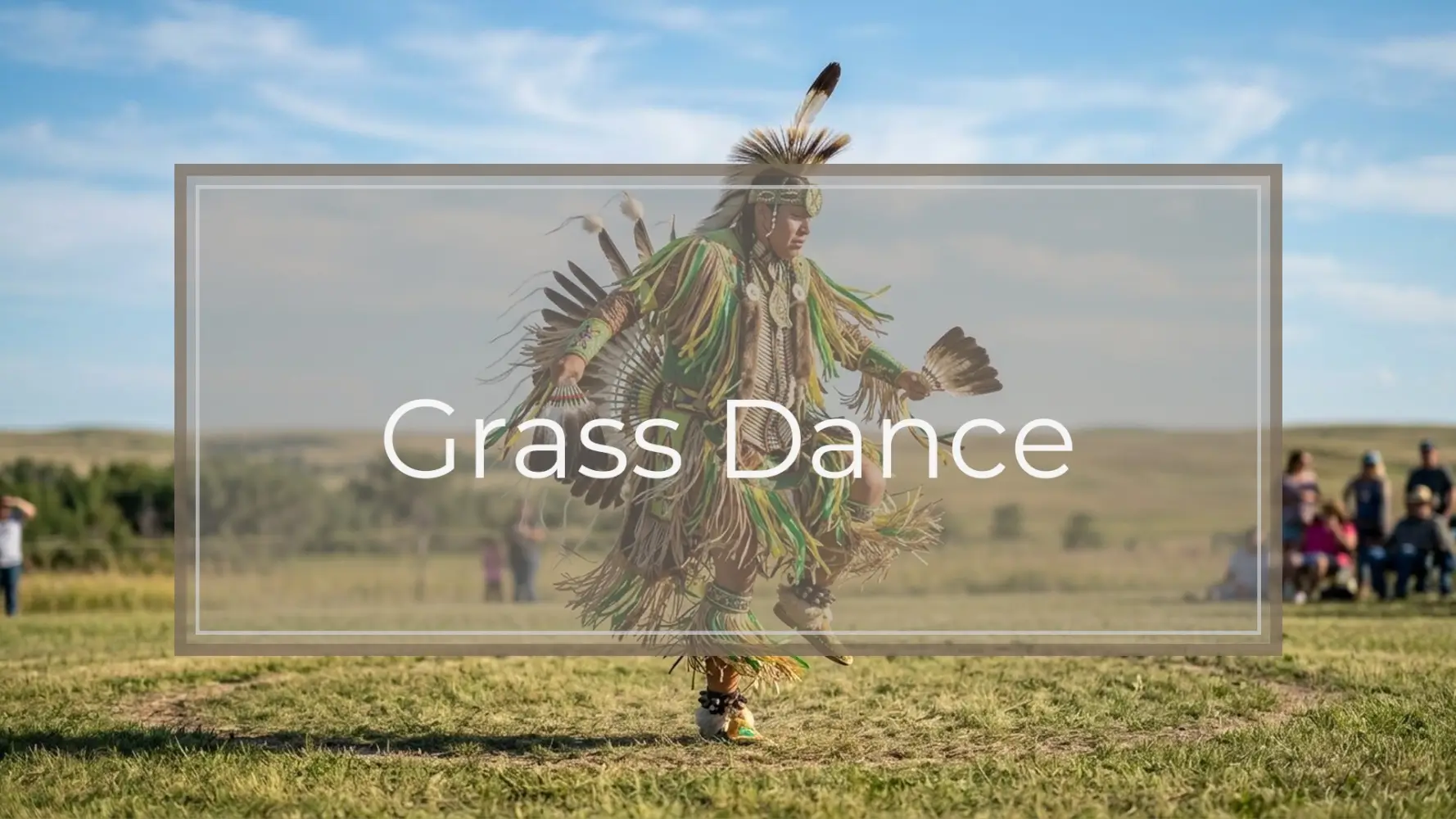
The grass dance is a Native American powwow dance style known for its flowing regalia, rhythmic footwork, and deep cultural meaning. It is often associated with Plains nations and is commonly understood in connection with preparing or blessing ground, honoring tradition, and expressing balance, movement, and community.
Like many Indigenous cultural practices, the grass dance should not be treated as one single universal ceremony with one fixed meaning. Its history, teachings, and protocols can vary by nation, family, community, and individual dancer. A respectful explanation can describe common features and widely shared interpretations, but it should leave room for the knowledge held by Native people themselves.
What Is the Grass Dance?
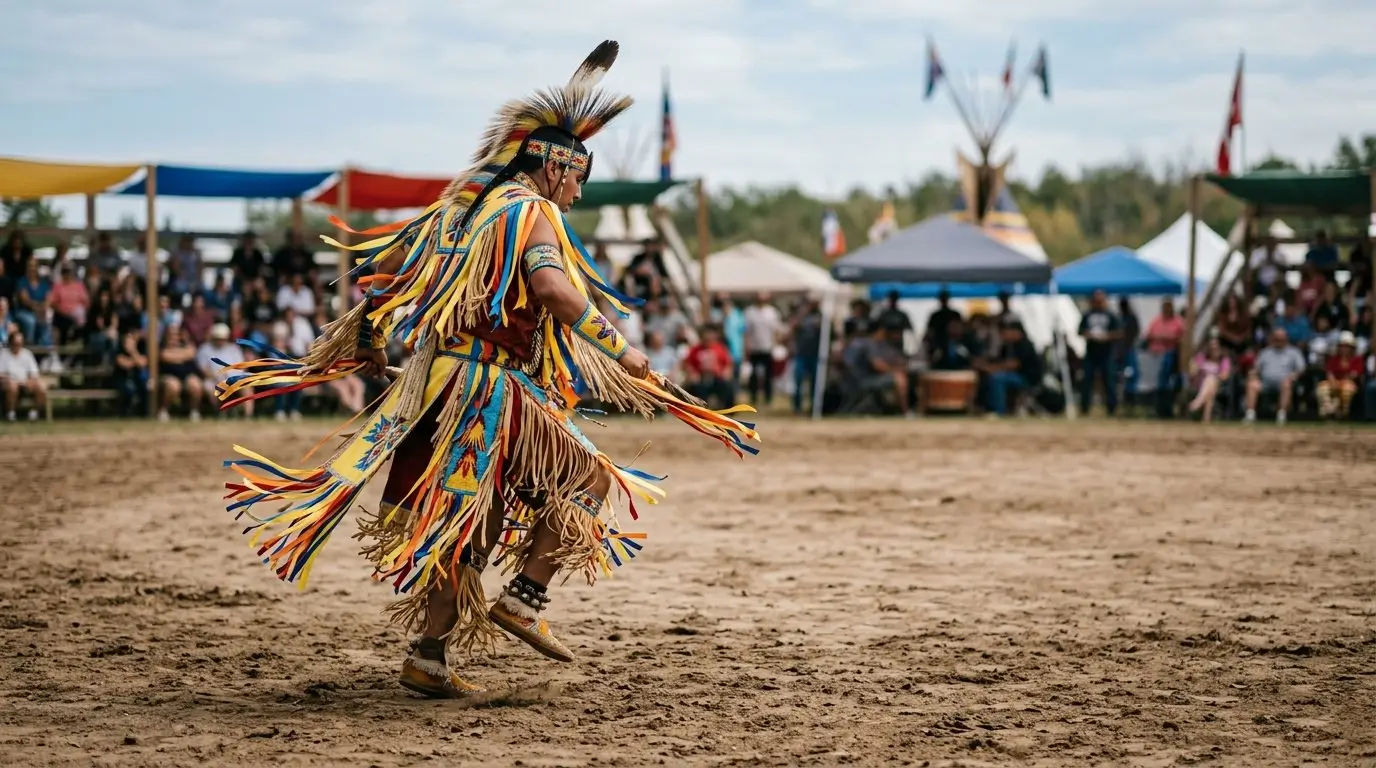
The grass dance is a Native American powwow dance style, especially associated with Plains cultural contexts. At many powwows, it is recognized by its flowing movement, grounded steps, and regalia with long fringe, yarn, or ribbon that moves with the dancer’s body.
Observers often notice the way grass dancers seem to sway and flow with the rhythm of the drum. Their movements may appear smooth, balanced, and responsive, with footwork that stays connected to the ground. The visual effect of the regalia can resemble grass moving in the wind, though the meaning of that imagery is not the same in every community.
The grass dance is commonly seen at powwows, cultural gatherings, and educational events where such dances are shared publicly. However, public visibility does not mean that every part of the tradition is open for copying, casual interpretation, or performance outside its cultural context.
A good starting point is this: the grass dance is a living Indigenous dance tradition carried by dancers, families, singers, elders, and communities. It is not simply a stage performance or a generic “tribal dance.”
Quick Guide: Grass Dance at a Glance
| Element | What It Means | Respectful Note |
|---|---|---|
| Dance style | A Native American powwow dance style often linked with Plains traditions | Do not describe it as a generic Indigenous dance |
| Regalia | Clothing and adornment worn with cultural, personal, or family meaning | Use “regalia,” not “costume” |
| Movement | Flowing, grounded, rhythmic movement led by the drum | Observe respectfully; do not copy without guidance |
| Music | Drum groups and singers provide the rhythm and songs | The drum is central, not background music |
| Setting | Often seen at powwows and cultural gatherings | Follow event protocols and listen to the emcee |
| Meaning | May relate to balance, preparation, ground, community, or personal responsibility | Meanings vary by community and dancer |
This quick view helps prevent a common misunderstanding: the grass dance is not just a visual performance. Its meaning comes from cultural context, relationships, protocol, and lived tradition.
Origins and Cultural Context
The grass dance is commonly linked with Plains peoples and the broader powwow tradition. In many accounts, it is associated with preparing a place for gathering, sometimes described as flattening tall grass before a ceremony or communal event. In other explanations, the dance may be connected with blessing the ground, honoring the land, or establishing balance before people come together.
These accounts should be shared carefully. There is no single origin story that applies to every Native nation or every dancer. Different communities may tell the history in different ways, and some teachings may be held within families, societies, or cultural circles rather than shared publicly.
It is also important to understand powwows as living community events. They are not museum reenactments of a frozen past. Powwows can include ceremony, competition, social gathering, intertribal exchange, honoring, memorial, celebration, and education, depending on the event and community.
The grass dance exists within that living context. Dancers may learn through family, community participation, mentorship, and observation over time. Elders, singers, arena directors, emcees, and experienced dancers all help maintain the protocols that shape how the dance is carried forward.
Because Native communities have faced suppression of language, ceremony, and cultural expression, powwow dancing can also represent continuity and resilience. Still, it is best not to reduce the grass dance to a single political, spiritual, or historical meaning. It is a tradition with many layers.
Regalia, Movement, and Music
When discussing the grass dance, the word regalia matters. Regalia is not the same as a costume. A costume is usually worn to pretend to be something. Regalia is worn within a cultural setting and may reflect identity, family ties, community teachings, personal history, artistic skill, and responsibility.
Grass dance regalia often includes long fringe, yarn, ribbon, beadwork, bells, roaches, and bright or carefully chosen colors. These details vary widely. A design may carry personal meaning, honor relatives, reflect tribal identity, or simply express a dancer’s style within accepted traditions. Outsiders should avoid assuming they can “read” all meaning from appearance alone.
The movement of the grass dance is often described as flowing and balanced. The dancer may use movements that mirror from one side of the body to the other, creating a sense of symmetry. Steps are often close to the ground, with turns, spins, and changes that respond to the drum. The movement of the fringe or yarn adds to the visual rhythm, making the dancer’s motion appear continuous and wind-like.
The drum and singers are central to powwow dance. Dancers do not move independently of the music; they respond to the beat, song structure, and energy of the drum group. For many Native communities, the drum carries deep significance. It should not be treated as simple accompaniment.
This description is observational, not instructional. Reading about the grass dance is not the same as being taught how to dance it within a community. The dance belongs to living cultural practice, not to casual imitation.
Meanings Often Associated With the Grass Dance
The grass dance is often associated with balance, preparation, respect for the ground, healing in a cultural sense, and community presence. These meanings may appear in educational descriptions, powwow explanations, and teachings shared by dancers or cultural educators.
In some accounts, the movement of the dancer is connected to the act of preparing the ground for others. This may be described literally, as flattening grass before a gathering, or symbolically, as helping make a place ready for community. In other descriptions, the dance may be understood as honoring the earth, moving in harmony, or bringing balance through the dancer’s motion.
Some people also speak of healing in relation to the grass dance. This should be understood culturally and spiritually, not as a guaranteed medical claim. A dancer may dance for personal strength, for a relative, in memory of someone, or as part of a responsibility they carry.
For individual dancers, meaning can be deeply personal. One person may dance to honor family. Another may dance because they were taught by elders. Another may dance in celebration, competition, prayer, or remembrance. A public observer can appreciate the beauty and seriousness of the dance, but should not assume they have access to its full meaning simply by watching.
The most respectful approach is to say that the grass dance may hold many related meanings, while recognizing that the deepest explanations come from the communities and dancers who carry it.
Common Misconceptions and Respectful Etiquette
One common misconception is that the grass dance is a generic Indigenous dance. It is not. “Indigenous” and “Native American” are broad terms that include many nations, languages, histories, and ceremonial systems. The grass dance has specific powwow and Plains-associated contexts, even though powwows today can include dancers from many nations.
Another misconception is that because the dance may be public, it is only entertainment. Powwows can be joyful, social, and visually powerful, but they also carry protocol, respect, and cultural meaning. A visitor may be welcomed to watch, but that does not make every song, dance, item of regalia, or arena moment open for personal use.
A third misconception is that anyone can copy the dance after watching videos. Learning within a cultural setting is different from imitation. Copying movements, making imitation regalia for fashion, or wearing “Native-inspired” outfits to parties is disrespectful and can contribute to cultural appropriation.
If you attend a public powwow where visitors are welcome, follow practical etiquette:
- Listen to the emcee for instructions.
- Ask before taking photos or recording video.
- Do not touch anyone’s regalia.
- Do not enter the dance arena unless invited.
- Stand, remove hats, or remain quiet when asked.
- Avoid blocking dancers, drum groups, or families.
- Support Native vendors and artists when possible.
- Teach children to observe respectfully.
Protocols vary. Some powwows allow photography during most dances; others restrict it during particular songs or moments. Some dances may be intertribal and open to visitors; others may not be. The emcee, posted rules, and community hosts are your best guides.
Respect also applies online. Sharing photos without permission, using dancers’ images for decoration, or presenting yourself as an authority after limited exposure is not appropriate. If you want to discuss the grass dance, rely on Native-led sources and speak with humility.
How to Learn More Without Appropriating
A respectful path begins with listening. Attend public powwows, cultural center events, museum programs led by Native educators, or community presentations where visitors are clearly welcomed. Pay attention not only to the dance, but also to the protocols around it.
Look for Native-authored books, videos, interviews, and educational resources. When dancers, elders, or cultural educators explain what they are comfortable sharing, receive that knowledge without assuming it gives permission to perform, teach, or reproduce the practice.
Appreciation means observing respectfully, supporting Native communities, and honoring boundaries. Appropriation means copying regalia, claiming identity, teaching without authorization, or removing the dance from its cultural context.
FAQ
Is the grass dance a ceremonial dance or a powwow dance?
The grass dance is commonly known as a powwow dance style, especially associated with Plains traditions. It may carry ceremonial, cultural, family, or personal meaning depending on the community and dancer. It is best not to separate it completely from culture or label it with one universal category.
Why is it called the grass dance?
In some accounts, the name is connected to dancers preparing or flattening grass before gatherings. Others describe symbolic links to grass, ground, movement, or blessing a place. Explanations vary, so no single origin should be treated as definitive for all Native communities.
Can anyone learn the grass dance?
Learning the grass dance should happen through appropriate cultural guidance, not casual copying. Native dancers often learn through family, community, powwow participation, and mentorship. Non-Native observers can learn about the dance respectfully, but should not imitate or teach it without permission and proper context.
What should visitors know before watching a grass dance at a powwow?
Visitors should listen to the emcee, follow posted rules, ask before photographing, avoid touching regalia, and stay out of the dance arena unless invited. Public powwows may welcome guests, but protocols vary. When unsure, watch respectfully and ask event organizers for guidance.