
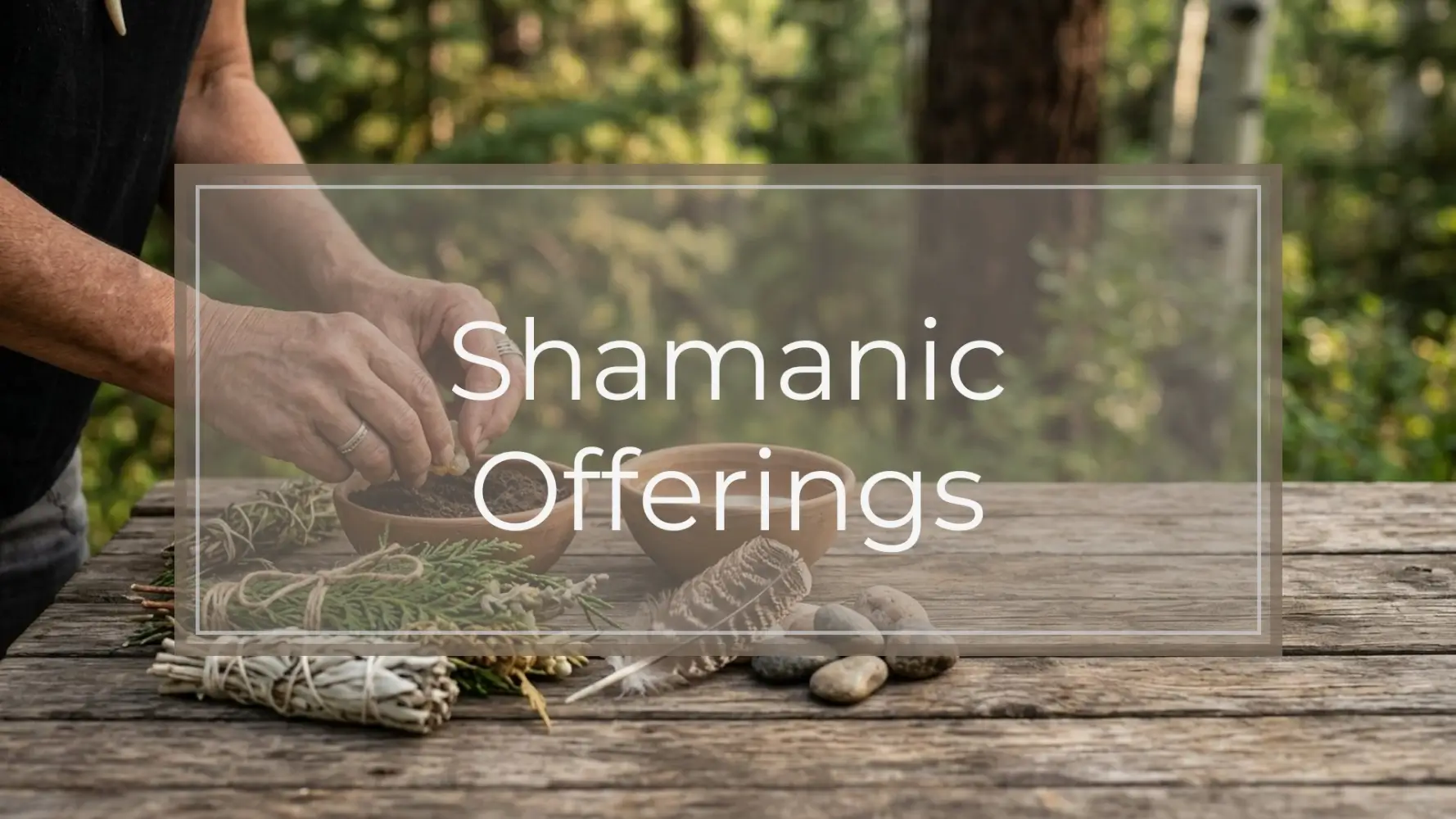
Shamanic offerings are intentional gifts given to spirits, ancestors, helping allies, the land, or sacred forces as an act of respect, gratitude, reciprocity, or request. Common offerings include water, food, herbs, smoke, song, prayer, flowers, candlelight, handmade items, and acts of service.
The most important part is not the price or rarity of the offering, but the sincerity, clarity, cultural respect, and follow-through behind it. In many traditions, offerings are not treated as payment for guaranteed results. They are part of an ongoing relationship with the seen and unseen world.
This guide explains what shamanic offerings are, why they matter, common types of offerings, and how to make a simple offering respectfully at an ancestor altar, outdoors, or in personal spiritual practice.
What Are Shamanic Offerings?
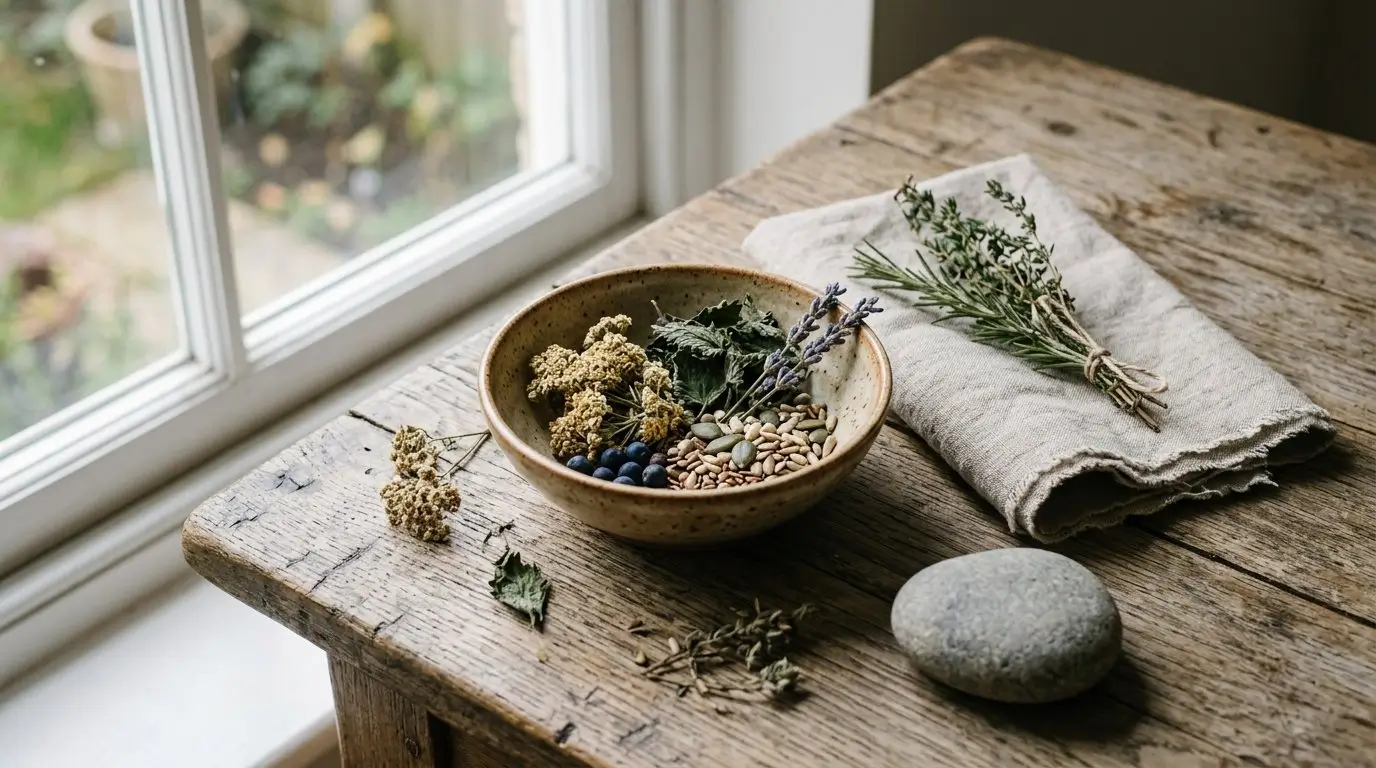
Shamanic offerings are gifts made with spiritual intention. They may be given to ancestors, land spirits, helping spirits, deities, animal allies, plant spirits, or other sacred presences depending on the tradition and the practitioner’s relationships.
In many shamanic and animist worldviews, the world is alive with relationship. The land, waters, plants, animals, ancestors, and unseen helpers are not treated as objects but as beings or presences worthy of respect. Offerings are one way to acknowledge that relationship.
Practices vary widely. There is no single universal system of “shamanic offerings” that applies to every culture, lineage, teacher, or ceremony. Some communities have very specific rules about what is offered, when, by whom, and how. Others use simpler devotional acts such as pouring water, lighting a candle, singing, or placing food at an altar.
Offerings may be made:
- Before a ritual, journey, prayer, or ceremony
- After receiving guidance, healing, or support
- At an ancestor altar as part of regular remembrance
- Outdoors in gratitude to the land
- During seasonal changes, grief work, or personal transitions
- As a daily or weekly devotional practice
A simple glass of water offered with sincerity can be more meaningful than an elaborate gift given carelessly.
Why Offerings Matter: Reciprocity, Respect, and Relationship
The heart of shamanic offerings is reciprocity. Reciprocity means giving back, not just asking, taking, or receiving. If a person prays for guidance, gathers plants, works with ancestral memory, or asks the land for support, an offering helps restore balance and respect.
This is different from bargaining. An offering is not a spiritual vending machine: “I give this, so I must receive that.” Nor is it a way to control spirits or force an outcome. Instead, offerings are a way to say:
- Thank you
- I remember you
- I come with respect
- I ask permission
- I apologize
- I honor this relationship
- I will follow through with right action
In ancestor altar practice, offerings create a rhythm of remembrance. Placing fresh water on an altar each morning, lighting a candle on a loved one’s birthday, or preparing a family recipe can become a regular act of care. These gestures help keep ancestral connection grounded in daily life rather than reserved only for crisis or ceremony.
Offerings may also be made after meaningful experiences. For example, someone might pour water at the base of a tree after a prayer, offer a song after a dream that felt significant, or give thanks with flowers after completing a period of mourning.
The deeper purpose is relationship. Offerings remind us that spiritual practice is not only about receiving insight or help. It is also about humility, responsibility, gratitude, and care.
Common Types of Shamanic Offerings and When to Use Them
Different traditions use different offerings, and some offerings carry specific cultural meaning. The table below gives general examples, not universal rules. When working within a particular lineage or cultural practice, follow the guidance of qualified teachers, elders, or tradition-bearers.
| Offering | Common Meaning | Practical Use | Notes of Respect |
|---|---|---|---|
| Water | Life, cleansing, gratitude, remembrance | Place on an altar, pour on the earth, offer before prayer | Use clean water; refresh altar water regularly |
| Food | Nourishment, hospitality, ancestral care | Offer fruit, bread, grains, or a loved one’s favorite food | Remove before spoiling; avoid leaving harmful food outdoors |
| Tobacco or herbs | Prayer, respect, communication | Used in some traditions as a sacred offering | Tobacco has specific Indigenous cultural significance; approach with humility and avoid imitation |
| Smoke or incense | Purification, prayer rising, sacred atmosphere | Burn herbs, incense, or resin safely before or during ritual | Check ventilation, allergies, pets, fire rules, and cultural context |
| Flowers | Beauty, honor, impermanence, blessing | Place on an altar, grave, shrine, or natural place | Choose non-toxic, pesticide-free, and biodegradable options when possible |
| Stones | Stability, memory, grounding | Place on an altar or carry during prayer | Do not take stones from protected or sacred sites |
| Song or drumming | Devotion, calling, gratitude, connection | Sing, hum, drum, or rattle as an offering | Be mindful of neighbors, shared spaces, and traditions that restrict certain songs |
| Candlelight | Presence, remembrance, prayer, warmth | Light a candle at an ancestor altar or during meditation | Never leave flames unattended; use LED candles if needed |
| Handmade objects | Time, care, personal devotion | Create art, beads, cloth, writing, or crafted items | Avoid leaving non-biodegradable items in nature |
| Service to the land | Reciprocity, repair, gratitude in action | Pick up litter, plant native species, tend soil, protect water | Often one of the most practical and respectful offerings |
When offering outdoors, biodegradable gifts are usually safest. Clean water, songs, prayers, and acts of care are less likely to harm the environment than leaving objects behind. Avoid plastic, glitter, synthetic cloth, coins, or anything that animals might eat.
Fire also requires care. Candles, smoke, incense, and burned offerings should only be used where legal and safe. In dry areas, during fire bans, or in shared housing, a spoken prayer, bowl of water, or electric candle may be the better choice.
How to Make a Simple Shamanic Offering
A shamanic offering does not need to be complicated. A clear, respectful process is often enough. You can adapt the following steps for an ancestor altar, outdoor place, or personal ritual space.
1. Choose your intention
Begin by asking why you are making the offering. Are you giving thanks? Asking permission? Honoring an ancestor? Apologizing? Marking a transition? Seeking guidance?
Keep the intention simple and honest. You do not need dramatic language.
2. Choose the recipient
Name who or what the offering is for. This might be your well ancestors, the spirit of a place, a helping spirit, the land where you live, or the sacred forces you honor.
If you are unsure, you might say, “To the compassionate and well ancestors who support healing,” or “To the spirits of this land, with respect.”
3. Choose the offering
Select something appropriate, safe, and sincere. Water, flowers, candlelight, prayer, song, or an act of service are good beginner options. If you are part of a specific tradition, follow its guidance.
4. Prepare the space
You might clean your altar, stand quietly outside, wash your hands, light a candle, or take a few breaths. The point is to become present.
5. Speak clearly
You can speak aloud, whisper, sing, or pray silently. State your intention without demanding a result.
For example:
“To my loving and well ancestors, I offer this water with gratitude. May it be received in respect. Thank you for the life that came before me. May I remember with humility, heal what I can, and walk forward with care.”
For a land offering:
“To the spirit of this place and the living land around me, I offer this clean water with respect. Thank you for holding life here. May my actions be in better relationship with this place.”
6. Give the offering
Place the water on the altar, pour it at the base of a tree, set flowers in a vase, sing the song, light the candle, or complete the act of service.
7. Close with thanks
End simply. You might say, “Thank you. May this be received in a good way.” Then pause and listen. You do not need to force a sign or interpretation. Over time, consistency matters more than performance.
Choosing Offerings for Ancestors, Spirits, and the Land
The best offering depends on the relationship, setting, and tradition. What is suitable for an ancestor altar may not be suitable for a forest, and what is used in one culture may be inappropriate in another.
Offerings for ancestors
Ancestor offerings often focus on remembrance, nourishment, and family connection. Common choices include:
- Fresh water
- Candles
- Flowers
- Photos or heirlooms
- Favorite foods or drinks
- Family recipes
- Prayers, songs, or letters
- Acts of repair, forgiveness, or family healing
At an ancestor altar, offerings are usually tended over time. Water can be refreshed daily or weekly. Food should be removed before it spoils. Candles should be used safely and never left unattended.
Offerings for land or nature spirits
For the land, simple and non-harmful offerings are best. Clean water, song, quiet gratitude, and ecological care are strong choices. Removing litter, tending a garden, planting appropriate native species, or protecting a waterway can be more meaningful than leaving objects behind.
Avoid introducing invasive plants, dumping food, pouring alcohol, or leaving items that animals may eat.
Offerings for helping spirits or guides
Offerings for helping spirits often grow from relationship. Some practitioners offer smoke, song, drumming, art, candlelight, or dedicated service. Others follow specific instructions from their teacher or tradition.
It is wise to move slowly. Ask inwardly for permission, pay attention to dreams or intuition without becoming obsessive, and seek grounded guidance when needed. Avoid taking sacred items, songs, ceremonies, or symbols from closed traditions without permission and proper context.
Offering Etiquette, Safety, and Common Mistakes
Respectful offering practice includes practical responsibility. A beautiful intention does not excuse environmental harm, cultural disrespect, or unsafe behavior.
Common mistakes include leaving non-biodegradable objects in nature, making demands of spirits, copying ceremonies without permission, or using fire carelessly.
Keep these guidelines in mind:
- Do not leave plastic, coins, synthetic fabric, glitter, bottles, or wrappers outdoors.
- Avoid leaving cooked food in natural places where it may harm animals.
- Do not pour alcohol, salt, oils, or other substances onto soil or water unless you are certain it is appropriate and safe.
- Use candles, incense, smoke, and fire only where legal and safe.
- Keep smoke away from children, pets, and people with respiratory sensitivities.
- Do not treat offerings as a guarantee of money, love, protection, healing, or spirit contact.
- Do not make offerings as threats, bribes, or attempts to force an outcome.
- Learn from reputable teachers, elders, or tradition-bearers when working within a specific cultural path.
Altar offerings also need care. Replace water before it becomes stagnant. Compost flowers when possible. Dispose of spoiled food respectfully. Some people say a brief thank-you before removing an offering: “Thank you. May this offering be complete.”
If you are unsure what to do, choose the least harmful option. A prayer, song, clean water, or act of service is often safer than an elaborate material offering.
FAQ
What is the best shamanic offering for beginners?
Clean water is often the best beginner offering. It is simple, respectful, accessible, and widely understood as a symbol of life and gratitude. You can place it on an ancestor altar, pour it on the earth, or offer it with a sincere prayer.
Can shamanic offerings be made at an ancestor altar?
Yes. An ancestor altar is a natural place for offerings such as water, flowers, candles, food, prayers, photos, or family objects. Keep offerings clean, remove food before it spoils, and use the altar as a regular place of remembrance and respect.
How often should I make shamanic offerings?
There is no universal schedule. Some people make offerings daily, weekly, seasonally, or before and after ritual work. Consistency matters more than frequency. Choose a rhythm you can maintain sincerely and respectfully.
What should I do with offerings after the ritual?
Dispose of offerings with care. Water can often be returned to the earth. Flowers may be composted. Food should be removed before spoiling. Non-biodegradable items should not be left outdoors. Many people give thanks before clearing an offering.
Are shamanic offerings the same in every tradition?
No. Shamanic offerings vary by culture, lineage, teacher, place, and spiritual relationship. Some traditions have specific rules and restrictions. Avoid assuming all practices are interchangeable, and seek proper guidance when working with culturally specific ceremonies or sacred items.