
Pagan holiday traditions are seasonal rituals, foods, symbols, altar practices, and community customs used to honor nature’s cycles, deities, ancestors, and personal spiritual intentions. Many modern Pagans observe the eight Wheel of the Year festivals: Samhain, Yule, Imbolc, Ostara, Beltane, Litha, Lammas, and Mabon. Traditions vary by path, culture, region, and household, so the most respectful approach is to learn the meaning of each holiday, choose practices that fit your beliefs, and avoid treating closed cultural rites as interchangeable decorations.
This guide offers a practical overview of common pagan holidays, what they often represent, and simple ways to observe them at home without needing expensive ritual tools or a perfect seasonal setup.
What Pagan Holiday Traditions Usually Include
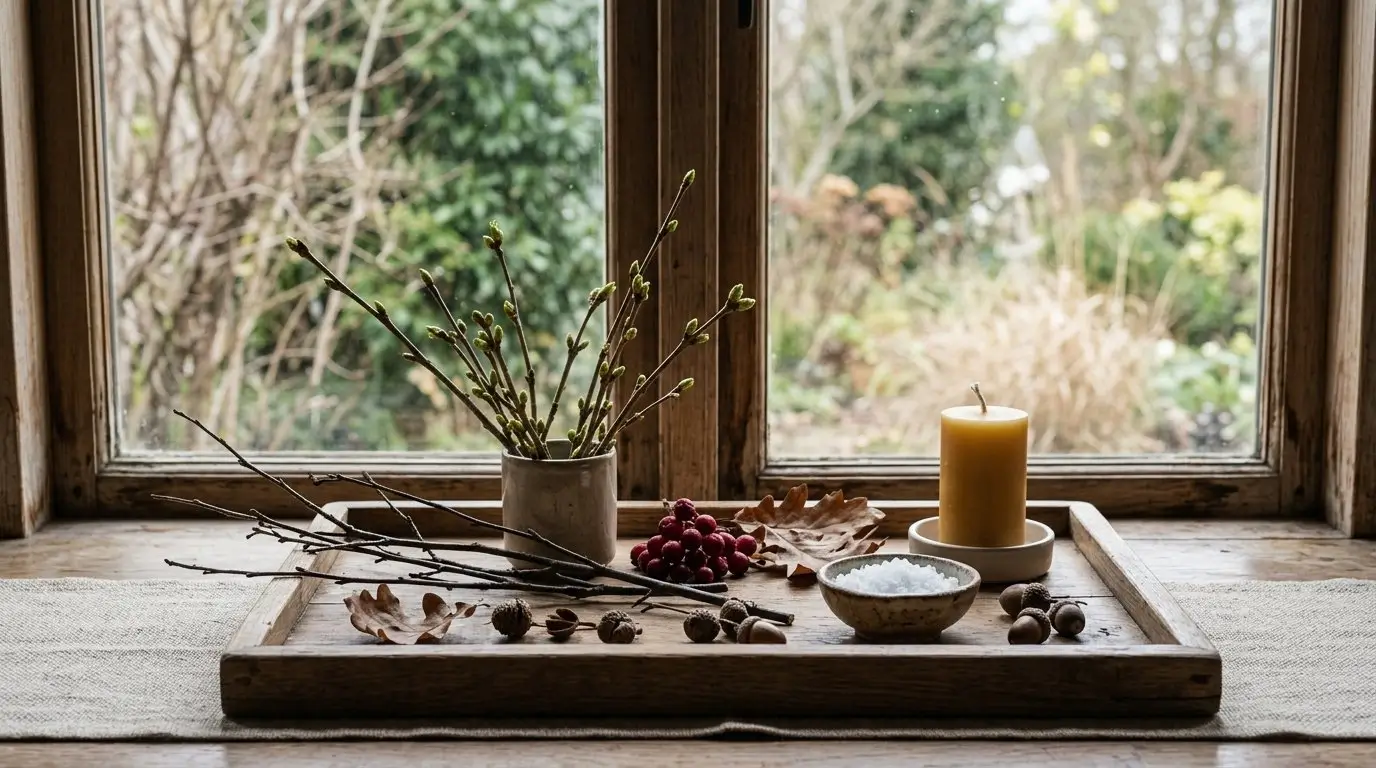
Pagan holiday traditions often center on visible changes in the natural world: the lengthening or shortening of days, harvest cycles, seasonal weather, animal and plant life, and the rhythm of rest and renewal. Depending on the path, a holiday may focus on remembrance, protection, fertility, gratitude, cleansing, divination, devotion to deities, ancestor honoring, or community celebration.
There is no single universal pagan calendar. Wiccans, eclectic Pagans, polytheists, animists, reconstructionists, folk practitioners, and nature-centered families may all observe holidays differently. Some people follow the Wheel of the Year closely, while others celebrate local land-based seasons, lunar cycles, cultural festivals, or devotional holy days tied to specific gods and spirits.
Common practices include:
- Decorating an altar with seasonal colors, plants, candles, or symbols
- Preparing a seasonal meal or baked offering
- Lighting candles safely for reflection or devotion
- Making offerings of water, bread, fruit, flowers, or written prayers
- Taking nature walks and noticing seasonal changes
- Practicing divination, journaling, music, storytelling, or crafts
- Gathering with family, friends, covens, or community groups
Some traditions are open and adaptable; others belong to specific living cultures or initiatory communities. Respectful practice means learning context, avoiding claims of ownership over traditions that are not yours, and choosing symbols with care.
The Wheel of the Year at a Glance
The Wheel of the Year is a modern seasonal framework used by many Pagans, especially Wiccans and eclectic practitioners. It marks eight festivals spaced through the solar year: four solar points and four seasonal cross-quarter festivals. Not all Pagans use this calendar, and not everyone interprets each holiday the same way.
The dates below are approximate for the Northern Hemisphere. Practitioners in the Southern Hemisphere often shift the timing by about six months so the celebrations match local seasons rather than the northern calendar.
| Holiday | Approximate Northern Hemisphere Timing | Seasonal Theme | Common Traditions |
|---|---|---|---|
| Samhain | October 31–November 1 | Endings, ancestors, remembrance, the dark half of the year | Ancestor altar, candle lighting, quiet meal, divination, reflecting on loss and change |
| Yule | Winter solstice, around December 21 | Returning light, rest, hope, hearth, renewal | Evergreen decorations, candles, sun symbols, gift-giving, warm drinks, home blessing |
| Imbolc | February 1–2 | Purification, inspiration, early spring, household blessing | Candle ritual, cleaning a room or altar, devotional prayer, noticing first signs of spring |
| Ostara | Spring equinox, around March 20 | Balance, renewal, growth, fertility, new beginnings | Seed planting, eggs, fresh flowers, garden planning, intention setting |
| Beltane | April 30–May 1 | Vitality, love, fire, flowers, celebration, community | Flower crowns, bonfires where safe, dancing, shared meals, maypole traditions where appropriate |
| Litha | Summer solstice, around June 21 | Solar energy, abundance, protection, fullness | Outdoor ritual, herb gathering, sun offerings, gratitude practice, protective charms |
| Lammas / Lughnasadh | August 1 | First harvest, grain, labor, skill, offering | Bread baking, grain altar, sharing food, honoring work and creative skill |
| Mabon | Autumn equinox, around September 22 | Balance, harvest gratitude, preservation, preparation | Gratitude altar, apples or seasonal foods, preserving herbs, sharing thanks, preparing for darker months |
Think of the Wheel as a map, not a rulebook. It can help you notice the year’s rhythm, but your own climate, ancestry, beliefs, and household needs should shape your practice.
Winter and Early Spring Traditions: Samhain, Yule, Imbolc, and Ostara
The darker half of the Wheel often invites quiet, reflection, protection, and renewal. These holidays can be deeply meaningful even when observed with simple household rituals.
Samhain
Samhain is commonly associated with remembrance, ancestors, the beloved dead, and the turning toward winter. Many Pagans use this time for divination, silence, storytelling, or reflection on endings. It is often connected with Halloween in modern culture, but it should not be reduced to “ancient Halloween” or treated as a single unchanging historical event.
A simple home practice: place a photo, name card, candle, or meaningful object on a small ancestor altar. Offer a cup of water or a favorite food, speak a memory aloud, and sit quietly for a few minutes. If ancestor work is complicated for you, honor chosen family, teachers, cultural elders, or the cycles of life and death in nature.
Yule
Yule marks the winter solstice, the longest night and the gradual return of light. Traditions often include evergreens, candles, hearth rituals, warm food, rest, and gift-giving. For many people, Yule is a time to honor endurance and hope rather than constant productivity.
A simple home practice: turn off bright lights for a few minutes, light one candle safely, and name something that helped you get through the dark part of the year. Decorate with pine, rosemary, dried orange, or whatever seasonal greenery is appropriate and safe in your home.
Imbolc
Imbolc is often observed as a time of purification, inspiration, and early signs of spring. It can be connected with household blessing, devotional work, candlelight, creative renewal, and gentle clearing after winter. In some traditions, Imbolc has specific cultural or deity associations, so it is wise to learn before adopting names or rites from outside your background.
A simple home practice: clean one small area, such as an altar, windowsill, desk, or doorway. Light a candle, open a window briefly if weather allows, and speak an intention for clarity, warmth, or creative energy.
Ostara
Ostara, near the spring equinox, emphasizes balance, renewal, growth, and new beginnings. Eggs, seeds, fresh flowers, and garden planning are common symbols because they reflect potential and emergence.
A simple home practice: plant seeds in a pot, jar, garden bed, or seed tray. As you cover them with soil, name one intention you are willing to tend over time. If planting is not possible, place fresh herbs or flowers on your altar and write a short plan for the coming season.
Late Spring and Harvest Traditions: Beltane, Litha, Lammas, and Mabon
The warmer half of the Wheel moves from growth and celebration into harvest, gratitude, and preparation. These holidays can be joyful, communal, and practical.
Beltane
Beltane is associated with fire, flowers, vitality, love, sensuality, and community celebration. Some groups include maypole dancing or bonfires, while others focus on creativity, friendship, beauty, or the blessing of homes and gardens. If you are drawing from a specific cultural custom, learn its context rather than using it as generic seasonal decoration.
A simple home practice: make a small flower bundle, wreath, or bowl of blossoms. Place it near your doorway or altar as a symbol of welcome and vitality. If you cannot use real flowers, draw or craft them from paper.
Litha
Litha, the summer solstice, honors the longest day and the fullness of sunlight. Themes often include abundance, protection, herbs, outdoor ritual, and gratitude for what is flourishing. It can also be a useful moment to pause and ask what needs balance when life feels too bright, busy, or intense.
A simple home practice: spend time outdoors in the morning or evening. Offer thanks for one thing that is growing in your life. If safe and appropriate, place a bowl of water in sunlight for a short time and use it later to water a plant.
Lammas or Lughnasadh
Lammas, also called Lughnasadh in some traditions, marks the first harvest. It is often linked with grain, bread, labor, skill, sacrifice, and the results of effort. Many people bake bread, share food, honor craftspeople, or reflect on what their work has produced.
A simple home practice: bake or buy bread and set aside a small piece as an offering of gratitude. You might also write down one skill you have developed this year and one way you will continue to practice it.
Mabon
Mabon, near the autumn equinox, is a time of balance, harvest gratitude, preserving food, and preparing for the darker months. It often begins the inward turn that deepens at Samhain. Apples, squash, grains, preserved herbs, and warm colors are common seasonal symbols.
A simple home practice: create a gratitude bowl with small notes, acorns, stones, dried leaves, or seasonal fruit. Add one item for each thing you are thankful for, then share a meal or quiet reflection.
Modern life may not allow bonfires, gardens, or large gatherings. A balcony herb ritual, seasonal playlist, shared soup, candlelit dinner, or five-minute journal practice can still carry the meaning of the holiday.
How to Create Your Own Pagan Holiday Ritual
A pagan holiday ritual does not need to be elaborate. A clear intention, a safe space, and a meaningful action are enough. Use this simple structure as a starting point:
- Choose the seasonal theme. Decide whether you are focusing on remembrance, renewal, gratitude, protection, creativity, rest, or another theme.
- Prepare the space. Clean a table, windowsill, floor area, or outdoor spot. Keep it practical and safe.
- Set a focal point. Use an altar cloth, candle, bowl of water, seasonal plant, stone, photo, fruit, bread, or handmade object.
- Light a candle safely. If flame is not safe, use an LED candle, lamp, or symbolic gesture.
- Speak an intention. Say a few words aloud or silently about what you are honoring.
- Make an offering. Offer water, food, flowers, incense where safe, a written note, music, or an act of service.
- Reflect. Journal, meditate, pull a card, sing, pray, or sit quietly.
- Close the ritual. Thank any beings, ancestors, deities, or elements you invited, then extinguish candles and clean up.
Always consider fire safety, smoke sensitivity, pets, children, shared housing, and local rules for outdoor spaces. Outdoor offerings should be biodegradable and safe for wildlife; when in doubt, offer water or carry items home.
Adapt your rituals to your actual climate. If snowdrops, wheat fields, or autumn apples do not fit your region, honor what is truly present: monsoon rains, desert blooms, coastal winds, local harvests, or urban seasonal shifts. A seasonal journal can help you notice what feels meaningful year after year.
Respectful Practice, Family Traditions, and Modern Adaptations
Modern pagan holiday traditions can be solitary, family-based, coven-based, community-centered, devotional, or simply focused on nature and seasonal awareness. Some people worship deities, some honor ancestors, some work with land spirits, and some keep their observances symbolic and reflective.
Before adopting a name, symbol, chant, or ritual from a culture outside your own background, take time to learn where it comes from and whether it is appropriate for outsiders to use. Respectful practice does not require fear or perfection, but it does require humility and a willingness to listen.
Families and mixed-belief households can keep traditions accessible through crafts, baking, nature walks, seasonal stories, music, and gratitude practices. Children can help gather leaves, decorate a candle holder, plant seeds, stir bread dough, or name something they appreciate. No one needs to share the same theology to notice the changing year together.
Ancestor honoring can also be simple: place a photo on a table, light a candle, cook a favorite recipe, speak thanks, or share a memory. If family history is painful, you can honor chosen ancestors, mentors, cultural elders, or the broader web of life.
Consistency, sincerity, and respect matter more than owning specific tools. A clean bowl, a candle, a seasonal object, and honest attention can form the heart of a meaningful holiday practice.
FAQ
What are the main pagan holidays?
Many modern Pagans recognize eight Wheel of the Year holidays: Samhain, Yule, Imbolc, Ostara, Beltane, Litha, Lammas or Lughnasadh, and Mabon. These mark seasonal changes, solstices, equinoxes, and harvest points.
Do all Pagans celebrate the Wheel of the Year?
No. The Wheel of the Year is common in Wiccan and eclectic pagan practice, but it is not universal. Some Pagans follow cultural calendars, lunar observances, devotional feast days, local land cycles, or personal household traditions.
Can beginners celebrate pagan holidays at home?
Yes. Beginners can start with simple, respectful practices such as lighting a candle, making a seasonal meal, journaling, creating a small altar, walking in nature, or offering thanks. Expensive tools are not required.
Are pagan holiday traditions the same as Wiccan traditions?
Not always. Wicca is one modern pagan religion, and many Wiccans celebrate the Wheel of the Year. Paganism is broader and includes many paths, cultures, and practices, so traditions can differ widely.