

When sage is not enough, do not simply burn more sage. Start by cleaning the room physically, naming what feels off, and choosing a cleansing method that matches the problem: sound for stagnant heaviness, salt water for emotional residue, smoke-free sprays for sensitive homes, prayer for spiritual unrest, and protection work when the same feeling keeps returning. If you keep an ancestor altar, cleanse it separately and respectfully rather than treating it like ordinary decor. A complete cleansing should clear, bless, and seal the space. The goal is not fear or constant purification; it is restoring peace, clarity, and right relationship in your home.
Before You Begin: Know Why Sage May Not Be Enough
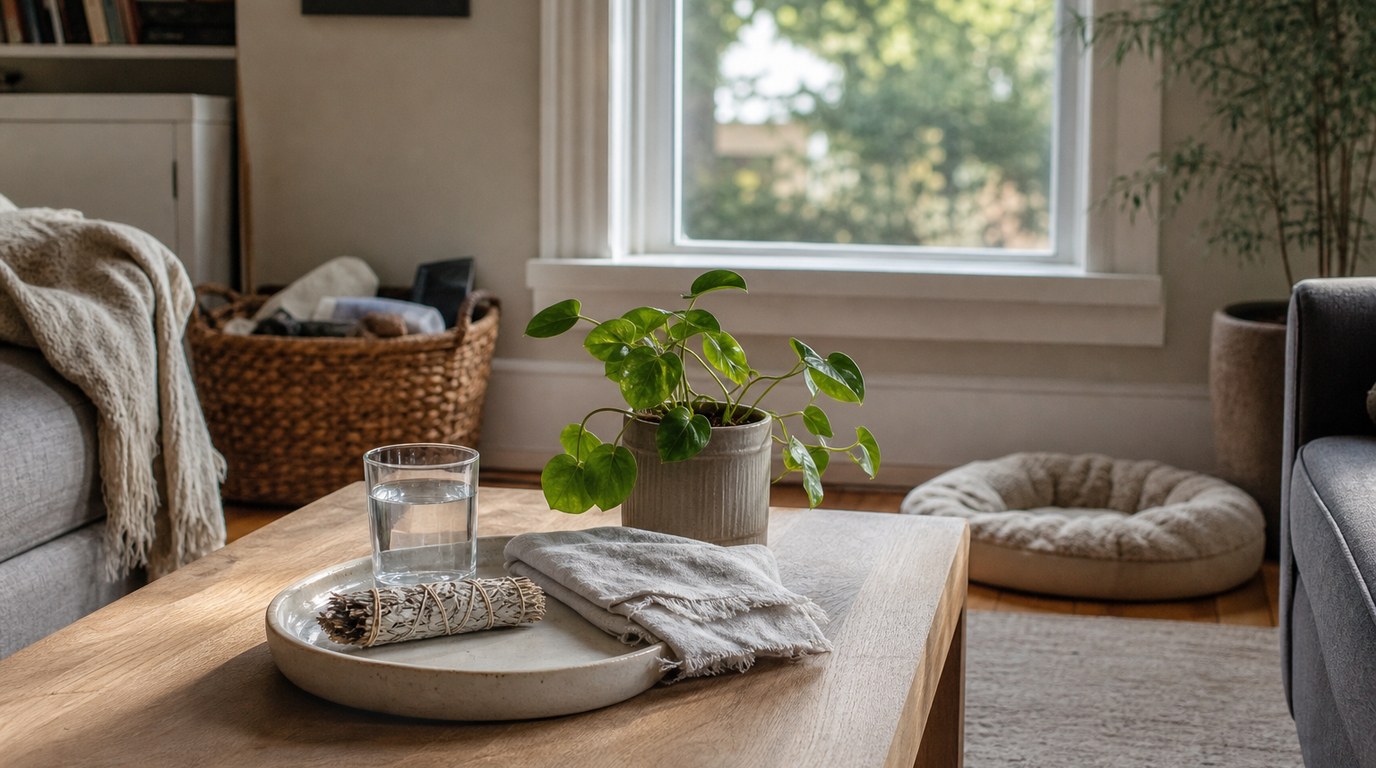
Sage can be useful, but it is not the only cleansing tool and it is not always the right one. Sometimes the issue is practical: clutter, stale air, conflict, grief, or neglected offerings. Sometimes smoke is inappropriate because of asthma, pets, children, lease rules, or cultural concerns.
If a space still feels heavy after cleansing, pause before repeating the same action. Ask: Is this spiritual, emotional, relational, or environmental? A room that needs apology, ventilation, fresh water, or boundaries may not respond to smoke alone. Discernment keeps cleansing grounded instead of fear-driven.
Prerequisites: Gather Your Cleansing Supplies
Before you begin, gather only what you will actually use. You may need:
- A broom, cloth, trash bag, and cleaning supplies
- A bowl of clean water, optionally with a pinch of salt
- A bell, rattle, drum, singing bowl, or clapping hands
- A smoke option such as rosemary, cedar, frankincense, or incense
- A smoke-free option such as floral water, cleansing spray, or prayer water
- A candle, if safe
- Fresh altar water and a small offering for ancestors
- A heatproof dish if using smoke
- Matches, ventilation, and a fire-safe plan
Keep pets and children safe. Open a window if burning anything. Never leave candles, charcoal, or incense unattended.
Step 1: Start with Physical Cleaning
Physical cleaning is not optional. Spiritual cleansing works better when the room is not holding dust, trash, old dishes, spoiled offerings, or unused objects.
Remove garbage first. Put away clutter. Sweep or vacuum from the back of the room toward the door. Wipe surfaces, especially corners, windowsills, doorframes, and the area around an altar. Replace stagnant water, dead flowers, and old food offerings.
As you clean, say plainly: “I remove what is no longer welcome here.” Let the body participate before the ritual tools begin.
Step 2: Open the Ritual with Permission and Intention
Stand near the entrance of the room. Take three slow breaths. If this is your home, claim responsibility for the space without aggression. If you work with ancestors, spirits, saints, or guides, greet them respectfully.
Say something like: “I cleanse this space for peace, protection, clarity, and blessing. Only what supports life, respect, and right relationship may remain.”
Ask for help, but do not command forces you do not know. A grounded intention gives direction to every tool that follows.
Step 3: Use Sound to Break up Stagnant Energy
When sage is not enough, sound is often the next best step. It cuts through heaviness without smoke and reaches corners people tend to ignore.
Start at the doorway. Ring a bell, clap, shake a rattle, drum softly, or use a singing bowl. Move clockwise around the room. Pay attention to corners, closets, under furniture, and behind doors. If the sound feels dull or flat in one area, stay there longer.
Continue until the sound feels brighter, sharper, or more open. You are not trying to make noise randomly; you are breaking up stuck energy so it can leave.
Step 4: Choose a Smoke or Smoke-free Cleansing Method
Choose one method that fits your home and situation.
For smoke cleansing, use rosemary for protection, cedar for grounding, frankincense for sacred atmosphere, or incense associated with your tradition. Light it safely, then guide the smoke around doorways, corners, windows, and the center of the room. Do not over-smoke a space.
For smoke-free cleansing, mist the room with floral water, moon water, or water prayed over with a pinch of salt. You can also dip fingers into the water and mark doorframes lightly.
If emotions have been intense, use water. If the air feels heavy, use sound. If the room feels spiritually exposed, use protection herbs or prayer.
Step 5: Cleanse the Ancestor Altar Separately
An ancestor altar should be approached with respect. Do not blast it with smoke, noise, or salt water as if it were a dirty corner. First, greet your ancestors. Explain that you are refreshing the space.
Remove old offerings. Wash cups, plates, or offering bowls. Replace water. Dust photos, frames, and altar surfaces gently. If smoke is appropriate, pass it lightly around the altar, not directly into photographs or delicate items. If smoke-free, wipe the surface with a clean damp cloth.
Then offer fresh water, a candle, flowers, prayer, or a simple word of gratitude.
Step 6: Bless the Space After Cleansing
Clearing creates an opening. If you do not fill the space intentionally, it may simply feel empty or unsettled.
After cleansing, bless the room. Speak what you want present: peace, restful sleep, honest communication, protection, warmth, prosperity, or healing. Light a candle safely, play uplifting music, place fresh flowers, open curtains, or bring in a bowl of clean water.
Say: “This space is filled with blessing, steadiness, and care.” Let the blessing be specific. A kitchen may need nourishment; a bedroom may need rest; an altar room may need reverence.
Step 7: Seal and Protect the Home
To keep the cleansing from fading quickly, seal the boundaries. Stand at each door and window. Touch or gesture toward the frame and say: “May this threshold hold peace. What harms, drains, deceives, or disrespects may not enter.”
You may place a small bowl of salt near the door, hang protective herbs, anoint the frame with prayer oil, or keep a protective charm nearby. Use what fits your tradition.
Protection is not paranoia. It is spiritual housekeeping. Repeat after conflict, illness, heavy visitors, nightmares, or major life changes.
Result Check: How to Know the Cleansing Worked
A successful cleansing usually feels simple, not dramatic. The room may feel lighter, quieter, warmer, or easier to breathe in. You may notice better sleep, fewer arguments, clearer thoughts, or a desire to maintain the space.
Check practical signs too: the room is cleaner, the altar is refreshed, offerings are current, and air has moved through the home. If nothing changes, look for unfinished physical or relational work. Cleansing supports action; it does not replace needed conversations, repairs, rest, or boundaries.
Common Mistakes and Troubleshooting
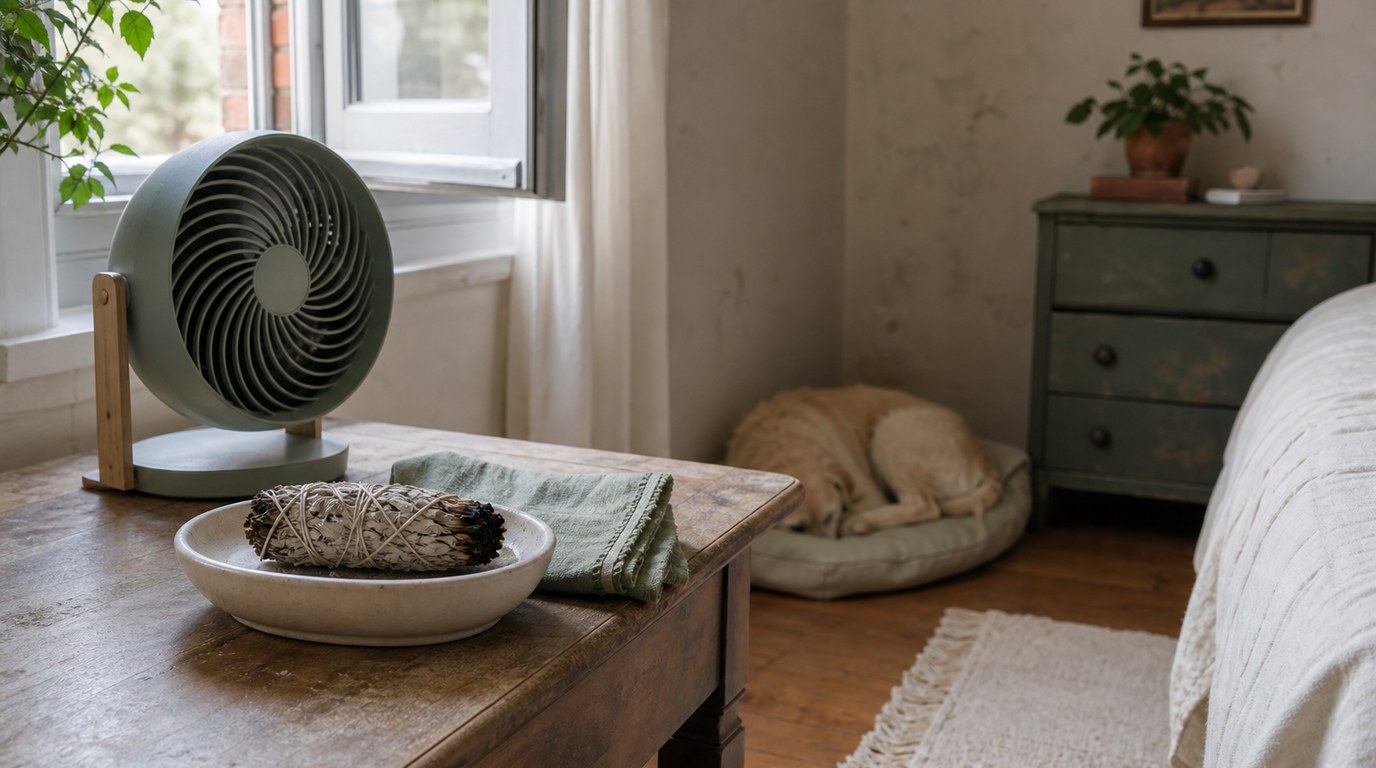
The most common mistake is using more smoke when the space needs something else. Too much smoke can irritate lungs, frighten pets, stain walls, and create anxiety instead of peace. Ventilate well and use fire-safe tools.
Another mistake is cleansing while angry or panicked. If you are overwhelmed, drink water, breathe, and begin with physical cleaning.
Do not neglect the altar. Old water, spoiled food, or ignored offerings can make a sacred place feel stagnant.
If the heaviness returns quickly, check patterns: Who visits? What arguments repeat? What objects hold painful memories? What boundaries are missing? If the issue feels severe, persistent, or tied to mental health or safety, seek practical support alongside spiritual work.
A Simple Full-room Ritual When Sage Is Not Enough
- Open a window and remove trash.
- Sweep or vacuum toward the door.
- Stand at the entrance and state your intention.
- Clap or ring a bell around the room, especially in corners.
- Use one cleansing method: smoke, spray, salt water, or prayer.
- Refresh the ancestor altar separately with clean water and gratitude.
- Bless the room out loud with the energy you want present.
- Seal doors and windows with prayer or protective gesture.
- Sit quietly for one minute and notice the change.
Repeat monthly, seasonally, or after heavy events.
FAQ
What Is the First Step Someone Should Take with When Sage Isn T Enough?
The first step is physical cleaning. Remove trash, clutter, dust, old offerings, and stagnant water before doing spiritual work. Many spaces feel heavy because they are holding neglect, grief, or disorder. Clean first, then use sound, water, smoke, prayer, or protection.
What Can Go Wrong When Following When Sage Isn T Enough Advice?
The main problems are over-smoking, ignoring fire safety, cleansing in panic, or skipping the practical issue underneath the heaviness. Smoke can irritate people and pets. Also, cleansing without blessing and sealing may leave the room feeling empty rather than peaceful.
How Long Does It Usually Take to Work Through When Sage Isn T Enough?
A simple room cleansing can take 20 to 45 minutes, depending on how much physical cleaning is needed. A whole home may take one to two hours. Do not rush the altar portion; refreshing offerings and speaking gratitude may be the most important part.
How Can a Beginner Tell Whether When Sage Isn T Enough Worked?
Look for ordinary signs: the room feels calmer, airier, and easier to rest in. You may sleep better, think more clearly, or feel less tense. Also check whether the space is physically cleaner, the altar is refreshed, and the boundaries feel steady.