
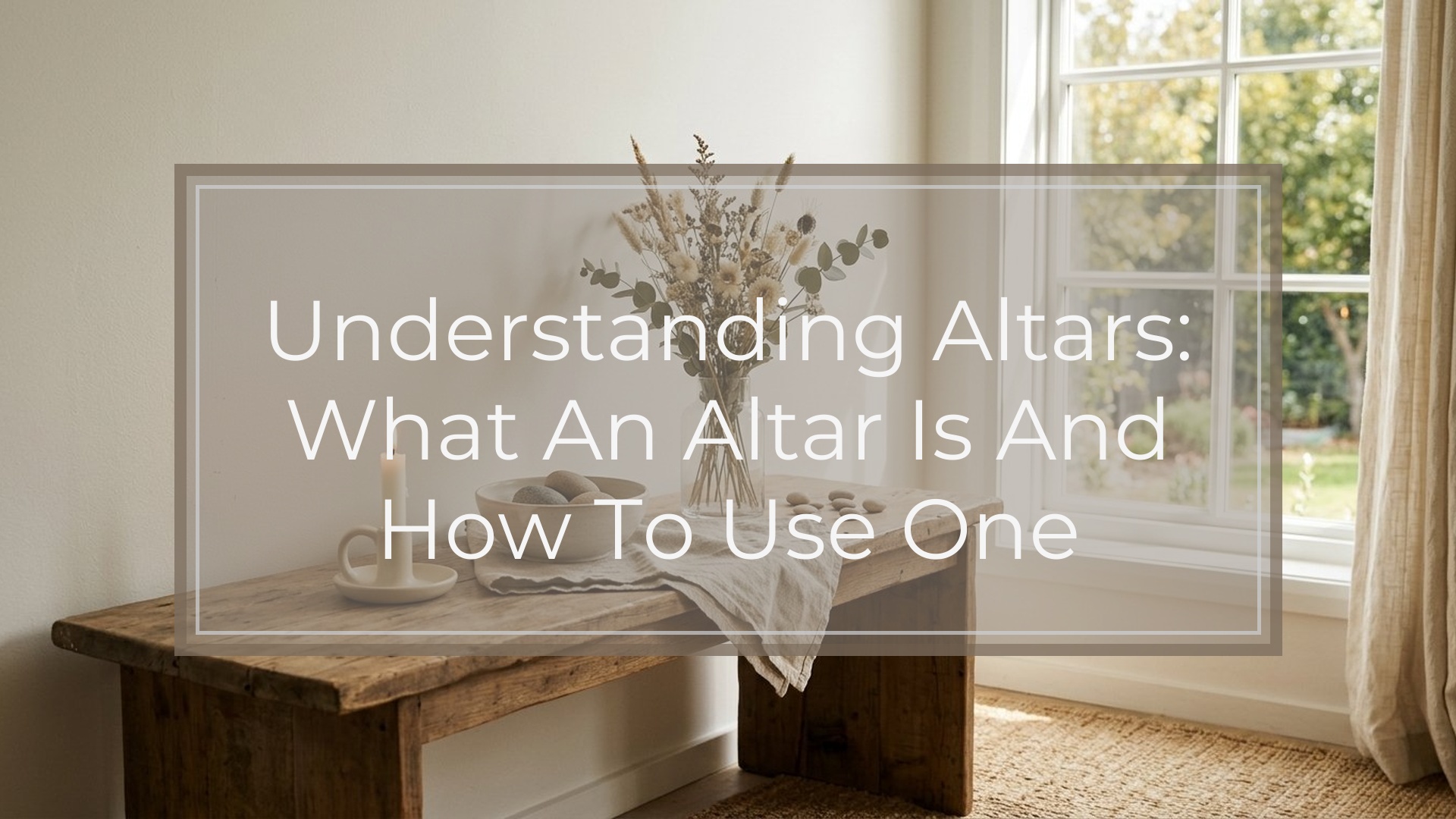
An altar is a dedicated place where spiritual attention gathers. It can be a small table, shelf, windowsill, tray, or quiet corner arranged with meaningful objects, offerings, prayers, or symbols. Altar magic is not about forcing life to obey you; it is about focusing intention, honoring spirit, creating relationship, and making your inner commitments visible in the physical world.
To bring altar magic into your life, begin simply. Choose a clean space, decide its purpose, add a few meaningful items, and visit it regularly. For ancestor altar work, that might mean placing a photo, a glass of water, a candle, and a heartfelt prayer in one respectful place.
What Is an Altar?
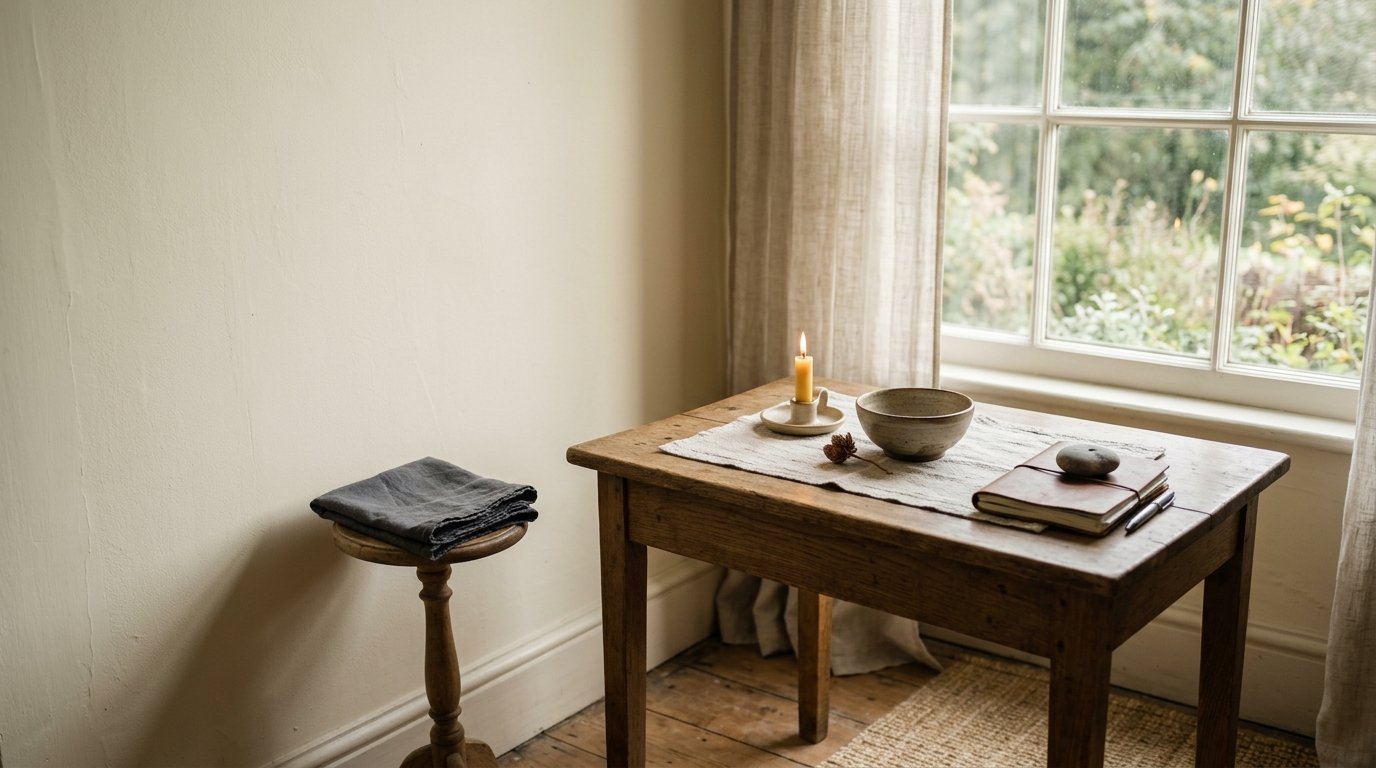
An altar is a sacred focal point. It marks a place as spiritually important, even if it looks ordinary to someone else. The power of an altar comes from dedication: you decide that this space is for prayer, remembrance, protection, gratitude, healing, or connection.
An altar does not have to be expensive, public, or elaborate. A small cloth with a candle and a bowl of water can be an altar. So can a shelf with ancestral photos and flowers. The essential idea is simple: an altar gives your spiritual life a place to land.
What Does “Altar Magic” Mean?
“Altar magic” means using an altar as a living point of focus for intention, devotion, and spiritual relationship. It may include lighting a candle, speaking a prayer, leaving an offering, writing a petition, meditating, or sitting quietly with your ancestors.
The “magic” is partly symbolic and partly practical. When you return to the same sacred place again and again, your attention deepens. You remember what matters. You create a rhythm of reverence. Many people experience altar work as a way to feel supported, guided, grounded, and spiritually connected.
Common Types of Altars You Might Create
Different altars serve different purposes. A home protection altar may include salt, protective herbs, or a prayer card near the entryway. A self-love altar might hold rose quartz, affirmations, flowers, or a mirror. A seasonal altar may change with the moon, holidays, or harvest times.
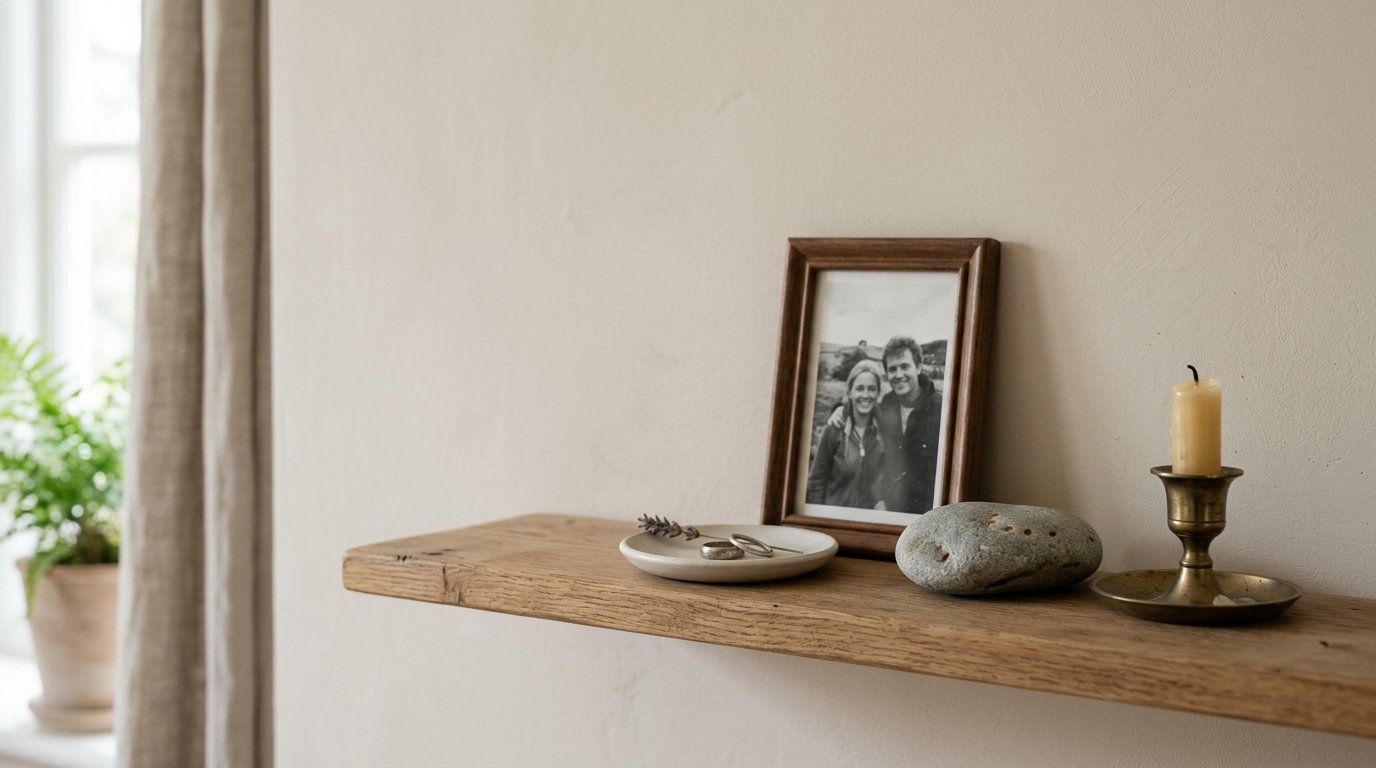
An ancestor altar focuses on honoring those who came before you: beloved dead, family lineage, cultural elders, or spiritual ancestors. This kind of altar often includes photos, names, water, candles, flowers, and offerings. You do not need to choose only one kind forever. Start with the purpose that feels most sincere.
The Core Elements of an Altar
Most altars include a few basic elements: a surface, a symbol of purpose, offerings, and a way to focus attention. These items do not “work” because they are fancy. They work because they carry meaning and help you show up consistently.
| Altar element | Simple example | What it can represent |
|---|---|---|
| Surface | Shelf, tray, small table | A dedicated sacred place |
| Light | Candle or lamp | Spirit, prayer, clarity |
| Water | Glass, bowl, cup | Life, cleansing, refreshment |
| Image or symbol | Photo, icon, written name | Connection and remembrance |
| Offering | Flowers, food, incense | Gratitude and relationship |
| Personal item | Stone, heirloom, note | Intention and emotional meaning |
Choose items you can care for respectfully. A clean glass of water is better than a crowded altar you cannot maintain.
How to Set up a Simple Altar at Home
Begin by choosing a location that can stay relatively undisturbed. It does not need to be large, but it should feel respectful. Clean the space physically first. Wipe the surface, remove clutter, and decide what the altar is for.
Next, add a cloth or tray if you like. Place one central item that represents the altar’s purpose: an ancestor photo, a candle, a written prayer, or a meaningful object. Add one or two supporting elements, such as water, flowers, incense, or a small bowl for offerings.
Then speak your intention aloud. For example: “May this space be a place of remembrance, gratitude, and guidance.” Keep it simple. The first setup is not final. Altars often grow naturally through use.
How to Use an Altar in Daily Life
Using an altar is about relationship, not performance. You might visit it in the morning to light a candle and ask for steadiness. You might pause there before a hard conversation, after good news, or during grief. You might sit quietly and breathe for three minutes.
Simple daily practices include changing the water, saying thank you, offering flowers, reading a prayer, journaling nearby, or placing a written intention on the altar. Consistency matters more than complexity. If daily practice feels unrealistic, choose one or two days each week. The altar becomes meaningful through repeated, sincere attention.
Bringing Ancestor Altar Magic Into Your Life
Ancestor altar magic begins with respect. You are not collecting spiritual power from the dead; you are building honorable connection with those whose lives helped make yours possible. Start with ancestors you feel safe honoring: beloved relatives, kind elders, or well ancestors of your lineage.
Once that feeling of safety is clear, you can make an altar for your ancestors with simple objects that hold respect and care.
Place their names or photos on the altar if appropriate. Offer water, light, flowers, coffee, tea, or foods they enjoyed. Speak naturally: “I remember you. I thank you. Please guide me toward wisdom and healing.” If family history is painful, you can honor healed ancestors, chosen ancestors, or lineage blessings without inviting harmful patterns close.
How to Care for Your Altar Over Time
An altar should be tended. Refresh water regularly, remove old food before it spoils, dust the surface, and replace wilted flowers. If you burn candles or incense, use fire safety and never leave flames unattended.
You can also care for the altar spiritually by returning with honesty. Some weeks you may feel deeply connected; other weeks you may simply say, “I am here.” That still counts. When an item no longer belongs, remove it respectfully. Let the altar stay alive, clean, and intentional.
Beginner Mistakes to Avoid
Avoid making the altar so complicated that you never use it. Do not buy many tools before you understand your purpose. Do not copy closed cultural practices without permission or context. Avoid leaving spoiled offerings, unsafe candles, or cluttered objects with no meaning.
Most importantly, do not judge your altar against someone else’s. A sincere, simple altar is stronger than a beautiful space you feel disconnected from.
FAQ
What Should a Beginner Know First About Understanding Altars What Is an Altar and How to Bring Altar Magic Into My Life?
A beginner should know that an altar is simply a dedicated sacred space. It does not have to be elaborate or perfect. Start with a clear purpose, a clean surface, and a few meaningful items. Regular attention is what turns the space into a spiritual practice.
What Matters Most When Evaluating Understanding Altars What Is an Altar and How to Bring Altar Magic Into My Life?
What matters most is intention, respect, and consistency. Ask: What is this altar for? Can I care for it well? Do the items have meaning? For ancestor altars, also consider emotional safety, family context, and whether the practice feels honoring rather than forced.
What Mistakes Should Readers Avoid with Understanding Altars What Is an Altar and How to Bring Altar Magic Into My Life?
Avoid overcomplicating the altar, neglecting offerings, using unsafe candles, or treating spiritual practice like decoration only. Also avoid copying traditions you do not understand. Begin with sincere basics: water, light, prayer, gratitude, and respectful attention.
What Is the Next Logical Step After Learning About Understanding Altars What Is an Altar and How to Bring Altar Magic Into My Life?
The next step is to create a small altar and use it for one week. Choose a purpose, set out two or three items, and visit the space regularly. Notice how it affects your focus, remembrance, and sense of connection.