
Introduction: Why Land Can Feel Alive
Some places feel still. Others feel watchful, welcoming, heavy, or bright. A grove, riverbank, old home, mountain path, or city corner can seem to hold memory beyond what is visible. Not everyone interprets that feeling spiritually, and no one has to. Still, across many cultures, people have described the land as alive with presence, relationship, and unseen intelligence.
What Is the Unseen Ecosystem Connecting with Spirits of the Land?
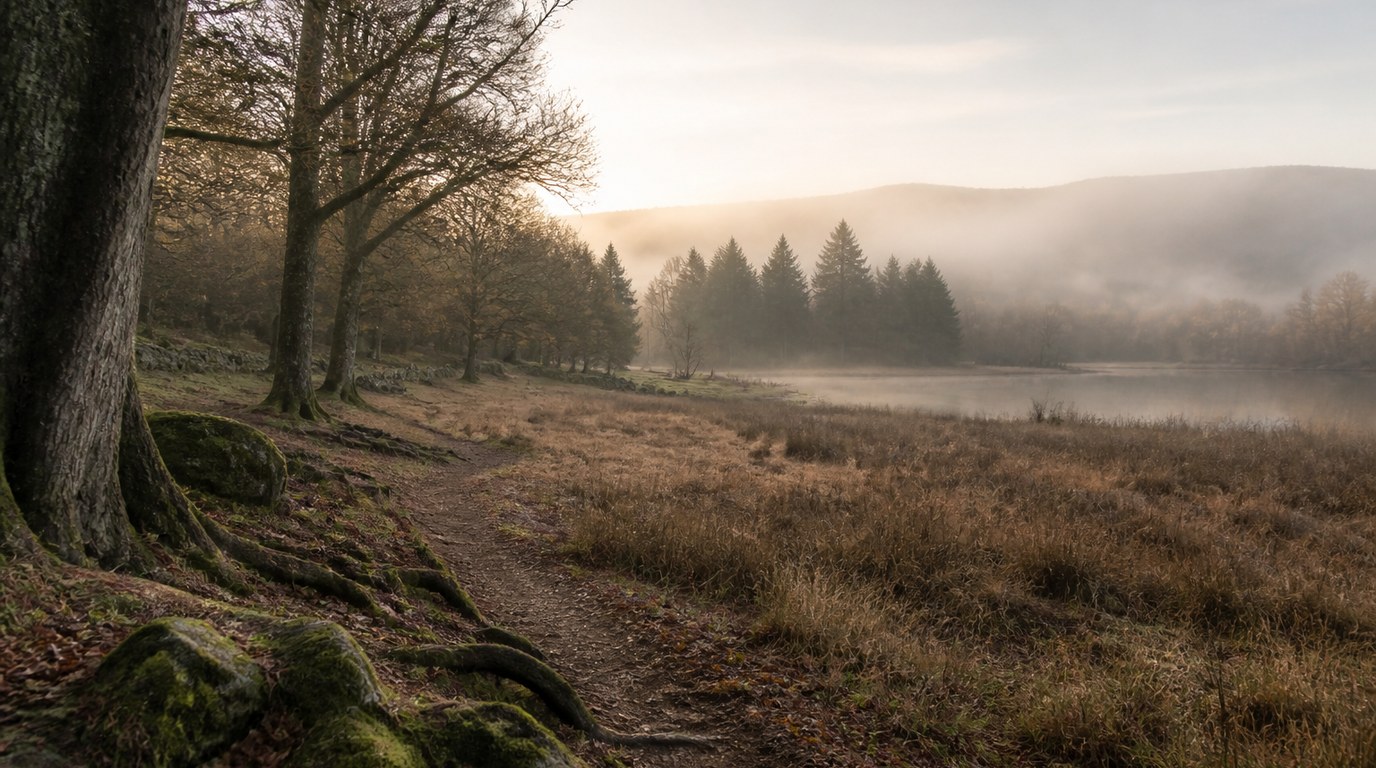
The unseen ecosystem connecting with spirits of the land is a way of describing the spiritual relationships people perceive between place, nature, ancestors, memory, and non-human presence. In this view, land is not just property or scenery. It is a living field of relationship.
“Land spirits” may refer to guardians of a place, presences connected to rivers, stones, trees, mountains, fields, homes, or the collective spirit of a local environment. Some people understand these spirits literally. Others see them as symbolic language for ecological awareness, intuition, or the emotional memory of place. A balanced approach allows both reverence and discernment.
Land Spirits Across Traditions and Personal Practice
Many traditions speak of spirits of place, though they do not all mean the same thing. Indigenous, African diasporic, European folk, Asian, animist, and polytheist traditions may each have specific teachings, names, protocols, and taboos. These should not be blended casually or borrowed without permission.
Personal practice is different from claiming authority in a tradition. A person can respectfully notice the land, offer gratitude, learn local history, and build relationship with the place where they live without pretending to perform a closed ceremony. Humility matters.
Fact, Interpretation, and Spiritual Experience
Some facts are observable: land has ecosystems, histories, human impacts, weather patterns, animal movements, and emotional associations. Spiritual interpretation begins when people sense presence, guidance, warning, welcome, or relationship within those facts.
It is wise to say, “I experienced this as a sign,” rather than “this definitely was a spirit.” That wording protects both spiritual sincerity and clear thinking. Experiences can be meaningful without being proven in a scientific sense. Discernment does not weaken reverence; it steadies it.
How Ancestors and Land Spirits Relate
Ancestor veneration and land spirit practice often touch, but they are not identical. Ancestors are connected to lineage, family, blood, adoption, culture, or chosen spiritual kin. Land spirits are connected to place.
The relationship between them can be intimate. Your ancestors lived on land, depended on waters, gathered plants, built homes, migrated, were displaced, or were buried in particular soils. At an ancestor altar, acknowledging the land beneath your home can deepen gratitude. You might honor your dead and also thank the place that holds your living body now.
Signs People Associate with Land Spirit Connection
People commonly associate land spirit connection with repeated dreams of a place, unusual feelings of welcome or caution, sudden attention to a tree or stone, animal encounters, changes in mood outdoors, or a sense of being “called” to care for a location.
These signs are not proof by themselves. Animals behave naturally. Weather changes. Human minds notice patterns. Still, if an experience leads to respect, care, humility, and grounded action, it may be spiritually useful. The safest question is not “Was this definitely a spirit?” but “How can I respond respectfully?”
Respectful Ways to Connect with Spirits of the Land
Begin by learning where you are. Find the watershed, native plants, local history, and the Indigenous peoples connected to the region. Notice who has cared for the land and who has been harmed or displaced there. Spiritual connection should increase responsibility, not bypass it.
Spend time outside without demanding messages. Sit quietly. Listen to birds, traffic, wind, insects, and silence. Ask permission inwardly before taking stones, flowers, soil, or branches. Often the most respectful offering is care: picking up litter, conserving water, planting native species, or supporting local land stewardship.
If you give offerings, keep them simple and safe. Clean water, a song, a spoken thanks, or a brief prayer is often enough. Avoid leaving plastics, toxic items, alcohol where it could harm animals, or food that disrupts wildlife.
Common Misconceptions About Land Spirits
One misconception is that land spirits are always gentle. In many traditions, spirits of place can be protective, indifferent, demanding, or simply beyond human categories. Respect is wiser than romanticizing.
Another misconception is that you must copy an exotic ritual to connect. Relationship with place can begin with attention, gratitude, and ethical care.
A third misconception is that every strange feeling outdoors is a message. Sometimes discomfort is weather, fear, memory, or intuition about physical safety. Spiritual interpretation should not replace practical awareness.
Finally, land is not a tool for personal power. Relationship means reciprocity.
Examples of Simple Land-based Practices
You might greet the land each morning: “Thank you for holding this home.” You might pour a small bowl of clean water at the base of a healthy plant, if appropriate. You might learn one local birdcall, tree, or seasonal pattern.
At an ancestor altar, you can place a small stone gathered with permission, or a written acknowledgment of the land where you live. You can also dedicate acts of care, such as cleaning a sidewalk or tending a garden, as offerings.
Ethics, Safety, and Boundaries
Do not trespass, enter unsafe areas, disturb burial places, or take from protected land. Do not harvest plants you cannot identify. Do not leave candles burning outdoors or pour substances into waterways.
Respect cultural boundaries. If a practice belongs to a living community with specific rules, seek proper teaching or choose a more general act of gratitude. Also keep personal boundaries. If a practice creates fear, obsession, or distress, pause, ground yourself, and seek support from trusted people.
A Simple Reflection Ritual for Meeting the Land Respectfully
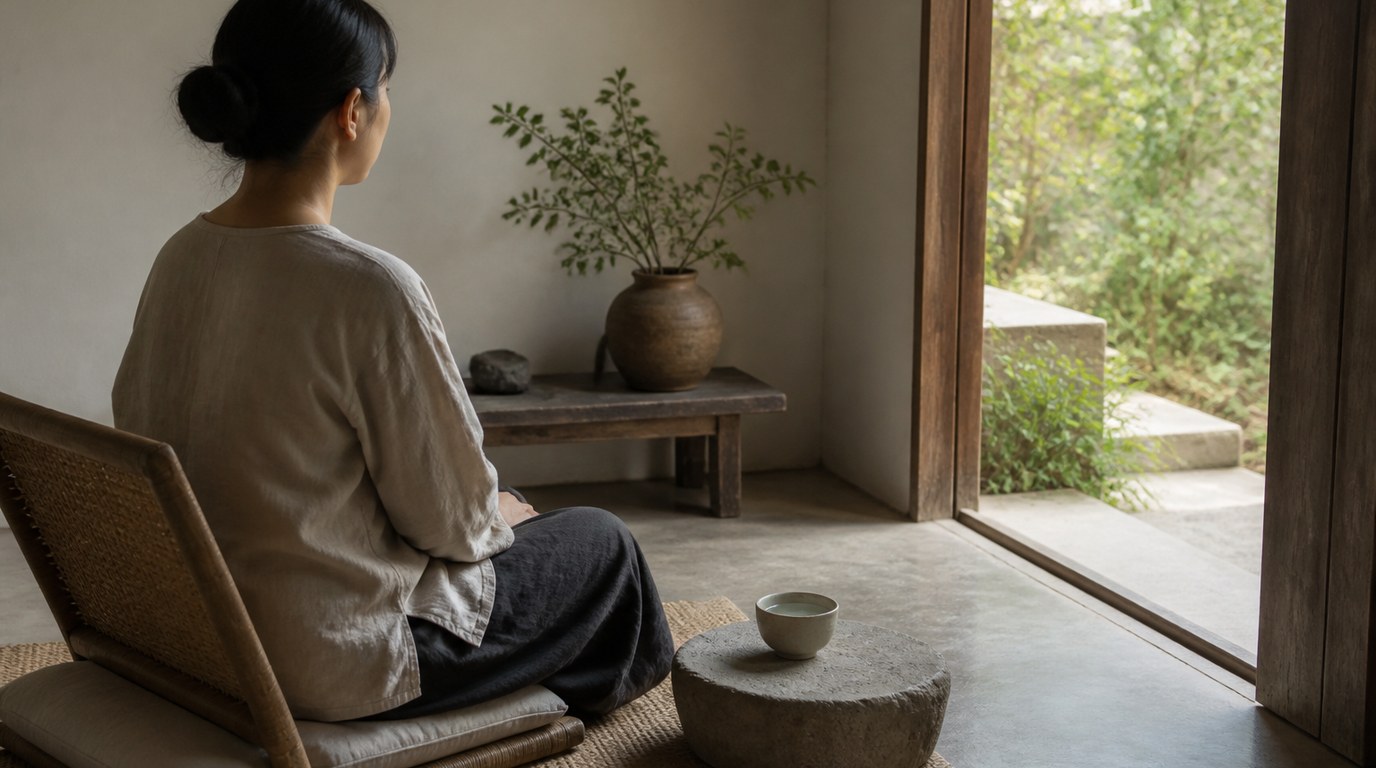
Choose a quiet place near your home, indoors or outdoors. Bring only yourself, or a small cup of clean water. Take three slow breaths and notice the ground beneath you.
Say, “I greet the land that holds me. I come with respect. May I learn how to live here well.” Sit silently for a few minutes. Notice sounds, sensations, and emotions without forcing meaning.
If it feels appropriate, offer the water to a plant or the earth where safe. Close by thanking the land, your ancestors, and any benevolent presence. Write down what you noticed.
FAQ
Are Land Spirits Real?
That depends on worldview. Many people and traditions understand land spirits as real presences. Others interpret them as symbols of ecological awareness, intuition, or place-memory. This article treats them respectfully without claiming proof. The practical question is how belief shapes care, humility, and relationship.
How Do I Know If a Land Spirit Is Contacting Me?
You may not know with certainty. Repeated dreams, strong impressions, meaningful encounters, or a pull toward caring for a place can feel like contact. Stay grounded: rule out ordinary causes, avoid fear-based conclusions, and respond with respectful, harmless actions rather than dramatic claims.
What Offerings Are Safe for Spirits of the Land?
Clean water, spoken gratitude, song, prayer, silence, and acts of care are usually safest. Picking up trash, planting appropriate native species, or conserving water can be powerful offerings. Avoid plastics, toxic substances, food that harms wildlife, and anything prohibited by local law or ecology.
Can I Connect with Land Spirits If I Do Not Live on My Ancestral Land?
Yes, many people respectfully connect with the land where they currently live. Begin as a guest: learn local history, acknowledge Indigenous presence, and avoid claiming ownership over spiritual traditions that are not yours. You can honor your ancestors while building ethical relationship with present place.
Is Working with Land Spirits the Same as Ancestor Veneration?
No. Ancestor veneration centers the dead of lineage, family, culture, or chosen kinship. Land spirit practice centers place and the presences associated with it. They can support each other, especially at a home altar, but they are distinct relationships with different responsibilities.