
To honor the autumn equinox with apples for the second harvest, prepare a clean altar space, choose apples as symbols of nourishment and gratitude, offer them with spoken thanks, and close the ritual by sharing, composting, or returning the offering respectfully. This practice can be simple: one apple, one candle, one glass of water, and a sincere moment of remembrance are enough. At the equinox, day and night stand in balance, making it a meaningful time to thank your ancestors, acknowledge what has sustained you, release what is complete, and preserve what matters for the darker half of the year.
What the Second Harvest Means at the Autumn Equinox
The autumn equinox marks a threshold: light and dark are briefly balanced, and the growing season turns toward storage, preservation, and reflection. In many seasonal traditions, this time is associated with the second harvest, especially fruits, grains, and foods gathered after summer’s peak.
Apples fit this moment beautifully. They represent sweetness, nourishment, continuity, and the wisdom of taking only what is ripe. On an ancestor altar, apples can become a simple offering of thanks for survival, family lines, land, labor, and lessons carried forward.
Before You Begin: Materials and Prerequisites
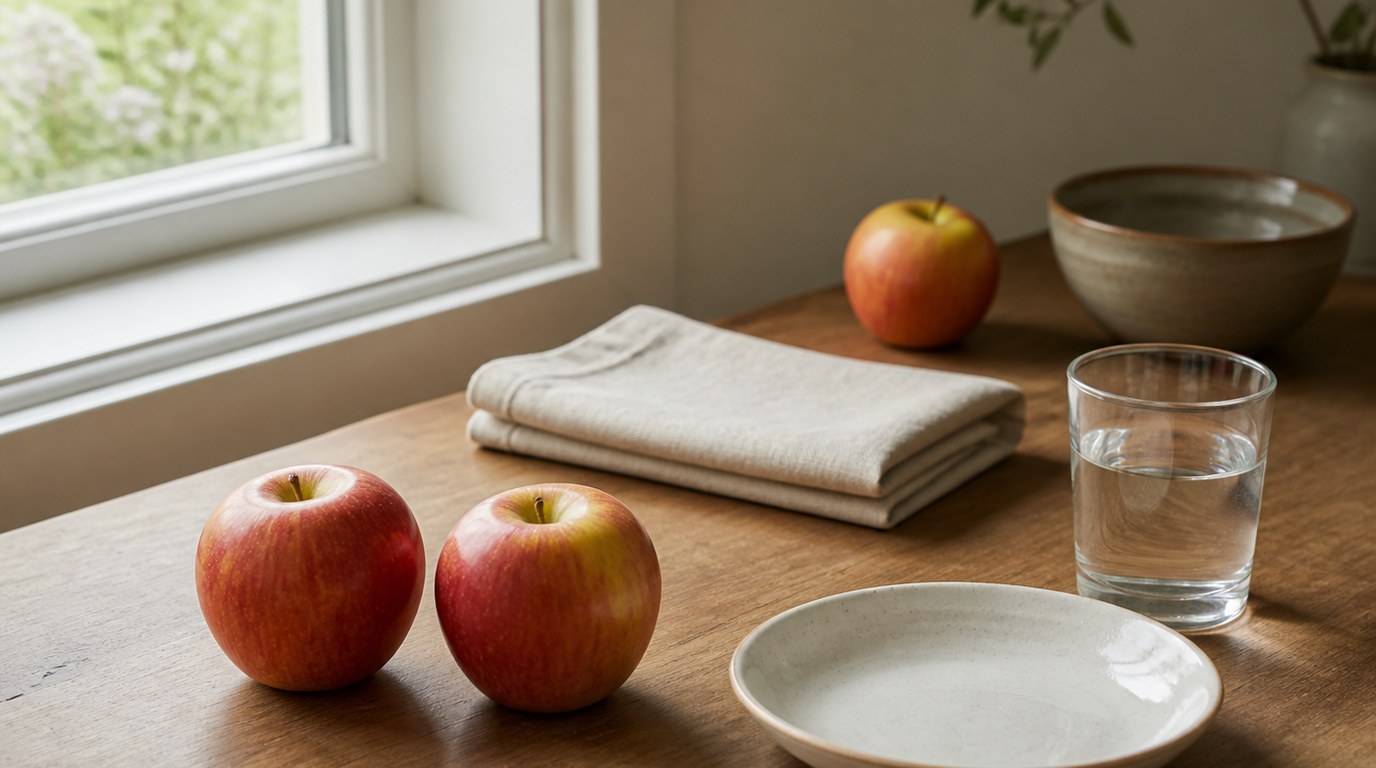
You do not need an elaborate altar. Gather only what you can use safely and respectfully:
- One or more fresh apples
- A clean plate, bowl, or cloth
- A glass of water
- A candle or battery candle, if safe
- Matches or lighter, if using flame
- A small knife, if you plan to slice the apple
- Optional autumn items: leaves, cinnamon, oats, corn, acorns, flowers, or a family photograph
- A journal or paper for reflection
Before beginning, decide who you are honoring: known ancestors, beloved dead, spiritual ancestors, or the wider line of people whose lives helped make yours possible. Wash your hands and the apples. If you live with pets, children, or insects, plan where the offering can rest safely and how long it will remain.
Step 1: Clean and Ground the Altar Space
Start by physically cleaning the altar or surface. Remove old offerings, dust the area, wash dishes or candle holders, and create a clear place for the apple. This practical care is part of the ritual; it shows that the offering is intentional, not forgotten decoration.
Then ground yourself. Stand or sit quietly. Take three slow breaths. Feel your feet, your seat, or your hands resting on the altar. You may say:
“May this space be clean, steady, and respectful. May only what is welcome and well-intentioned be present here.”
If using a candle, light it now with care.
Step 2: Choose and Prepare the Apples with Intention
Select apples that feel appropriate: firm, fresh, and pleasing to you. They do not need to be expensive or perfect. A local apple, a variety connected to childhood, or one bought with care can all be meaningful.
As you wash the apples, think about what you are truly offering. Are you giving thanks for food, protection, healing, work, family, or endurance? If slicing the apple, place the pieces neatly on a plate. Some people enjoy cutting an apple crosswise to reveal the star shape in the center, but this is optional.
Keep food safety in mind: use clean utensils and avoid offering spoiled fruit.
Step 3: Set the Apple Offering on the Altar
Place the apple offering at the center or front of the altar where it can be seen clearly. Set a glass of water nearby as a simple companion offering. If you use ancestor photographs, place the apple respectfully before them, not directly on top of images or delicate objects.
You may add seasonal symbols around it: a few leaves, a small bowl of oats, a cinnamon stick, or a candle. Keep the arrangement uncluttered. The purpose is not to impress anyone; it is to create a focused place of gratitude.
Pause before moving on. Let the altar feel settled.
Step 4: Speak Gratitude for the Second Harvest
Speak aloud if possible. If privacy is needed, whisper or write the words instead. Use your own language, or adapt this structure:
“Ancestors of blood, spirit, love, and path, I honor you at the autumn equinox. As day and night come into balance, I offer this apple in gratitude for the second harvest. Thank you for the food, shelter, strength, skills, stories, and protection that have helped me live. May what is nourishing continue. May what is complete be released. May this offering be received with respect.”
If you are not comfortable addressing ancestors directly, say: “I offer gratitude to all who came before me and to the sources of nourishment that sustain my life.”
Step 5: Reflect on Balance, Release, and Preservation
Sit quietly for a few minutes. The autumn equinox asks three practical questions:
- What in my life needs more balance?
- What has ripened and can now be released?
- What wisdom, habit, or relationship should I preserve for the season ahead?
Write one sentence for each question, or simply hold the answers in your heart. If you sliced the apple, notice its scent, color, and center. Let it remind you that harvest is not only about receiving; it is also about choosing what to store, share, compost, and transform.
Step 6: Share, Dispose of, or Return the Apple Offering Respectfully
Do not leave fresh apples on the altar until they rot. A food offering should be tended. Depending on your tradition and comfort, leave the apple for a few hours, overnight, or up to one day. In warm homes, shorten the time.
To close the offering, choose one respectful method:
- Share edible portions with household members, if your practice allows.
- Compost the apple.
- Place it at the base of a tree or in a garden where appropriate.
- Dispose of it in the trash with thanks if composting or outdoor return is not possible.
Avoid leaving food outdoors where it may harm animals, attract pests, or violate local rules. Before removing it, say: “Thank you. This offering is complete.”
How to Know the Ritual Is Complete
The ritual is complete when the apple has been offered, gratitude has been spoken, and the offering has been closed respectfully. You may feel calm, emotional, steady, or simply finished; all are valid.
Check the practical signs too: the candle is safely extinguished, the altar is clean, the apple is not spoiling, and you know your next action. A complete ritual should leave the space tended, not abandoned.
Common Mistakes and Troubleshooting
One common mistake is making the ritual too complicated. If you feel overwhelmed, use one apple, one cup of water, and one sentence of thanks. Sincerity matters more than decoration.
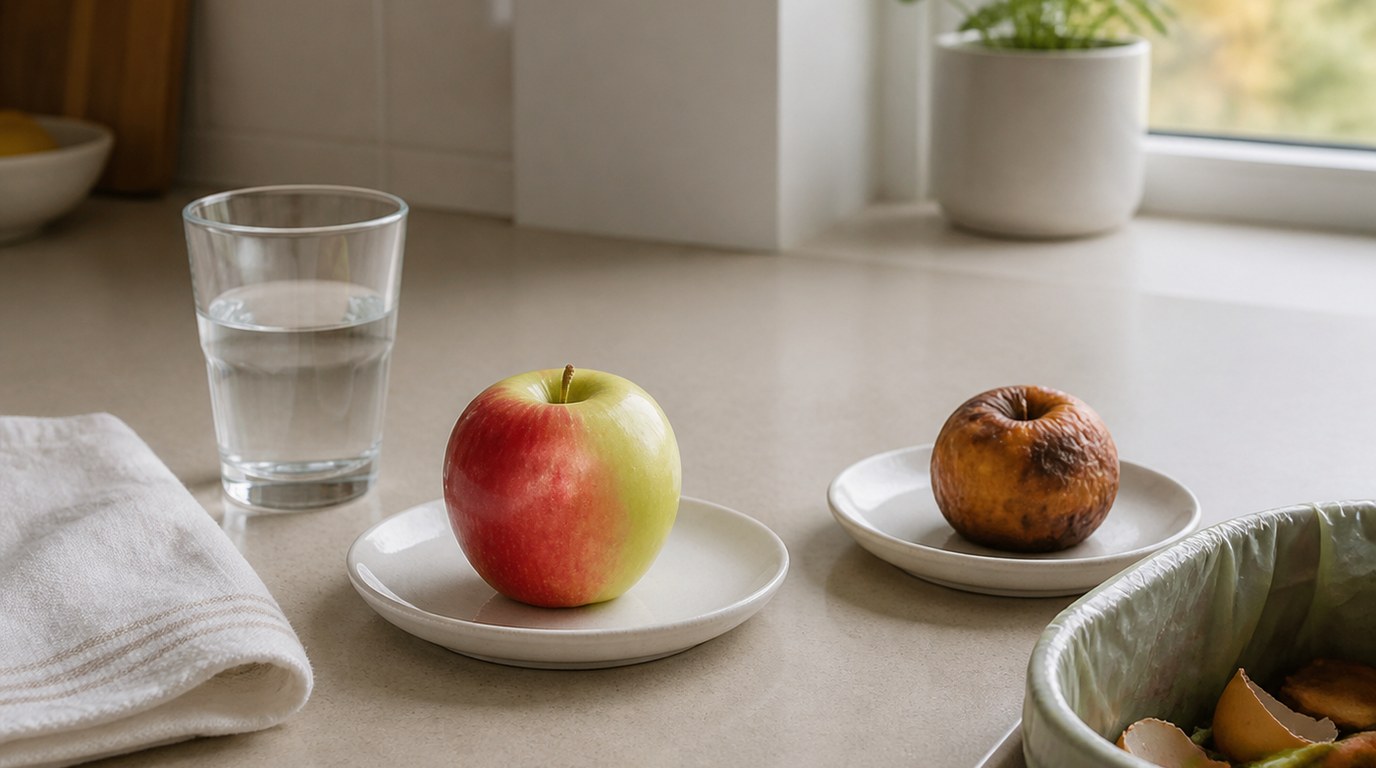
Another mistake is leaving food offerings too long. If the apple browns, leaks, attracts insects, or smells fermented, remove it immediately and clean the altar. This is not a spiritual failure; it is responsible tending.
If you feel nothing during the ritual, continue gently. Ancestor work is not always dramatic. Quiet respect is enough.
If grief rises, pause. Breathe, drink water, and shorten the ritual if needed. You can honor the dead without forcing yourself into emotional intensity.
If you do not know your ancestry, focus on beloved dead, cultural elders, land, teachers, or the unknown people whose labor helped sustain your life. Never invent certainty where there is none; reverence can include honesty.
FAQ
Why Are Apples Used for the Autumn Equinox?
Apples are seasonal in many regions during the autumn equinox and are associated with harvest, nourishment, sweetness, preservation, and ancestral memory. Their ability to be stored, baked, dried, or shared makes them a fitting symbol for gratitude and preparation.
Can I Honor the Autumn Equinox with Apples If I Do Not Have an Ancestor Altar?
Yes. Use a clean shelf, table, windowsill, or cloth as a temporary ritual space. Place the apple, water, and any candle safely there. When the ritual is complete, remove the items and return the space to ordinary use.
How Long Should I Leave Apples on an Altar?
A few hours to overnight is usually enough. In cool conditions, some people leave apples for one day, but avoid letting them rot. If the apple softens, leaks, attracts pests, or smells unpleasant, remove it and clean the altar.
What Should I Say When Offering Apples to Ancestors?
Say something simple and sincere: “Ancestors and beloved dead, I offer this apple with gratitude for the harvest, for nourishment, and for the life that continues through me. May this offering be received with respect, and may balance guide the season ahead.”
Can I Use Apple Cider, Apple Pie, or Dried Apples Instead of Fresh Apples?
Yes. Apple cider, pie, applesauce, baked apples, or dried apples can all be appropriate offerings. Choose what is practical, safe, and meaningful. Keep portions small, use a clean dish or cup, and close the offering before it spoils.