
Begin with the Season Where You Are
A seasonal practice can be simple: begin, tend, release, rest, then begin again. The four reflections below are original exercises you can adapt to your own tradition and circumstances. They offer a way to make personal meaning, not a promise of a spiritual effect.
You need no supplies, outdoor access, or fixed ritual dates. A spoken thought, a silent decision, or a brief pause is enough. Each reflection leaves you with something to carry into the next season, connecting the practices without making you repeat the same action four times.
Choose a Local Cue Before Beginning
Astronomical seasons follow Earth’s position relative to the Sun; meteorological seasons group months according to the annual temperature cycle. Northern and Southern Hemisphere seasons fall at opposite times of year. Neither calendar sets a universal deadline for a personal ritual.
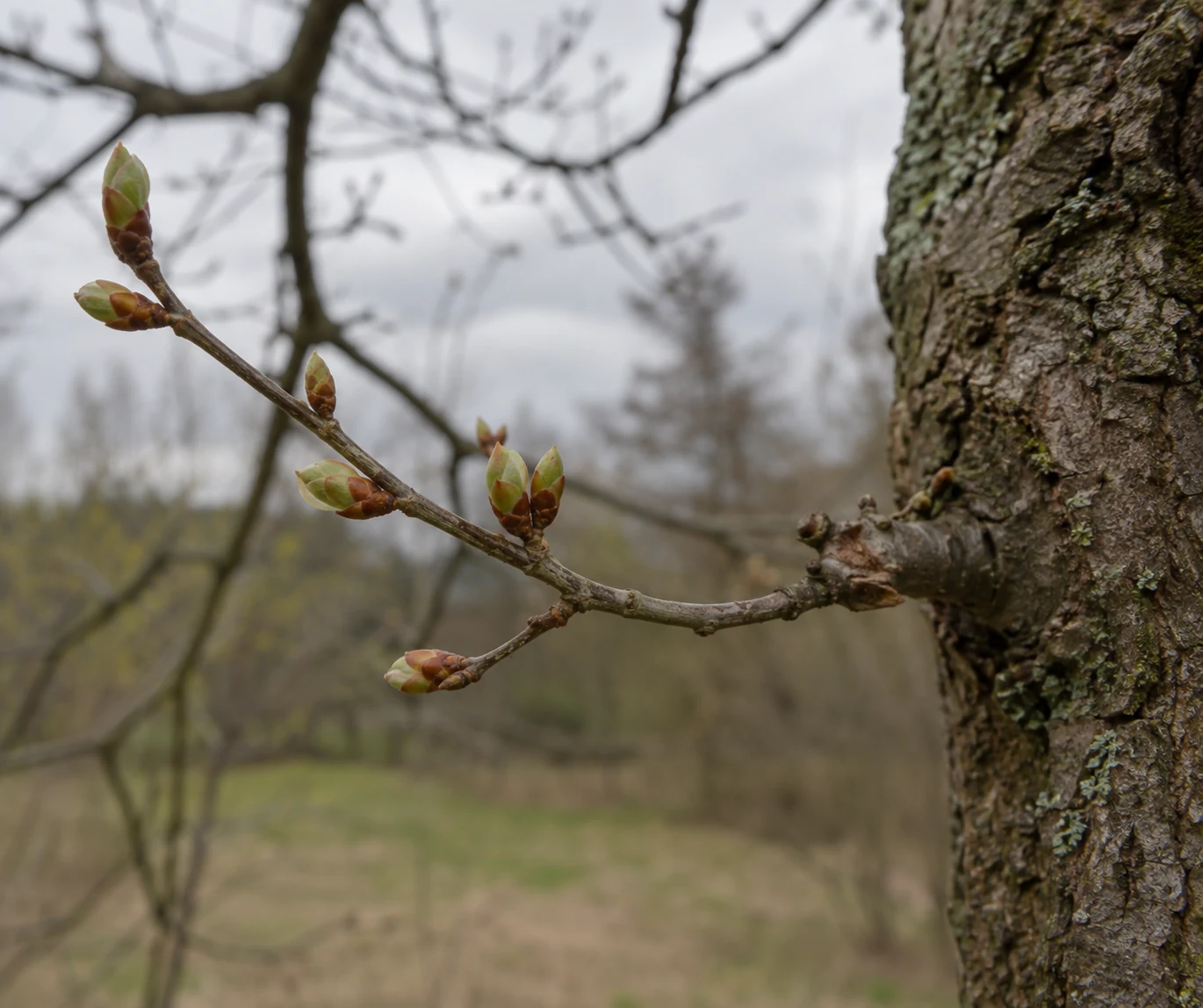
Instead, notice a change where you live: shifting daylight or weather, budding or flowering plants, ripening fruit, or migrating birds. These events do not happen on the same schedule everywhere; their timing responds to conditions including daylight, temperature, and rainfall. If a calendar date does not match what you observe, use the observed cue.
If you cannot go outside, you can notice the light through a window or think about a recent change in weather. A cue is an invitation to pause, not a test you have to pass.
Before an optional outdoor observation, check local rules, weather, and hazards; leave natural and cultural objects in place; keep your distance from wildlife; and take away anything you brought.
If conditions allow, spend a moment noticing one change without collecting anything. Bring that observation—not an object—into the reflection that follows.
Spring: Name What You Want to Begin
When you notice a locally meaningful sign of renewal or transition, pause. Ask yourself, What is one small thing I want to begin? Name your answer aloud or silently. Phrase it as an action within your control: “I will make time to call a friend” gives you something to do, while “My friendships will improve” depends on more than you alone.
Choose a short word or phrase to remember your intention. You might use “make time,” “try again,” or words of your own. Keep it in mind for the summer reflection. If you already have a suitable object at home, you may place it somewhere visible as a reminder. The practice works just as well without one.
Summer: Tend What You Began
At a locally noticeable shift toward longer light, warmth, or growth, recall the word or phrase you chose in spring. Ask yourself: What has helped me act on this intention? What has made it difficult? Answer plainly, without turning the check-in into a verdict on your progress.
Now name one manageable way to tend the intention. You might make the action smaller, give it a regular place in your week, or ask for help. If your circumstances have changed, you may change the intention rather than force the original one to fit. State your adjustment aloud or silently in a sentence beginning, “For now, I will…” Carry that choice into autumn.
Autumn: Decide What to Release
When you notice a local transition—perhaps cooler weather, shorter light, or fruit ripening—recall the adjustment you chose in summer. Name one part worth keeping, even if it seems modest. Then name one expectation you can set down: a pace that no longer fits, for example, or the idea that an unfinished intention is a failure.
Make the release a spoken or silent decision. You do not need to discard an object or leave anything outdoors. You might say, “I will keep making time for this, but I will let go of doing it perfectly.” Carry the part you kept into winter as a question: What about this deserves rest?
Winter: Make Room for Rest
During a locally recognizable quieter, colder, or lower-light period, revisit what you chose to keep in autumn. Ask what maintaining it currently demands of you. Choose one demand you can pause or simplify. You might do something less often, make a task easier, or allow yourself not to decide yet.
Sit briefly with that decision. There is nothing to complete or measure in the pause. Before you finish, name one question to bring to the next spring, such as What would I like to begin when I have more room? You do not need to answer it now.
Let the Cycle Remain Yours
When another sign of renewal arrives, your winter question can help you choose a new beginning. Your local cues and circumstances may change the timing; the sequence need not become a fixed schedule.
Adapt these reflections within your own tradition if that is meaningful to you. They are personal exercises, not rituals borrowed from another cultural calendar. Any place you visit can remain as you found it.