
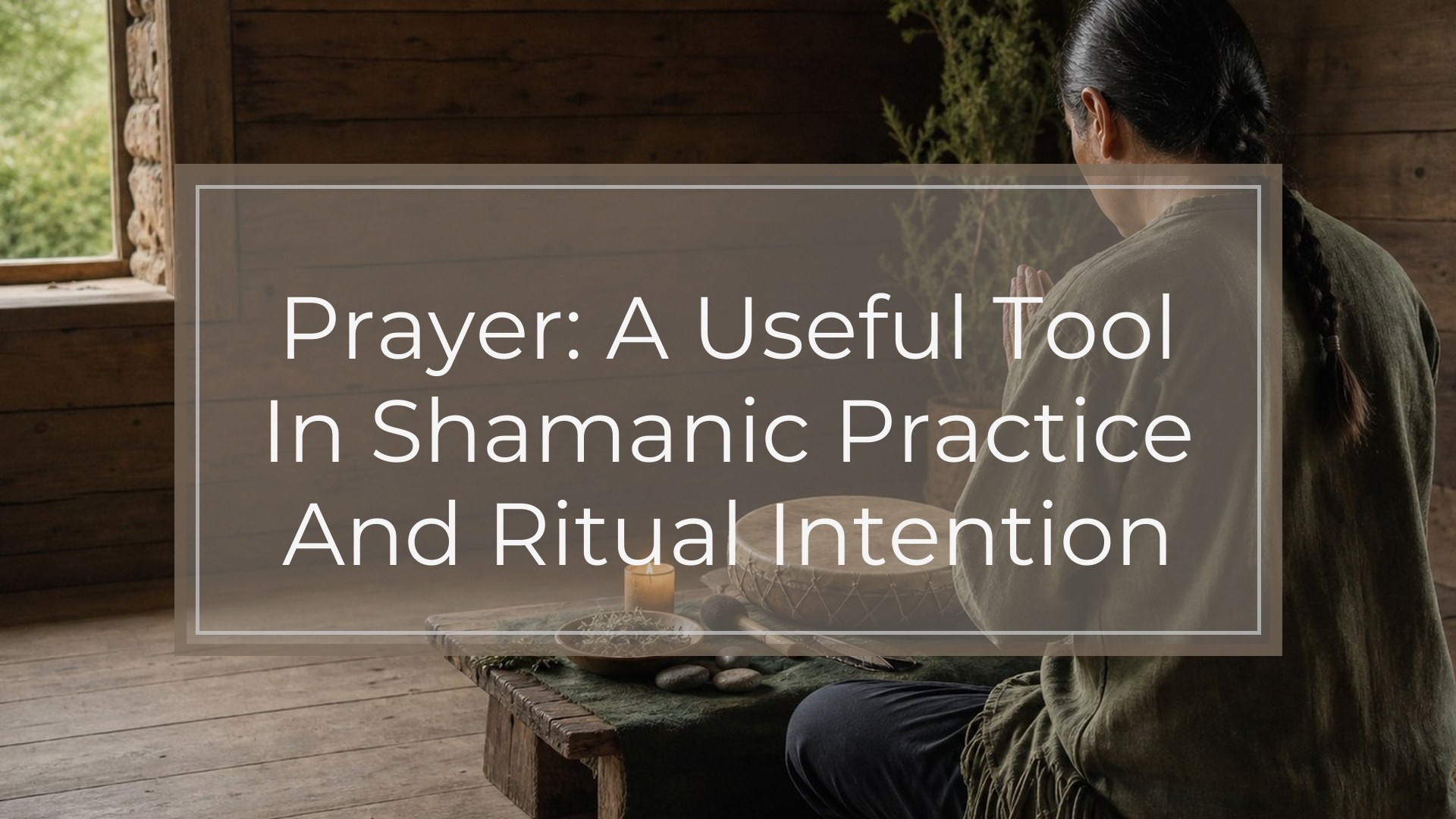
Prayer can be a useful tool in shamanic practice because it gives shape to intention, invites respectful relationship, and helps mark ritual time as sacred. In this context, prayer does not always mean asking a distant deity for help. It may be understood as intentional communication with spirits, ancestors, land, elements, helping guides, or the sacred presence within life.
Some effects of prayer are observable: it focuses attention, slows the body, clarifies purpose, and creates a meaningful ritual container. Other meanings are spiritual interpretations: many practitioners believe prayer opens communication, strengthens relationship, or invites guidance. These claims are best held with humility rather than certainty. Prayer is not a guarantee of outcomes, but it can be a grounded way to practice reverence, listening, and care.
What Prayer Means in Shamanic Practice
In shamanic practice, prayer is intentional, sacred communication. It may be spoken aloud, sung, whispered, held silently, breathed, danced, drummed, or expressed through an offering. Rather than being limited to formal worship, prayer often functions as a bridge between the human world and the unseen or more-than-human world.
Depending on the tradition or practitioner, prayer may be directed toward ancestors, helping spirits, animal guides, elemental forces, deities, the land, or the Great Mystery. In some contexts, it is a request for protection or healing. In others, it is gratitude, praise, apology, remembrance, or simple presence.
Because shamanic traditions vary widely, there is no single universal form of prayer. The shared thread is intention joined with respect.
Why Prayer Can Be a Useful Tool

Prayer is useful in shamanic practice partly because it organizes attention. Before a ritual, journey, offering, or healing ceremony, prayer can help the practitioner clarify why they are entering sacred work. This reduces scattered energy and supports a more focused state of mind.
Prayer also creates a threshold. Ordinary activity becomes ritual activity when approached with reverence, rhythm, and intention. Speaking a prayer before lighting a candle, making an offering, or beginning drum work can help signal that the practice is not casual or purely personal.
Spiritually, many practitioners understand prayer as a way of inviting guidance, protection, or blessing. These experiences cannot be proven in a universal way, so they are best described as meaningful within the practitioner’s worldview. Prayer’s value lies in both its practical grounding and its sacred significance.
Prayer, Intention, and Relationship
Many shamanic and animist traditions view the world as alive with relationship. Humans are not separate from nature, ancestors, spirits, animals, plants, stones, waters, or winds. Within this worldview, prayer is less about commanding forces and more about entering respectful conversation.
This makes prayer different from trying to control an outcome. A practitioner may pray for healing, clarity, or protection, but the deeper movement is relational: “I am here. I am listening. I ask with respect. I give thanks.”
Prayer also reminds the practitioner that ritual is not only about personal desire. It can include responsibility, reciprocity, and humility. When prayer is rooted in relationship, it becomes an act of respect rather than a demand.
Examples of Shamanic Prayer in Practice
Examples can help, but they should not be treated as universal scripts. A prayer before journeying might ask for clear guidance, protection, and the presence of compassionate helping spirits. A prayer before healing work might ask that only what serves balance and wellbeing be allowed.
At an ancestor altar, a person might greet their well and loving ancestors, offer water, and say: “May this offering be received with respect. May I remember rightly. May I walk with wisdom.” A land-based prayer might thank the place where one lives and ask permission before gathering herbs, stones, or water.
A practitioner may also pray after ritual, not only before it. Closing prayers often express gratitude and release: thanking spirits, ancestors, and elements, then asking that the ritual space be gently closed. These examples are adaptable and should be shaped by lineage, culture, conscience, and lived relationship.
Spoken Words, Silence, Song, and Offerings
Prayer does not have to be eloquent. In many home rituals, a sincere sentence is enough. Silence can also be prayer when it is attentive and reverent. Song, humming, breath, drumming, and movement may carry prayer beyond ordinary language.
Offerings are another form of prayer. Water placed on an ancestor altar, a candle lit with care, flowers given to the dead, or food offered with gratitude can all become prayerful acts. The meaning comes from attention, respect, and relationship, not from performance or complexity.
Common Misconceptions About Prayer in Shamanic Practice
One misconception is that prayer must follow a fixed religious formula. While some traditions do preserve specific prayers, many shamanic contexts include spontaneous, poetic, or action-based prayer.
Another misconception is that prayer is only for asking. Prayer may include requests, but it can also be gratitude, listening, honoring, grieving, blessing, or apologizing.
A third misunderstanding is that prayer guarantees spiritual results. A respectful view avoids certainty. Many practitioners find prayer powerful, but it should not be presented as a mechanical tool that forces spirits, ancestors, or life events to obey.
Finally, prayer is sometimes confused with cultural borrowing. Using words, songs, or ceremonies from a tradition without permission can be disrespectful. Respectful prayer does not require imitation; it can arise from honest relationship and ethical practice.
How to Approach Shamanic Prayer Respectfully
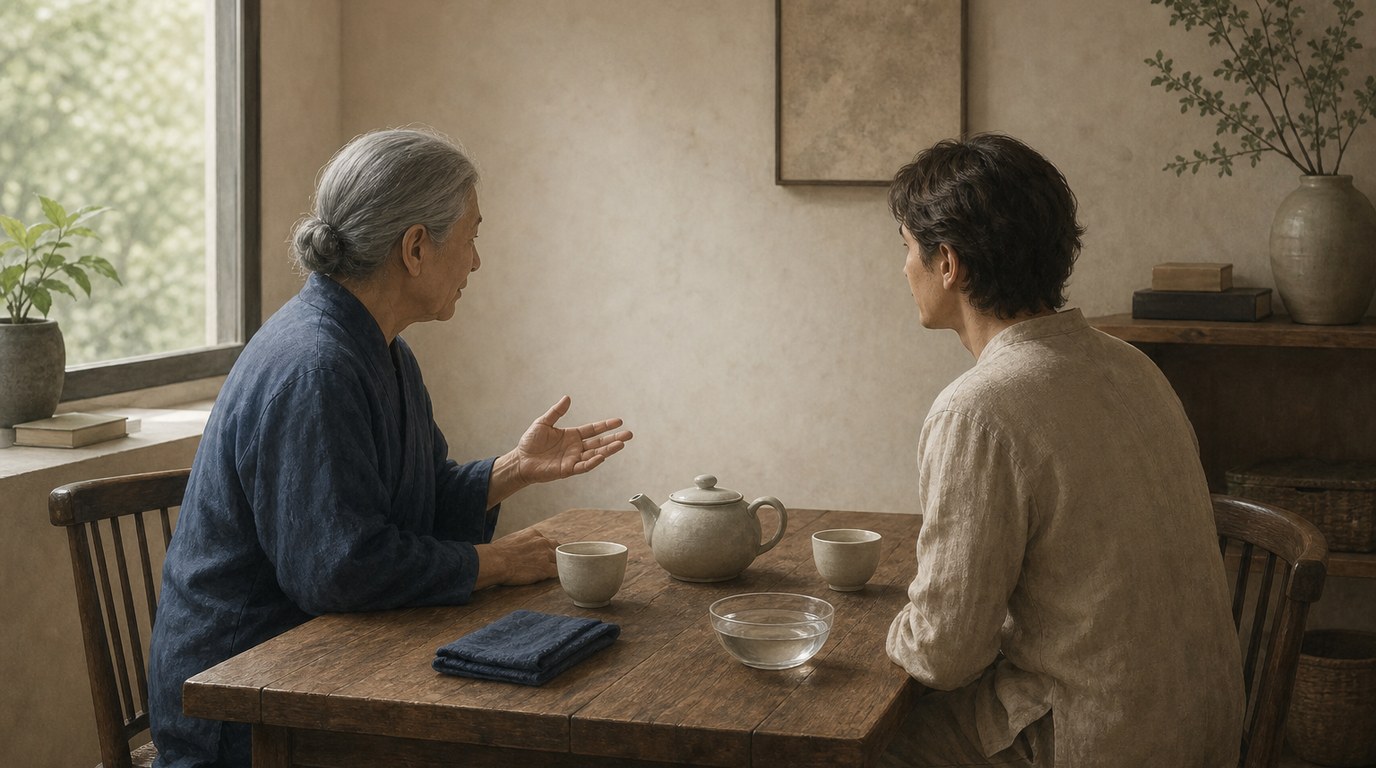
Begin with humility. If you are practicing within a specific lineage, follow the guidance of qualified teachers and community elders. If you are not, avoid copying closed ceremonies, sacred songs, or language that does not belong to you.
Use plain words. Speak from your actual relationship with your ancestors, home, land, and helping powers as you understand them. Ask rather than command. Offer thanks before asking for assistance.
Respect also includes discernment. Not every impulse needs to become a ritual. Take time to listen, reflect, and notice whether your prayer leads to greater responsibility, kindness, and balance in daily life.
A Simple Prayer Structure for Home Ritual
A simple home ritual prayer can follow four movements.
First, arrive: breathe, light a candle, or place your hand on your heart. Second, greet: acknowledge ancestors, spirits, land, or the sacred in words that feel respectful. Third, speak the purpose: ask, thank, remember, or seek guidance. Fourth, close: offer gratitude and release the ritual space.
For example: “I come with respect. I greet my well and loving ancestors. I offer this water in remembrance. Please guide me toward wisdom and right action. Thank you. May this space be closed in peace.”
Conclusion: Prayer as Focus, Relationship, and Reverence
Prayer is a useful tool in shamanic practice because it brings intention into form. It focuses the mind, opens a ritual container, and supports a respectful relationship with ancestors, spirits, land, and the sacred.
Its power should not be overstated as a guaranteed result. Prayer is better understood as reverent communication: a way of asking, thanking, listening, and remembering that ritual is rooted in relationship.
FAQ
Is Prayer Necessary in Shamanic Practice?
Prayer is not always necessary, because shamanic practices vary widely by culture, lineage, and practitioner. However, many people find prayer helpful because it clarifies intention, creates sacred focus, and supports respectful relationship before, during, or after ritual work.
Who Do Shamanic Practitioners Pray to?
Practitioners may pray to ancestors, helping spirits, animal guides, elemental forces, deities, the land, or the sacred mystery of life. This depends on the tradition and personal practice. It is best not to assume all shamanic practitioners address the same beings.
Can I Write My Own Shamanic Prayer?
Yes, you can write your own prayer, especially for personal home ritual or ancestor altar practice. Use sincere, respectful language. Avoid copying closed cultural prayers or sacred songs without permission. A simple prayer of greeting, gratitude, request, and closing is often enough.
What Is the Difference Between Prayer and Intention Setting?
Intention setting clarifies purpose. Prayer may include intention, but it also addresses relationship with the sacred, ancestors, spirits, or land. In practice, they can overlap. The difference is that prayer is often relational, while intention setting may be more internally focused.
Can Prayer Be Used at an Ancestor Altar?
Yes. Prayer is well suited to ancestor altar practice. You might pray while offering water, lighting a candle, placing flowers, or speaking names. The prayer can express remembrance, gratitude, requests for guidance, or care for the relationship between the living and the dead.