
The New Moon in Cancer is a strong time to imagine radical care: care that is tender, practical, protective, and rooted in home, lineage, and emotional truth. This ritual helps you set intentions for nurturing yourself and others without abandoning your own needs. You will prepare a small sacred space, invite ancestral support if that is part of your practice, work with water as a symbol of feeling and renewal, and name one concrete care commitment for the lunar cycle ahead. Keep the ritual simple, honest, and safe. The goal is not perfection; it is emotional clarity, grounded devotion, and a doable next step.
What You Need Before You Start
Choose a quiet place where you can sit undisturbed for 20 to 40 minutes. This may be your ancestor altar, a bedside table, a kitchen counter, or a clean cloth on the floor. If you already keep an ancestor altar, refresh it before beginning: remove old offerings, wipe the surface, straighten photographs or names, and make the space feel attended.
Gather these items:
- A bowl or glass of clean water
- A white, silver, or blue candle, if safe to burn
- Matches or a lighter
- A small offering, such as fruit, bread, rice, tea, coffee, flowers, or cool water
- Paper and pen
- A cloth, plate, or tray to define the ritual space
- Optional: shell, moonstone, family photograph, written ancestor names, or a protective object
If you cannot use fire, use an LED candle or simply place your hands around the bowl of water. If ancestor work feels complicated because of grief, estrangement, adoption, or unknown lineage, you may call on “well and wise ancestors,” spiritual guides, chosen family dead, or benevolent protectors instead of naming specific people.
Before you begin, decide what “care” needs attention. Pick one focus: rest, emotional honesty, home repair, food stability, boundaries, grief tending, family healing, or support for caregivers. A Cancer New Moon ritual can become overwhelming if you try to heal everything at once. Keep your intention narrow enough to practice.
Step 1
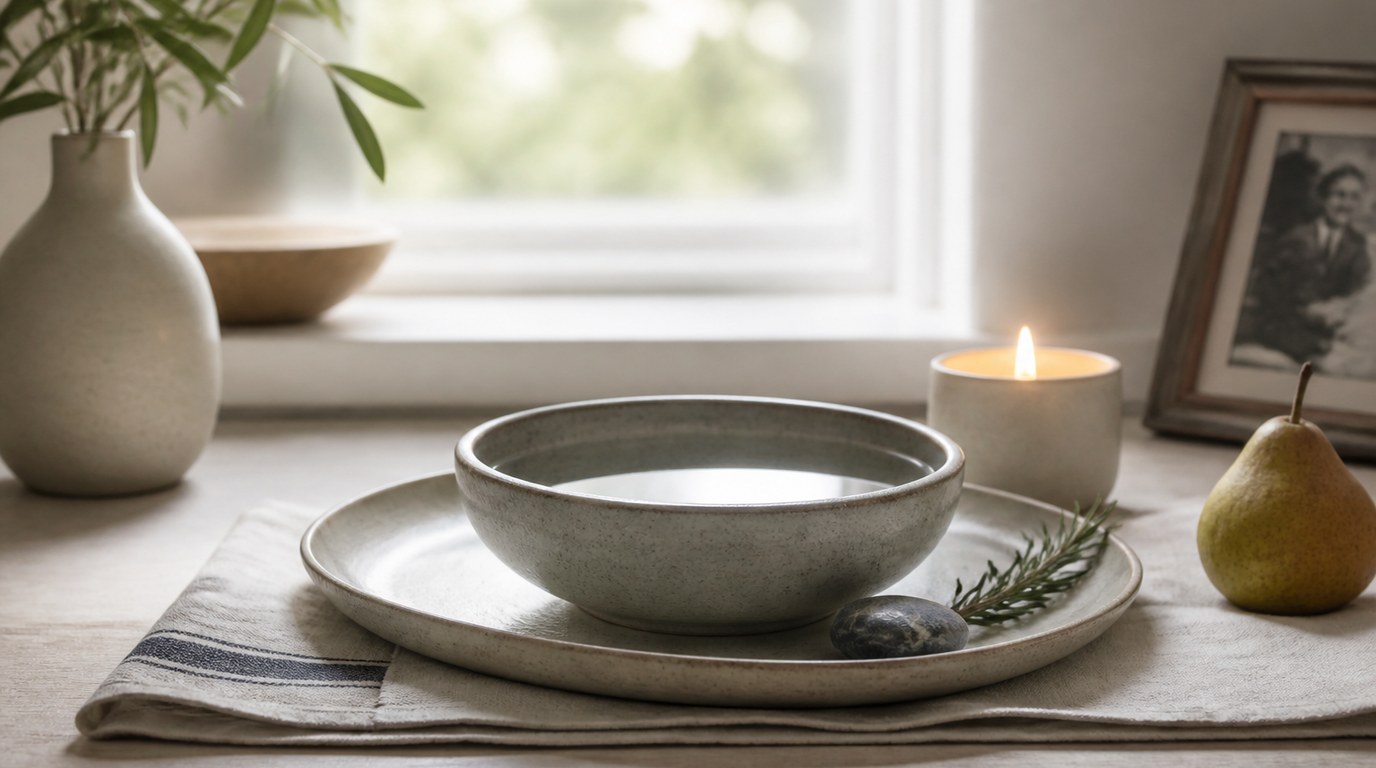
Clean and claim the space. Start by washing your hands, then clearing the surface where you will work. Place the cloth, tray, or plate down first. Set the bowl of water in the center. Put the candle behind it or beside it. Arrange your offering with care. If you use ancestor photos, names, or symbols, place them where they feel honored but not crowded.
Take three slow breaths. With each exhale, let your shoulders soften. Say aloud, or silently:
“May this space be clean, protected, and held in care. May only what is wise, loving, and aligned with my well-being be welcome here.”
Light the candle if you are using one. If not, touch the bowl of water with both hands. Look at the water and name what you are bringing into the ritual. Be specific, but gentle. For example:
“I bring my exhaustion.”
“I bring my need for safer boundaries.”
“I bring my longing for home.”
“I bring the part of me that cares for everyone else first.”
Now invite support. If you practice ancestral veneration, say:
“Well and wise ancestors, those who love me beyond harm, I welcome your blessing, protection, and guidance. Sit with me as I remember how to care for myself and my people with dignity.”
If you do not work with ancestors, adapt the words:
“May the loving forces that protect life, healing, and truth be present with me now.”
Pause for a full minute. Notice sensations rather than forcing a sign. Warmth, tears, quiet, discomfort, or nothing obvious can all be normal. Your task is simply to arrive.
Write one sentence beginning with: “At this New Moon, I am ready to care for…” Finish it plainly. Do not make it impressive. Make it true.
Step 2
Hold the paper in both hands and read your sentence aloud three times. The first time, read it as confession. The second time, read it as a request for support. The third time, read it as a commitment.
Place the paper under the bowl of water or beside it. Then speak one practical action that will embody this intention during the next two weeks. Cancer energy is emotional, but the ritual should land in real life. Choose something measurable:
- “I will cook one nourishing meal at home this week.”
- “I will ask for help before I reach resentment.”
- “I will turn my phone off by 9 p.m. three nights this week.”
- “I will clean one neglected corner of my home.”
- “I will stop explaining a boundary after I have stated it clearly.”
Now place your hands over your heart or belly. Imagine the dark moon as a quiet room inside you. In that room, you do not have to perform. You do not have to earn tenderness. Let the water on the altar represent the care you are willing to receive, not only the care you give.
Offer a simple prayer:
“May care become structure. May tenderness become practice. May my home, body, and spirit know safety. May I be guided away from overgiving and toward love with roots.”
Caution: do not use this ritual to override serious needs. If your emotions point toward danger, abuse, medical distress, or mental health crisis, treat the ritual as support, not a substitute for practical help. Radical care includes calling someone, seeking professional support, leaving unsafe conditions when possible, and protecting your body.
Sit quietly for five minutes. If feelings rise, let them move without turning them into a story. If you cry, breathe. If you feel numb, breathe. When you are ready, thank the ancestors, guides, or sacred presence you invited. Leave the offering in place for a reasonable time, such as overnight or until the next morning.
How to Check the Result

A successful New Moon in Cancer ritual should leave you with more clarity, not more pressure. You may feel tender, calm, tired, emotional, or quietly focused. Do not judge the ritual by whether you felt a dramatic spiritual sign. Judge it by whether you can name your need and your next act of care more clearly than before.
Check the result with these questions:
- Did I name one real emotional need?
- Did I choose one practical care action?
- Did I feel invited into support rather than shame?
- Did the ritual space feel respectful and safe?
- Do I know what to do with the offering and water afterward?
If the answer is yes to most of these, the ritual worked. If you feel scattered, simplify. Rewrite your intention in one sentence. Reduce your action to something you can complete in 10 minutes. For example, “rest more” can become “lie down for 20 minutes after work on Tuesday.”
If the ritual brought up grief or family pain, close firmly. Say: “This ritual is complete. I return to the present. I am here, now.” Wash your hands, eat something grounding, and step outside or open a window.
For follow-through, place your written intention somewhere private but visible: under a candle, in a journal, or near your bed. Revisit it at the First Quarter Moon and Full Moon. The proof of the ritual is not mood alone; it is the small care you continue to practice.
FAQ
When Should I Do a New Moon in Cancer Ritual?
Do it on the day of the New Moon in Cancer, the night before, or within about 24 hours after. If timing is difficult, choose the nearest quiet evening. Spiritual consistency matters more than exact astrology, especially for home-based care and ancestor practice.
What Does Radical Care Mean in This Ritual?
Radical care means care that goes to the root. It is not only comfort; it is protection, boundaries, nourishment, rest, repair, and honest support. In this ritual, radical care asks what would actually help life become safer, softer, and more sustainable.
Can I Do This Ritual Without an Ancestor Altar?
Yes. Use a clean surface with water, a candle or light, and a written intention. You can invite well and wise ancestors, chosen beloved dead, guides, or simply sacred presence. The altar helps focus attention, but sincerity and respect matter most.
What Offerings Are Appropriate for a Cancer New Moon Ancestor Ritual?
Good offerings include fresh water, tea, coffee, milk, rice, bread, fruit, flowers, or a small home-cooked portion of food. Choose something clean and given with respect. Avoid offerings that feel careless, spoiled, or unsafe to leave out in your home.
What Should I Do with the Ritual Water Afterward?
The next day, thank the water and return it respectfully. Pour it at the base of a healthy plant, into the earth, or down the sink with gratitude. If the ritual felt heavy, pour it away from your doorstep and wash the bowl before using it again.