
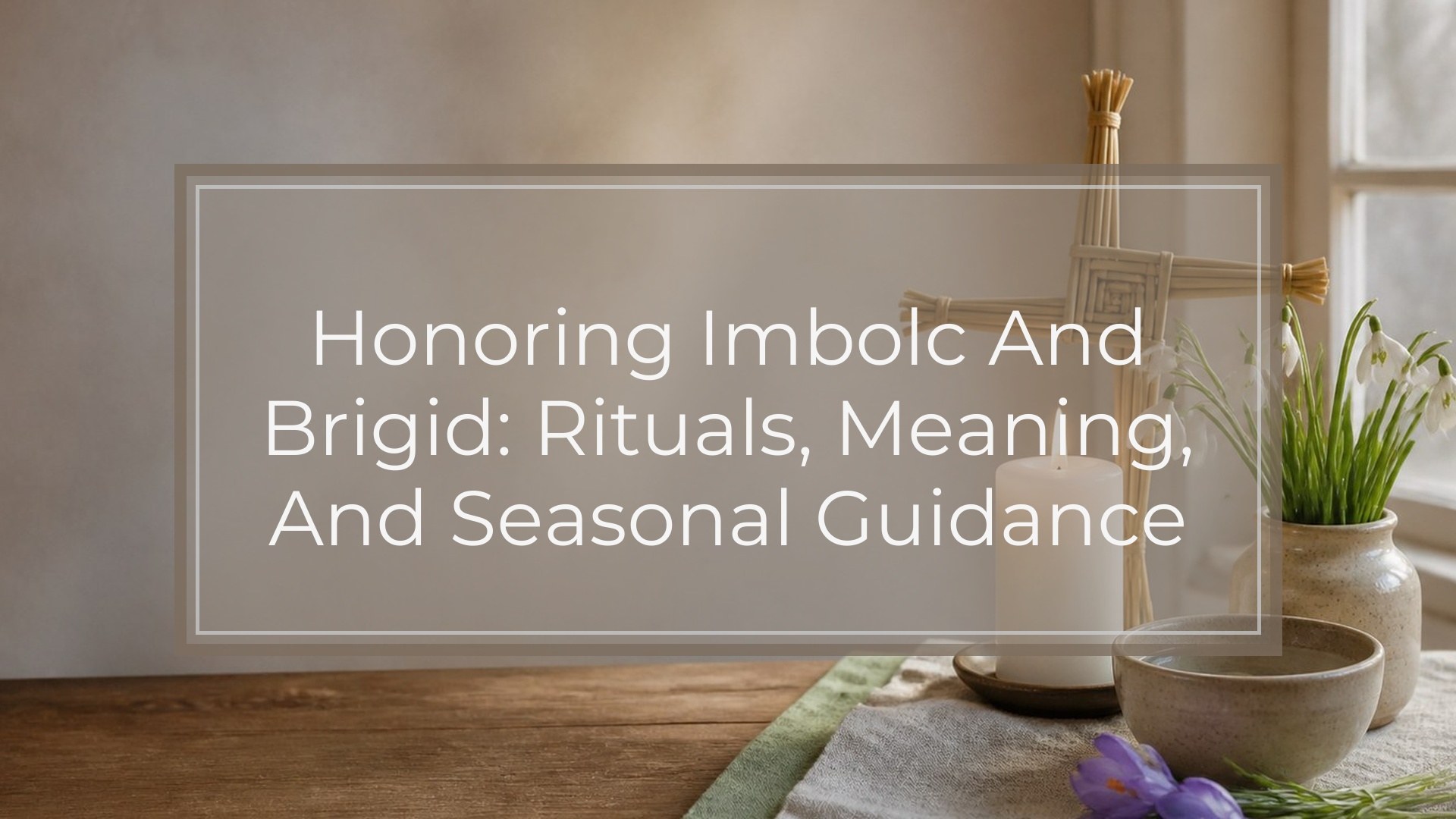
Honoring Imbolc and Brigid is a way to mark the first stirrings of spring while tending the inner flame of renewal. Imbolc is a seasonal threshold: winter is still present, but light is returning, seeds are beginning their hidden work, and the home becomes a place of preparation. Brigid, honored in many Celtic and modern pagan traditions, is associated with flame, healing, poetry, fertility, protection, smithcraft, midwifery, and blessing.
A meaningful practice does not need to be elaborate. A candle, clean water, simple food, a spoken prayer, and an honest intention can be enough. The heart of the observance is to welcome returning light, cleanse what has grown stagnant, and invite protection and creative life into the home.
Quick Answer
The main way to honor Imbolc and Brigid is to create a small ritual of light, cleansing, blessing, and renewal. This can be done at an ancestor altar, a seasonal altar, a hearth space, or any clean, quiet place in the home.
Begin by tidying the space. Imbolc has a strong feeling of purification, so physical cleaning matters: dust the altar, refresh water, remove old offerings, and open a window if weather allows. Then light a candle for Brigid or for the returning sun. Speak a simple invocation, such as: “Brigid of flame, healing, poetry, and protection, bless this home and kindle what is ready to grow.”
Traditional and modern offerings may include milk, butter, bread, oats, honey, fresh water, flowers, poetry, a handmade Brigid’s cross, or a candle flame tended with care. If you work with ancestors, you might also offer warmth, light, and gratitude to those who endured winter before you.
Imbolc is especially suited to rituals for household blessing, creative renewal, healing intentions, spiritual cleansing, and preparation for spring. The practice can be devotional to Brigid, nature-based without deity focus, ancestor-centered, or a blend of these, depending on your tradition and comfort.
How to Think About This Topic
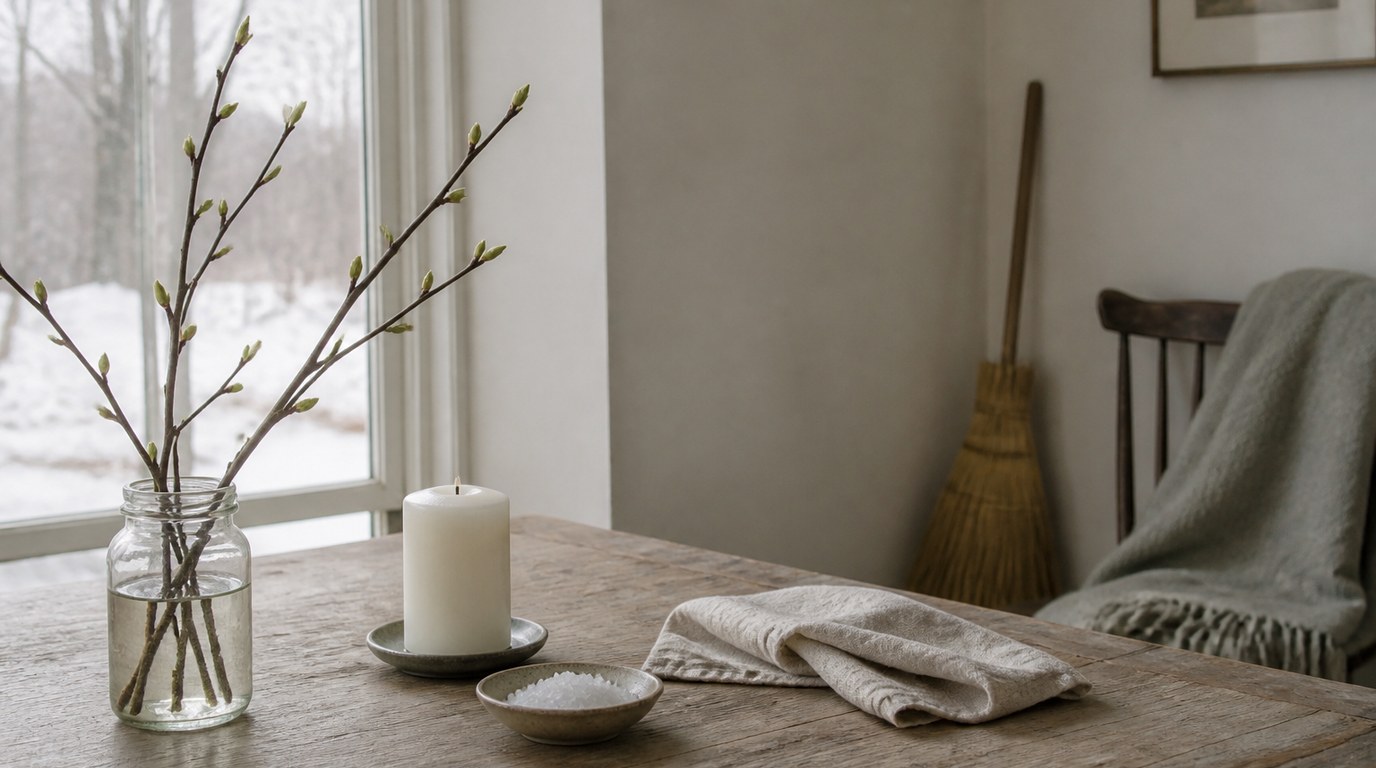
A helpful mental model for honoring Imbolc and Brigid is to see the season as a threshold between rest and emergence. It is not yet the full bloom of spring. It is the first promise of it. The work of Imbolc is subtle: cleaning, blessing, listening, preparing, and protecting the fragile new life that has not fully appeared.
Brigid fits this threshold beautifully because her symbolism holds both tenderness and power. Her flame is not only dramatic fire; it is the lamp kept through darkness, the hearth that warms the household, the spark of poetry, the forge that shapes useful tools, and the healing heat that supports recovery. When people honor Brigid at Imbolc, they often call on these qualities: inspiration, resilience, protection, fertility in the broad sense, and the courage to begin again.
This is why the most meaningful Imbolc rituals are often modest. A candle on a clean altar may express the whole mystery: light returning after winter. A bowl of water may speak to healing, purification, and the thaw. A small dish of oats or bread may honor nourishment and survival. A poem or song may be as valid an offering as food, because Brigid’s presence is closely tied to the inspired word.
For ancestor altar practice, Imbolc can be understood as a time to ask: What needs to be warmed back to life in the family line? What blessings should be carried forward? What burdens need cleansing before the year opens further? Ancestors may be honored not only as the dead, but as those whose endurance made your present life possible.
It is also important to approach Brigid respectfully. Some people honor her as a goddess; others understand her through Saint Brigid; some work within Celtic pagan reconstructionist, folk Catholic, witchcraft, or eclectic spiritual frameworks. You do not need to flatten these traditions into one meaning. Instead, be clear about your own approach, avoid claiming authority you do not have, and let your ritual be sincere, humble, and specific.
Practical Guidance
To create an Imbolc and Brigid ritual at home, start with the purpose. Choose one clear focus: blessing the home, welcoming light, healing, creative renewal, ancestor remembrance, or protection. A focused ritual is usually stronger than one that tries to do everything.
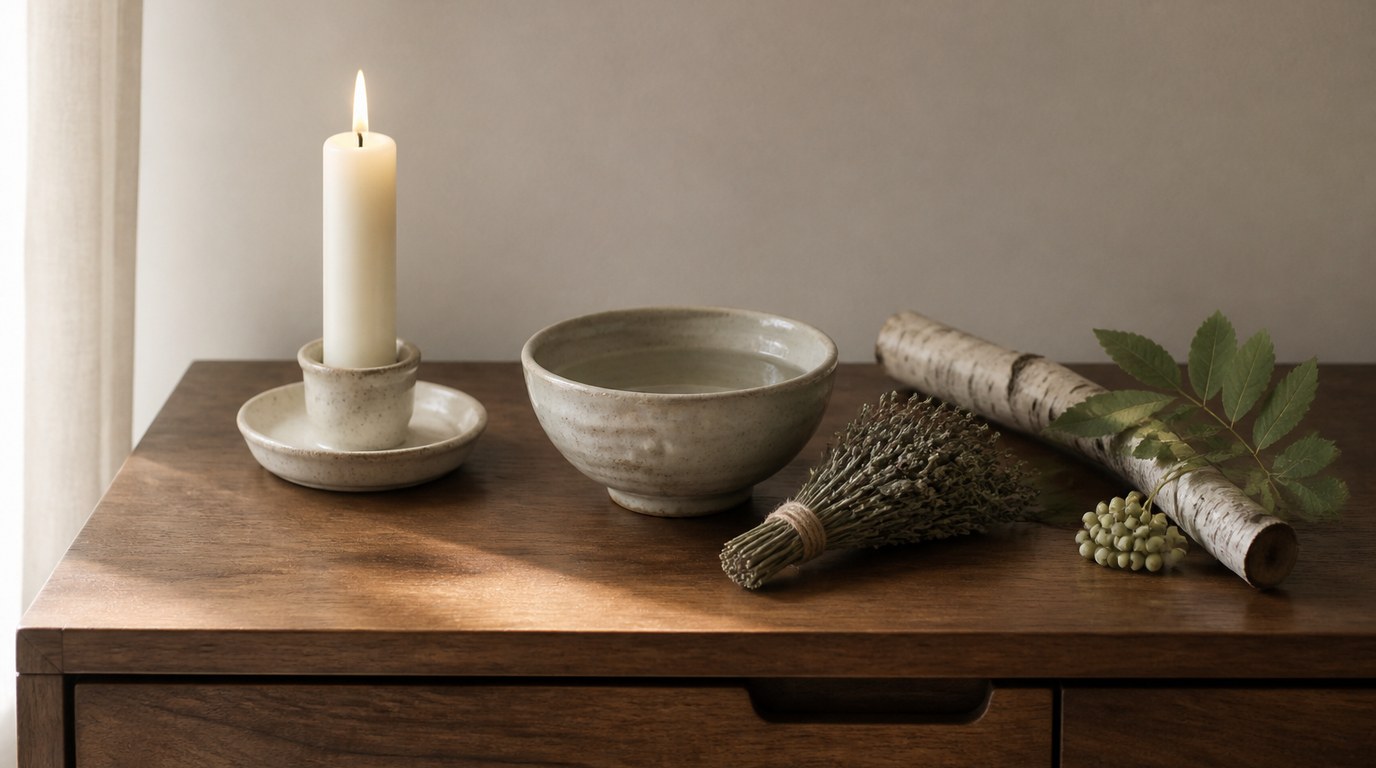
For a simple altar, use a white cloth or clean surface, one candle, a bowl of fresh water, and one offering. Add symbols only if they are meaningful to you: a Brigid’s cross, sheep or lamb imagery, early spring flowers, seeds, a small anvil or tool for craft, written poetry, or a family object if working at an ancestor altar. White, gold, red, and green are common color choices, but cleanliness and intention matter more than aesthetics.
A basic ritual structure can look like this:
- Cleanse the space. Wipe the altar, wash your hands, and take a few steady breaths.
- Light the candle. Name it as a flame of Brigid, returning light, or sacred renewal.
- Make an offering. Place milk, oats, bread, honey, water, or a poem on the altar.
- Speak your intention. Ask for blessing, healing, protection, or inspiration.
- Sit in silence. Notice what feels ready to grow and what still needs rest.
- Close with thanks. Extinguish the candle safely or let it burn only while attended.
If honoring Brigid directly, your prayer can be plain: “Brigid, keeper of flame and well, bless this home. Guard the threshold, heal what is tender, and kindle inspiration in the days ahead.” If you prefer a nature-based practice, say: “At this turning of Imbolc, I welcome the returning light. May my home be cleansed, my spirit strengthened, and my next steps made clear.”
At an ancestor altar, adapt the rite by including ancestral names, photos, or heirlooms. You might say: “Beloved dead, those known and unknown, I offer you warmth and light at this seasonal threshold. May your wisdom guide what is being renewed in this home.” This keeps the ritual rooted in veneration rather than making ancestors secondary decoration.
Offerings should be handled respectfully. Leave food or drink for a reasonable period, then compost it, place it outside where appropriate and safe, or dispose of it with thanks. Do not leave dairy or bread where it will harm animals or create mess. If you cannot burn candles, use an electric candle, a lamp, or a golden cloth as a symbol of flame.
You can also mark Imbolc through action. Clean one neglected corner. Begin a creative project. Mend clothing. Make soup or bread. Write a blessing for your front door. Donate to a shelter, clinic, animal rescue, or mutual aid effort in Brigid’s name. Seasonal ritual becomes stronger when the symbolic act and the practical act support each other.
FAQ
When Is Imbolc Celebrated?
Imbolc is commonly celebrated on February 1 or February 2 in the Northern Hemisphere, though some people time it by local seasonal signs, the midpoint between winter solstice and spring equinox, or personal tradition. In the Southern Hemisphere, many practitioners shift it to early August.
Do I Have to Honor Brigid to Celebrate Imbolc?
No. Imbolc can be celebrated as a seasonal festival of returning light, purification, and early spring without deity devotion. Brigid is deeply associated with the season, but you may honor the land, ancestors, household spirits, or simply the turning of the year.
What Is the Simplest Offering for Brigid?
A candle flame and fresh water are among the simplest offerings. You can add a few spoken words, a short poem, milk, bread, oats, honey, or a handmade Brigid’s cross. Sincerity, cleanliness, and respectful attention matter more than expensive or complicated offerings.
Can I Celebrate Imbolc at an Ancestor Altar?
Yes. An ancestor altar is a fitting place to mark Imbolc, especially if your focus is household blessing, family healing, protection, and renewal. Refresh the altar, offer light and water, speak to your beloved dead, and ask what should be cleansed or rekindled in the family line.