
Lughnasadh marks the beginning of harvest season: the moment when the first fruits, grains, skills, and efforts begin to show what they have become. To honor Lughnasadh, prepare a small altar with seasonal food, a candle, water, and symbols of your work or gifts. Clean the space, welcome your ancestors and helping spirits, name what is ripening in your life, and make a simple offering of gratitude. Then share food, speak honestly about the gifts you carry, and close the ritual with care. This does not need to be elaborate. A respectful Lughnasadh ritual can be done at a kitchen table, ancestor altar, windowsill, or outdoor place where you can pause and recognize what is ready to be honored.
What Lughnasadh Honors at the First Harvest
Lughnasadh is a seasonal festival of the first harvest, often associated with grain, bread, fruit, sacrifice, skill, and community. It arrives when summer’s growth begins turning into nourishment. Spiritually, it asks: What has matured? What has your labor produced? What must be shared, preserved, or released?
For ancestor altar practice, Lughnasadh is a powerful time to thank those who came before you for survival, craft, foodways, resilience, and inherited gifts. It is also a time to recognize your own offerings to the living world: your work, care, creativity, courage, and service.
Before You Begin: Choose Your Focus for This Lughnasadh
Before gathering supplies, choose one clear focus. This keeps the ritual grounded instead of vague.
You might focus on gratitude for a specific success, honoring a family skill, asking blessing over your work, or accepting a gift you have been minimizing. Write one sentence such as: “This Lughnasadh, I honor the harvest of my patience and the ancestors who taught endurance.”
If you feel depleted, your focus can be honest: “I honor the small harvest that kept me alive.”
Gather Your Lughnasadh Altar Supplies
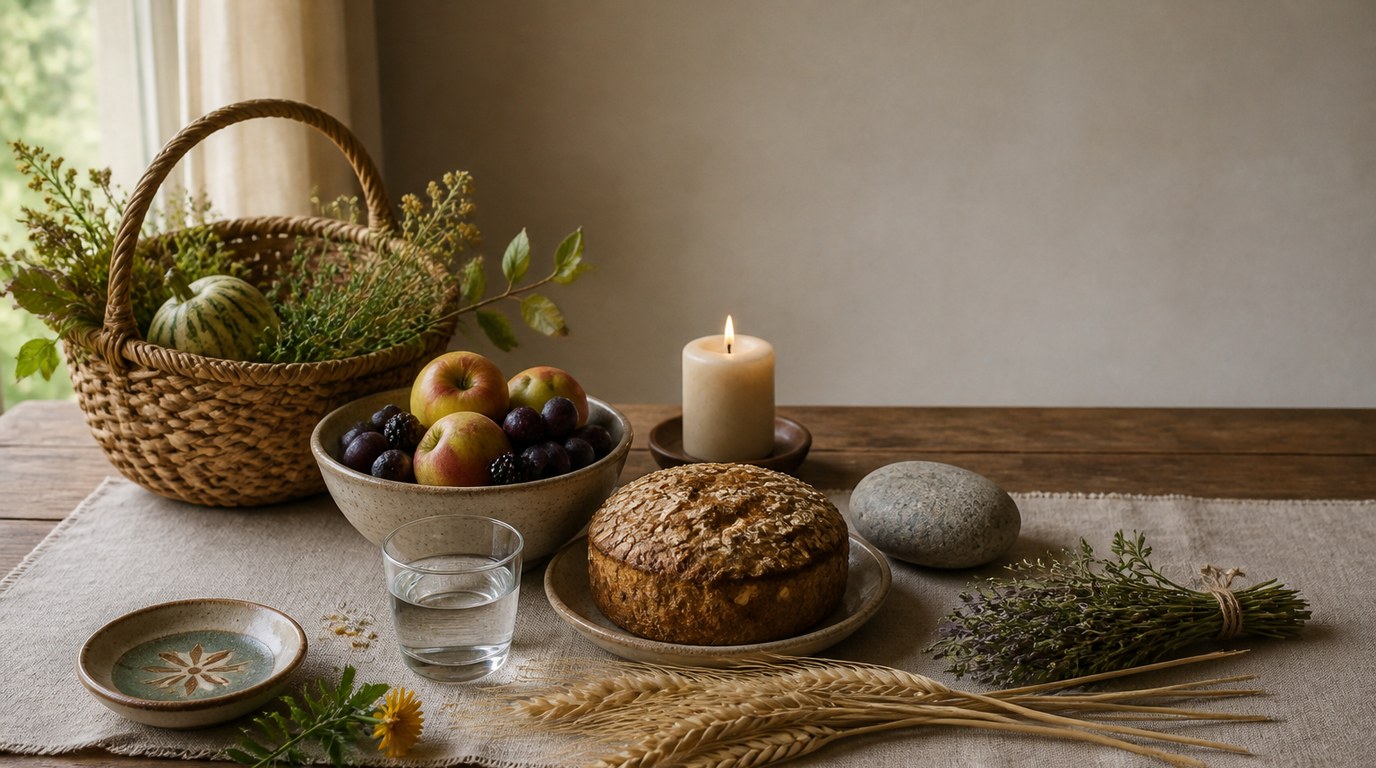
You do not need rare or expensive items. Use what is local, safe, and meaningful.
Helpful supplies include:
- A clean cloth, plate, or tray for the altar
- A candle or small lamp
- A bowl or glass of fresh water
- Bread, oats, corn, berries, apples, herbs, honey, or seasonal produce
- A photo, name paper, or object for ancestors
- A symbol of your gift: pen, tool, instrument, recipe card, thread, business card, seed, or artwork
- A small cup or dish for offerings
- Matches, a journal, and a way to clean up afterward
If you cannot burn candles, use an electric candle. If food offerings are not possible, offer water, song, prayer, or service.
Step 1: Clean and Set the Space
Begin by physically cleaning the altar surface. Wipe away dust, remove old offerings, and clear clutter. This is not only aesthetic; it signals respect and readiness.
Wash your hands. Take three slow breaths. If you use smoke, sound, or prayer for cleansing, do so gently. Avoid heavy smoke around children, pets, asthma, or shared housing.
Say: “This space is made clean for gratitude, remembrance, and right relationship.”
Let the room become quieter before you continue.
Step 2: Build a First-harvest Altar
Place your cloth, tray, or plate first. Add water near the center as a sign of life and welcome. Set the candle where it is stable and safe. Arrange seasonal food in a way that feels abundant but not wasteful.
Add ancestor items respectfully: photos, names, heirlooms, or written family lines. If your ancestor relationships are complicated, you may honor only the well and wise dead, chosen ancestors, or unnamed benevolent ones.
Finally, place the symbol of your gift on the altar. Let it be visible. Lughnasadh is not only about crops; it is also about what your life has grown.
Step 3: Welcome Ancestors, Land, and Helping Spirits
Light the candle or turn on the lamp. Stand or sit with both feet steady.
Speak plainly:
“I welcome the well and wise ancestors, the beloved dead, the land that holds me, and the helping spirits who come in peace and truth. Be present only for blessing, guidance, and right relationship.”
Pause. You may feel warmth, emotion, memory, or nothing obvious. Do not force a sign. Respectful welcome is enough.
If you know the original or traditional stewards of the land where you live, acknowledge them with humility. Keep this acknowledgment sincere, not performative.
Step 4: Name the Harvest Already Present
Now name what has already come into form. Say it aloud or write it down.
Examples:
- “I completed work I was afraid to begin.”
- “I kept showing up for my family.”
- “I learned to rest before breaking.”
- “I made food, art, money, shelter, friendship, or healing.”
- “I survived a hard season.”
Do not limit harvest to public achievement. First harvest can be small, private, and still sacred. The purpose is to witness what effort, grace, support, and time have made real.
Step 5: Honor Your Gifts Without Shrinking from Them
Many people can thank others but struggle to honor their own gifts. Lughnasadh asks for a more truthful humility: not pretending you are less than you are, and not claiming more than you can carry.
Hold or touch the symbol of your gift. Name the gift directly: “I honor my gift of teaching,” “I honor my cooking,” “I honor my persistence,” “I honor my ability to listen.”
Then name how the gift should serve: “May this gift feed life, not ego. May it be strengthened, protected, and used well.”
If shame or discomfort rises, breathe through it. You are not boasting. You are accepting responsibility for what has been entrusted to you.
Step 6: Make a Simple Offering
Offer a small portion of bread, fruit, grain, honey, tea, or water. Place it in the offering dish and say what it is for.
For example: “I offer this bread in gratitude for the first harvest, for my ancestors, for the land, and for the gifts that continue to ripen.”
Use only food that is safe to leave briefly and safe to dispose of later. Do not leave chocolate, alcohol, salt-heavy foods, or harmful items outdoors where animals may eat them. Never pour alcohol on plants unless you know it is appropriate and minimal.
Step 7: Share Food and Seal the Ritual
Eat a small piece of the same kind of food you offered, or share a simple meal afterward. This completes the exchange: you give, receive, and remember that harvest is meant to nourish.
Thank those you welcomed: “Ancestors, land, and helping spirits, thank you for your presence and blessing. Go in peace as you need to, stay in peace as you are welcome.”
Blow out the candle or turn off the lamp. Touch the altar once, then touch your heart. Let the ritual end clearly.
How to Know Your Lughnasadh Ritual Is Complete
Your ritual is complete when three things have happened: you have given thanks, named a real harvest, and closed the space respectfully.
You may feel calm, emotional, focused, or simply finished. Any of these can be valid. A successful ritual does not require visions, perfect words, or dramatic signs. Check the practical details too: candle out, offerings handled safely, food covered or removed, and the altar left orderly.
If you know your next small action, the ritual has done its work.
Common Mistakes and Troubleshooting
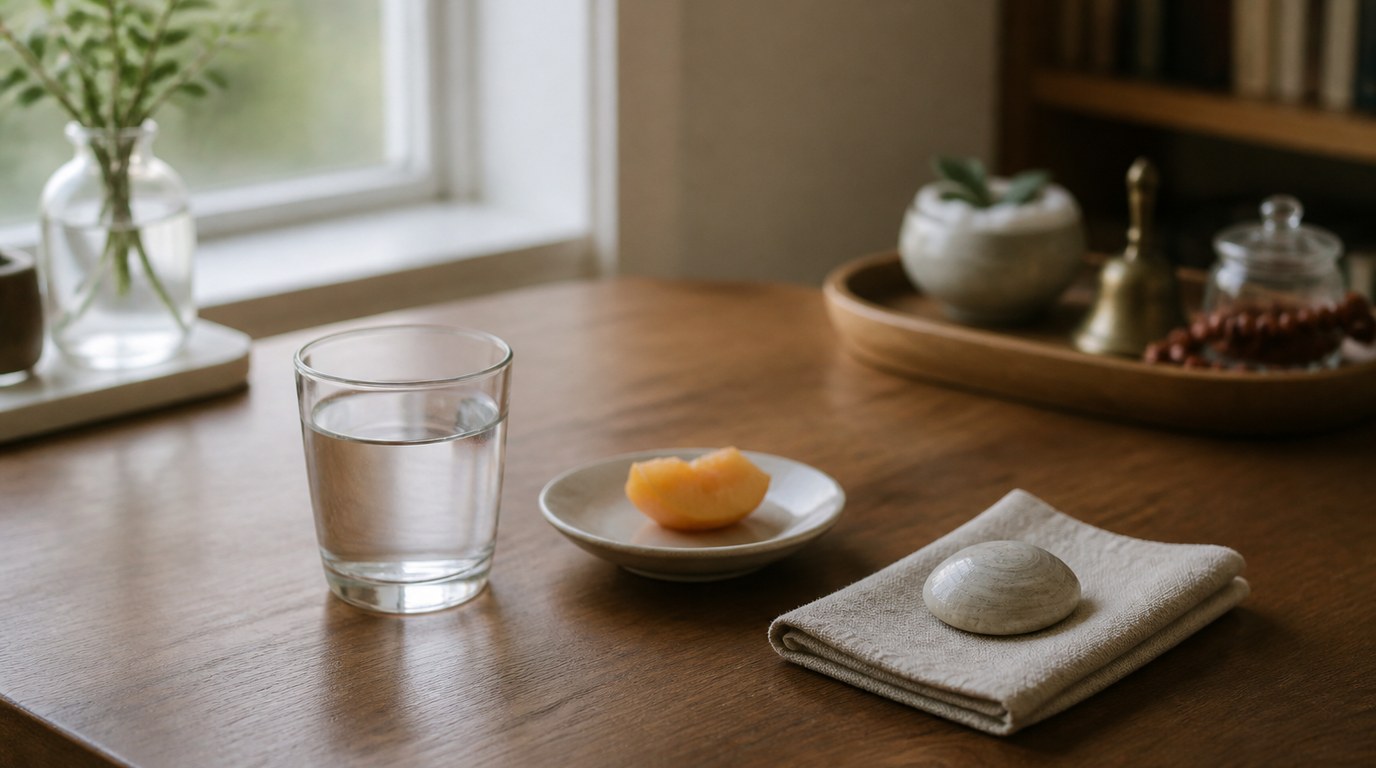
One common mistake is making the ritual too complicated. If you are overwhelmed, reduce it to water, one food offering, one ancestor name, and one sentence of gratitude.
Another mistake is forcing abundance language when life feels hard. Speak truthfully. “I have little, but I am still here” is a powerful harvest prayer.
Avoid unsafe offerings, unattended flames, and leaving food to rot indoors. If the ritual feels emotionally heavy, ground yourself by eating, drinking water, opening a window, or stepping outside.
If ancestor work feels unsafe, call only on the well, wise, healed, and benevolent dead—or focus on land, deity, saints, guides, or chosen lineage instead.
A Short Lughnasadh Prayer for Your Altar
First harvest, golden threshold,
I give thanks for what has ripened.
Ancestors well and wise,
receive my gratitude.
Land beneath me,
receive my respect.
Helping spirits of blessing,
witness what is ready.
May my gifts be honest.
May my work nourish life.
May what is unripe continue to grow.
May what is complete be shared with care.
For bread, breath, skill, and survival,
I give thanks.
Bless this harvest,
and teach me how to carry it well.
FAQ
When Should I Celebrate Lughnasadh?
Lughnasadh is often observed around August 1 in the Northern Hemisphere, though some people celebrate when local first harvest signs appear. You can also choose the nearest weekend, the full moon, or a day when you can prepare calmly and respectfully.
Can I Honor Lughnasadh If I Do Not Work with the God Lugh?
Yes. While Lughnasadh is traditionally associated with Lugh in some Pagan and Celtic-inspired practices, you can honor the season without deity work. Focus on first harvest, ancestors, land, gratitude, skill, food, and the gifts you are responsible for sharing.
What Should I Put on an Ancestor Altar for Lughnasadh?
Place fresh water, seasonal food, grains or bread, a candle or light, and ancestor photos or names if appropriate. Add something connected to inherited skills, such as a recipe, tool, craft item, seed, or family object. Keep the altar clean and offerings modest.
How Do I Dispose of Lughnasadh Offerings?
Remove food offerings before they spoil. Compost plant-based offerings when safe, bury small amounts where permitted, place them in the trash respectfully, or pour water at the base of a healthy plant. Avoid leaving harmful foods outdoors for animals.
What If I Do Not Feel Abundant Right Now?
Honor the harvest you actually have. Survival, patience, asking for help, resting, grieving, or beginning again can all be sacred first fruits. Lughnasadh does not demand false positivity. It invites honest gratitude for what has endured and what may still ripen.