
The fall equinox is the seasonal turning point when day and night are nearly equal in length. In the Northern Hemisphere, it usually falls around September 22 or 23. Many people mark it as a moment of balance, harvest, gratitude, release, and preparation for the darker half of the year.
At its simplest, the fall equinox invites you to notice the shift from summer’s outward energy into autumn’s slower, more inward rhythm. You do not need an elaborate ceremony to honor it. A candle, a bowl of apples, a quiet walk, a shared meal, or a few honest journal lines can be enough.
Quick answer: The fall equinox is the seasonal turning point when day and night are nearly equal in length, usually around September 22 or 23 in the Northern Hemisphere. Many people mark it as a time of harvest, balance, gratitude, release, and preparation for the darker half of the year. Simple ways to honor the fall equinox include making a seasonal altar, sharing a harvest meal, journaling on balance, giving thanks, spending time outdoors, and choosing one thing to release before winter.
This guide explores what the fall equinox means, how to create a simple altar, and how to build meaningful rituals at home using objects, foods, memories, and practices already close to your life.
What Is the Fall Equinox?
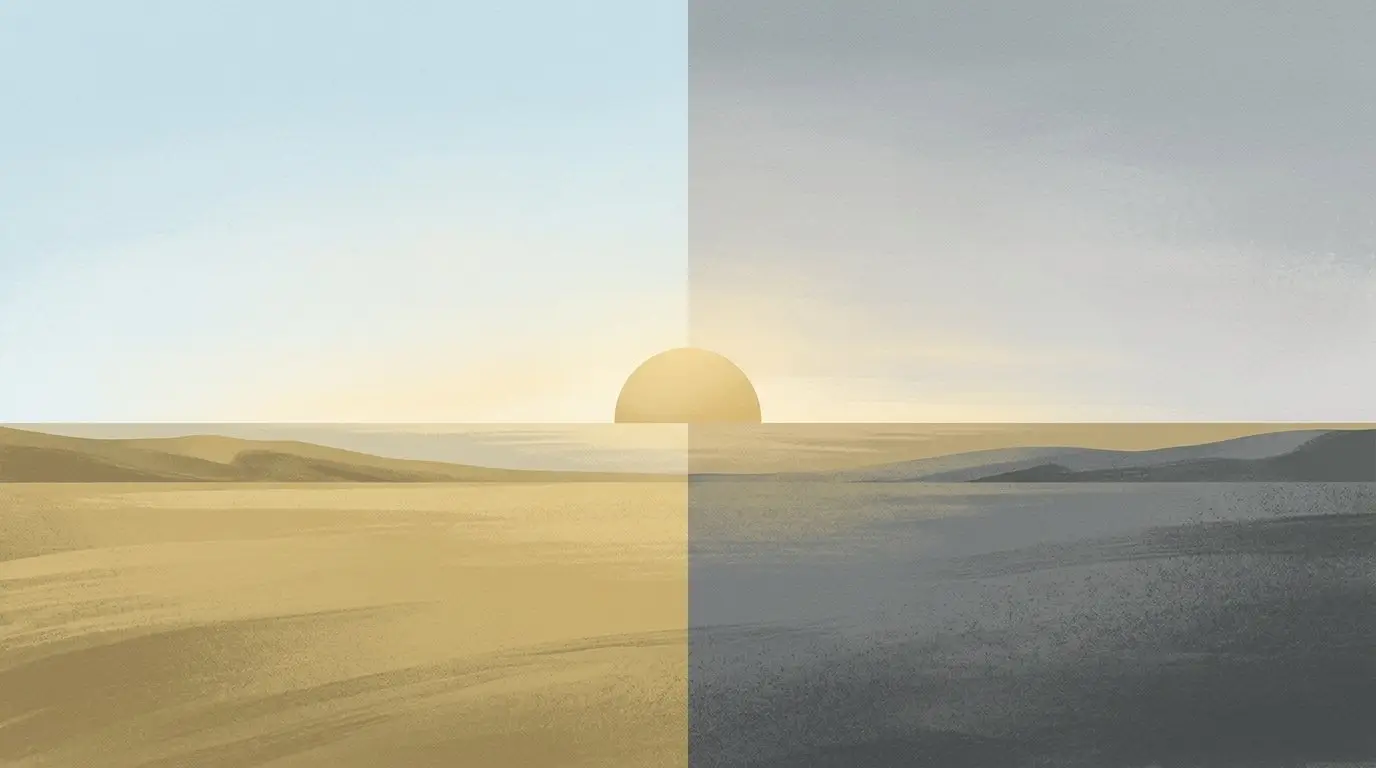
The fall equinox is an astronomical event that happens when the sun crosses the celestial equator and the length of daylight and darkness are nearly equal. The word “equinox” comes from roots meaning “equal night,” though in practice, day and night are not exactly equal in every location. Factors such as atmosphere, latitude, and how sunrise and sunset are measured can make the balance slightly uneven.
In the Northern Hemisphere, the fall equinox usually occurs around September 22 or 23. In the Southern Hemisphere, the same seasonal turning point happens around March 20 or 21. The date shifts a little from year to year because our calendar does not line up perfectly with Earth’s orbit around the sun.
Astronomically, the fall equinox marks the beginning of autumn. Seasonally, it signals a noticeable change: shorter days, cooler evenings, ripening crops, falling leaves, and a gradual movement toward winter. Even in places where the weather remains warm, the light often changes. Mornings and evenings may feel different. Plants, birds, and daily routines begin to shift.
For many spiritual, pagan, ancestral, and nature-based practices, the fall equinox is more than a date on the calendar. It is a threshold. It sits between the brightness of summer and the deepening dark of winter. Because of this, it is often associated with:
- Balance
- Harvest
- Gratitude
- Home
- Reflection
- Release
- Seasonal preparation
- Ancestral memory
You can observe the fall equinox in a formal ritual, but you can also honor it quietly. Cleaning a table and placing apples in a bowl can be a ritual. Making soup can be a ritual. Calling a relative, saving seeds, lighting a candle, or writing down what you are grateful for can all become meaningful seasonal acts when done with attention.
The heart of the fall equinox is simple: pause, notice what has grown, give thanks for what has sustained you, and consider what you are ready to carry into the darker part of the year.
The Seasonal Meaning of the Fall Equinox
The fall equinox has a different emotional tone from the height of summer. Summer often carries a sense of expansion: long days, social energy, travel, gardens, festivals, and outward movement. Autumn begins to draw that energy inward. The air cools. The light softens. The year asks for a different kind of attention.
This is why balance is one of the most common fall equinox themes. The balance of light and dark becomes a mirror for daily life. Where are you overextended? Where have you given too much without receiving? Where have you rested so long that something now needs action? Balance does not always mean everything is equal. More often, it means noticing what is out of rhythm and making one small correction.
The harvest theme is equally important. For people who garden, farm, preserve food, or live close to seasonal cycles, harvest may be literal: apples, squash, grains, herbs, seeds, and roots. But harvest can also be symbolic. You might ask:
- What work has finally come to completion?
- What lessons did this year teach me?
- What relationships have deepened?
- What creative projects, skills, or inner changes have grown over time?
A harvest is not always perfect. Some things thrive, some fail, and some arrive differently than expected. The fall equinox allows room for honest gratitude: not forced cheerfulness, but a grounded recognition of what has supported you.
Release is another seasonal practice. Trees do not hold their leaves forever. Gardens are cleared. Old plants become compost. In the same way, autumn can invite you to let go of what no longer fits: clutter, habits, obligations, expectations, or stories about yourself that have outlived their usefulness.
This does not have to be dramatic. Release might mean clearing one drawer, declining one commitment, changing one evening routine, or admitting that a goal needs to evolve.
Autumn also naturally turns many people toward memory and lineage. As the year darkens, homes, recipes, heirlooms, photographs, and family stories may feel more present. For those who keep an ancestor altar, the fall equinox can be a gentle time to refresh the space, offer thanks, or remember the people whose lives helped shape your own. For others, it may simply be a moment to consider what traditions you inherited, what you want to preserve, and what you want to change.
Whether you approach the fall equinox spiritually, culturally, or simply seasonally, its meaning remains accessible: gather what nourishes you, honor what has grown, and make space for the next turning of the year.
Fall Equinox Symbols, Colors, Foods, and Altar Items
The objects associated with the fall equinox often come from the harvest season: fruit, grain, seeds, roots, leaves, and warm colors. You do not need to buy special supplies. In fact, the most meaningful objects are often local, ordinary, or already part of your home.
A fall equinox altar can be as simple as a small cloth on a shelf with a candle, an apple, a leaf, and a handwritten note of gratitude. It can also be a larger seasonal table with flowers, photographs, food offerings, heirlooms, and bowls of gathered natural items.
Use the table below as a practical reference.
| Theme | Symbols or Objects | How to Use Them |
|---|---|---|
| Balance | Two candles, two stones, scales, paired bowls | Place items on opposite sides of an altar to represent light and dark, giving and receiving, or work and rest. |
| Harvest | Apples, pumpkins, squash, corn, grains, seeds | Add to an altar, cook into a meal, or use as a reminder of what has grown in your life. |
| Gratitude | Bowl, basket, handwritten notes, journal | Write what you are thankful for and place the notes in a bowl or basket. |
| Release | Fallen leaves, compostable paper, dried herbs | Write what you are letting go of, then dispose of it safely and respectfully. |
| Home | Bread, soup, preserves, linens, warm cloth | Prepare seasonal food or refresh a household space with autumn colors. |
| Ancestry | Photos, recipe cards, heirlooms, family dishes | Add only what feels respectful. Use these items to remember loved ones or family traditions. |
| Seasonal beauty | Leaves, acorns, pinecones, flowers, seed pods | Gather respectfully from the ground and return natural items when they are no longer needed. |
| Light | Candles, lanterns, gold or amber cloth | Light a candle with care to mark the shortening days and the warmth of home. |
Common fall equinox colors include gold, amber, orange, red, brown, burgundy, deep green, and cream. You can use these colors in altar cloths, napkins, candles, flowers, or seasonal decorations. If those colors do not fit your space, choose tones that feel like autumn where you live.
Seasonal foods often include apples, pears, root vegetables, bread, grains, nuts, soups, stews, cider, herbs, and preserves. If you live somewhere with a different growing season, use what is local and fresh. The point is not to copy someone else’s autumn but to notice your own.
To create a simple fall equinox altar:
- Choose a clean surface such as a shelf, table, windowsill, or tray.
- Add a cloth, scarf, placemat, or piece of natural fabric.
- Place one or two seasonal items, such as an apple, leaf, pumpkin, seed pod, or small bowl of grain.
- Add a candle, lantern, or small bowl of water if it is safe for your home.
- Include a written intention, gratitude note, or word for the season.
- If appropriate, add an ancestral item such as a photograph, recipe card, inherited object, or offering.
If you include ancestor altar elements, let respect guide you. Not every family object belongs on public display. Not every ancestor needs to be honored in the same way. You may choose to remember a beloved grandparent through a recipe, a cultural tradition through food, or a line of unknown ancestors through a simple candle and words of thanks.
Use practical care with altar items. Keep candles away from curtains, dry leaves, children, and pets. Do not leave flames unattended. Remove perishable food before it spoils. Avoid toxic plants if animals can reach them. If you make outdoor offerings, choose materials that are safe for the local environment.
A fall equinox altar is not about perfection. It is a small place where the season can be seen, touched, and remembered.
Simple Fall Equinox Rituals You Can Do at Home
Fall equinox rituals can be simple, personal, and low-cost. You do not need advanced experience, rare tools, or a large group. The strongest rituals are often the ones you can actually do with attention.
Below are several options. Choose one, combine a few, or adapt them to fit your home, beliefs, and schedule.
A Gratitude Ritual
This ritual focuses on what you have harvested, received, learned, or survived.
You will need a candle or small light, paper, and a pen.
- Sit somewhere quiet.
- Light a candle or turn on a small lamp.
- Take three slow breaths.
- Name three things you have harvested this year. These can be practical, emotional, creative, or relational.
- Write them down.
- Place the note on your altar, in a journal, or under a bowl of seasonal fruit.
You might write: “I harvested patience,” “I finished a project,” “I grew closer to my child,” or “I learned what I can no longer carry.” Gratitude does not need to ignore difficulty. It can simply name what is real and worthy of acknowledgment.
A Balance Ritual
This ritual helps you see where your energy is going.
Draw two columns on a page. Label one “Taking Energy” and the other “Giving Energy.” In the first column, list habits, tasks, situations, or worries that drain you. In the second, list people, practices, places, and routines that restore you.
Look over both lists and choose one small adjustment for the next month. For example:
- Go to bed earlier twice a week.
- Ask for help with one task.
- Reduce one optional obligation.
- Spend more time outdoors.
- Return to a creative practice.
Balance is not achieved by thinking about it once. It is practiced through small, repeated choices.
A Release Ritual
This ritual is for letting go of one thing before the darker part of the year.
Write down one habit, fear, expectation, resentment, or obligation you are ready to release. Keep it specific. Instead of writing “stress,” you might write “checking messages before bed” or “saying yes when I need rest.”
When you are ready, dispose of the paper safely. You can tear it and place it in the trash, compost it if the materials are suitable, bury it where allowed, or recycle it if that feels right. Avoid burning paper unless you have a safe, legal, well-ventilated place to do so.
As you release it, say a simple phrase such as: “I set this down. I make room for what can sustain me.”
A Harvest Meal Ritual
Food is one of the most natural ways to honor the fall equinox. Prepare a meal using seasonal ingredients: soup, roasted vegetables, bread, apples, grains, cider, or anything that feels like autumn in your region.
Before eating, pause for a short blessing or thanks. You might say:
“Thank you for the hands, soil, rain, sun, labor, and love that brought this food here. May we be nourished for the season ahead.”
You can share the meal with family or friends, eat quietly by yourself, or set aside a small symbolic portion in memory of ancestors or loved ones. If you make an offering, keep it safe and remove it before it spoils.
A Nature Walk Ritual
A fall equinox walk helps you observe the season directly.
Walk through a park, garden, street, field, or neighborhood. Notice the light, temperature, plants, birds, sounds, and smells. If you gather leaves, acorns, pinecones, or seed pods, take only what has already fallen and leave plenty behind. Do not disturb living plants or protected areas.
When you return home, place one natural object on your altar or nature table. Let it remind you that the season is not an idea. It is happening in the world around you.
An Altar Refresh Ritual
If you already keep an altar, shrine, nature table, or meaningful shelf, the fall equinox is a good time to refresh it.
Remove old items. Dust or wipe the surface. Return only what still feels aligned. Add autumn objects such as apples, leaves, dried flowers, grain, warm-colored cloth, or a small bowl. Then set one intention for the season.
Your intention might be “rest,” “discernment,” “stability,” “home,” “patience,” or “completion.”
An Ancestor-Focused Practice
Autumn often carries a quiet pull toward memory. If ancestor work is part of your practice, consider one simple act:
- Cook a family recipe.
- Tell a family story.
- Place a photo or heirloom on an altar.
- Light a candle for those who came before.
- Write down a tradition you want to preserve.
- Thank an ancestor, elder, teacher, or community member whose life shaped yours.
This practice can also include chosen family, cultural ancestors, mentors, or beloved dead who are not blood relatives. Keep it grounded and respectful. If family history is painful or complicated, you can honor resilience, healing, and the future you are choosing to build.
None of these rituals need to be perfect. A meaningful fall equinox practice can take five minutes or an entire evening. What matters is that you pause long enough to notice the turning of the year.
Journaling Prompts and Reflection Questions for the Fall Equinox
Journaling is one of the easiest ways to work with fall equinox themes. It helps turn broad ideas like balance, harvest, gratitude, and release into specific insight.
You do not need to answer every question. Choose one prompt that feels alive, uncomfortable, or useful. Write honestly, then end with one practical next step.
Harvest and Gratitude Prompts
- What have I harvested this year?
- What am I proud of completing, learning, or surviving?
- What has supported me more than I expected?
- What relationship, skill, or project has grown with care?
- What do I want to thank myself for?
These questions help you recognize progress, even if the year has been difficult. Harvest is not only about success. Sometimes it is about wisdom, boundaries, endurance, or clarity.
Balance Prompts
- Where am I overextended?
- What gives me energy, and what consistently drains it?
- Where do I need more rest?
- What responsibility needs rebalancing?
- What would a more sustainable rhythm look like this autumn?
Try to move from awareness into action. If you realize you need more rest, decide what that means in real life: one earlier bedtime, one free evening, one fewer commitment, or one honest conversation.
Release Prompts
- What am I ready to put down before winter?
- What habit has outlived its purpose?
- What fear or expectation no longer belongs to me?
- What clutter, task, or obligation is asking to be cleared?
- What am I carrying that was never mine to carry?
Release does not always mean cutting something away forever. Sometimes it means loosening your grip, changing your role, or admitting that a season has ended.
Ancestry and Memory Prompts
- What seasonal traditions did my family or community keep?
- What foods, songs, stories, or objects remind me of autumn?
- What traditions do I want to preserve?
- What traditions do I want to adapt?
- What new practice do I want to begin?
These prompts can help you build a seasonal practice that feels rooted without being rigid. You can honor what came before while still choosing what fits your life now.
How to Make the Fall Equinox Meaningful in Everyday Life
The fall equinox does not have to be limited to one day. Many people feel the seasonal shift for several weeks before and after the date. You can treat the equinox as a doorway into a slower, more grounded rhythm.
Start with your home. Choose one area to clean or reset: a kitchen shelf, entryway, desk, altar, pantry, or bedside table. This small act can mark the change in season without becoming overwhelming. You might change linens, bring out warmer blankets, arrange autumn flowers, prepare tea supplies, or create a cozy reading corner.
Food can also carry the equinox into daily life. Make soup. Bake apples. Cook root vegetables. Prepare grains. Preserve herbs. Stock the pantry with simple staples if that is practical for your household. These acts connect you to the harvest theme in a direct and nourishing way.
Community is another expression of the season. If you have extra produce, pantry items, time, or care to share, consider offering it. You might check on a neighbor, invite friends for a simple meal, bring food to someone who is grieving or busy, or donate to a local food pantry. Harvest becomes more meaningful when it circulates.
For personal practice, use the equinox as a seasonal review. Look at your goals and routines. What still matters? What needs to wait? What must be simplified as days grow shorter? Autumn often asks for different energy than summer. You may need more sleep, warmer meals, clearer boundaries, or quieter evenings.
Families and children can participate in easy, hands-on ways:
- Collect fallen leaves for a nature table.
- Bake apple bread or muffins.
- Start a gratitude jar.
- Make a candle-free altar with fabric, fruit, and drawings.
- Sort toys or clothes to donate.
- Watch the sunset and talk about the changing light.
If you live in a warm climate, an urban area, or somewhere without dramatic autumn leaves, you can still observe the fall equinox. Notice the angle of light, local plants, seasonal foods, bird patterns, rainfall, temperature shifts, or changes in your own mood and schedule. The season may speak more softly, but it still speaks.
The fall equinox is less about performing autumn perfectly and more about paying attention. It asks you to notice what has ripened, what needs thanks, what can be released, and what kind of care will sustain you through the months ahead.
FAQ
When is the fall equinox?
In the Northern Hemisphere, the fall equinox usually falls around September 22 or 23. In the Southern Hemisphere, it usually occurs around March 20 or 21. The exact date can shift slightly each year.
Is the fall equinox the same as Mabon?
Mabon is a modern pagan name for a harvest festival often celebrated around the fall equinox. Some people use the terms together, while others simply say fall equinox, autumn equinox, or harvest celebration.
What should I put on a fall equinox altar?
Use seasonal, meaningful items such as apples, leaves, acorns, pumpkins, squash, grains, candles, flowers, photos, heirlooms, or gratitude notes. Choose what is local, safe, respectful, and available rather than feeling you must buy anything special.
What is a simple fall equinox ritual for beginners?
Light a candle or sit quietly, name three things you are grateful for, write one thing you are ready to release, and place the note on an altar or in a journal. Keep it simple and sincere.
Why is balance associated with the fall equinox?
Balance is associated with the fall equinox because daylight and darkness are nearly equal. Many people use that seasonal image to reflect on balance in daily life, such as work and rest, giving and receiving, or action and reflection.
Can I celebrate the fall equinox if I am not pagan?
Yes. The fall equinox can be honored spiritually, culturally, or secularly. You can mark it through seasonal food, gratitude, time outdoors, journaling, home care, or simply noticing the change in light and rhythm.