
Amethyst is most often associated with spiritual protection, calm, intuition, and clear inner guidance. In crystal traditions, its purple color connects it with the crown and third eye chakras, making it a common stone for prayer, meditation, dream work, and sacred spaces. Many people use amethyst to quiet heavy energy, support spiritual focus, and create a peaceful atmosphere in the home.
For ancestor altar work, amethyst can be a beautiful stone of reverence. It may represent wisdom, sobriety of spirit, protection of the altar space, and openness to ancestral guidance. Its “powers” are best understood as spiritual and symbolic supports: amethyst helps you set intention, focus attention, and create a respectful ritual environment.
What Does Amethyst Mean Spiritually?
Spiritually, amethyst means peace, protection, higher wisdom, and connection to the unseen. It is a stone often chosen when someone wants to move from mental noise into prayerful awareness. Its energy is traditionally described as calming but not dull; it settles the spirit so insight can rise.
A helpful mental model is this: amethyst is a threshold stone. It stands between everyday awareness and sacred awareness. This is why it appears in meditation spaces, bedside rituals, ancestor altars, and divination practices. It does not “force” messages or outcomes. Instead, it supports a state of spiritual receptivity.
Amethyst also carries meanings of restraint, clarity, and purification. Historically, it has been linked with temperance and clear judgment. In modern spiritual practice, this symbolism often becomes a reminder to pause, listen carefully, and approach spirit work with humility.
Amethyst Properties and Correspondences
Amethyst’s properties are usually described through color, element, chakra, intention, and ritual use. These correspondences are not fixed laws; they are traditional associations that help practitioners focus their work.
| Correspondence | Amethyst Association |
|---|---|
| Main meanings | Peace, protection, intuition, spiritual wisdom |
| Chakras | Third eye and crown |
| Element | Air or spirit, depending on tradition |
| Common uses | Meditation, altar work, dream recall, prayer |
| Ritual tone | Quieting, cleansing, protective, devotional |
| Best placement | Altars, bedside tables, meditation spaces, sacred corners |
Because amethyst ranges from pale lavender to deep violet, some practitioners read lighter stones as gentler and darker stones as more protective or intense. Choose the piece that feels appropriate for your purpose.
The Spiritual Powers Traditionally Associated with Amethyst
The spiritual powers of amethyst are traditionally centered on protection, purification, intuition, and peace. In practice, this means amethyst is used to create a calm field around prayer, meditation, divination, or sleep. It is especially popular when someone wants to feel spiritually grounded while opening to guidance.
Amethyst is also considered a protective stone. Rather than imagining it as a magical shield that solves every problem, think of it as a boundary marker. Placing amethyst in a ritual area can signal: this space is sacred, clear, and not open to chaotic influence.
Its intuitive power is connected to the third eye and crown. People often hold amethyst while asking for clarity, reflecting on dreams, or preparing for tarot, oracle, or ancestral communication. Its calming symbolism can help reduce distraction, making subtle impressions easier to notice.
Amethyst’s powers are spiritual supports, not medical promises. It should not be treated as a replacement for mental health care, sleep support, or professional help.
How to Use Amethyst on an Ancestor Altar
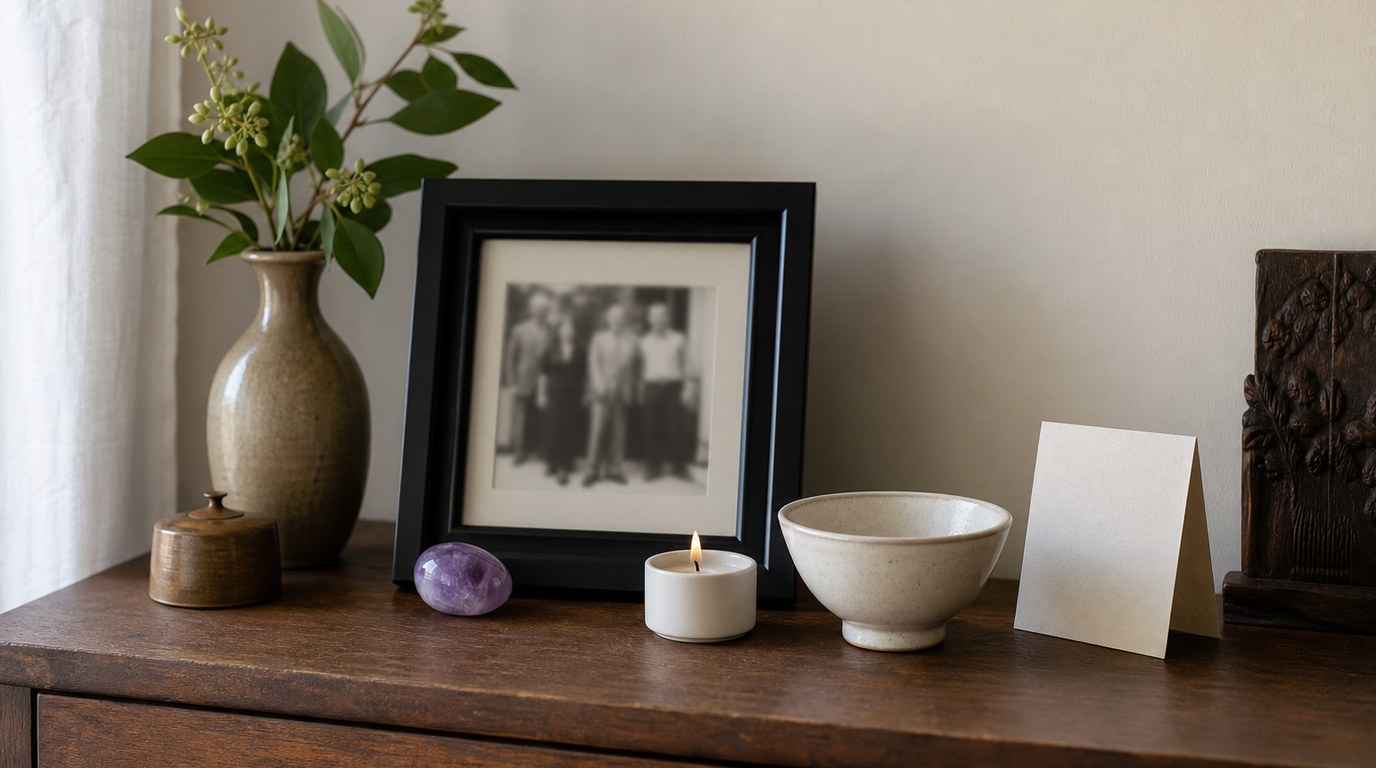
Amethyst is well suited to an ancestor altar because it carries a tone of respect, protection, and spiritual listening. Place it near a photo, name paper, candle, prayer card, or offering bowl to mark the space as peaceful and protected. If your altar is small, one tumbled stone is enough.
You can use amethyst to invite wise, elevated ancestral guidance rather than random spiritual contact. Before placing it, hold the stone and speak a simple intention: “May this altar be protected, peaceful, and open only to loving ancestral wisdom.” This gives the crystal a clear ritual role.
Amethyst may also be helpful if your ancestral work brings up grief, family complexity, or emotional heaviness. It can serve as a visual reminder to slow down, breathe, and approach the altar with steadiness.
Do not use amethyst as a substitute for offerings or relationship. Ancestor veneration is built through remembrance, respect, prayer, and consistency.
Everyday Spiritual Uses for Amethyst
Amethyst can be used in simple daily practices without making your routine complicated. Keep a piece beside your bed if you want to remember dreams, settle your mind before sleep, or create a calmer nighttime atmosphere. Before resting, touch the stone and ask for peaceful dreams and clear guidance.
During meditation, hold amethyst in your receiving hand or place it in front of you. Let it become a focus point for breath, prayer, or silence. If you read tarot or oracle cards, you can place amethyst near the deck to support clarity and spiritual boundaries.
You can also carry amethyst when entering emotionally busy places. In this use, it acts as a reminder to stay centered, speak carefully, and not absorb every mood around you. Its greatest everyday value is often this quiet return to presence.
How to Cleanse, Charge, and Care for Amethyst
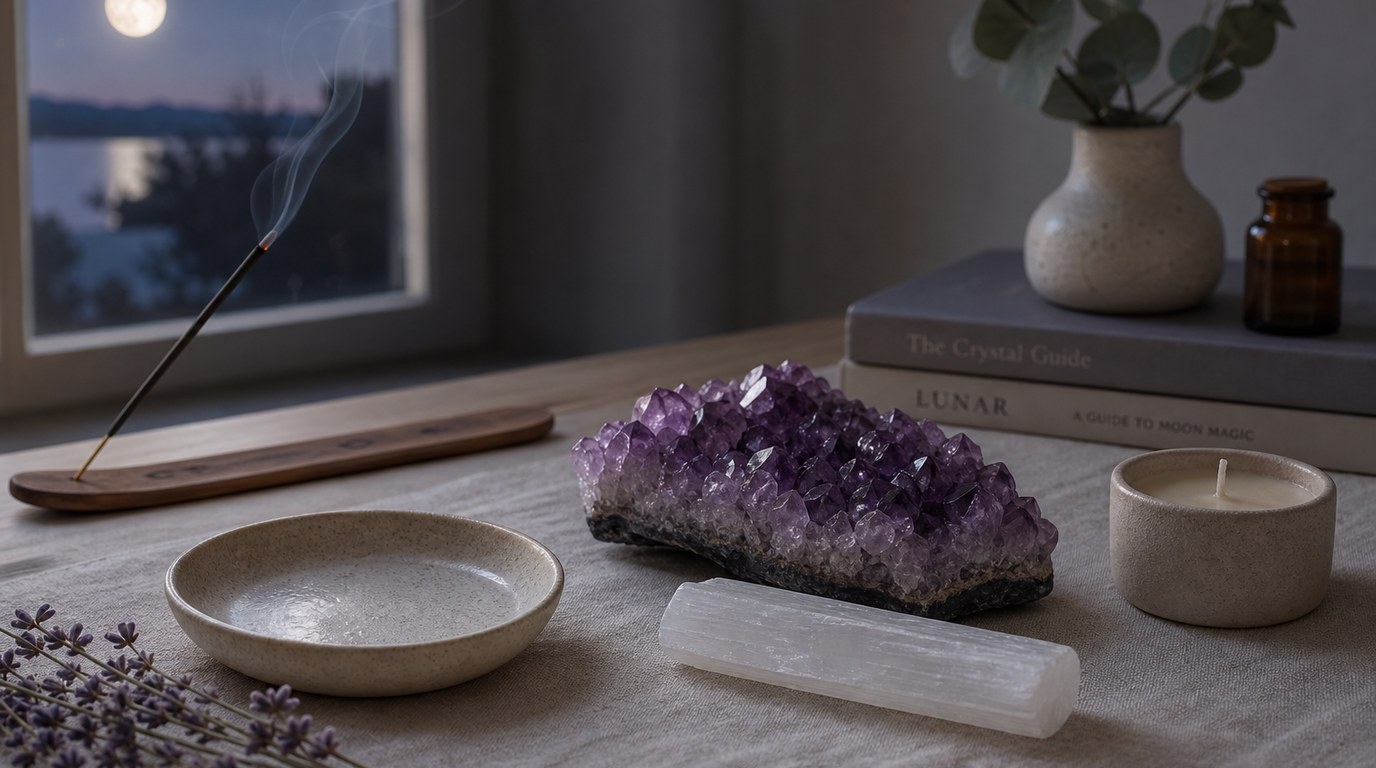
Cleanse amethyst when it feels dull, heavy, or after intense ritual work. Gentle methods include smoke cleansing, sound, prayer, moonlight, or placing it briefly on selenite. You can also hold it and speak a cleansing intention aloud.
To charge amethyst, place it under moonlight, near a candle during prayer, or on your altar with a clear purpose. Avoid long periods in direct sunlight, which can fade its purple color. Brief contact with water is usually tolerated by polished amethyst, but water is not necessary and may damage jewelry settings, clusters, or delicate pieces. Dry it well and handle points and geodes carefully.
Best Crystals to Pair with Amethyst
Amethyst pairs well with stones that refine or balance its spiritual tone.
- Clear quartz: amplifies intention and brings focus to prayer or meditation.
- Black tourmaline: adds grounding and stronger energetic boundaries.
- Rose quartz: softens grief work and supports loving ancestral remembrance.
- Selenite: brings a cleansing, devotional quality to altar spaces.
- Lapis lazuli: supports truth, wisdom, and spiritual insight.
For ancestor work, amethyst with rose quartz and clear quartz creates a simple blend of peace, love, and clarity.
Common Mistakes When Working with Amethyst
A common mistake is expecting amethyst to do the spiritual work for you. The stone supports intention, but your prayer, consistency, boundaries, and actions matter more.
Another mistake is using it without a purpose. Before placing or carrying amethyst, name its role: protection, peace, dream work, meditation, or ancestral guidance.
Also avoid treating every sensation as a message. Amethyst can support intuition, but discernment is still necessary. Ground yourself, write impressions down, and look for wisdom over time.
Simple Amethyst Ritual for Peace and Spiritual Guidance
Place an amethyst, a glass of water, and a white candle on a clean surface. Light the candle and take three slow breaths. Hold the amethyst and say: “I welcome peace, protection, and clear guidance. May only wisdom rooted in love come near.”
Sit quietly for five minutes. Notice thoughts, feelings, or images without forcing meaning. If you work with ancestors, speak their names and ask for guidance that supports healing and right action.
When finished, thank the spirits, extinguish the candle, and pour the water outside or into the earth if appropriate.
FAQ
What Is Amethyst Mainly Used for Spiritually?
Amethyst is mainly used for spiritual protection, calm, meditation, intuition, and higher guidance. It helps create a peaceful atmosphere for prayer, dream work, altar practice, and reflection. Many people use it when they want to quiet distraction and listen more deeply.
Is Amethyst Good for an Ancestor Altar?
Yes. Amethyst is a strong choice for an ancestor altar because it symbolizes peace, protection, reverence, and wise spiritual communication. It can be placed near photos, candles, offerings, or written names to support a calm and respectful altar space.
Where Should I Place Amethyst in My Home?
Place amethyst where you want more peace or spiritual focus. Good locations include an ancestor altar, meditation corner, bedside table, prayer space, or near a divination area. Keep it somewhere intentional rather than tossing it into clutter.
How Do I Activate Amethyst?
To activate amethyst, cleanse it first, then hold it and state a clear intention. For example: “I dedicate this amethyst to peace, protection, and spiritual clarity.” Place it where it can serve that purpose, such as on an altar or beside your bed.
Can Amethyst Go in Sunlight or Water?
Amethyst should not be left in strong sunlight for long because its color can fade. Brief water contact is usually fine for polished pieces, but water is unnecessary and may harm jewelry, clusters, or fragile stones. Moonlight, smoke, sound, or prayer are gentler options.