
Accessing your inner healer with the element of water means using water as a sacred mirror, cleanser, and carrier of prayer. In a home ritual, water can help you soften emotional tension, listen to intuition, and invite restoration without forcing an outcome. This practice is simple: prepare a clean vessel of water, create a calm space, speak your intention, let the water receive what you are ready to release, and close with gratitude.
This ritual can be done at an ancestor altar, beside a candle, near a bath, or in any quiet place where you feel safe. It is not a substitute for medical or mental health care, but it can support self-trust, emotional clarity, and spiritual grounding.
What You Need Before You Start
Before beginning, gather your materials and choose your setting with care. Water rituals work best when the space feels clean, steady, and undisturbed.
You will need:
- A clean bowl, cup, glass, or small basin
- Fresh water
- A cloth or towel
- A quiet place to sit
- A journal or paper, if you want to write afterward
- Optional: a white candle, flowers, shells, stones, or a small ancestral photo
- Optional: a pinch of salt, only if it is safe for your vessel and disposal method
If you work with an ancestor altar, place the water on or near the altar as an offering and healing tool. If you do not have an altar, use a cleared table, windowsill, or floor space. The power of the ritual comes from attention, respect, and sincerity, not from having elaborate objects.
Set a clear condition before you start: you are inviting gentle healing, not demanding instant transformation. Water moves slowly, deeply, and rhythmically. Let the ritual support what your body and spirit are ready to process.
Also prepare practical boundaries. Turn off notifications. Avoid rushing. Do not perform the ritual while driving, cooking, or doing anything that requires divided attention. If you are emotionally overwhelmed, keep the ritual short and grounding. If strong distress comes up, pause, breathe, drink fresh water, and reach out to a trusted person or professional support.
Begin with clean hands. If possible, wash them intentionally and say, “May I enter this practice with respect, clarity, and care.”
Step 1
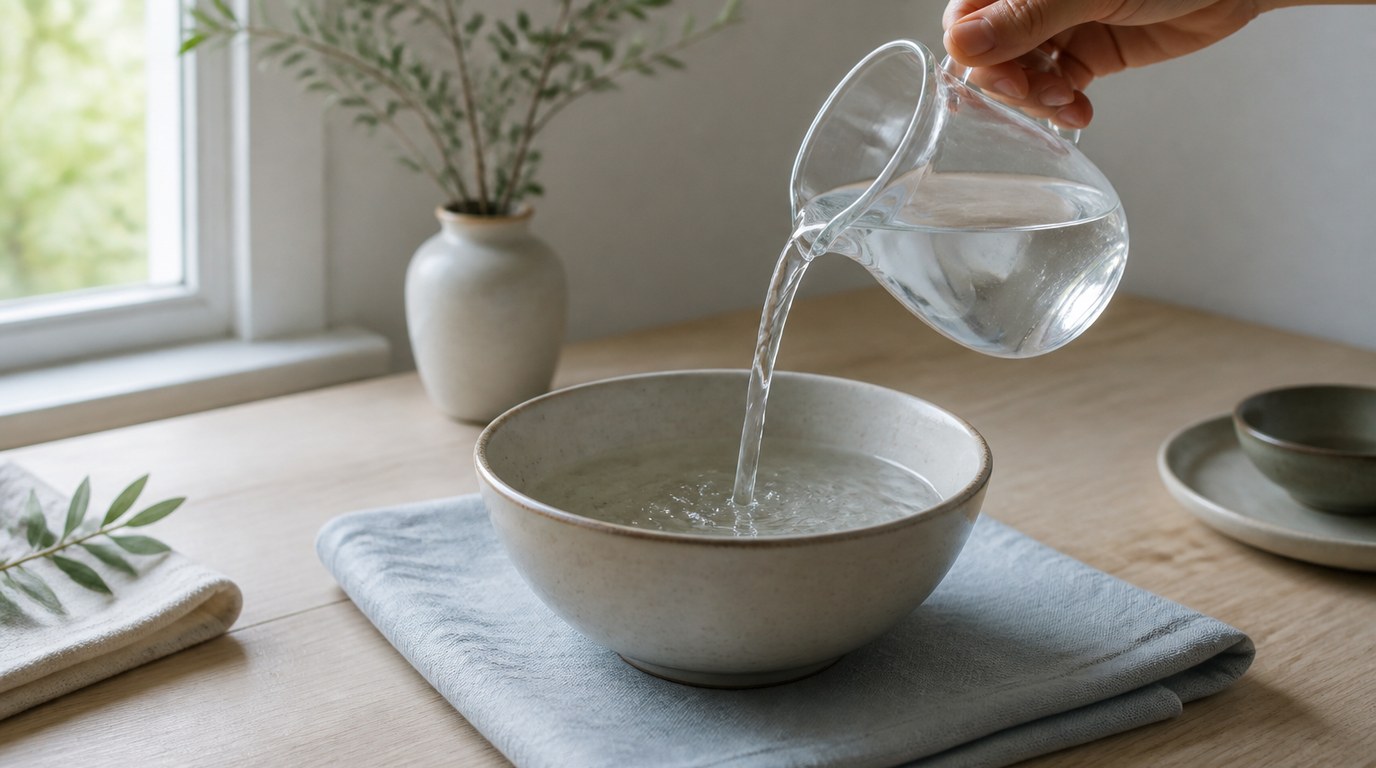
Prepare the water as a living symbol of cleansing, memory, and renewal.
Place your bowl or cup in front of you. Pour fresh water into it slowly. As you pour, watch the movement. Notice the sound, the surface, the way the water settles. This simple act tells your body that the ritual has begun.
If you work with ancestors, speak to them respectfully. You might say:
“Beloved ancestors of my highest good, known and unknown, I welcome your guidance, protection, and wisdom. May this water hold only what serves healing, clarity, and peace.”
If you do not work with ancestors, address the water directly:
“Element of water, teacher of release and renewal, help me listen to the healer within me.”
Now name your intention in plain language. Avoid making the intention too broad. Instead of saying, “Heal my whole life,” choose something focused, such as:
- “Help me release grief I have been carrying in my chest.”
- “Help me soften my fear and hear my intuition.”
- “Help me cleanse emotional heaviness from this week.”
- “Help me return to myself with compassion.”
Hold your hands around the vessel without touching the water yet. Breathe in for four counts and exhale for six counts. Repeat this three to seven times. With each exhale, imagine your body loosening around the issue you named.
Then touch the water with your fingertips, or hover your hands above it if you prefer not to touch it. Speak your intention once more. Let your words be direct. Water rituals do not need dramatic language. Sincerity is enough.
If thoughts interrupt you, do not treat that as failure. Simply return to the water. Notice its surface. Notice your breath. Say, “I return.” This is part of accessing the inner healer: learning to come back without punishing yourself.
Step 2
Use the water to release, receive, and restore.
Sit comfortably with the vessel before you. Look into the water as if it were a mirror. You do not need to see visions or receive messages. Just allow the water to reflect your current state. Ask yourself quietly, “What part of me needs care right now?”
Let the answer arise through sensation, memory, emotion, or simple knowing. You may feel tightness in the throat, warmth in the chest, pressure behind the eyes, or nothing obvious at all. All of these are valid responses.
Now begin the cleansing action. Dip your fingertips into the water and touch your forehead, heart, and palms. If you prefer not to touch your skin, move your damp fingers above these areas instead. Say:
“May my mind be clear. May my heart be softened. May my hands serve healing.”
Next, breathe toward the water. With each exhale, imagine releasing what is ready to leave: fear, tension, confusion, shame, grief, anger, or spiritual heaviness. Do not force yourself to relive painful memories. Name only what feels safe to name.
A useful sequence is:
- Inhale and notice what you are carrying.
- Exhale toward the water and say, “I release what I no longer need to hold.”
- Pause and let the water receive it.
- Place one hand on your body and say, “I remain whole.”
Caution: do not drink this ritual water after using it for release work. Once the water has symbolically received heaviness, grief, or cleansing energy, treat it as used ritual water. Dispose of it respectfully later.
If you cry, shake, sigh, yawn, or feel tired, allow the body to complete its response gently. If you feel dizzy or too activated, stop the ritual. Place both feet on the floor, look around the room, name five ordinary objects, and take a sip of separate drinking water.
To close the active part of the ritual, place both hands over your heart or belly. Say:
“The healer within me is not separate from me. I listen. I soften. I restore.”
Sit in silence for one minute before moving.
How to Check the Result
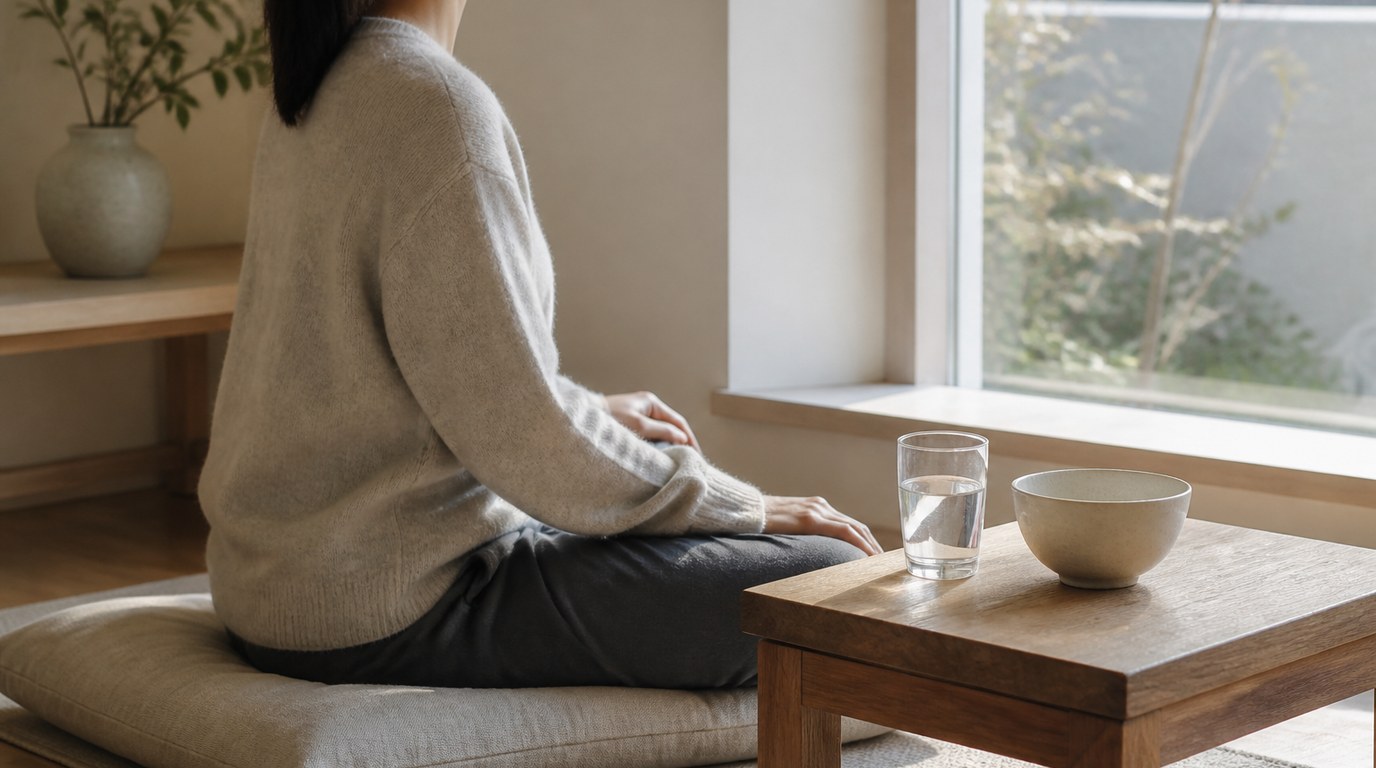
A water healing ritual is successful when it creates a shift toward clarity, softness, steadiness, or honest awareness. The result does not have to be dramatic. You may notice subtle changes, such as deeper breathing, a calmer body, tears that feel relieving, a clearer sense of what you need next, or a feeling of being spiritually rinsed.
Check the result in three ways.
First, check your body. Ask: “Do I feel more present than when I began?” You might feel lighter, sleepy, tender, or grounded. Tenderness can be a good sign if it comes with spaciousness rather than panic.
Second, check your emotions. Ask: “Did something move?” Movement may look like crying, naming a truth, forgiving yourself a little, or realizing you need rest. If nothing moved, that is not failure. Water sometimes works by quieting rather than revealing.
Third, check your next action. Inner healing should lead to care. You may need to journal, bathe, clean your room, make tea, sleep, apologize, set a boundary, or schedule support. Choose one small action you can complete today.
Dispose of the ritual water respectfully. You can pour it into the earth, into a plant if no salt or harmful additives were used, or down the drain while saying, “What is released is carried away. What is healed remains with me.” Rinse the vessel afterward.
Troubleshooting: if you feel heavier after the ritual, you may have opened too much too quickly. Shorten the practice next time, use only one intention, and close with grounding. Eat something simple, touch the floor, or step outside.
FAQ
Can I Do a Water Healing Ritual Without an Ancestor Altar?
Yes. An ancestor altar can deepen the practice, but it is not required. Use a clean, quiet surface and speak respectfully to the water, your inner healer, or the Divine as you understand it. The key ingredients are intention, attention, and a safe closing.
What Kind of Water Should I Use for This Ritual?
Fresh tap, filtered, spring, or rainwater can be used. Choose water that feels clean and appropriate. If collecting rainwater, use a clean container and do not drink it unless you know it is safe. For release rituals, the water is symbolic and should be disposed of afterward.
Can I Pour the Ritual Water Into a Bath?
Only if the water was used for blessing, not for absorbing release or heaviness. If you breathed grief, fear, or cleansing energy into the bowl, do not add it to your bath. Instead, dispose of it and prepare fresh bathwater with a new intention.
How Often Should I Practice Water Element Healing?
Once a week is a good rhythm for most people. You can also practice during emotional transitions, after conflict, before ancestor work, or at the new moon. Avoid doing intense release rituals every day. Give your body time to integrate the healing.
What If I Cry During the Ritual?
Crying is often a natural water response. Let tears come if you feel safe. Keep breathing, place a hand on your heart, and remind yourself that release is not weakness. If crying becomes overwhelming, pause the ritual, ground your body, and seek support if needed.