
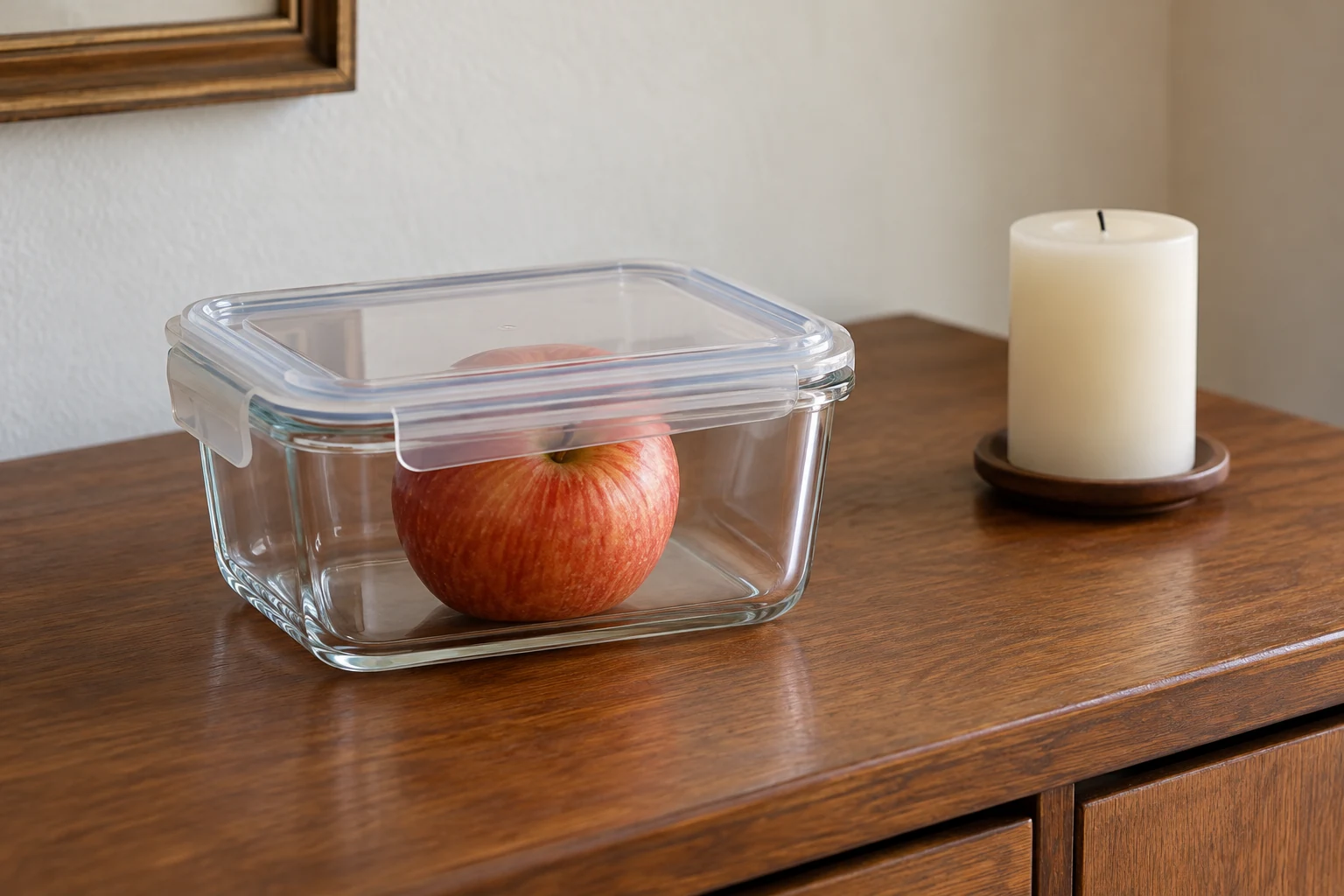
To keep food used in a remembrance display away from pets and household pests, first decide whether food needs to be exposed at all. If it does, place it in a stable container where the household can control access, set it out only for an occasion you can oversee, and remove the food and any crumbs or spills afterward. A packaged token or nonfood object may be a better choice when that boundary is not possible. This is a household plan, not a rule for every ancestor practice; the right form of remembrance depends on what the act means to you and, where relevant, your family or tradition.
Choose a Form That Fits the Remembrance and the Household
Food can be an optional object in a personal remembrance practice. Before preparing it, ask what you want the gesture to express. Is the important part choosing a particular food, placing something at the display, or taking time to remember someone? The answer helps you decide whether food must be visible and exposed, whether a packaged item would serve your purpose, or whether a written memory or another nonfood object would be more fitting.
If your family or tradition has specific requirements, speak with an appropriate family member or practitioner rather than treating a household access plan as ritual authority. A substitute that works for one personal practice is not necessarily interchangeable with an offering in another. You can still make the practical decision about what your home can safely accommodate.
Next, look at the display from the perspective of everyone who shares the space. Can a pet reach it by jumping or climbing? Could a child pick up the food or move its container? Have you already noticed pests near the proposed location? Consider the times when no one is watching, not just the moment you set the object down. The question is whether you can maintain a real boundary between the food and those who might reach it.
The choices have different access demands:
- Exposed food requires a place and an occasion during which you can keep it inaccessible, followed by cleanup.
- A sealed packaged token keeps the food enclosed, but still needs a secure location away from pets and children. A package is not permission to leave it anywhere.
- A written memory or another nonfood object can mark the act of remembrance without putting food on display, if that form is compatible with your practice.
If you cannot control access, do not set out exposed food. Choose a securely placed packaged token or a compatible nonfood form instead. This is not a lesser version of a personal remembrance; it is a way to keep the gesture intentional without making an open plate part of an unmanageable household situation.
Nor does a small portion become suitable for a pet because it was placed there symbolically. The American Veterinary Medical Association advises discouraging guests from giving pets extra treats and scraps from the dinner table. Apply that same practical separation here: keep an actual offering inaccessible rather than treating it as something a pet may sample.
Set up a Container and a Real Access Boundary
Use exposed food only if you can prevent pets and children from reaching it and attend to pest access throughout the occasion. If that condition does not hold, use the packaged or nonfood form you chose instead of trying to improve an open display with a single shortcut.
For an exposed display you can control, choose a container that sits steadily on the intended surface and suits the food you are placing in it. Set it back from the edge, with space between it and fragile remembrance objects. Carry and place it in a way that avoids drips or scattered pieces. A dish that is easy to lift without tipping will also make removal less awkward when the occasion ends.
Think of the container, location, and household boundary as separate parts of the arrangement. A stable dish helps prevent a spill, but it does not exclude pests. A high shelf may still be accessible to a cat. A decorative lid or cloth may suit the appearance of the display, but it is not a reliable pest barrier. If closing a container securely is compatible with what you intend, that is a different choice from leaving food open under a loose cover.
The Environmental Protection Agency recommends storing open food in plastic bags or containers. That storage advice supports containing food when it is not being displayed; it does not designate any particular arrangement as an approved remembrance display. For this household decision, the important question remains whether food that is on display can actually be protected.
For example, in a home with an unsupervised pet or current pest activity, moving an open plate to a higher table does not resolve the access problem. Put a packaged token where pets and children cannot reach it, or use a nonfood object. You can reconsider exposed food for a later occasion if the household can then maintain the boundary.
Keep Any Exposed Display to a Controlled Occasion
Decide when the display will begin and how you will end it before putting food out. Choose an occasion during which someone can maintain the access boundary, and plan to remove the food when that occasion is over. The point is not to meet a universal number of minutes or hours; it is to avoid leaving exposed food in place after the household can no longer control who or what reaches it.
One workable arrangement is to set out food while someone is present and able to keep pets and children away, then clear it as part of closing the occasion. If everyone will be away, asleep, or occupied elsewhere, use your securely placed packaged or nonfood form instead. Leaving a plate on a table overnight does not turn its location into ongoing protection.
Watch for a change in conditions while the food is out. A pet getting into the room, a child reaching for the dish, pests appearing, or food spilling means the original plan is no longer working. End the exposed display, secure the food, and deal with the mess. Do not simply replace the dish in the same position and assume the next attempt will go differently. For a future occasion, change the access arrangement or choose another form.
Display time is an access decision, not a test of whether the food is safe to eat later. This guide does not set a safe duration for food left at room temperature. If food is intended for later consumption, follow applicable food-handling guidance separately rather than using the length of the remembrance occasion as your standard.
Clear the Food and Residues, Then Choose the Next Display
When the intended occasion ends, remove the food rather than leaving cleanup for the next day. Check the container, display surface, and nearby areas where pieces may have fallen or liquid may have spread. Clean up crumbs and spills, including any left while setting the food down or carrying it away. The Environmental Protection Agency recommends cleaning up spills and leftover crumbs immediately.
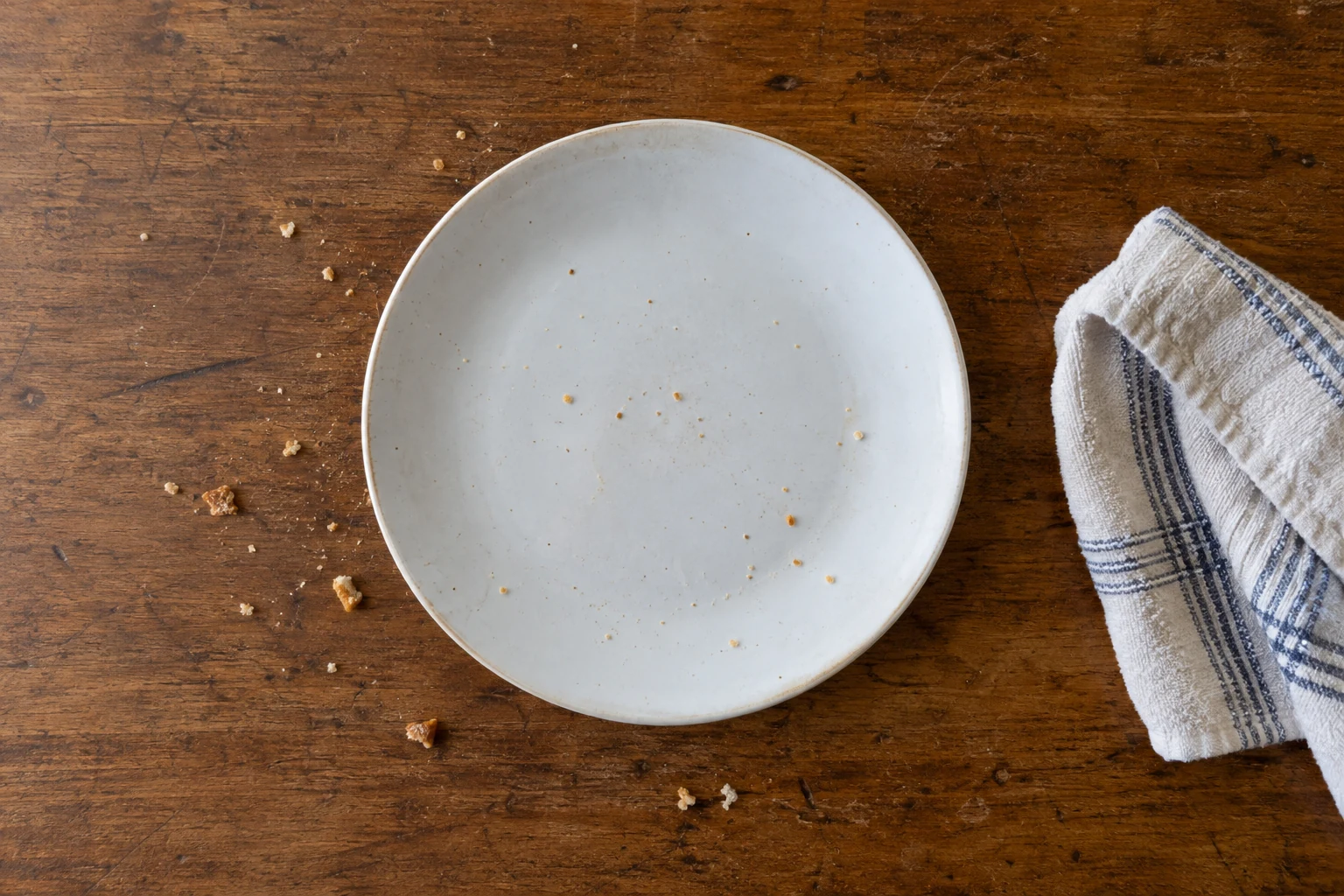
Handle the food you remove according to what you intend to do with it, without assuming that having been on display makes it fit for another use. If you are keeping food, put it away in appropriate closed storage; the EPA recommends storing open food in plastic bags or containers. If you are discarding it, use trash with a tight lid and empty it often, as the EPA advises. Wipe or clean the offering container and its nearby surfaces as needed so the next display does not begin with residue from this one.
Keep this cleanup decision separate from pet feeding and food safety. Do not give displayed or uncertain leftovers to animals as a way of disposing of them. Nor should you assume food left at room temperature is safe for people to eat because the display was brief or meaningful. Follow applicable food-handling guidance for any food you intend to consume.
Finally, let the cleanup tell you whether the arrangement worked. If you repeatedly find crumbs beyond the container, notice pests, or cannot keep a pet away until removal, change the next display rather than repeating the same setup. Use a securely placed contained token or a compatible nonfood remembrance while access remains uncontrolled. Persistent pests call for an appropriate household pest-management response, not added scents or improvised chemical treatment; do not spray pesticides onto offerings or remembrance objects.
The practical rule is to choose a form your household can protect, expose food only during an occasion you can control, and clear both the food and its residues afterward.