
You can remember a relative without displaying their photograph. A name you write down, a story you know, a song you associate with them, or an ordinary object you choose now can give you a way to mark the relationship. You can also do something privately, without keeping an item or setting up a space. The useful starting point is not what a remembrance should look like, but what you know to be true and what you would feel comfortable doing. These are suggestions for a personal practice, not rules about photographs in any tradition.
Decide What You Want the Remembrance to Hold
Ask yourself what you most want to recall. Is it a detail you know about the person, such as something they said? Is it the fact that they were part of your life? Or would you rather set aside a little time for a memory without making anything visible?
Your answer may depend on why you are avoiding a photograph. You may not have a suitable one. You may have one but prefer to keep it private. Or the relationship may have been complicated, making a simple tribute feel untrue. Those circumstances need not lead to the same choice. A card with a name might be enough for one person; another might prefer to remember a particular event without keeping a card at all.
For any form you choose, stay with details you know. You do not need to fill gaps with a date, a description of the person’s character, or a story you cannot confirm. If you select an object today, describe it as your chosen reminder—not as something the relative owned.
Use a Name or a Story
If you want something brief and written, make a name card. Use the name by which you knew your relative, and add a truthful detail only if it helps. A card might say, “Auntie Mae — I knew her as my mother’s sister.” It does not need a birth date, formal title, or account of her life if you do not know those things. You can put the card in a notebook or drawer; “card” does not have to mean “display.”
If a name alone feels too spare, write a short account of a moment you remember. Try two or three plain sentences: what happened, what you recall seeing or hearing, and what that moment means to you. For example: “I remember sitting at the kitchen table while my uncle showed me how to fold a paper boat. Mine tipped over in the sink. I think of that afternoon when I fold paper now.” This describes a remembered event and the writer’s present association. It does not claim to know what the uncle felt or turn one afternoon into a verdict on his whole character.
Choose the name card when you want to mark the relationship without telling a longer story. Choose the story when a specific moment says more than a name can. You may keep either in a private notebook, read it to someone you trust, or leave it unfinished for now. Neither needs a photograph beside it, and neither needs to be shown to anyone to count as your remembrance.
Choose a Song or an Ordinary Object
If writing is not what you want to return to, consider sound or something you can hold. Child Bereavement UK includes a list of a person’s favourite songs and personal possessions, such as a watch or scarf, among possible memory-box contents. These are examples of prompts, not a promise that any particular choice will feel right for you.
If you know a song your relative liked, you could write down its title or listen to it privately. You need not play it for others or make it part of a display. If you do not know their favourite music, you can still choose a song that brings them to mind. Name the connection accurately: “This song reminds me of our walks,” rather than “This was their favourite song.” The first statement tells the truth about your association without supplying a fact you do not have.
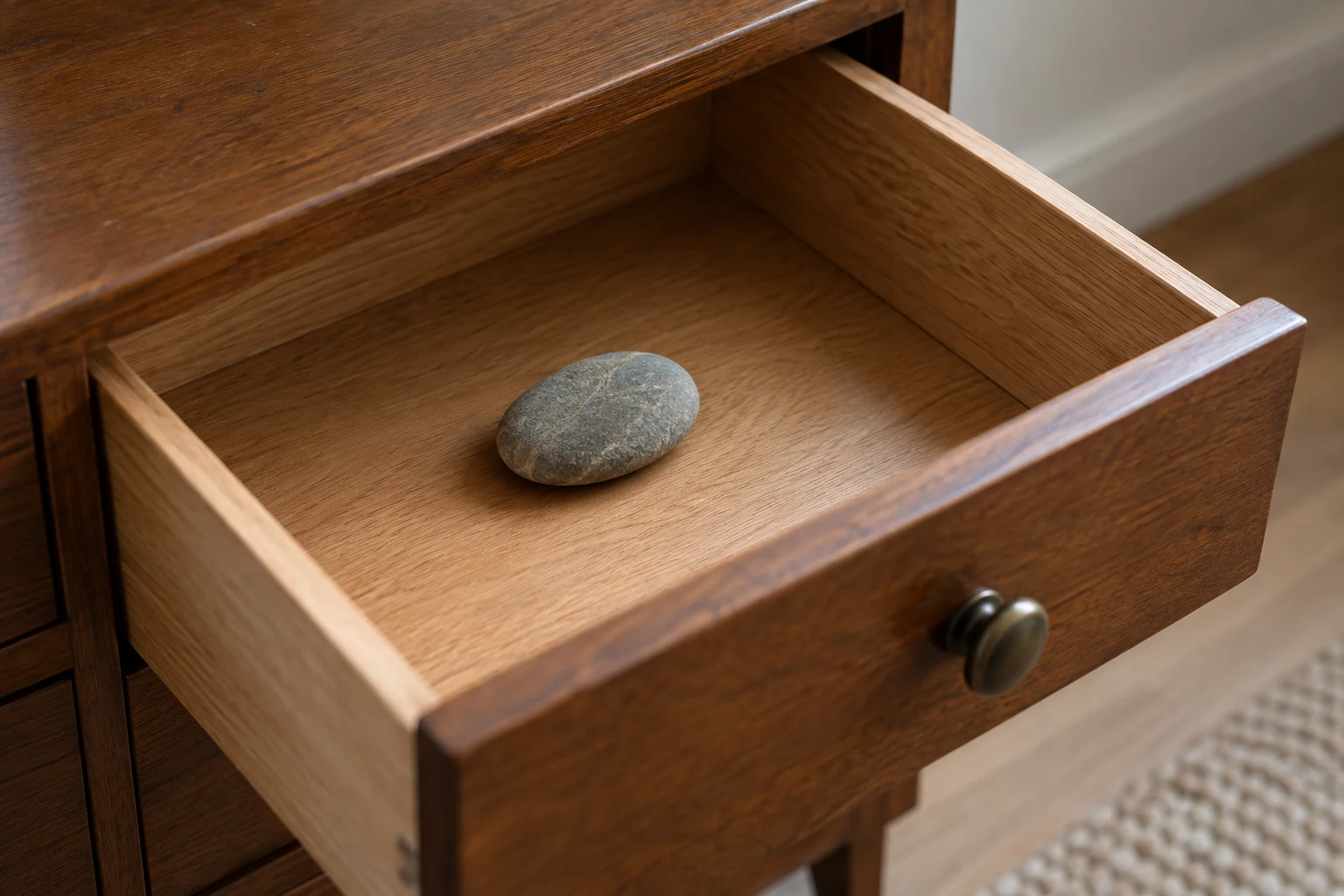
The same distinction matters with objects. If you have an item that belonged to your relative and want to use it, you can describe it that way. If you would rather choose an ordinary item now—a smooth stone from a walk, for instance—say what you chose and why: “I picked up this stone today because its shape reminds me of the path we used to take.” Do not describe it as an inherited keepsake. An object can stay in a drawer or pocket, and you can decide not to keep one at all.
Record the Meaning and Make Time for It
Once you have chosen a name, story, song, or object, write a brief note about its meaning if that would be useful. Child Bereavement UK describes people writing notes that explain why items in a memory box matter to them. You can borrow the idea without making a box: a line in a notebook or a note stored privately is enough for this suggested practice.
One way to begin is with two separate sentences: what I know and why I chose this. For example: “I remember hearing my grandmother sing this song while she cooked. I chose it because listening to it gives me a moment to think about those visits.” The first sentence records the writer’s memory; the second explains their present choice. If you know only the association, say so: “I chose this song because it brings her to mind; I don’t know whether she liked it.”
Your note does not have to be a polished tribute. You might add a detail later, cross out a mistaken one, or decide that a single sentence is sufficient. Its purpose is to help you recognize why this particular choice matters, not to produce a complete account of another person.
Then choose a manageable way to use it. You might read your story when you want to recall that day, listen to the song on a private walk, or hold your chosen object for a minute before putting it away. Pick a time and place where you are comfortable; no permanent arrangement is necessary. If you do not want to keep an item or create a space, the activity alone can be your practice: quietly recall the known moment, hum the song, or say the person’s name to yourself. Nothing has to be visible.
You can invite someone else to hear the story or song if you want company in remembering. You can also keep it entirely to yourself.
Keep the Choice Private, and Preserve Any Existing Photograph
A visible reminder can be temporary, kept somewhere only you see, or absent altogether. Those are choices about what suits your circumstances—not tests of how much you loved someone, how grief is progressing, or whether the relative would approve. If a relationship was difficult, you can choose a truthful memory without forcing it into praise. If privacy matters, you do not owe visitors an explanation for what is or is not on display.
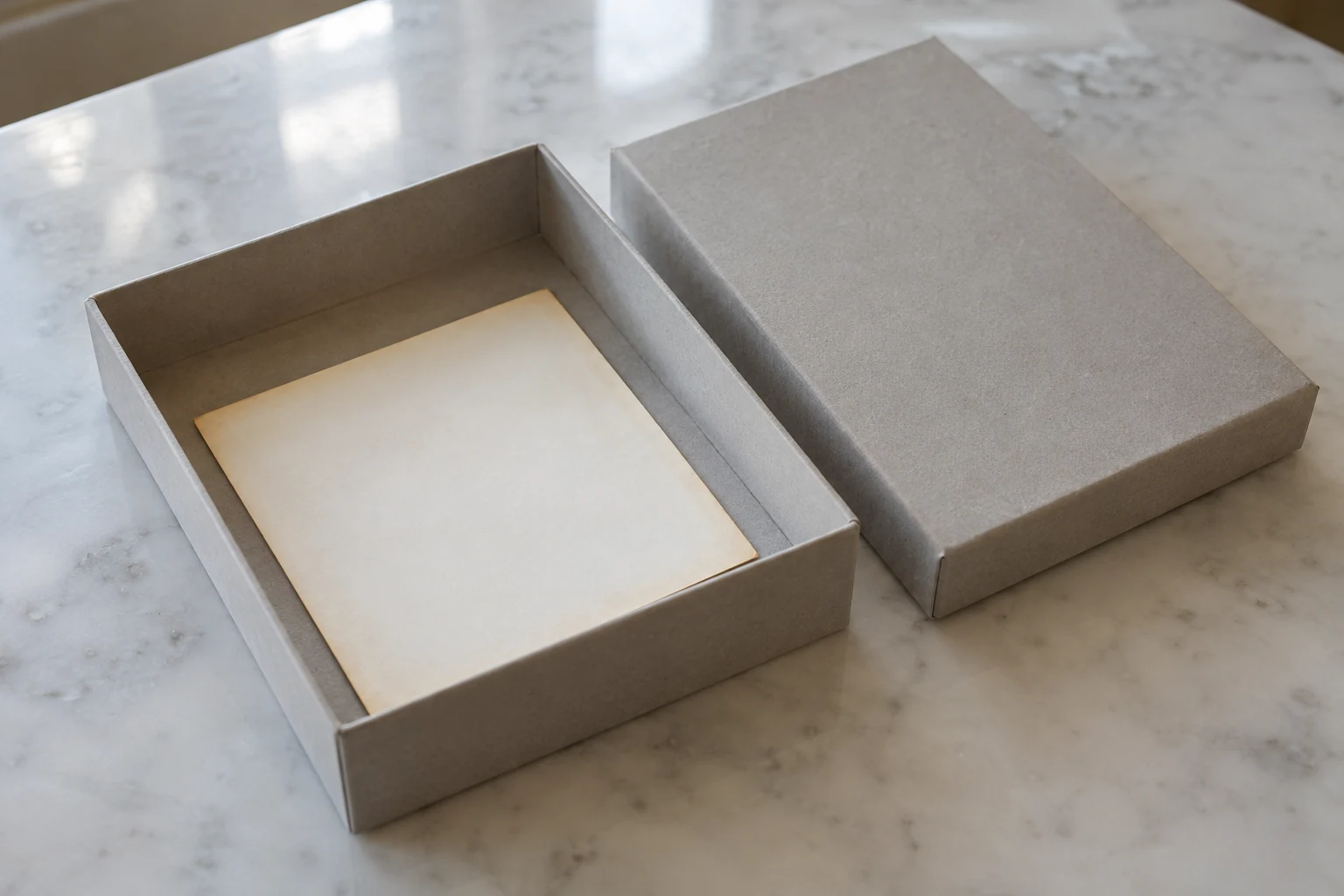
Choosing a nonphoto practice also does not mean you must get rid of a family photograph. If one exists and you are not displaying it, make storage a separate decision. The Library of Congress recommends keeping photographs in photo-safe boxes, including photographs already enclosed in paper or plastic. You can preserve an existing image that way without altering or discarding it merely because you currently prefer a name, story, song, or object.
Start with one detail you know and one way you are comfortable returning to it. Write down why you chose it if a note would help; keep it private if that is what you prefer. A photograph is not a prerequisite for this personal remembrance.