Who Is La Befana, and When Does She Visit?
La Befana is an Italian folklore figure associated with Epiphany on January 6. In the familiar gift story, she visits during the night of January 5–6. That date matters: “winter witch” describes her appearance, not a visit at Yule or the December solstice.
Epiphany is a Christian feast, and Visit Tuscany places Befana’s visit in that setting. Its account also describes Epiphany as the end of Christmas celebrations. The January holiday gives the story its calendar setting; the broader phrase winter folklore does not tell us when her visit takes place.
Calling her a folklore figure also helps distinguish the character in a story from claims about a historical person or religious role. Her broom and gifts are recognizable features of that story. What they mean—and what they cannot establish about her origins—are separate questions.
The Broom and the Gifts
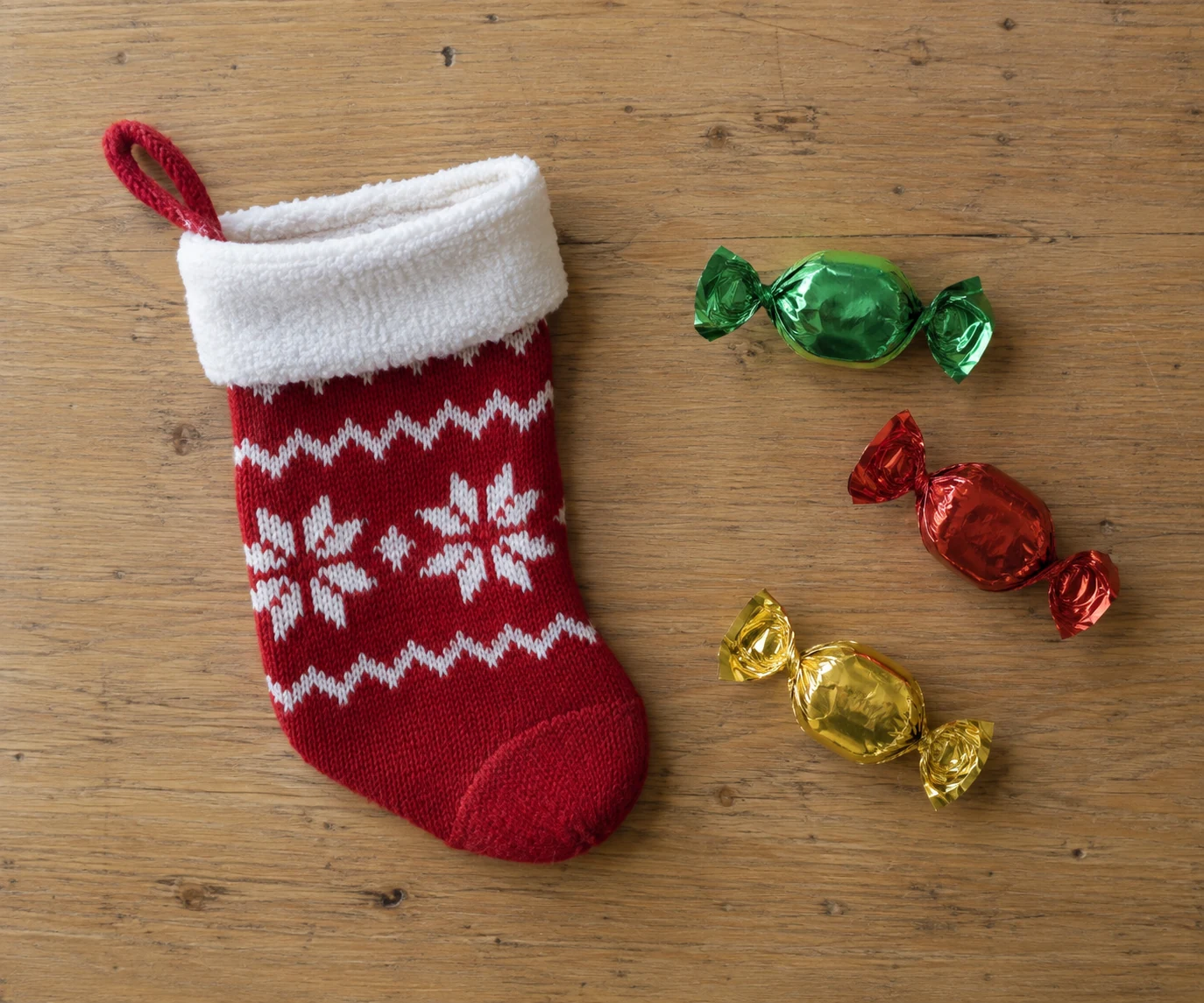
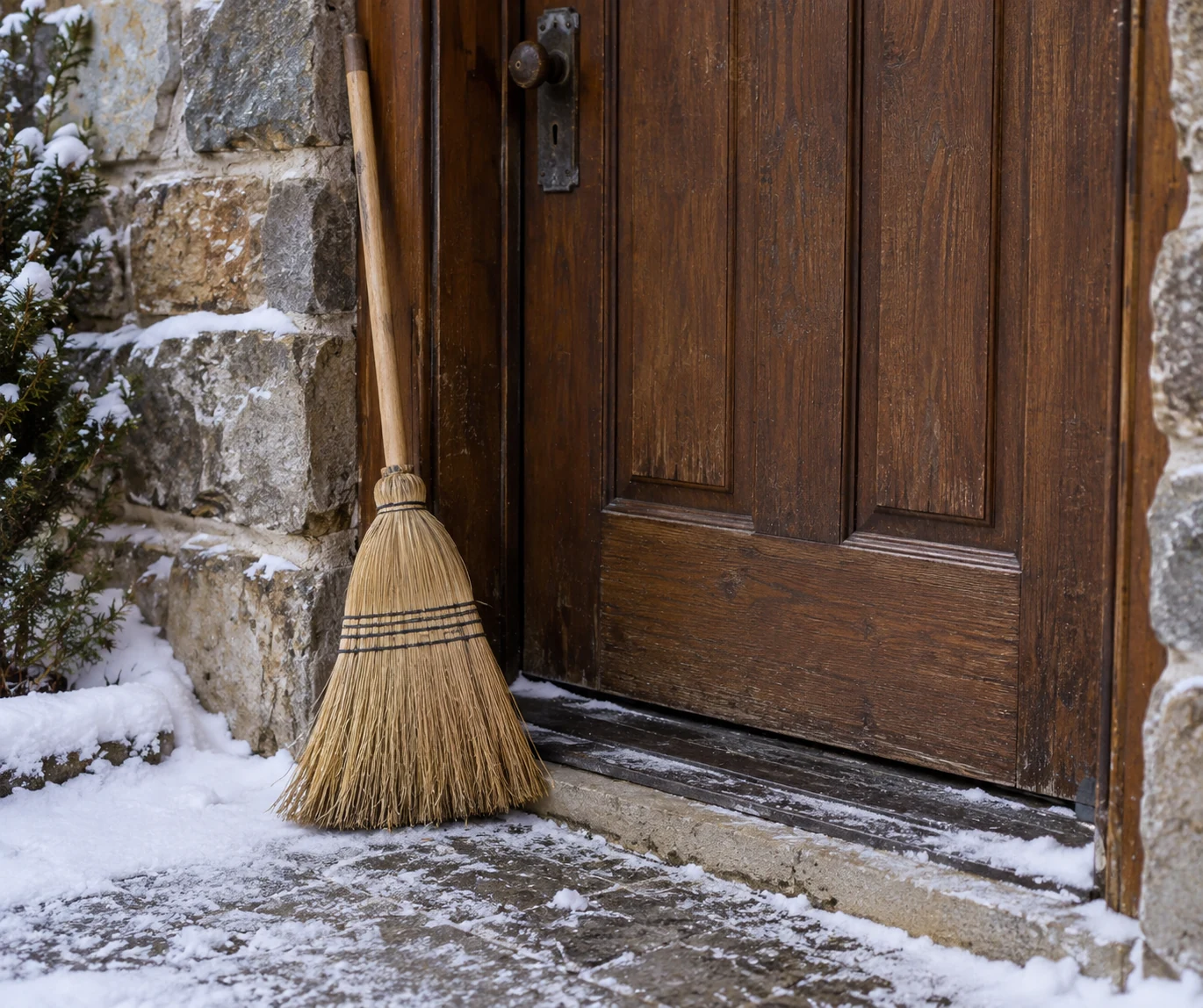
Befana’s broom gives her the witchlike silhouette behind the title. Visit Tuscany describes her riding one, while Italy’s national tourism site describes her filling stockings on the night of January 5–6. The broom belongs to her depiction; the stockings belong to the account of her visit and the gifts children find afterward.
Sweets are part of the reported gift tradition. Visit Tuscany describes children receiving them for the January 6 celebration and presents coal as the contrasting gift for children who have been naughty. That contrast helps explain the story, but it does not mean every household gives the same things or tells it in precisely the same way.
Witchlike is a description of how Befana appears, not evidence that she was a ritual practitioner, priestess or deity. A broom can make a folklore character instantly recognizable without documenting an ancient religious office. Readers can enjoy the image while keeping the claim it supports—a depiction—distinct from a claim about historical identity.
What Her Name Tells Us
Treccani connects Befana, or Befania, to Epifania through language change. The character’s name is thus linguistically tied to the feast with which her visit is associated. This is a more specific finding than a general resemblance between two words: it explains a relationship between the names.
It does not explain the whole character. Etymology can tell us how a name developed, but it cannot identify every story, seasonal image or religious idea that became associated with its bearer. The link to Epifania anchors the name in the Epiphany setting; proposed influences on the legend require their own evidence.
Influences Are Not a Continuous Origin Story
Accounts of Befana’s origins draw on different kinds of material. Italy’s national tourism site names Germanic mythology and Christian symbolism associated with the Magi among the influences in its account. The Magi reference places one strand of the explanation within the Christian Epiphany setting. Naming these influences, however, does not demonstrate which one produced a particular feature of the present gift story, or establish an uninterrupted line from an older figure to Befana today.
Urbania’s tourism account describes the living tradition as mixing religious and seasonal meanings. That describes meanings people can find together in a celebration now. It does not, by itself, tell us when each meaning entered the tradition or whether they once belonged to a single ancient figure. A custom can carry several associations even when the route by which they met remains uncertain.
Treccani provides another reason to phrase origin claims carefully. In a discussion published in 1930, its author reports a scholarly interpretation linking the burning of an effigy to older beliefs. That is an interpretation of a custom, not direct evidence that an ancient Befana identity survived unchanged. The observation and the proposed explanation should not be treated as the same kind of claim.
These accounts leave room to discuss Christian symbolism, seasonal meanings and possible older influences. They do not document Befana as an ancient goddess or establish a continuous pagan identity from antiquity to the present. The distinction neither rules out influence nor turns a suggestive connection into a proven lineage.
A Tuscan Example: Songs from House to House
The stocking story describes Befana as a visitor who brings gifts. Visit Tuscany gives a different, specifically local example of people taking part in the holiday: Canti di Questua, which it identifies as Befana songs. Its account describes masked groups going from house to house, singing and receiving small gifts. The movement between homes, the singing and the exchange make this a communal activity, rather than another version of a child finding gifts in a stocking.
Tuscan is important here. The account documents a practice in its regional setting, not a rule for every Italian family or town on Epiphany. It also describes the singers’ gifts simply as small gifts; there is no need to assume they match the sweets or coal in the stocking story. Keeping those details separate makes it easier to recognize two ways Befana appears in the supplied accounts: as a character in a gift story and as the focus of a reported local custom.
Urbania and Regional Sweets
Urbania, in the Marche region, offers another located example. Italy’s national tourism site points to a Befana house in the town’s historical centre. Urbania’s tourism account also described a Befana Post Office in its central square at the time of that account. These descriptions identify places associated with Befana; they do not verify a future event date or establish that the Post Office operates every year.
Food offers a different view of local variation. Italy’s national tourism site says Epiphany sweets vary by region. In Piedmont, it locates fugassa della Befana, a sweet focaccia with candied fruit and sugar grains. In Tuscany, it identifies befanini, rum-flavoured biscuits. The contrast is useful because each food has a named setting: neither needs to stand in for what all Italians eat.
Urbania’s Befana house is a place, while the two sweets are examples of regional foods. Together with the Tuscan songs, they show why a question about Befana customs often needs a second question—where?—rather than an assumed countrywide answer.
Engaging with the Tradition Respectfully
If you want to learn more, start with a version that has a setting. You might ask someone who celebrates Epiphany what, if anything, Befana meant in their family, without expecting their answer to match the published gift story. You could seek out a regional Befana song, keeping Visit Tuscany’s account of Canti di Questua in its Tuscan context. Or you could share a sweet associated with a named region, such as befanini or fugassa della Befana, without presenting it as an all-Italian requirement.
If someone shares a family version, ask what was put in the stocking, who usually told the story, and which place the teller associates with it. Record the answer in their own words only if they want it recorded; a family memory is not a public source to publish by default. If two accounts differ, keep both locations and tellers attached to them rather than choosing one as the authentic national version. That gives you a useful comparison without inventing an origin or a ritual.
You may also find personal meaning in pausing at the close of the Christmas season—for example, by writing down what this time of year means to you. Such a pause would be a modern personal adaptation, not an inherited Befana spell or a documented historical ritual. It need not be treated as something other people should do.
Befana’s witchlike broom remains an evocative image, but her reported visit belongs to the January Epiphany story, not the December solstice. The name, gifts and located customs give readers firm points of reference. Her deeper origins remain a subject for careful interpretation, not a settled ancient identity.