
Quick Answer
Egg history rituals for Ostara the spring equinox center on one simple idea: the egg is a small, visible symbol of life returning. At the spring equinox, day and night stand in balance, the soil begins to wake, and many home rituals use eggs to represent renewal, protection, fertility, nourishment, and the first promise of growth.
Historically, eggs have appeared in many spring customs because they are seasonal, practical, and symbolic. Hens naturally lay more as daylight increases, so eggs became associated with spring abundance. In modern Ostara practice, eggs may be dyed, blessed, placed on an altar, buried in the garden, eaten mindfully, or offered symbolically to ancestors and land spirits.
For an ancestor altar, eggs should be handled respectfully. You might place a whole egg in a small bowl for a short period, decorate an eggshell with symbols of renewal, or prepare a meal with eggs and dedicate the nourishment to your lineage. The point is not to copy a perfect ancient rite. The point is to mark the equinox with gratitude, balance, and an embodied sign that life continues.
How to Think About This Topic
A useful way to understand Ostara egg rituals is to hold three layers together: season, symbol, and relationship.
The seasonal layer is the easiest to see. The spring equinox is a threshold. Light is increasing, the growing season is beginning in many regions, and people naturally look for signs that winter is loosening its grip. Eggs fit this moment because they are both ordinary and sacred-feeling. They come from daily life, yet they carry the image of something hidden becoming alive.
The symbolic layer gives the egg its ritual power. An egg is closed, quiet, and plain on the outside, but it holds possibility within. That makes it a natural symbol for intentions that are not yet visible: healing, creative work, family repair, fertility in the broad sense, protection for the home, or spiritual renewal. The shell can represent boundaries. The yolk can represent warmth, sunlight, and life-force. The act of cracking, dyeing, blessing, or burying the egg can turn an idea into a physical gesture.
The relationship layer matters especially for ancestor altar practice. Eggs are food, and food offerings are intimate. When you bring an egg to an altar, you are not simply displaying a seasonal decoration. You are offering nourishment, memory, and continuity. This can be as simple as saying, “May my ancestors be remembered as the light returns,” or, “May this home be renewed with wisdom from those who came before.”
It is also important to be careful with history. Ostara is a modern name often linked with spring celebration, and many contemporary practices blend folklore, seasonal observation, modern Pagan ritual, and personal devotion. Eggs are also prominent in Christian Easter customs and in many regional spring traditions. Rather than claiming one single origin, it is more respectful to say that eggs have long been meaningful in springtime because they are biologically seasonal, visually powerful, and ritually adaptable.
So, when thinking about egg history rituals for Ostara the spring equinox, do not ask only, “Is this ancient?” Ask, “Is this aligned with the season? Is it respectful? Does it create a sincere relationship with life, land, ancestors, and renewal?” That mindset keeps the practice grounded instead of performative.
Practical Guidance
Begin with your intention, then choose the egg practice that best matches it. A protection ritual, a fertility ritual, an ancestor offering, and a garden blessing may all use eggs, but they should not feel identical.
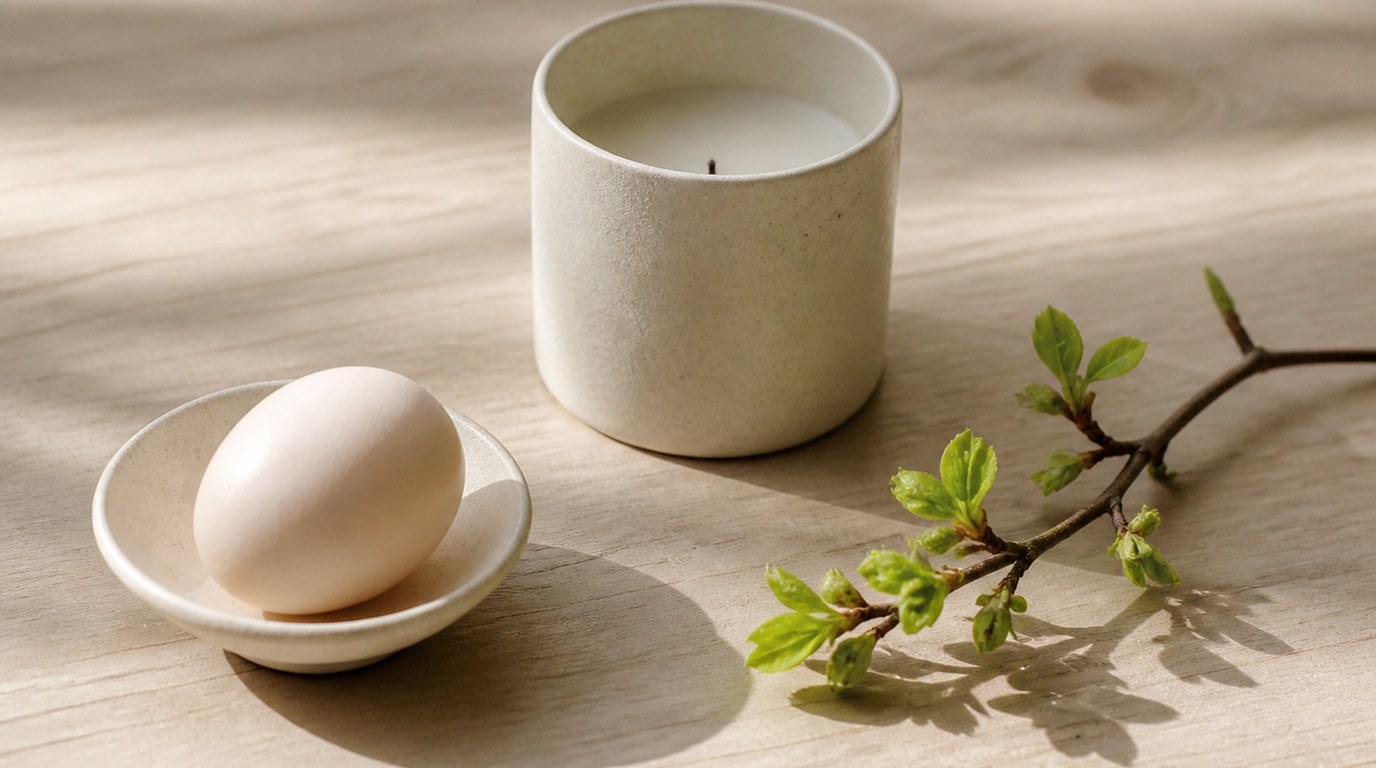
For a simple Ostara altar, place a clean cloth on your altar or table. Add a candle for returning light, a small bowl of water for balance, fresh greens or flowers if available, and one egg in a dish. Speak plainly: “At the balance of spring, I honor life returning. I remember my ancestors. May this home be renewed.” Leave the egg for a few hours or overnight, then dispose of it respectfully. If it was not eaten and has been used as an offering, do not treat it casually afterward.
For a decorated egg ritual, use natural dyes or simple markings. Green can represent growth, yellow sunlight, red vitality, blue peace, and brown the soil. You might draw a spiral for renewal, a seed shape for beginnings, or a small ancestral initial if that feels appropriate. Hold the egg in your hands and name what you are nurturing this season. Keep the egg on the altar briefly, then compost the shell if safe to do so, or dispose of it with thanks.
For a meal-based ancestor ritual, prepare eggs as food rather than altar objects. Before eating, set aside a symbolic portion or simply dedicate the meal: “May this nourishment strengthen me and honor those whose lives made mine possible.” This is often the most practical choice for families, shared homes, or anyone concerned about food waste.
For garden or house blessings, crushed eggshells can be used symbolically. Clean and dry the shells first. Sprinkle a small amount near potted plants, a garden bed, or the threshold while asking for protection and healthy growth. Avoid leaving raw egg outdoors where it may attract animals or create odor.
A quick guide:
| Intention | Egg Ritual | Best Use |
|---|---|---|
| Renewal | Decorate an egg with spring symbols | Personal reflection or altar work |
| Ancestor connection | Dedicate an egg-based meal | Respectful food-centered practice |
| Protection | Use cleaned eggshells at a threshold | Home blessing |
| Growth | Add crushed shell to soil if suitable | Garden or plant ritual |
| Balance | Place one egg with candle and water | Equinox altar |
A few practical criteria help keep the ritual clean and respectful. Use fresh eggs if they will be eaten. Keep altar offerings time-limited. Do not promise ancestors something you cannot maintain. Avoid using food wastefully just to make a ritual look more impressive. If eggs are not part of your diet or ethics, use a wooden, ceramic, stone, or drawn egg instead. The symbol can still work.
Close every ritual clearly. Thank the ancestors, the land, the season, and any spiritual powers you called upon. Snuff the candle. Wash your hands. Return the space to daily life. The closing matters because it tells your body and spirit that the offering was made, received, and completed.
FAQ
What Should a Beginner Know First About Egg History Rituals for Ostara the Spring Equinox?
Start with the seasonal meaning: eggs symbolize life returning at the spring equinox. You do not need an elaborate ceremony. A beginner can place one egg on an altar, speak a clear intention for renewal, thank the ancestors, and close the ritual respectfully.
What Matters Most When Evaluating Egg History Rituals for Ostara the Spring Equinox?
Look for practices that are seasonal, sincere, safe, and respectful. The best rituals connect the egg to spring renewal, balance, nourishment, or ancestor remembrance. Avoid claims that present one modern custom as the only authentic ancient tradition.
What Mistakes Should Readers Avoid with Egg History Rituals for Ostara the Spring Equinox?
Avoid leaving raw eggs out too long, wasting food for aesthetics, or copying cultural practices without understanding them. Also avoid overcomplicating the ritual. A simple, heartfelt offering with clear intention is usually stronger than a dramatic rite with no personal meaning.
What Is the Next Logical Step After Learning About Egg History Rituals for Ostara the Spring Equinox?
Choose one small practice for the coming equinox: a decorated egg, an ancestor meal, a cleaned eggshell blessing, or a simple altar offering. Afterward, write down what you noticed so your seasonal practice can grow naturally year by year.